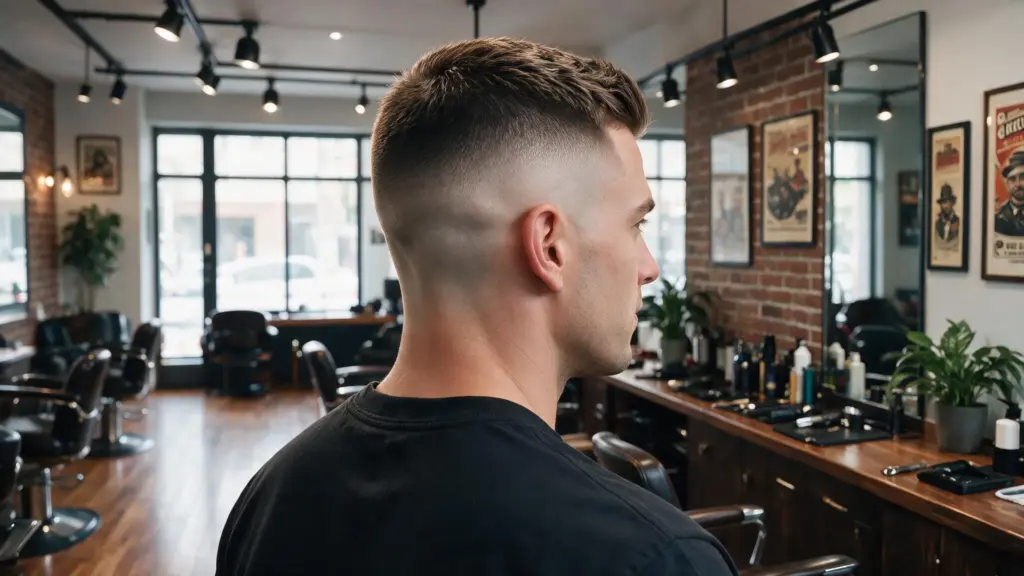

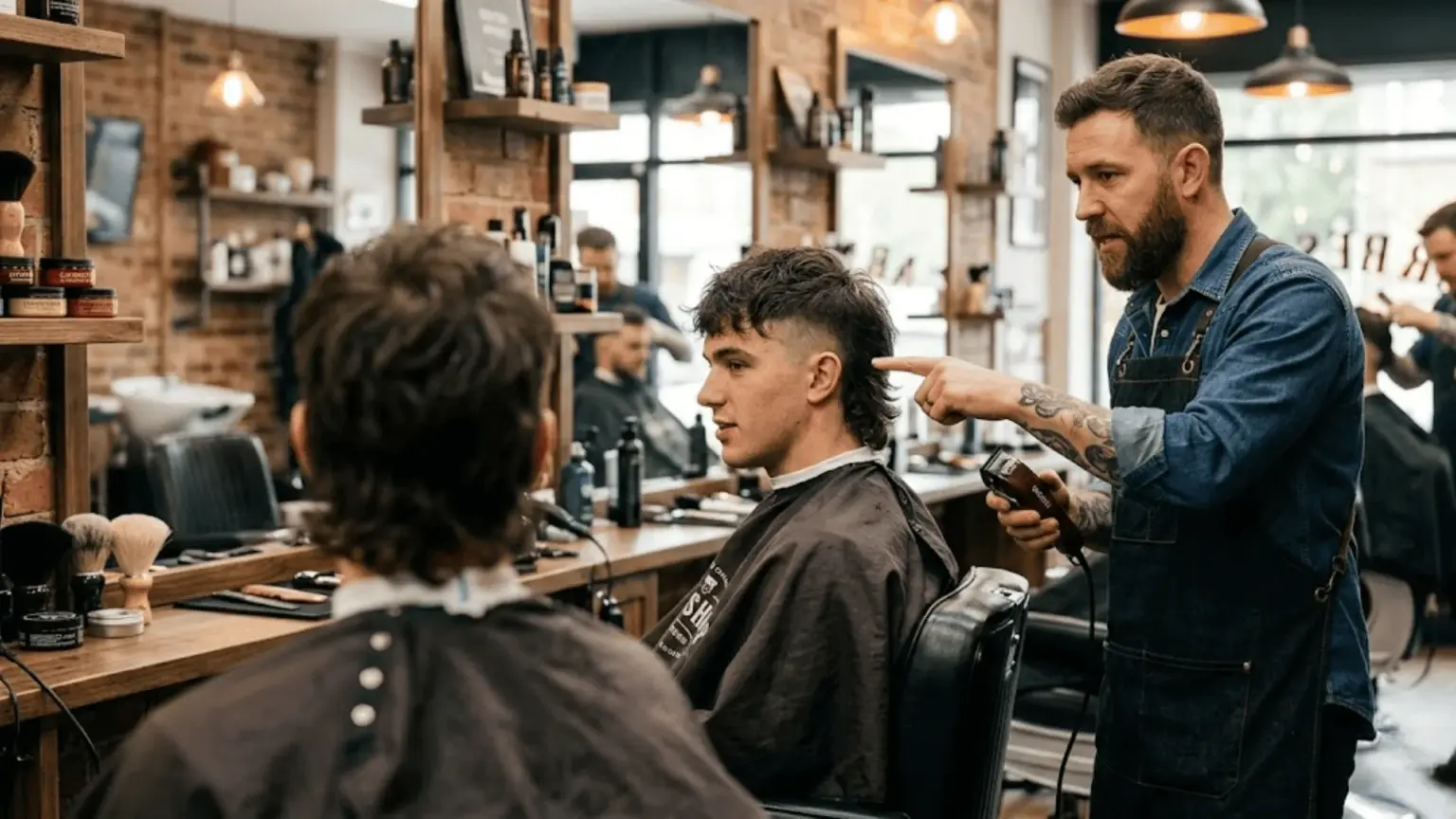
You sit in the barber chair. The cape goes on. The mirror is right in front of you.
Your barber asks, “What are we doing today?”
You say, “I want a mullet.”
He nods.
But here’s the problem. That one word can mean five different things. And if you are not clear, you might walk out with a cut that feels nothing like what you imagined.
That is exactly why this guide exists. The goal is simple. Help you say the right words so you get the haircut you actually want.
Let’s start with something interesting first.
Is the Mullet the Oldest Hairstyle?
It might surprise you, but the mullet is not new at all.
Versions of this haircut go back thousands of years. Ancient Greek warriors were known to wear their hair shorter in the front and longer in the back.
Some Native American tribes also wore similar styles. The idea was practical. Short hair kept vision clear, while longer hair at the back helped protect the neck from sun and weather.
The word “mullet” became popular in the 1990s, but the haircut itself is much older.
So when you choose a mullet today, you are not picking a random trend. You are choosing a style that has lasted through history.
Now that makes the next part even more important.
Why Saying “Just a Mullet” Is Not Enough?
A mullet today is not one fixed haircut. There are modern versions, fade versions, curly versions, and short subtle ones.
Small details change the result.
For example:
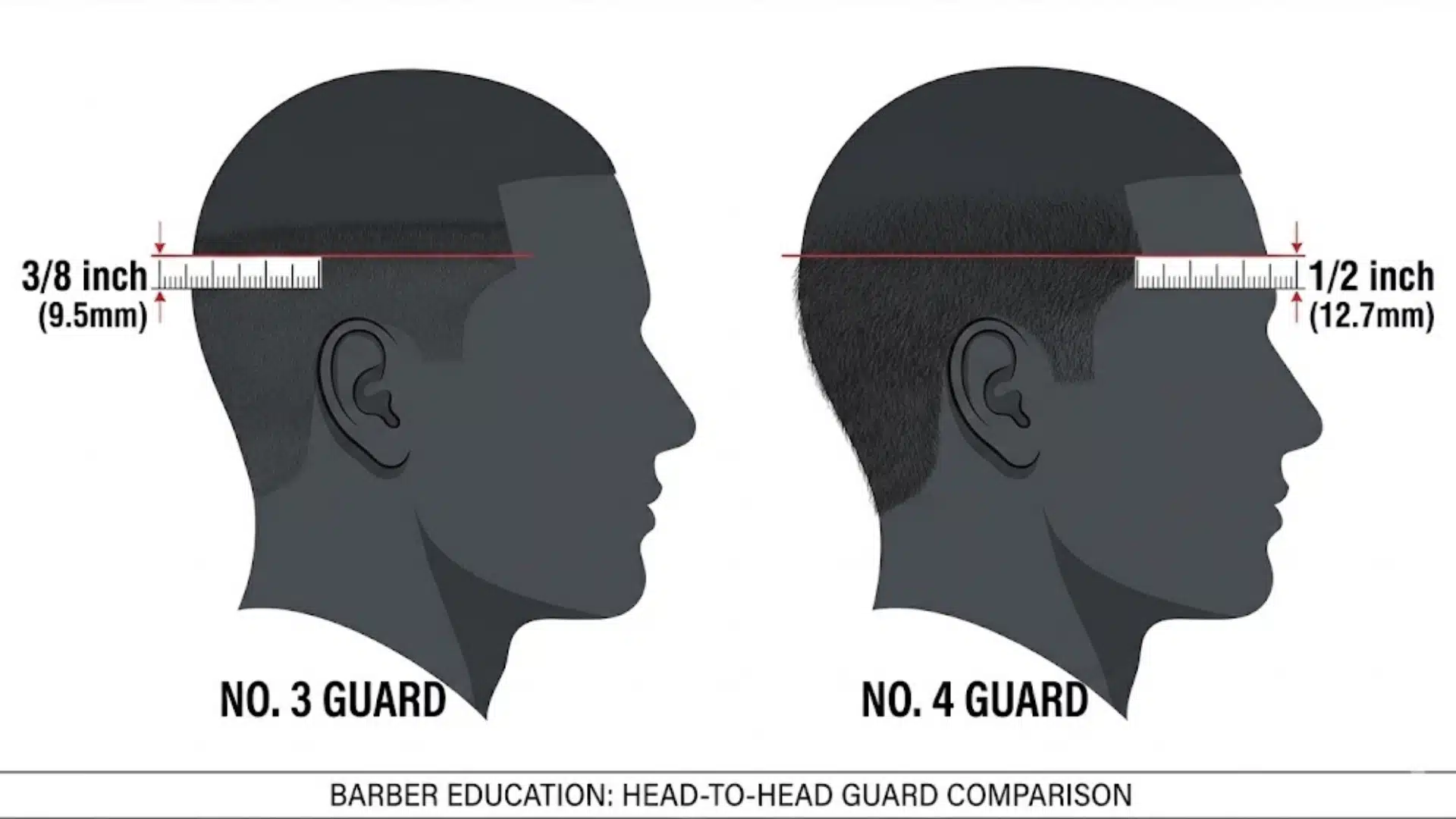
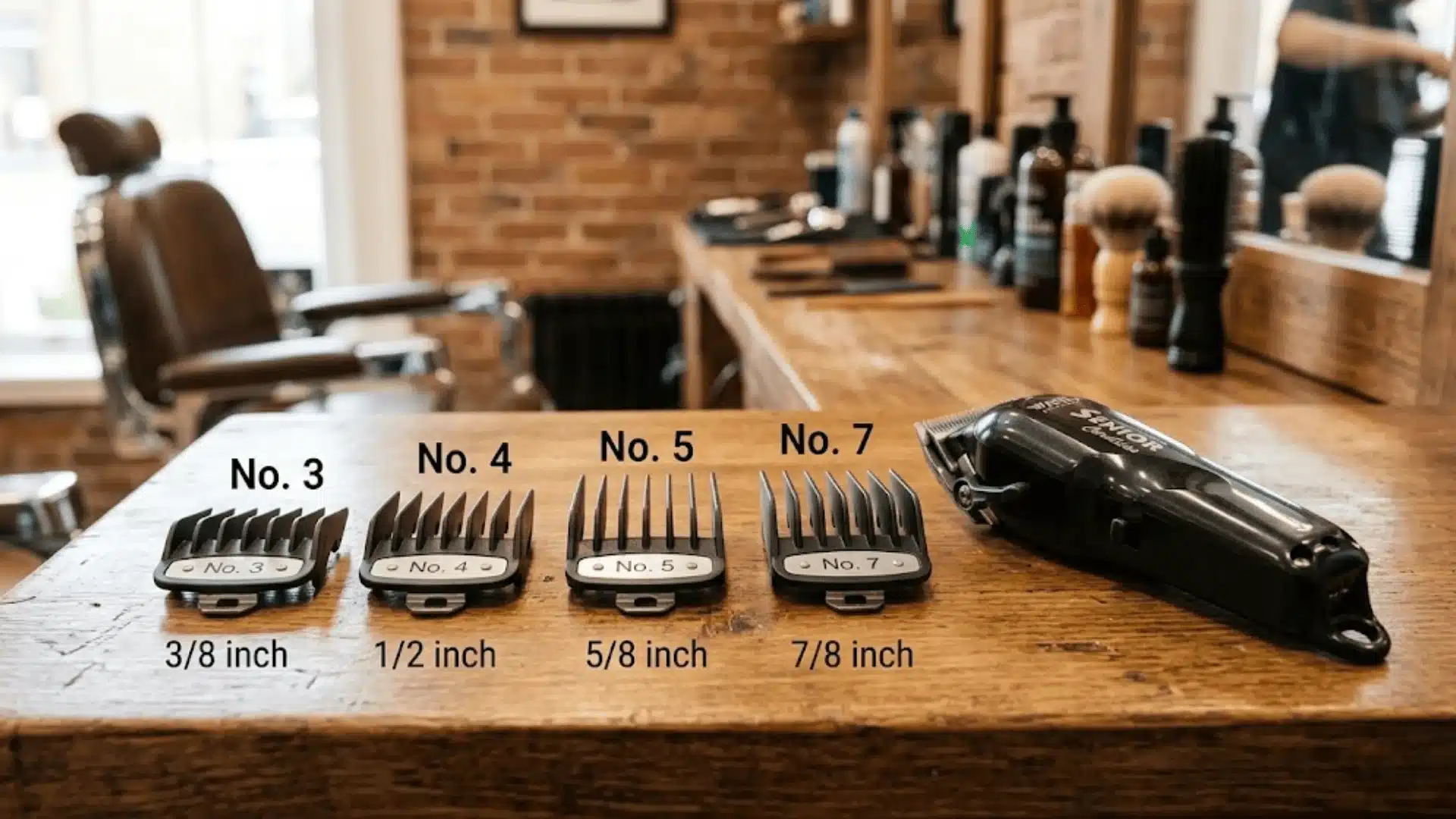
A No. 3 guard leaves hair about 3/8 inch long.
A No. 4 guard leaves about 1/2 inch.
That small 1/8 inch difference is clearly visible.
So when you say only “mullet,” your barber has to guess.
Do you want tight sides?
Do you want soft blending?
Do you want strong contrast?
Clarity makes everything easier.
Exact Words to Ask for a Mullet Style at the Barber
You do not need technical terms. You just need simple and clear instructions.
Here is a basic script you can use:
- “I want shorter sides and longer hair in the back.”
- “Keep the back noticeable but clean.”
- “Blend the top into the back.”
- “Low fade on the sides, not too high.”
That is it.
Now ask yourself:
Do I want bold contrast? Or do I want something softer?
The clearer you are, the better the result.
This is why this barber guide: exact words to ask for a mullet style focuses on practical phrases you can actually say.
How to Ask for Different Types of Mullets?
Not all mullets look the same. That’s why being specific helps so much. Instead of hoping your barber understands your vision, use clear sentences like these.
For Modern Mullet
Say: “Clean sides with a smooth blend into the back.”
Tell your barber you want the back longer but shaped neatly, not wild. The top should connect smoothly into the back without a harsh line.
It works well if you want something trendy but still easy to wear every day.
For Fade Mullet
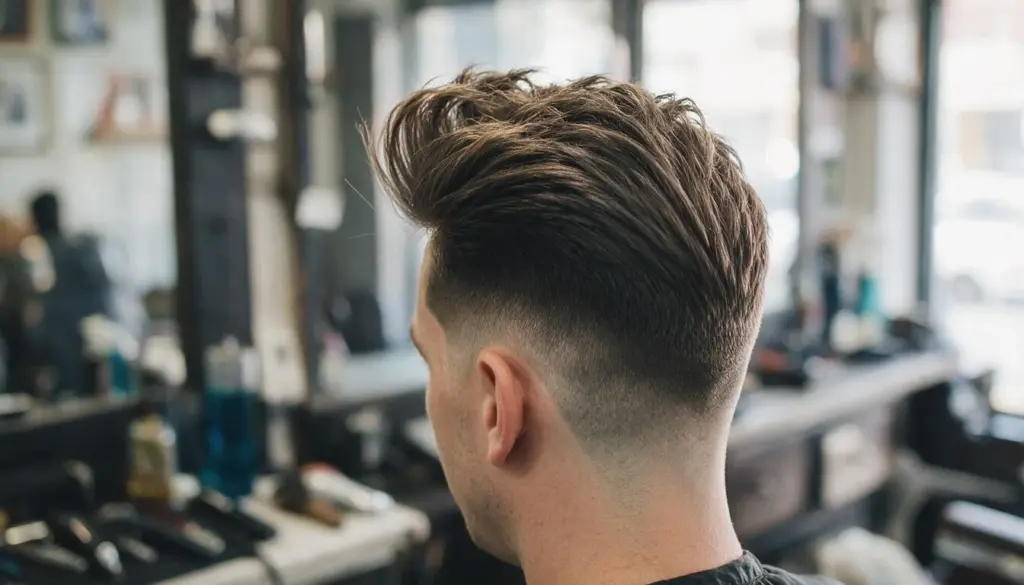
Say: “Low or mid fade on the sides. Keep strong length in the back.”
If you want sharper contrast, ask for a tighter fade like a No. 1 or No. 2 on the sides.
If you want it softer, go slightly longer. Always mention how long you want the back to stay. The fade changes the whole look.
For Curly Mullet
Say: “Keep my curls full in the back. Do not thin too much.”
Curls shrink when dry, so length matters. Ask your barber to shape it without removing too much weight. You can also say if you want a light taper on the sides or something more defined
Short Mullet
Say: “I want a subtle mullet. Slightly longer in the back, not dramatic.”
This version is softer and more controlled. Ask for a gentle taper instead of a tight fade if you want it balanced. It gives you the mullet shape without making it too bold
If you are unsure which suits you, go back and read the full Types of Mullets guide before you sit down.
What Guard Number Should You Ask For?
Many people stay quiet about guard numbers. Do not.
Guard numbers control length.
Here is a quick reference:
No. 3 = 3/8 inch
No. 4 = 1/2 inch
No. 5 = 5/8 inch
No. 7 = 7/8 inch
Want tight sides? Ask for No. 1 to No. 3. Want softer sides? Go for No. 4 or No. 5.
These measurements are standard across most professional clippers.
If you want a full explanation, read our guide on choosing the right haircut guard.
Knowing this gives you control.
5 Mistakes I See People Make When Asking for a Mullet
Many people make small mistakes that lead to a haircut they did not expect. The biggest one is saying only “mullet” without explaining details.
Not discussing guard numbers or fade height can also change the final look.
Ignoring how long you want the back to be is another common issue. Some people skip bringing a reference photo.
Keep This Simple.
- Saying only “mullet.”
- Not Discussing Guard Numbers.
- Ignoring Back Length.
- Forgetting to Mention Fade Height.
- Not Bringing a Reference Photo.
Clear instructions and a quick photo can help your barber understand exactly what you want.
Conclusion
A great haircut does not happen by chance.
It happens when you clearly explain what you want.
This barber guide: exact words to ask for a mullet style is here to make that easy for you.
When you understand the type, guard number, and fade level, you avoid confusion and regret. Next time you sit in that chair, you will not just say “mullet.”
You will say exactly what you mean.
Frequently Asked Questions
1. How to Ask for Mullet at Barbers?
Tell your barber you want short sides with longer hair in the back. Mention fade level, guard number, and how long you want the back.
2. What to Ask for When Wanting a Mullet?
Ask for shorter sides and clear length at the back. Specify fade type, blending style, and how bold or subtle you want it.
3. How do You Describe a Mullet to a Barber?
Describe it as short or faded sides with visible length in the back. Be clear about blending, taper height, and overall shape.
4. What is the 3 2 1 Buzzcut Rule?
The 3 2 1 buzz cut rule means using a No. 3 guard on top, No. 2 on the sides, and No. 1 near the edges for gradual fading.