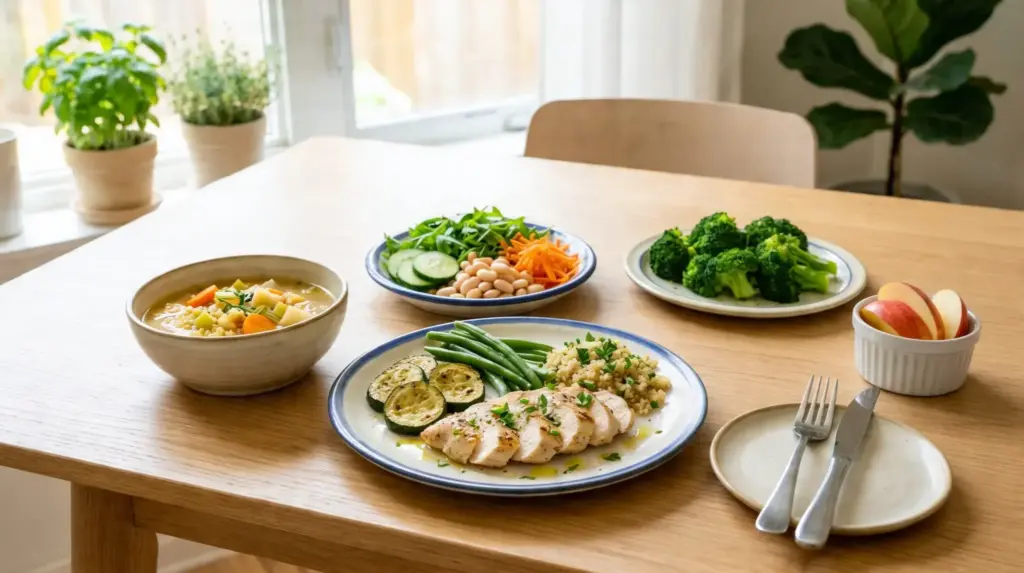

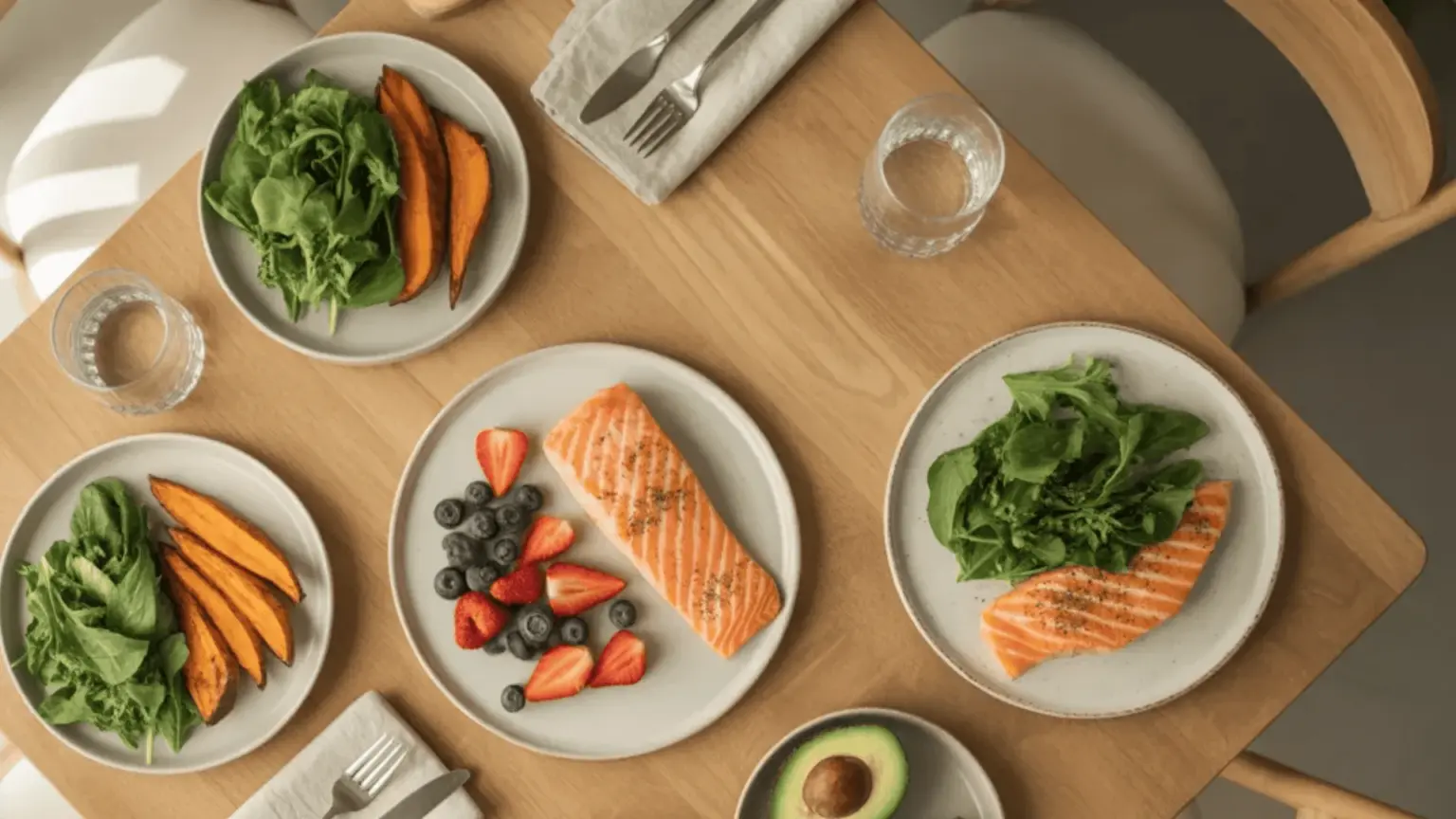
Stomach problems. Skin flares. Fatigue that just won’t quit. If your body has been sending signals you can’t ignore, your diet might be the first place to look.
The AIP diet food list is built around one simple idea: eat foods that calm your body, and cut out the ones that don’t.
In this post, you will get to know exactly what to eat, what to skip, and why it matters.
What is the AIP Diet?
AIP stands for Autoimmune Protocol. It is a way of eating designed to reduce foods that may trigger inflammation in the body.
People who follow it are often dealing with autoimmune concerns, where the immune system becomes overactive and starts affecting the body’s own tissues.
The focus is on gut health. A large part of immune function is connected to the gut. So the idea is simple: feed your gut well, and your body may respond better overall.
It takes consistency and patience. Many people see gradual changes over weeks, not days.
How Does the AIP Diet Work
The AIP diet works in three clear phases.
Each one builds on the last. Think of it as a step-by-step process, not a single overnight change.
You start by removing; then you observe; then you adjust based on what you learn.
Phase 1: Elimination Phase
This is where you remove all foods that are known to be common triggers. The goal is to give your body a clean slate.
You focus on simple, whole foods that are easy to digest and low in potential irritants.
Most people follow this phase for at least a few weeks before moving forward.
Phase 2: Reintroduction Phase
Once your body has had time to settle, you start adding foods back one at a time. You add one food, wait a few days, and pay close attention to how you feel.
This helps you figure out which specific foods are a problem for your body. Everyone’s triggers are different, so this step is very personal.
Phase 3: Maintenance Phase
After reintroduction, you build a long-term eating pattern based on what works for you. Foods that your body handled well stay in.
Foods that caused reactions come out. This phase is not about being perfect; it is about finding a balance that works in real life.
A Quick Note Before You Start
Results vary from person to person. Some people notice changes within weeks. Others take longer. Rushing through phases or skipping steps often leads to confusion and setbacks.
AIP Diet Food List: Foods You Can Eat
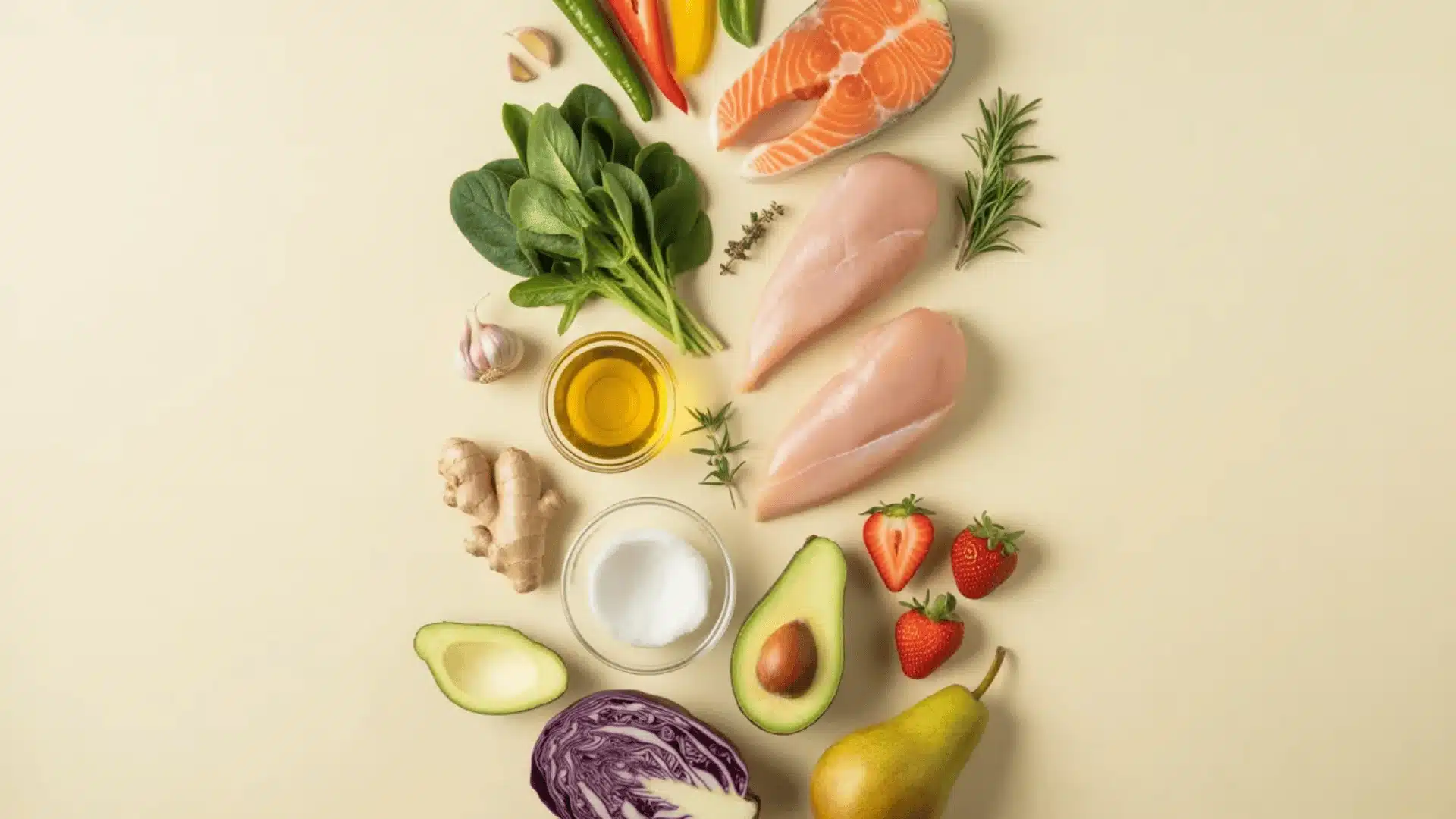
This is the heart of the AIP diet food list. These are foods that are generally well-tolerated and form the base of most AIP meals.
Download a printable PDF of food that you can have. on your AIP diet.
Vegetables (Non-Nightshade)
Most vegetables are allowed, as long as they are not nightshades.
Good options include leafy greens like spinach, kale, and arugula, as well as broccoli, cauliflower, and Brussels sprouts.
Carrots, beets, sweet potatoes, and squash are also great choices. These are high in fiber and nutrients, which support gut health and keep you full.
Fruits
Fruits are allowed in moderate amounts.
Berries, apples, pears, bananas, and mangoes all work well. Fruit contains natural sugar, so keeping portions moderate is a good idea.
High-Quality Proteins
Protein is a big part of AIP eating. Grass-fed beef, lamb, and pork are all good options. So are chicken, turkey, duck, and wild-caught fish.
Organ meats like liver are optional but very nutrient-rich. These give your body what it needs without adding unnecessary irritants.
Healthy Fats
Good fat sources on the AIP diet include olive oil, avocado oil, coconut oil, and whole avocados.
These support energy, help you feel satisfied after meals, and are easy on the gut.
Herbs and Natural Flavorings
Eating AIP does not mean eating bland food. Garlic, ginger, and turmeric add real flavor and are well-tolerated.
Fresh herbs like basil, cilantro, parsley, and rosemary work well too. Apple cider vinegar and lemon juice are great for adding to meals without processed ingredients.
Foods to AVOID on the AIP Diet
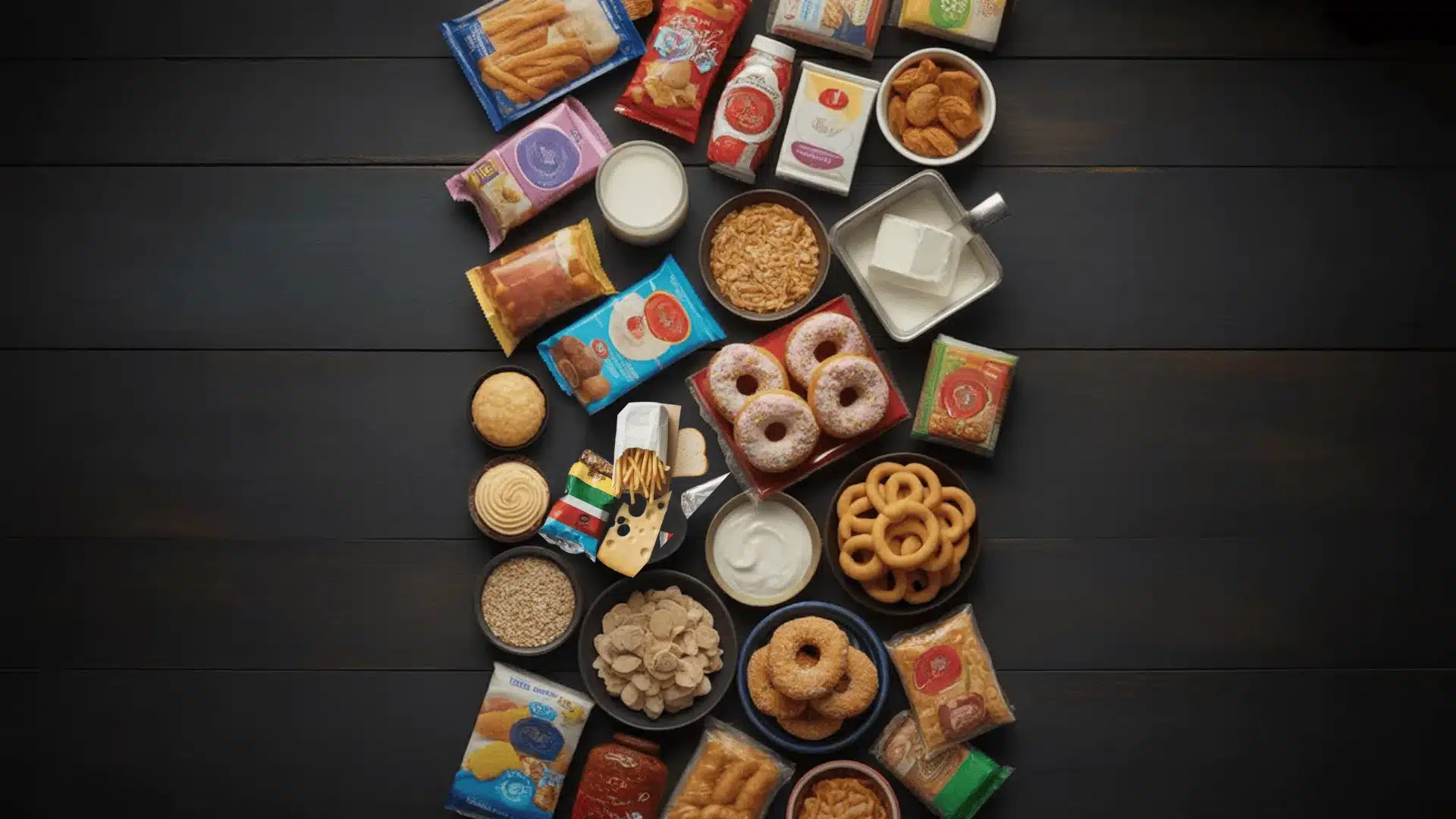
Knowing what to leave out is just as important as knowing what to eat.
Grains and Legumes
All grains are removed during elimination.
This includes wheat, rice, oats, corn, and quinoa. Legumes such as beans, lentils, and chickpeas are also out.
These foods contain compounds that may irritate the gut lining in some people.
Dairy Products
Milk, cheese, yogurt, and butter are all removed. Even if you do not have a known dairy sensitivity, dairy is excluded during the elimination phase to get a clear reading of how your body responds.
Processed Foods and Added Sugars
Packaged snacks, fast food, and anything with refined sugar are off the list. These foods offer little nutritional value and often contain ingredients that make it hard to track reactions.
Nuts and Seeds
All nuts and seeds are removed, including nut butters. This also covers seed-based spices like cumin, coriander, and mustard.
These can be reintroduced later once the elimination phase is complete.
Nightshade Vegetables
Nightshades are a specific group of vegetables that some people with autoimmune concerns react to.
This includes tomatoes, white and red potatoes, eggplant, and all peppers.
Sweet potatoes are not nightshades and are perfectly fine to eat.
Eggs and Certain Oils
Eggs are removed during the elimination phase, even though they are a whole food.
Seed oils like sunflower oil, canola oil, and vegetable oil are also excluded and replaced with the healthier fat options listed above.
How to Use the AIP Diet Food List in Daily Meals
The simplest way to build an AIP meal is to follow one basic formula: one protein source, one or two vegetables, and a healthy fat.
That is it. You do not need complicated recipes to eat well on this plan.
If a meal has too many ingredients, it becomes hard to identify what caused a reaction. Simpler meals give you clearer information.
Here are some practical meal ideas to get started:
Breakfast
A bowl of mixed berries with coconut yogurt.
It is light, easy to put together, and keeps you full without weighing you down. Sweet potato on the side adds natural energy to start your morning right.
Lunch
Grilled chicken thighs with roasted broccoli and a drizzle of olive oil. It is a simple, filling meal that gives you steady energy through the afternoon without feeling heavy.
Dinner
Baked salmon with roasted carrots and mashed sweet potato.
It is warm, satisfying, and easy to prepare on a busy weeknight with just a few basic ingredients.
Snack
Sliced avocado with a pinch of sea salt and fresh lemon juice.
It is quick to prepare, rich in healthy fat, and keeps hunger away between meals without any processed ingredients
Who Should NOT Follow the AIP Diet
The AIP diet is restrictive. Without proper planning, it can lead to nutrient gaps in key areas like calcium, vitamin D, and B vitamins.
It is not ideal for people with a history of disordered eating.
It is also not meant to be followed in its strict elimination form forever. Skipping the reintroduction phase is one of the most common mistakes people make.
Speak to your doctor before starting if you have a diagnosed condition, are pregnant, or are breastfeeding.
The AIP diet is a tool, not a treatment. It works best alongside proper medical guidance.
Finding What Works for Your Body
The AIP diet food list gives you a clear starting point. You know what to eat, what to avoid, and how the three phases work.
The real value comes during reintroduction.
That is where you learn what your body actually responds to. Everyone is different, and that process takes time.
Keep meals simple, track how you feel, and do not rush.
If you have a health condition or are unsure where to start, speak with your doctor or a registered dietitian first.
Frequently Asked Questions (FAQs)
1. What are the Top 5 Worst Autoimmune Diseases?
Lupus, Multiple Sclerosis, Rheumatoid Arthritis, Type 1 Diabetes, and Inflammatory Bowel Disease are often considered the most severe. Always work with your doctor to manage any autoimmune condition.
2. What are the 7 Anti-Inflammatory Foods?
Fatty fish, leafy greens, berries, olive oil, turmeric, ginger, and broccoli are widely recognized as top anti-inflammatory foods, and most of them are already part of the AIP diet food list.