
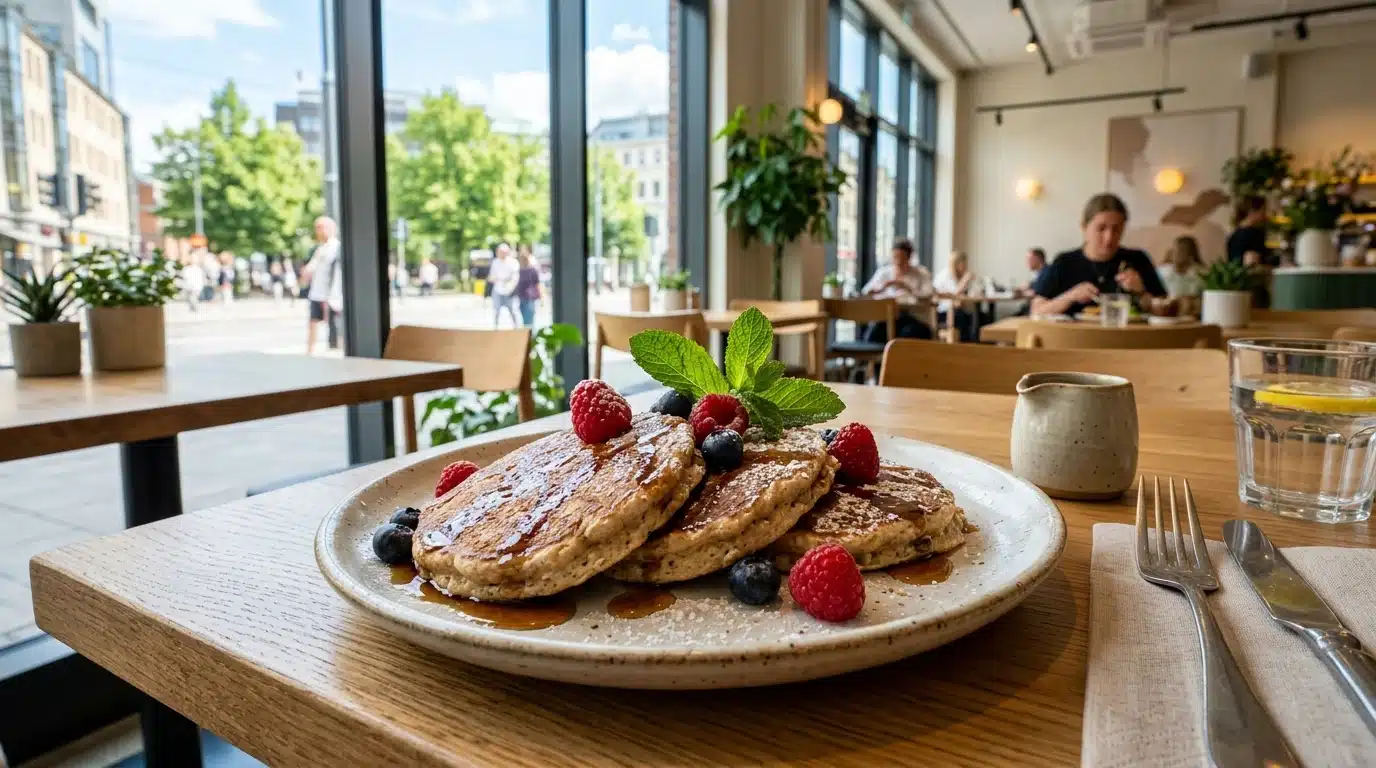
Pancakes on a Sunday morning, there’s nothing quite like it.
But two hours later, you’re hungry again and wondering why you even bothered.
The problem isn’t the pancakes. It’s what’s in them. Most recipes load up on flour and sugar, leaving out the one thing your body actually needs: protein. High protein pancakes fix that. Same soft, fluffy stack.
Same great taste. Just a better balance that keeps you going through the day.
Stick around, because this blog walks you through everything you need to make them right at home.
What Makes Pancakes High-Protein
A standard pancake has around 3–5g of protein per serving.
A high protein pancake?
The number jumps to 15–25g. That gap makes a real difference to how full you feel after eating.
Protein quantity alone doesn’t tell the whole story.
Quality matters too. Eggs and Greek yogurt provide complete proteins with all essential amino acids your body can’t produce. Protein powder works well, but pairing it with whole food sources makes it more effective.
Don’t cut out carbs or fats either. Your body needs all three to function well and stay satisfied longer.
Choosing Your Protein Source: Powder vs. Whole Foods
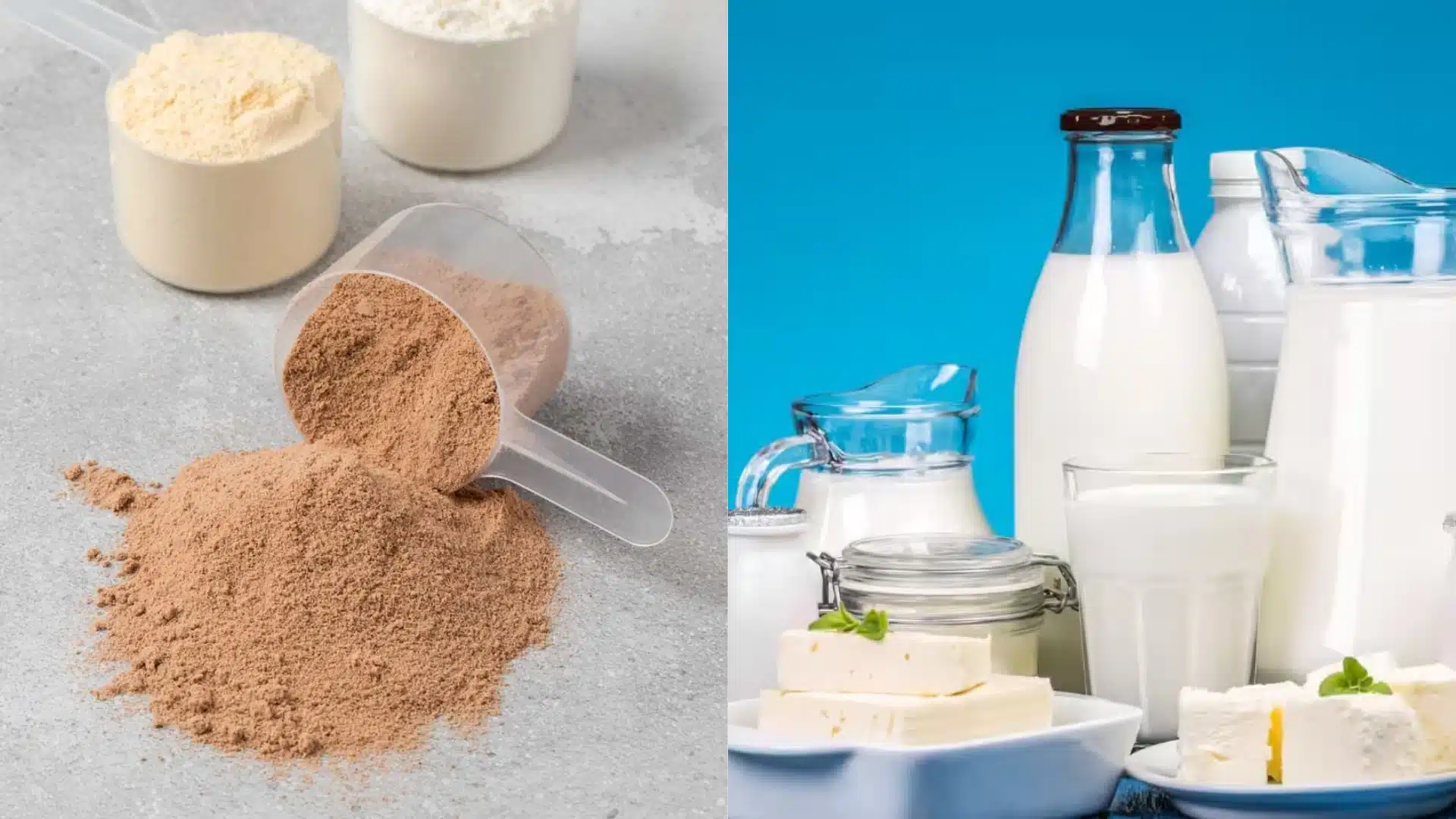
Not all protein sources work the same way in pancakes. Here’s how to pick what fits your goals and your kitchen.
When Protein Powder Makes Sense
Protein powder is a solid pick when you’re short on time or tracking macros closely.
Whey digests quickly, making it great for post-workout meals. Casein digests slowly, keeping you full longer. Plant-based options like pea or rice protein work well if you’re dairy-free.
One scoop can add 20–25g of protein without much effort.
When Whole Foods Does a Better Job
Eggs, Greek yogurt, oats, and cottage cheese bring more than just protein to the table.
They come with natural fats, fiber, and vitamins that your body absorbs well. Digestion tends to be smoother, too.
If you’re not chasing specific macro targets, whole foods give you a more complete and balanced result.
The Texture: Why High Protein Pancakes Often Turn Dry
More protein often means less moisture.
That’s just how it works.
Protein molecules absorb water during cooking, which pulls moisture away from the batter.
The result? A dense, rubbery pancake instead of a soft one.
Common mistakes that make it worse:
- Adding too much protein powder in one go
- Skipping fats like oil, butter, or nut butter
- Cooking on high heat for too long
These small errors stack up fast. The fix is clear.
Replace some powder with Greek yogurt or cottage cheese. Add a teaspoon of oil to your batter. Cook on medium-low heat, flipping only once. Moisture stays in, and the texture holds up.
High Protein Pancakes Recipes You Can Customize
One base recipe can go a long way. These versions cover different goals, ingredients, and skill levels.
Pick the one that works for you.
3-Ingredient Quick Pancakes
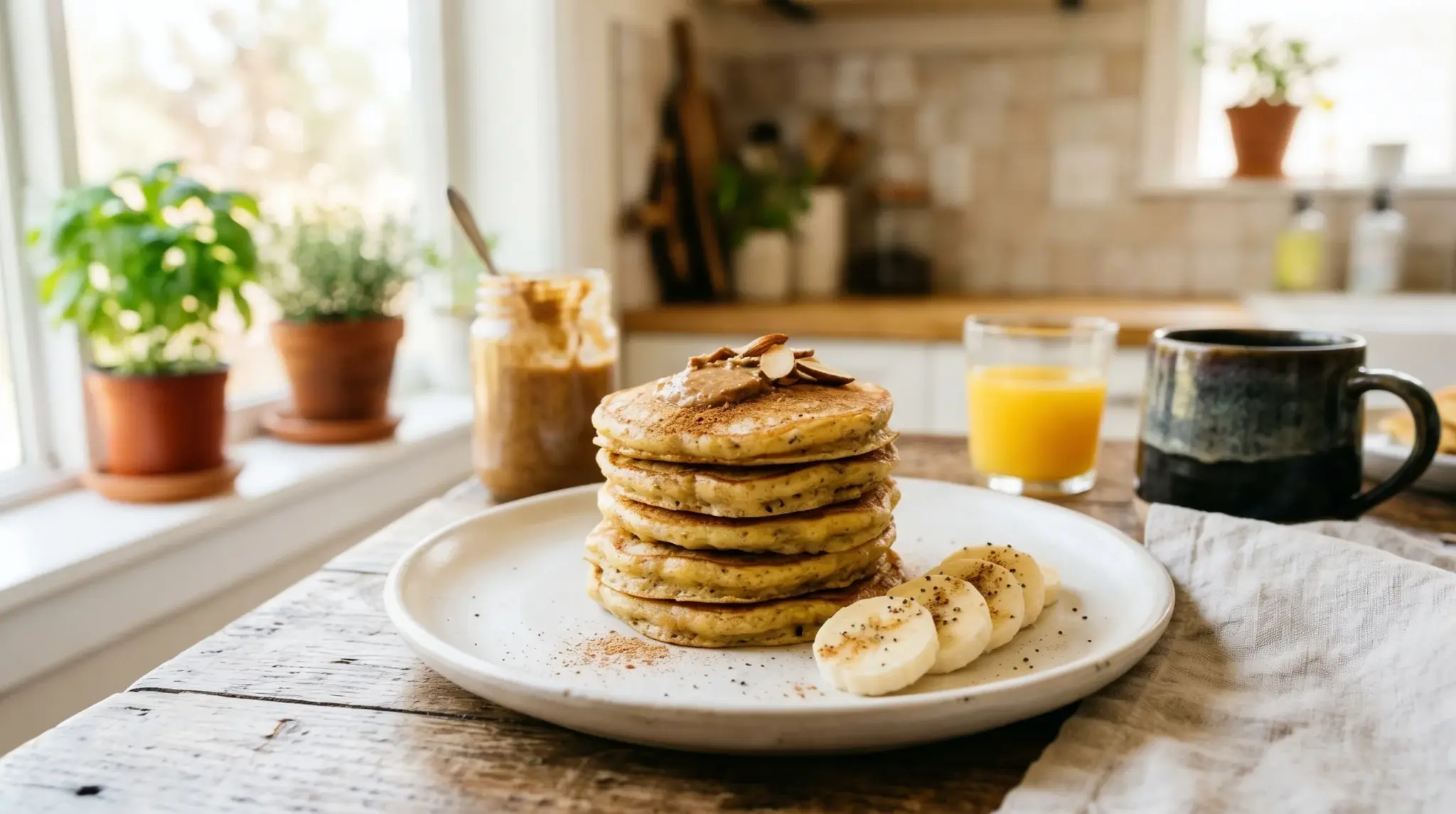
Three ingredients, ten minutes, and you’ve got a breakfast that actually holds you over.
Ingredients:
- 2 ripe bananas
- 3 whole eggs
- 1 scoop whey or plant-based protein powder
Step-by-Step Process:
Step 1: Mash the bananas in a bowl until no large chunks remain.
The riper the banana, the smoother and naturally sweeter your batter will be.
Step 2: Crack the eggs and whisk everything together until well combined. Make sure the mixture is fully combined before adding anything else.
Step 3: Add the protein powder and stir until the batter is smooth.
Step 4: Pour small rounds onto a non-stick pan over medium heat.
Cook for 2–3 minutes per side, then serve warm.
Toppings That Keep Them Healthy: A spoon of almond butter adds healthy fat without spiking sugar. Add a few fresh banana slices, and you’re done, no syrup needed.
Fluffy High Protein Pancakes Without Protein Powder
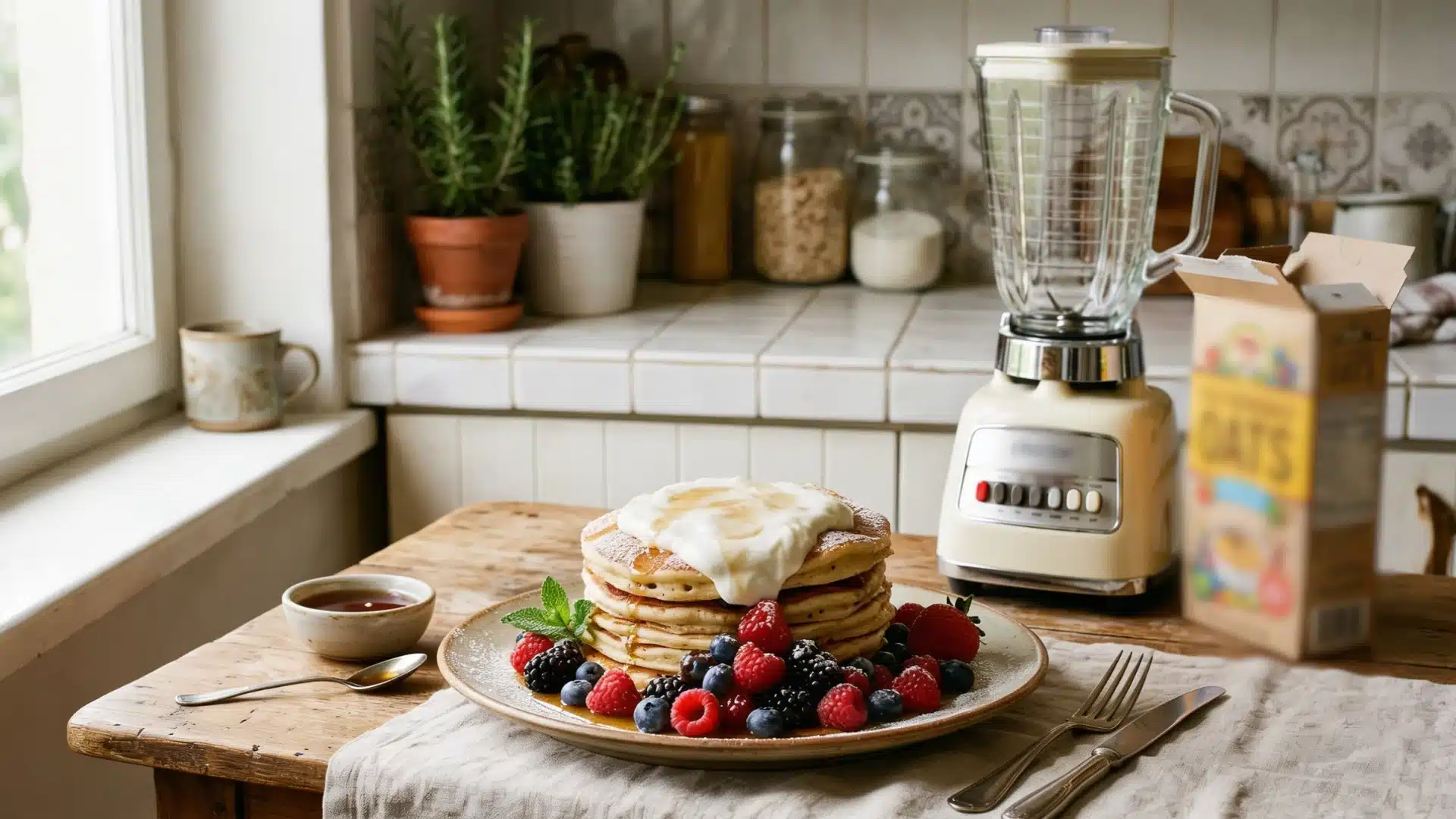
No powder in the house? No problem. This version uses real, whole ingredients and still delivers solid protein.
Ingredients:
- ½ cup rolled oats
- 2 eggs
- ½ cup Greek yogurt
- ½ tsp baking powder
Step-by-Step Process:
Step 1: Blend the rolled oats into a fine flour using a blender or food processor.
This takes about 30 seconds and makes the batter much smoother.
Step 2: Add the eggs, Greek yogurt, and baking powder to the blender. Blend again until everything comes together into a thick, lump-free batter.
Step 3: Let the batter rest for 5 minutes. This helps the oats absorb moisture.
Cook on medium-low heat for 3 minutes per side, flipping only once.
Toppings That Keep Them Healthy: Greek yogurt on top works well here. Add a handful of mixed berries and a light drizzle of honey. Keep the honey to one teaspoon, it’s enough.
Gym-Friendly Protein-Rich Pancakes with Powder
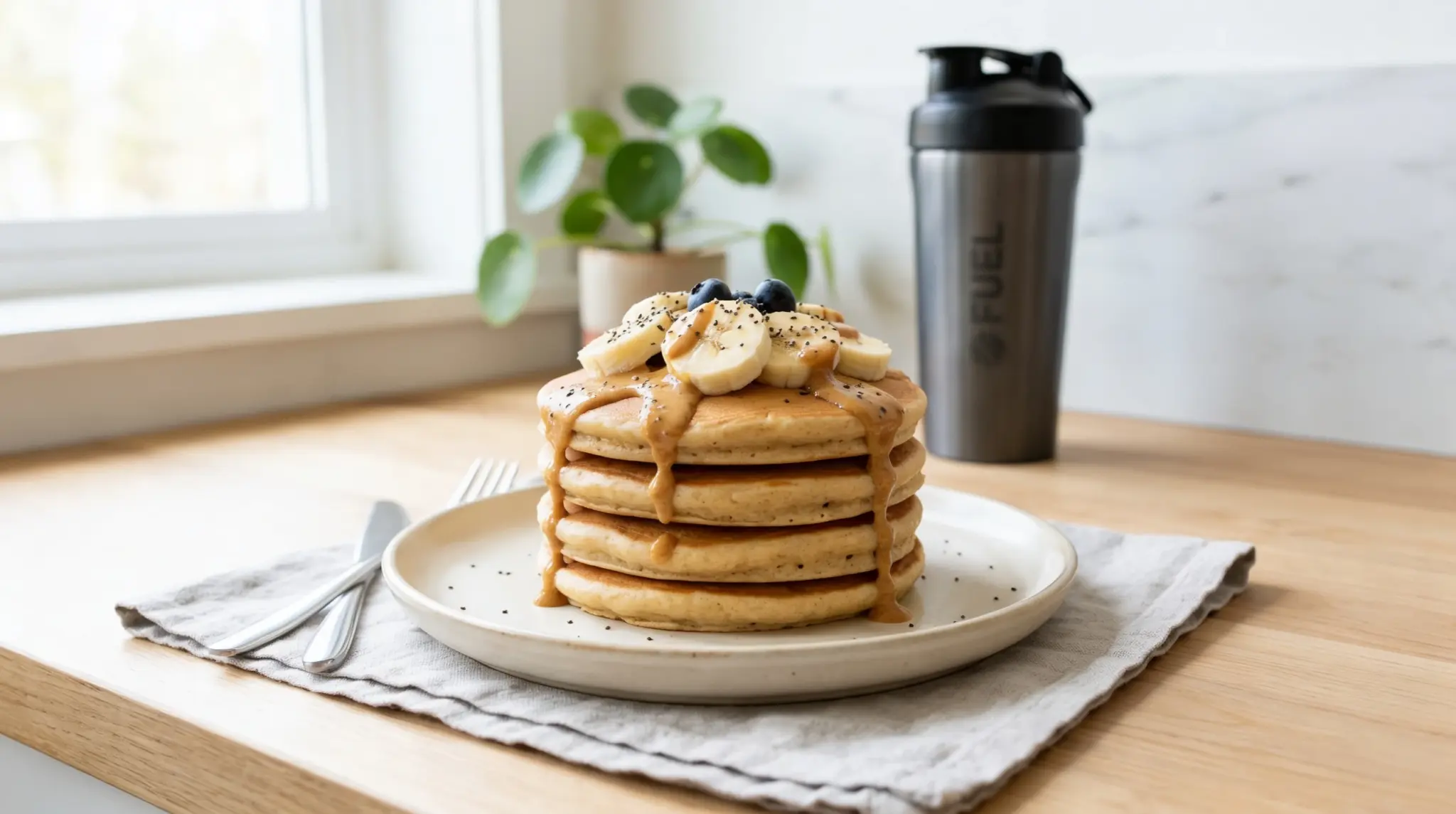
Built for people who track macros and want a post-workout breakfast that actually hits the numbers.
Ingredients:
- 1 scoop protein powder
- ¼ cup oat flour
- ½ cup milk (dairy or plant-based)
- 1 egg
- ½ tsp baking powder
Step-by-Step Process:
Step 1: Combine the protein powder, oat flour, and baking powder in a bowl first.
Mixing the dry ingredients separately stops clumping when you add the liquid.
Step 2: Add the egg and milk, then whisk until smooth. If it feels too thick, add a tablespoon of milk at a time until it loosens up slightly.
Step 3: Let the batter sit for 3 minutes before cooking. This short rest makes a real difference in texture.
Step 4: Pour onto a lightly oiled pan over medium heat. Cook for 2–3 minutes per side, flipping only once.
Step 5: Stack and serve immediately for the best texture
Toppings That Keep Them Healthy: Nut butter and sliced banana keep this macro-friendly. Skip the flavored syrups; they add sugar without adding anything useful.
Cottage Cheese Pancakes
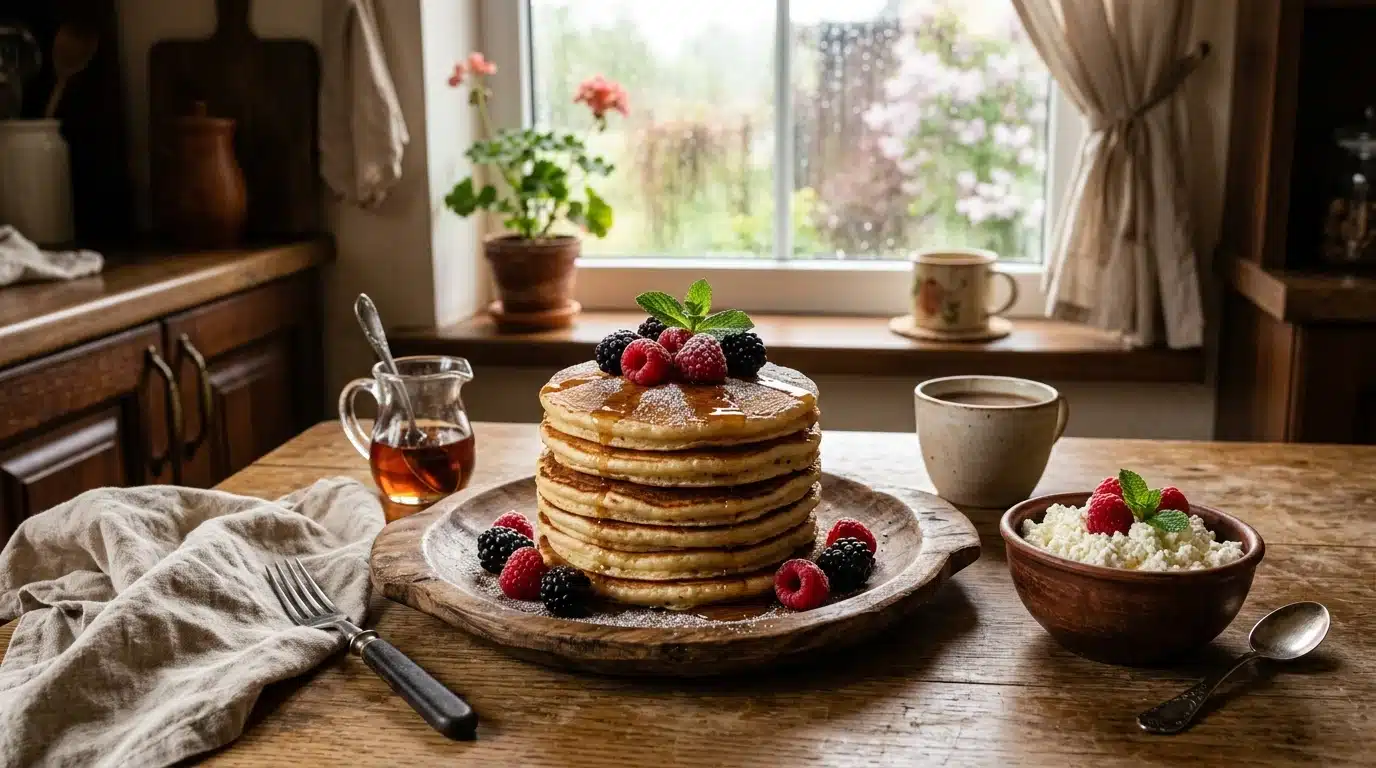
This one surprises people. The cottage cheese completely disappears into the batter, leaving a soft, moist pancake with no strong flavor.
Ingredients:
- ½ cup cottage cheese
- 2 eggs
- ¼ cup oat flour
- 1 tsp vanilla extract
Step-by-Step Process:
Step 1: Add all ingredients to a blender and blend until completely smooth.
Don’t skip this; blending removes the cottage cheese texture entirely, making the batter much easier to work with.
Step 2: Heat a non-stick pan on medium-low and lightly grease it. Pour the batter in small rounds, keeping each one about 3–4 inches wide for easier flipping.
Cook for 3 minutes on the first side until the edges look set, then flip carefully and cook for another 2–3 minutes.
Toppings That Keep Them Healthy: Fresh berries and a spoonful of cottage cheese on top tie the whole thing together. It adds more protein and keeps the toppings light.
Egg White Pancakes
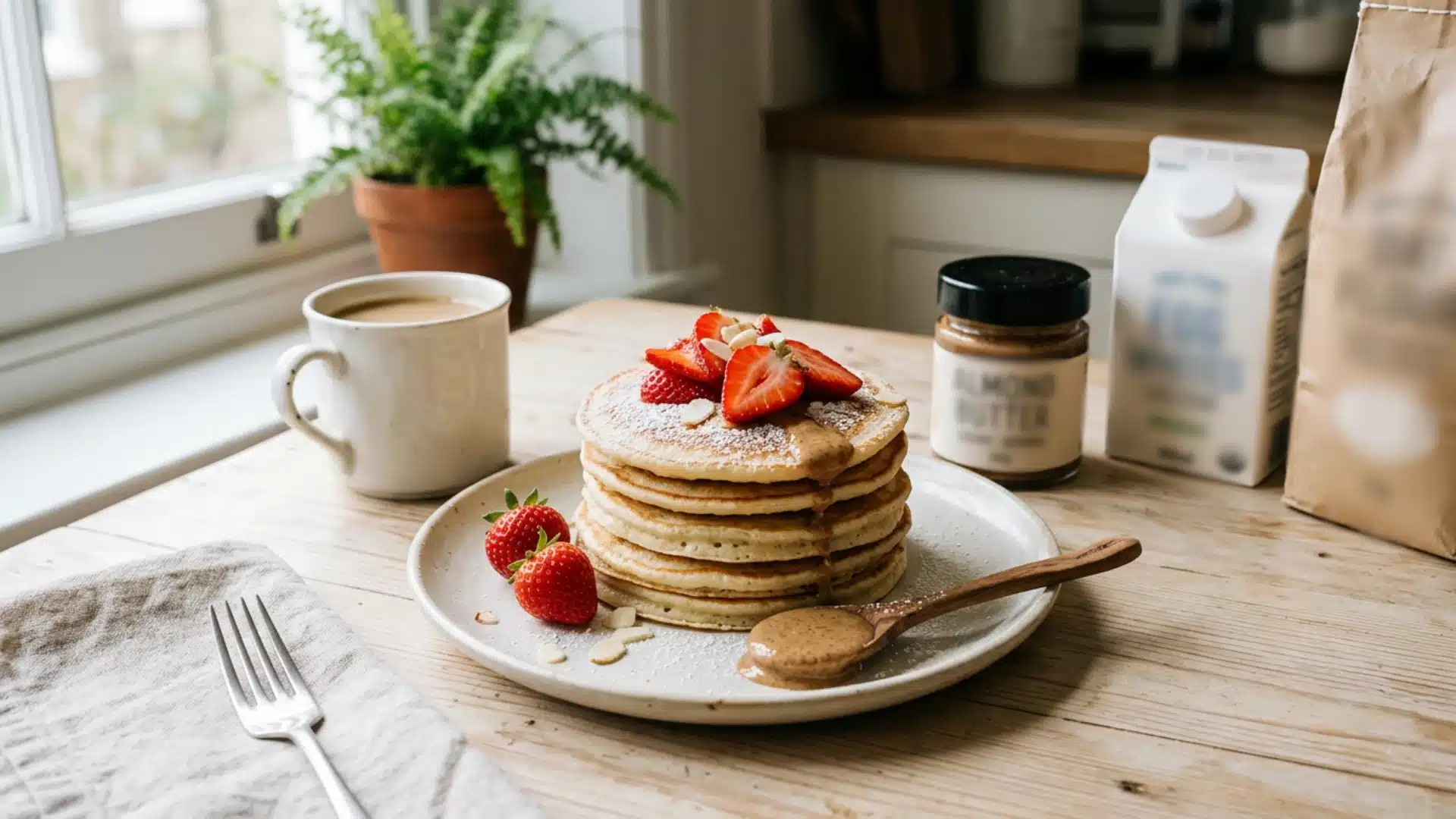
Lower in fat, clean in flavor, and easy to make in bulk, a solid option when you’re watching calories but still want a filling breakfast.
Ingredients:
- 4 egg whites
- ¼ cup oat flour
- ¼ cup almond milk
- ½ tsp cinnamon
- ½ tsp baking powder
Step-by-Step Process:
Step 1: Whisk the egg whites lightly before adding anything else.
This brings in a small amount of air, helping the pancakes stay light rather than flat and dense.
Step 2: Add the oat flour, almond milk, cinnamon, and baking powder. Mix until smooth with no dry flour sitting at the bottom of the bowl.
Step 3: Cook on medium heat for 2–3 minutes per side.
These pancakes are thinner and lighter, so use a wide spatula and flip them gently to avoid tearing.
Step 4: Plate immediately and keep the stack small; two to three pancakes per serving works well here.
Toppings That Keep Them Healthy: Sliced strawberries and a tablespoon of almond butter work well here. Keep portions in check, even healthy toppings add up when you pile them on.
Meal Prep and Storage Work for Busy Days
Making pancakes every morning isn’t realistic for most people. A little prep work on the weekend fixes that entirely.
- Cook a full batch on Sunday and let them cool completely before storing.
- Stack pancakes with a small piece of parchment paper between each one to prevent sticking.
- Refrigerate in an airtight container for up to four days.
- Reheat in a pan on low heat for two minutes per side to keep the texture intact.
- A microwave works too; 30 to 45 seconds per pancake is enough.
- Store batter separately in the fridge for up to 48 hours if you prefer fresh-cooked pancakes daily.
- Batch-cooking two to three recipes at once gives variety throughout the week without extra effort.
A little time on one day saves a lot of time on every other day. That’s the whole point.
Ingredient Swaps that Change Everything
Small swaps in the ingredient list can completely change the nutrition, texture, and taste of your pancakes.
Here’s a quick breakdown of what works and what to use instead.
| Category | Original Ingredient | Swap Option | What Changes |
|---|---|---|---|
| Flour | All-purpose flour | Oat flour | More fiber, softer texture |
| Flour | All-purpose flour | Almond flour | Lower carbs, slightly dense |
| Sweetener | White sugar | Mashed banana | Natural sweetness, added potassium |
| Sweetener | White sugar | Stevia or monk fruit | Fewer calories, same sweetness |
| Sweetener | Maple syrup | Medjool dates (blended) | Lower glycemic, richer flavor |
| Dairy | Regular milk | Almond milk | Lighter, dairy-free friendly |
| Dairy | Greek yogurt | Coconut yogurt | Same creamy base, plant-based |
| Dairy | Butter | Coconut oil | Dairy-free, mild flavour |
| Protein base | Whey powder | Pea protein | Plant-based, similar protein content |
These swaps don’t require a full recipe overhaul. Change one or two things at a time to see what works best for your body and taste.
How to Increase Protein Without Overloading Calories
Adding more protein doesn’t mean adding more calories across the board.
A few smart ingredient choices handle that well.
- Stir a tablespoon of chia seeds into your batter. It adds 2–3g of protein and keeps you full longer.
- Swap whole eggs for egg whites when you want protein without the extra fat.
- Use Greek yogurt in place of oil; it adds creaminess and cuts unnecessary calories at the same time.
Keep portions honest, too.
Two to three medium pancakes per serving is plenty. Load up on protein-rich toppings rather than doubling the stack size. Small changes. Better balance. Same great plate.
Matching Pancakes to Your Goals
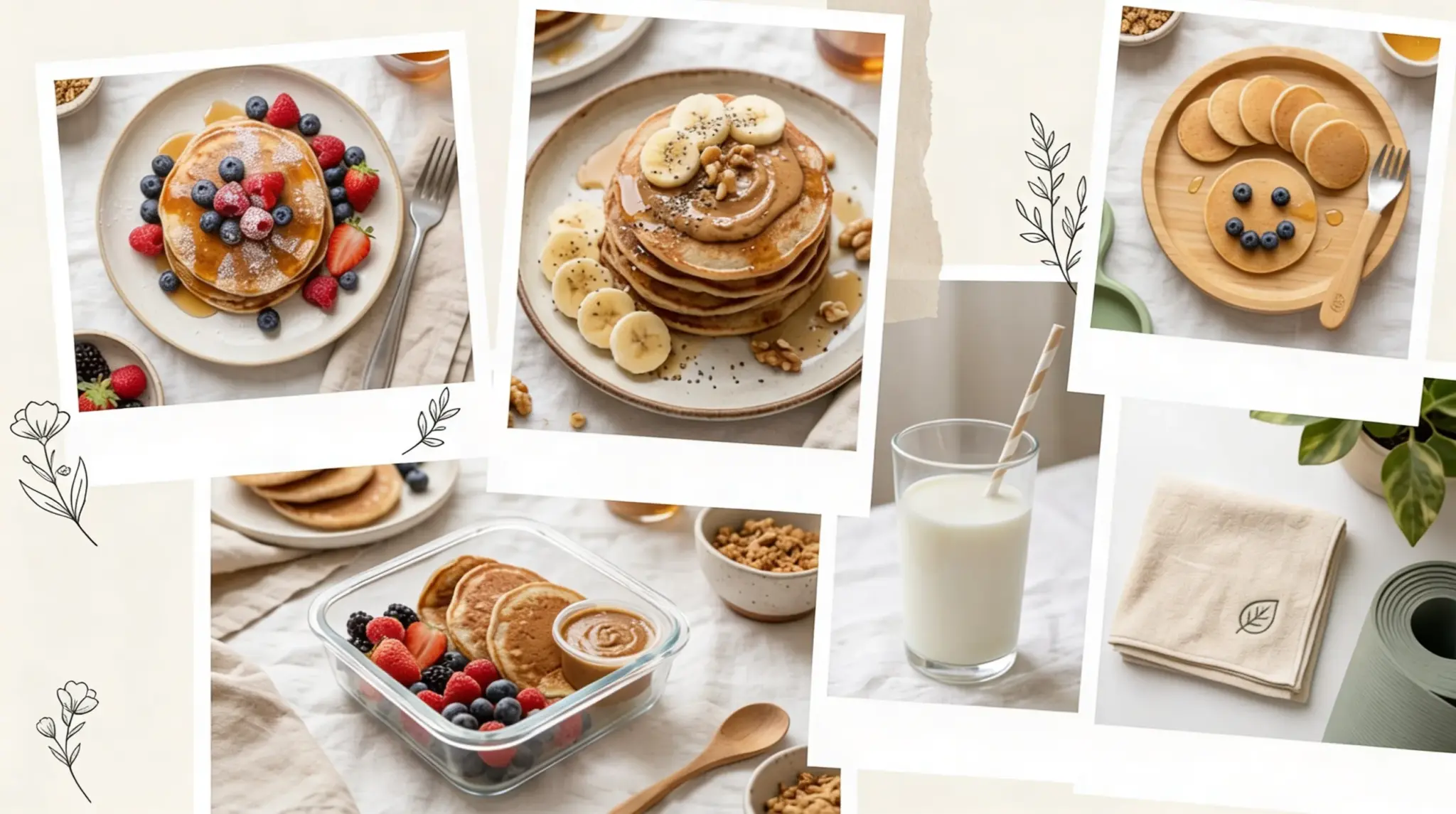
High protein pancakes aren’t a one-size-fits-all meal. The way you build them depends on what you’re working towards.
1. For Weight Loss
Use egg whites, oat flour, and Greek yogurt as your base. Keep toppings, fruit, and a small spoon of nut butter.
This combination keeps calories low and satiety high without leaving you hungry an hour later.
2. For Muscle Gain
Use whole eggs, full-fat cottage cheese, and a scoop of protein powder together.
Add nut butter and sliced banana on top. This version is calorie-dense and protein-heavy, exactly what muscles need to recover and grow.
3. For Kids and Families
Oats, eggs, and mashed banana make a batter kids actually enjoy.
Skip the protein powder and stick to whole foods.
Top with yogurt and berries. Simple, balanced, and free from anything overly processed.
4. For Busy Weekday Mornings
Batch cook on Sunday and refrigerate. Reheat two to three pancakes in two minutes.
Pair with a boiled egg or a glass of milk to round out the protein without any extra cooking.
5. For Post-Workout Recovery
Time your pancakes within an hour of training. Use whey protein in the batter for fast absorption.
Add a banana on top for quick carbs that help muscles recover faster.
Are High Protein Pancakes Actually Healthy?
High protein pancakes can be a genuinely good meal or just another processed option dressed up as healthy.
It depends on what goes into them. Made with whole-food ingredients like eggs, oats, and yogurt, they support a balanced diet. They keep you full, fuel activity, and add real nutritional value to your morning.
Load the batter with processed powder, sweeteners, and sugary toppings, which change quickly.
No single meal makes or breaks a diet.
What matters is the overall pattern of what you eat daily.
Bottom Line: Making Protein Pancakes a Sustainable Habit
High protein pancakes work best when they fit naturally into your routine.
Not as a strict meal plan rule, but as a go-to breakfast you actually look forward to making.
Start with one recipe. Get comfortable with it. Then swap an ingredient or two based on what your body needs.
Keep a batch ready through the week so the option is always there.
The goal isn’t perfection. It’s consistency.
A protein-rich breakfast you make regularly will always do more for you than a perfect recipe you attempt once and forget about. Small habits, repeated often, add up to real results.
Frequently Asked Questions (FAQ’s)
1. Are Pancakes ok for CKD Patients?
Yes, but choose low-phosphorus ingredients and keep portion sizes small.
2. Will Pancakes Spike My Blood Sugar?
Oat or almond flour versions digest more slowly and cause less sugar spike.
3. Can a Pregnant Woman Eat Pancakes?
Yes, whole food-based pancakes with eggs and oats are safe and nutritious.
4. Why do Dietitians Say No to Protein Powder?
Many powders contain artificial additives, sweeteners, and fillers with little nutritional benefit.
5. What are the Healthiest Protein Powders?
Whey isolate, pea protein, and unflavoured casein are generally cleaner, well-researched options.