

Tooth extraction is supposed to be the hard part. The recovery? That should be easy.
But sometimes, the pain doesn’t fade after a few days. It gets worse.
Studies suggest dry socket affects up to 5% of routine extractions and up to 30% of wisdom tooth removals.
That’s a sign that something has gone wrong at the extraction site.
It’s not something most people see coming.
Dry socket self-care can bring real relief faster than you’d think. This blog gathers everything you need to know about dry socket, why it hurts so much, and what you can do about it.
What Dry Socket is and Why it Happens
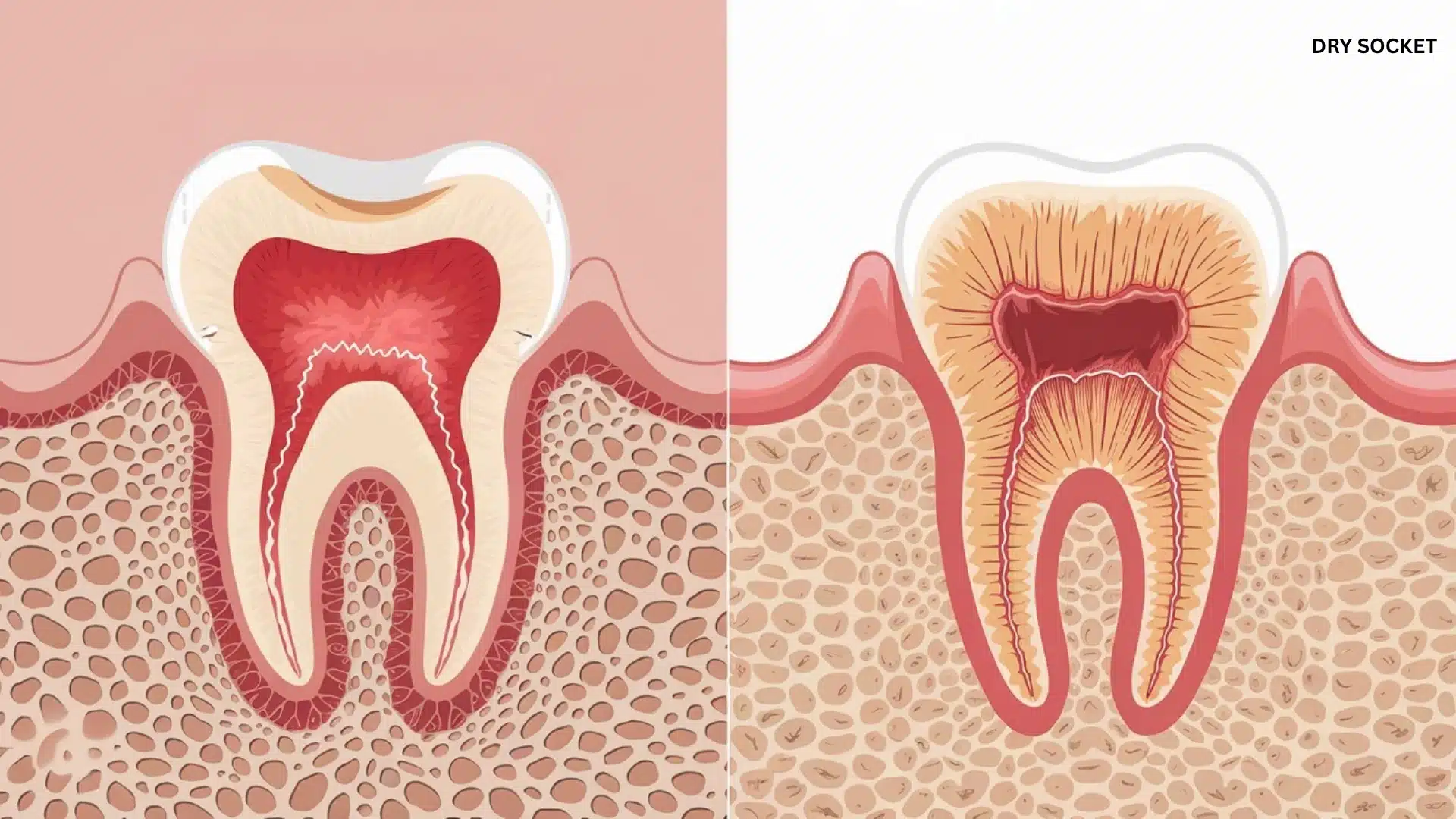
After a tooth extraction, a blood clot forms over the empty socket.
That clot is important; it protects the bone and nerves beneath while your mouth heals. Dry socket happens when the clot breaks down or falls out too soon.
The bone gets exposed. And that’s where the pain comes from.
A few things can cause this.
Smoking is one of the biggest triggers. Drinking through a straw, rinsing too hard, or touching the area can also dislodge the clot. Sometimes, it just happens, especially with lower wisdom teeth.
Women on birth control may also face a slightly higher risk.
Dentists refer to this condition as alveolar osteitis, but most people simply call it dry socket.
The First 48 Hours: What Matters Most
The first two days after extraction set the tone for the rest of your recovery.
Keep your head elevated even while sleeping. This reduces swelling and keeps blood clots from pooling around the socket. Eat only soft foods, such as yogurt, mashed potatoes, and soup.
Stay away from anything hot, crunchy, or chewy.
Skip the straw. Skip the cigarettes. Go easy when rinsing your mouth.
Small, careful choices in these 48 hours can keep that clot right where it needs to be.
A healthy extraction site typically begins to feel better within 3 to 5 days.
Risk Factors, Signs, and Symptoms
Dry socket has some clear warning signs. Knowing them early helps you act fast and avoid more pain down the line.
| Category | What to Know |
|---|---|
| Worsening Pain After Day Two | Pain spreads toward the ear, jaw, or face after 48 hours instead of easing. |
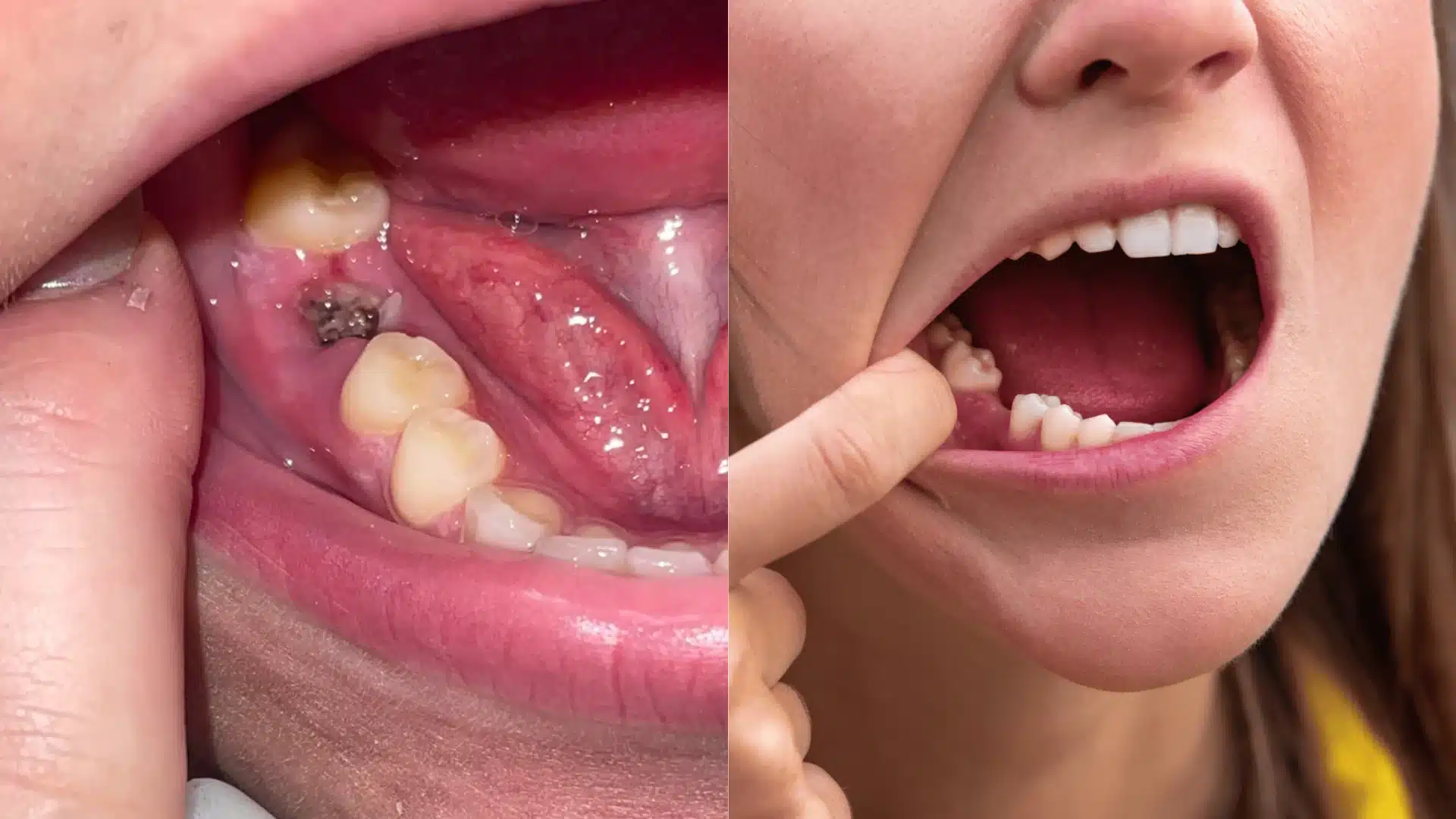
| Visible Bone or Empty Socket | No dark clot visible, just exposed bone sitting in the socket. |
| Bad Taste or Smell | An unpleasant odor indicates an exposed area that is not healing properly. |
| Smokers | Even one cigarette breaks down clots faster and slows blood flow. |
| Women on Birth Control | Higher estrogen interferes with clot formation after extraction. |
| Straw Use or Hard Rinsing | Pressure from sucking or forceful rinsing dislodges the clot too soon. |
| Previous Dry Socket History | Those who have had dry socket before are more likely to get it again. |
| Poor Oral Hygiene | Bacterial buildup around the extraction site increases the risk of complications. |
| Wisdom Tooth Extractions | Lower wisdom tooth extractions carry a higher risk than other extractions. |
Treatment for Dry Socket
Professional treatment is usually quick and clear. Your dentist will handle everything in the clinic.
Here’s what to expect:
Step 1: Your dentist cleans the socket to remove any food debris or bacteria sitting in the exposed area.
Step 2: A medicated dressing is packed into the socket. This provides rapid pain relief by directly covering the exposed bone and nerves.
Step 3: The dressing gets changed every few days until the socket starts healing properly.
Step 4: Your dentist may prescribe antibiotics if there are signs of infection alongside the dry socket.
Step 5: A follow-up visit is scheduled to check that healing is moving in the right direction.
Most patients feel significant relief within 24 hours of getting the dressing placed.
Dry Socket Self-Care Steps That Can Provide Relief
While professional treatment helps, there’s plenty you can do at home to manage the pain and support healing.
These self-care steps are simple, safe, and easy to follow.
1. Saltwater Rinse
Mix half a teaspoon of salt into a glass of warm water. Swish it gently around the socket; no forceful rinsing.
This keeps the area clean, reduces bacteria, and helps the healing process progress without further disturbing the socket. Do these two to three times a day, especially after meals.
2. Clove Oil Application
Clove oil contains eugenol, a natural numbing compound.
Dab a small amount onto a cotton ball and place it gently over the socket. It won’t fix the problem, but it can take the edge off the pain between dentist visits.
Use it sparingly; too much can irritate the surrounding tissue.
Eugenol is actually used in professional dental dressings; it’s not just a folk remedy.
3. Cold Compress
Hold a cold pack against your cheek for 15 minutes at a time. This helps bring down swelling and dulls the pain around the jaw area. Wrap the ice pack in a cloth. Never place it directly against your skin.
Repeat every few hours during the first couple of days.
4. Over-the-Counter Pain Relief
Ibuprofen works better than paracetamol for this type of pain as it also reduces inflammation.
Take it as directed on the label.
Don’t exceed the recommended dose, and always take it with food to protect your stomach.
If one dose isn’t enough, speak to a pharmacist before increasing it.
5. Soft Food Diet
Stick to foods that need little to no chewing.
Soups, scrambled eggs, and mashed vegetables are good options. Eating on the opposite side of your mouth also helps keep the socket area undisturbed while it heals.
Avoid hot foods, as they can increase blood flow and slow clot recovery.
6. Honey Dressing
Honey has natural antibacterial properties. Apply a small amount directly to the socket using a clean cotton swab.
It creates a protective layer over the exposed area and may help reduce pain and lower the risk of infection.
7. Black Tea Bag
Brew a black tea bag and let it cool down completely. Place it gently over the socket and bite down softly.
Black tea contains tannin compounds known to reduce inflammation and ease pain. Leave it in place for a few minutes and repeat as needed throughout the day.
Why Home Care Alone May Not Be Enough
Home care can ease the pain, but it doesn’t fix the root problem.
The exposed bone still needs proper medical attention to heal correctly. Without a medicated dressing placed directly in the socket, the pain often keeps coming back.
In some cases, an infection also develops, which no home remedy can treat.
If the pain persists after 2 days of self-care, it’s time to call the dentist. Don’t put it off.
What to Avoid at All Costs
Some habits can make dry socket much worse. Cut these out completely until your mouth heals.
- Smoking or using any tobacco product near the extraction site.
- Drinking through a straw, the suction pressure can reopen the socket.
- Rinsing your mouth too hard or too soon after treatment.
- Eating hard, crunchy, or chewy foods puts pressure on the area.
- Drinking alcohol or using alcohol-based mouthwash during recovery.
- Skipping follow-up dentist appointments even when pain starts to ease.
Pain vs Healing: What’s Normal and What’s Not
Most cases begin to improve within a few days of treatment. But sometimes, things don’t go as expected.
Watch out for fever, worsening swelling, or pus coming from the socket.
A bad taste that won’t go away even after rinsing is another warning sign. If the pain spreads further down your jaw or toward your ear, that points to a deeper problem.
Any of these signs means one thing: get back to your dentist straight away.
Recovery varies, but there’s a line between normal healing and issues.
| Category | Normal Healing | Not Healing Properly |
|---|---|---|
| Pain | Eases after day two | Gets worse after day two |
| Socket Appearance | Dark clot visible | Empty socket or visible bone |
| Swelling | Reduces after 48 hours | Keeps increasing |
| Taste | Neutral | Persistent bad taste |
| Fever | None | Present |
| Pain Location | Around the socket | Spreads to the ear or jaw |
| Response to Pain Relief | Medication helps | Little to no relief |
Supporting Healing Through Diet and Hydration
What you eat and drink plays a bigger role in recovery than most people realize. Here’s what to keep in mind:
- Drink plenty of water throughout the day to stay hydrated and keep the mouth clean.
- Eat on the opposite side of your mouth to keep the socket undisturbed.
- Avoid hot drinks, as they increase blood flow and can slow the healing process.
- Avoid acidic foods like citrus fruits and tomatoes, as they can irritate the exposed area.
- Get enough protein through eggs, soft fish, or lentil soup to support tissue repair.
- Avoid hard, crunchy, or sticky foods until your dentist gives you the all-clear.
Small changes to your daily eating habits can make a real difference to how quickly and comfortably you heal.
When to Call Your Dentist Immediately
Some situations can’t wait.
Call your dentist right away if you notice a fever or chills along with the mouth pain.
Swelling that spreads to your neck or cheek is a serious sign; don’t wait for that.
If you can’t open your mouth fully or if swallowing becomes difficult, that needs urgent attention. Bleeding that won’t stop after applying gentle pressure also warrants an immediate call.
These are not typical symptoms; they point to a more serious complication that needs professional care fast.
Pain or swelling alongside fever can indicate osteomyelitis, a bone infection that needs immediate treatment.
End Note!
Dry socket is painful, but it’s manageable.
The key is catching it early, taking the right dry socket self-care steps, and knowing when to get professional help. Keep the socket clean, eat carefully, and avoid pressure on the healing area.
Most people recover fully within a week or two with the right care.
But if the pain keeps pushing through despite everything you’re doing, don’t tough it out alone.
Book that dentist appointment. Your mouth will thank you for it.
Frequently Asked Questions (FAQ’s)
1. What is the Fastest Way to Get Rid of a Dry Socket?
Visit your dentist. A medicated dressing placed in the socket brings the fastest relief.
2. Why is Dry Socket so Painful?
Exposed bone and nerves lack protective coverings, making every sensation feel sharp and intense.
3. Is Dry Socket a Risk on Day 3?
Yes, day three is actually one of the most common times for dry socket to develop.
4. Why is Day 3 the Worst After a Tooth Extraction?
The clot is still fragile at this stage and most vulnerable to breaking down or falling out.
5. Can a Dry Socket Heal by Itself?
It can, but it takes much longer, and the pain throughout that process is major.