

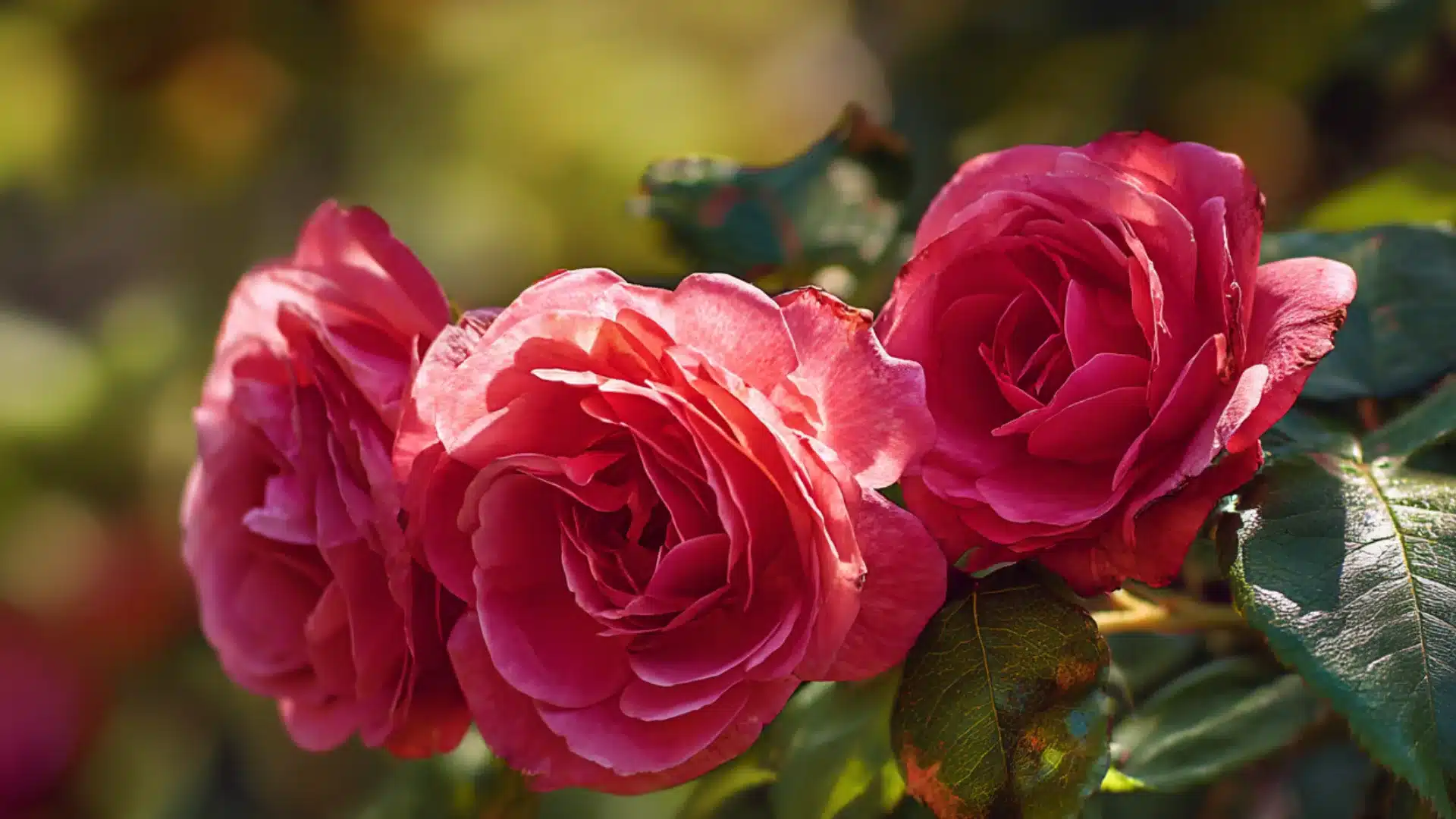
A rose bush with thick blooms and deep green leaves does not happen by accident.
It happens because someone got the basics right and kept at them. Small mistakes stack up fast with roses.
The wrong watering depth, pruning at the wrong time, and soil that holds too much moisture.
They all show on the plant eventually.
Rose bush care is not about doing more. It is about doing the right things at the right time.
What Every Rose Bush Actually Needs to Stay Alive?
Rose bushes are not complicated, but they are specific. They need full sun for at least 6 hours a day.
They need water that reaches the roots, not just wets the surface.
And they need soil that drains well, because sitting in soggy ground is one of the fastest ways a rose bush declines.
Most struggling rose bushes are not sick.
They are just planted in the wrong spot, watered the wrong way, or growing in soil that was never prepared properly.
Get these three things right, and rose bush care becomes far less stressful than most people expect.
Growing Conditions for Healthy Rose Bushes
Most planting mistakes happen before the rose ever goes into the ground.
The spot, the soil, and the watering habit built in those first few weeks stay with the plant for years.
1. Choosing the Right Location for Rose Bushes
Roses need 6 to 8 hours of direct sunlight daily.
Not filtered through a tree. Not reflected off a wall. Actual sun. Morning sun is the better pick because it dries the dew off leaves faster, which keeps fungal problems from settling in.
Keep at least 2 to 3 feet between each bush.
Spacing matters too. Roses packed too close trap heat and moisture between them, and that pocket is where disease starts.
2. Soil Requirements for Rose Bushes
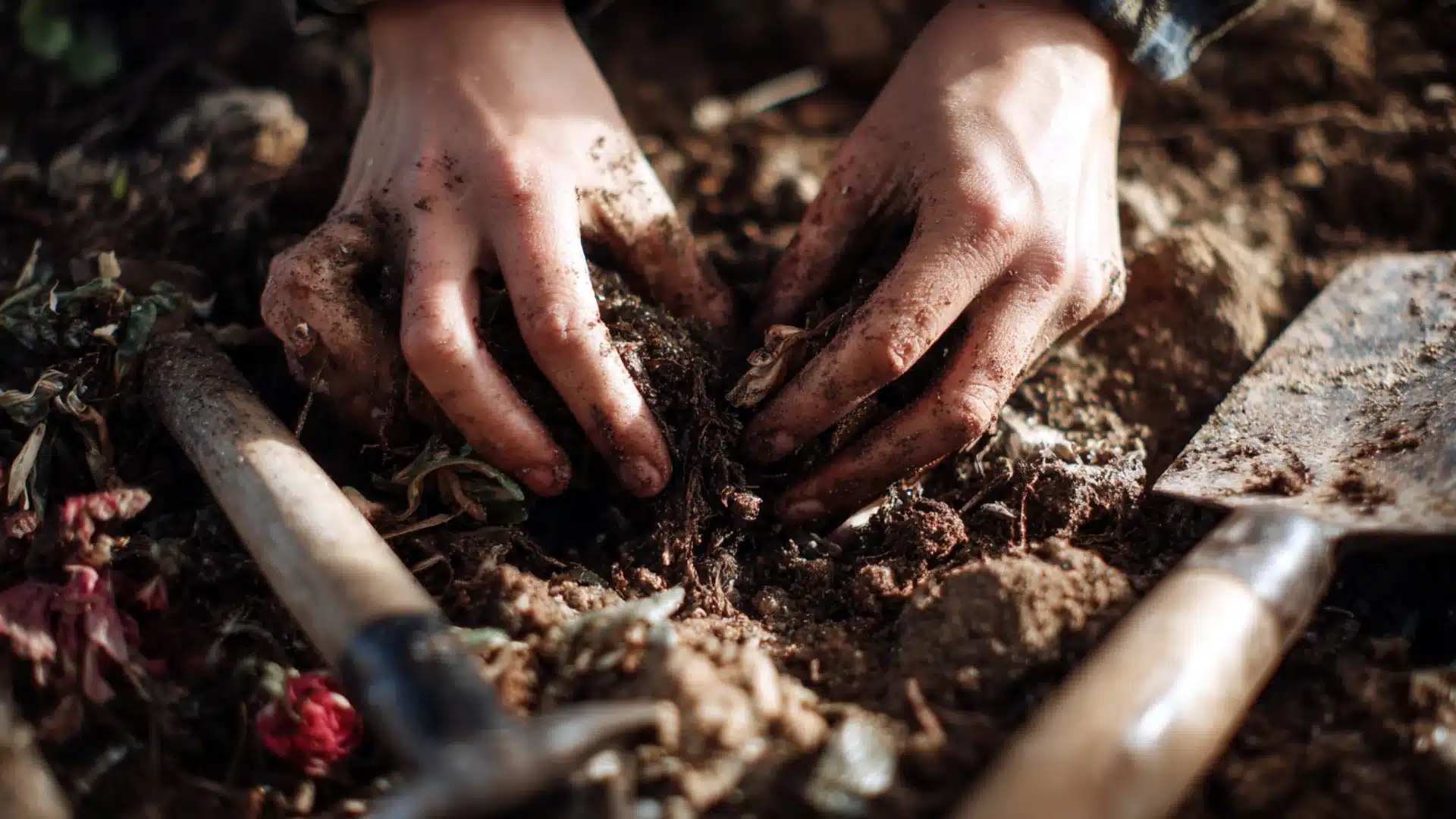
If water is still sitting around the base two hours after rain, the soil is too dense, and root rot is already a risk.
Roses also need a pH between 6.0 and 6.5. Above 7.0, the plant cannot absorb iron or magnesium, no matter how much fertilizer is applied.
Leaves turn yellow, growth slows, and feeding does not help until the pH is corrected.
Test the soil before planting. It takes five minutes and saves months of frustration. Work in 2 to 3 inches of compost before planting and top-dress every spring.
Yellowing leaves are not always a sign of a feeding problem. Check the pH first before buying fertilizer.
3. Water Rose Bushes Properly
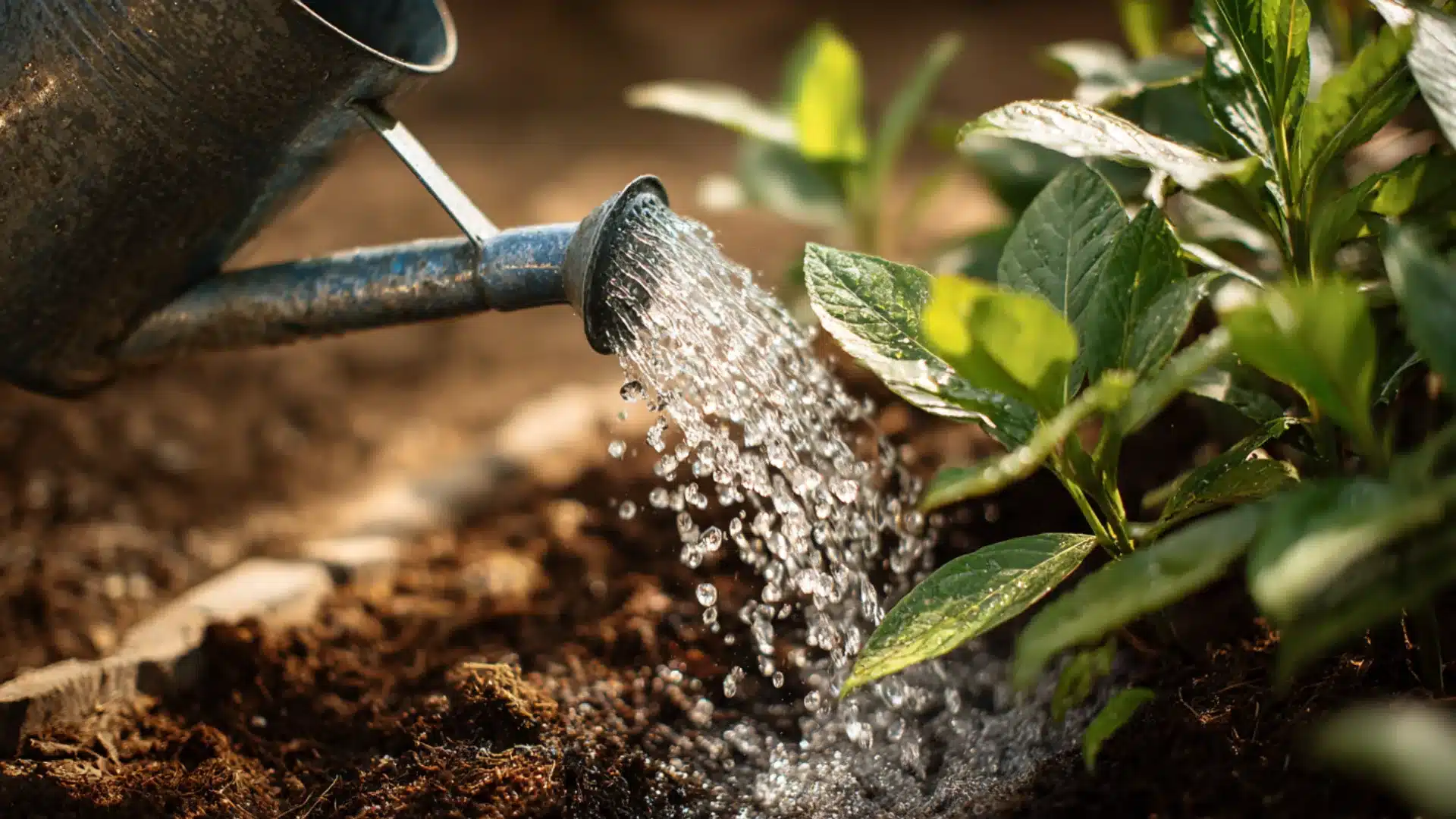
Daily light watering keeps roots shallow and the plant weak.
Water deeply two to three times a week, soaking at least 12 inches down. A slow drip at the base for 20 to 30 minutes does this properly.
Pull back in the fall. Ease off almost completely in winter for established bushes.
- Water at the base only. Wet leaves overnight is a straight path to fungal disease
- Check the soil two inches down before watering. Still damp, skip it
- Mulch 2 to 3 inches around the base to hold moisture and reduce how often watering is needed
Pruning Rose Bushes the Right Way
Pruning is not just cutting back dead wood.
Done at the right time with the right tools, it shapes the plant, improves airflow, and directly encourages the bush to produce more blooms.
Timing changes everything with pruning.
Cut too early, and a late frost damages the fresh cuts. Cut too late, and the plant has already pushed energy into growth that gets removed anyway.
| Rose Type | Best Time to Prune | Why |
|---|---|---|
| Hybrid Tea and Grandiflora | Late winter to early spring | Just as buds swell, before new growth opens |
| Climbing Roses | After the first bloom in summer | They bloom on old wood; early pruning removes flowers |
| Shrub and Landscape Roses | Early spring, light trim only | Heavy pruning weakens the natural shape |
| Deadheading (all types) | Throughout the blooming season | Removes spent blooms and pushes new ones |
| Dead or diseased wood | Any time of year | Never leave diseased growth on the plant |
When you spot forsythia blooms in the yard, it is time to prune most rose bushes.
How to Prune a Rose Bush?
Pruning can feel intimidating the first time, but roses are forgiving. Cutting into healthy wood never kills them. Work through it in order, and it gets straightforward fast.
Bypass pruners for stems up to pencil thickness.
Loppers for thick older canes. A pruning saw for very old woody growth that loppers cannot get through.
Heavy gauntlet gloves are non-negotiable, as thin garden gloves do not stop rose thorns
- Start with dead and diseased wood: Cut anything brown, black, or shriveled down to where the stem shows white or pale green inside. Still brown, cut further down.
- Remove crossing canes: Two canes rubbing together create wounds that let disease in. Remove the weaker one at the base.
- Open up the center: watch how canes grow inward. The goal is a vase shape with air moving freely through the middle.
For every live cut, find a bud pointing away from the center of the plant.
Cut at a 45 degree angle, a quarter inch above it. Finally, check the height. Hybrid teas go back to 12 to 18 inches in spring.
How to Care for Rose Bushes Through Every Season
Most gardeners pour energy into spring and completely forget that summer, fall, and winter shape how the plant performs the following year.
Each season has a short list of things to do and a short list of things to skip.
1. Spring
Spring sets the tone for the entire year.
As buds swell and temperatures climb, prune dead and crossing canes, apply a balanced fertilizer, and lay fresh mulch around the base.
Check soil pH before anything else!
Avoid: Fertilizing before testing pH. Spring yellowing is often a soil problem. Fix the pH first.
2. Summer
Summer is when rose bushes either perform or fall apart.
Water deeply two to three times a week and never let the soil dry out completely in a heat spell. Deadhead regularly to keep blooms coming.
If the plant starts dropping leaves or showing black spots, act immediately, as summer heat speeds the spread of fungal diseases.
Avoid: Overhead watering in summer as wet foliage triggers fungal disease fast. Check new growth weekly since aphids and spider mites peak this season.
3. In Fall
Fall is the season most people underestimate. The plant is winding down, but what happens now directly affects how it comes back in spring.
Stop deadheading six weeks before the first frost so the plant slows naturally. Cut back lightly, clear fallen leaves from the base, and let the bush move into dormancy on its own terms.
Avoid: Leaving leaf litter on the ground through fall. Black spot spores overwinter in fallen leaves and reinfect the plant come spring. Bin them, do not compost.
4. Winter
Most established rose bushes need very little in winter.
After the first hard frost, mound soil or mulch around the base to protect the roots. Leave the plant alone until buds begin to swell in late winter.
Avoid: Pruning in winter and overwatering dormant bushes. Wet roots in cold soil do quite a bit of damage that only shows up when spring arrives, and the plant underperforms.
The Bottom Line
Rose bushes do not need constant attention. They need the right attention at the right time.
Good soil, proper watering, timely pruning, and a quick check each season keep most problems from starting in the first place.
Consistency matters more than perfection!
Miss one watering or prune a week late, and the plant will be fine.
But build a simple routine and stick to it, and the results show up fast and stay.
Frequently Asked Questions
1. How Long Does it Take for a Rose Bush to Bloom After Planting?
Most newly planted rose bushes take four to six weeks to produce their first blooms, depending on the variety and growing conditions.
2. Can Rose Bushes Grow in Pots or Containers?
Yes, rose bushes grow well in containers as long as the pot is at least 15 inches deep, has drainage holes, and gets six or more hours of direct sun daily.
3. What is the Best Mulch for Rose Bushes?
Wood chips, shredded bark, or compost work best because they hold moisture, regulate soil temperature, and slowly break down to feed the soil.