

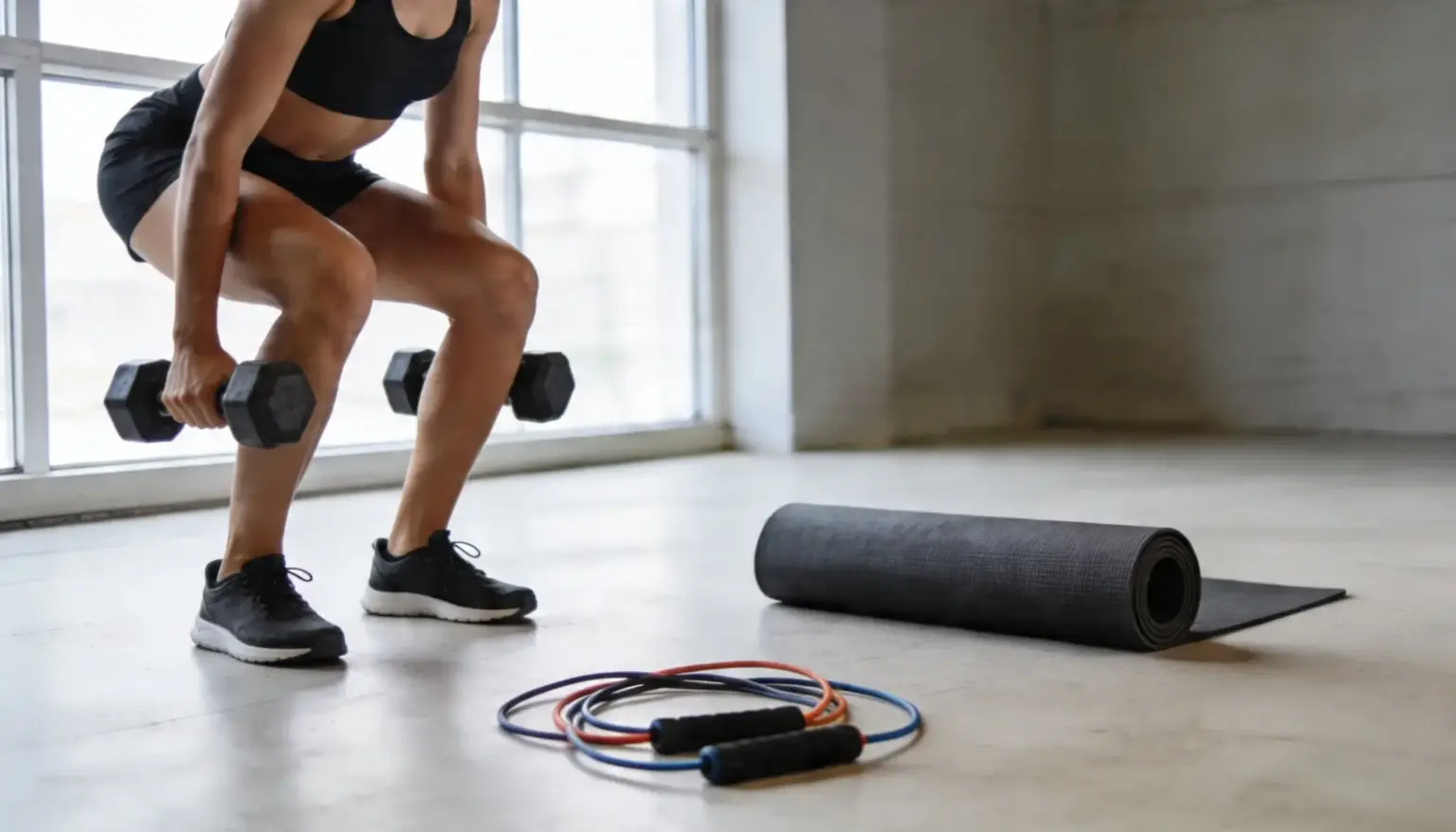
Most people stick to the same workout, week after week, and then wonder why they stop seeing results.
Sound familiar? The truth is, the body gets comfortable fast. And comfortable does not mean progress.
There are so many types of workouts out there that can build strength, improve stamina, and boost flexibility.
The right mix makes all the difference.
This breaks down popular types of workouts in a straightforward, practical way so anyone can find what actually works for them and start seeing real changes.
What are the Different Types of Workouts?
Not all workouts are created equal.
Some build muscle, some improve heart health, and some help the body recover and move better.
The term “types of workouts” simply refers to the different training styles and methods people use to reach their fitness goals.
Mixing different types of workouts keeps the body guessing.
It builds strength, improves endurance, and gives muscles the recovery time they actually need.
The body adapts quickly, and progress slows down. That’s where variety comes in.
Types of Workouts at the Gym
1. Strength Training
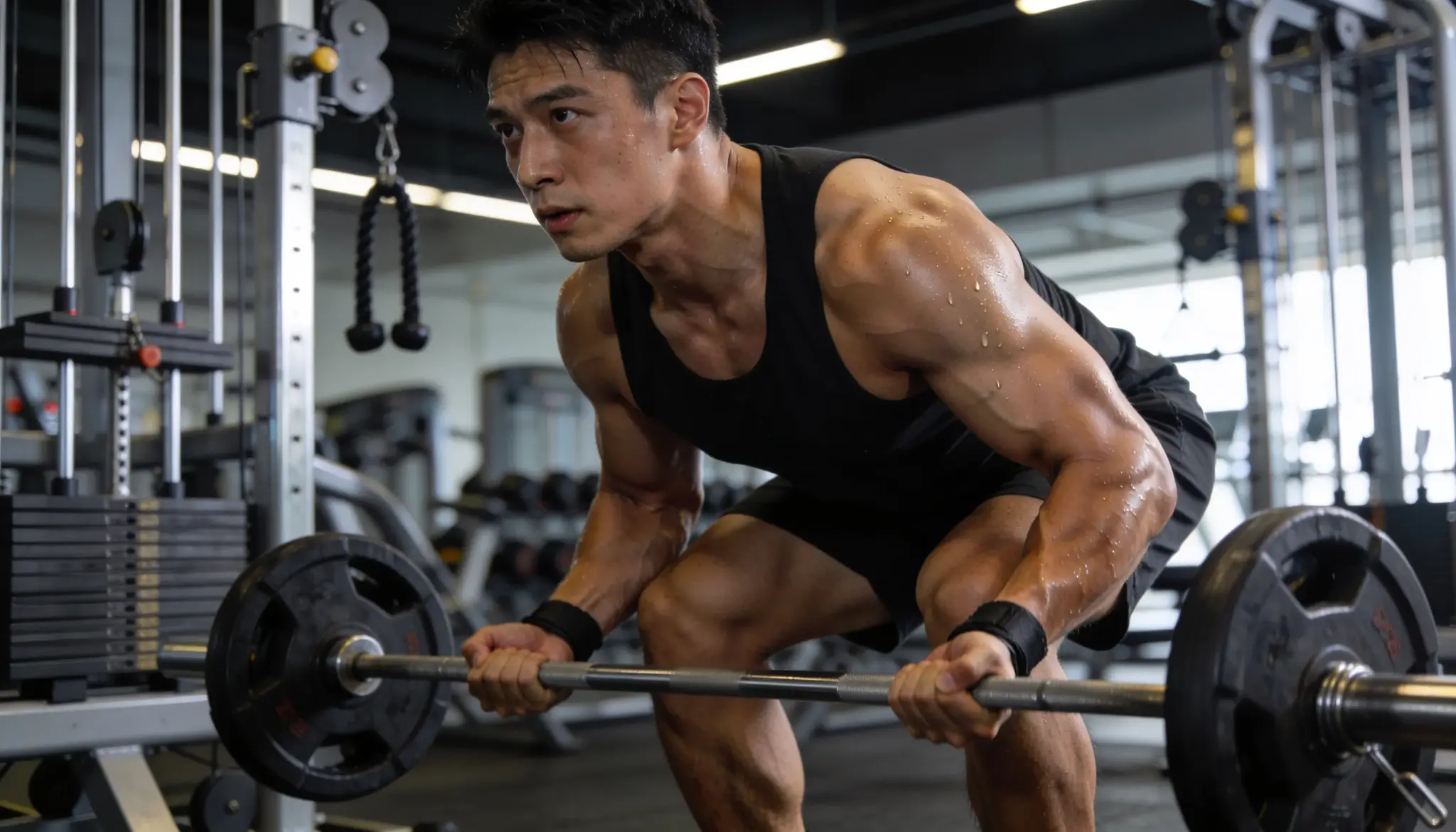
Building muscle does not happen by accident. Strength training puts controlled stress on the muscles, and during rest, they repair and come back stronger.
It is one of the most researched and proven types of workouts for long-term health.
At the gym, barbells, cable machines, and weight stacks open up more options than most home setups can match.
Tip: Focus on form before adding weight. A clean rep with lighter weight beats a sloppy one with heavy plates every single time.
2. Cardio Training

Cardio is any activity that raises the heart rate and keeps it elevated for a sustained period.
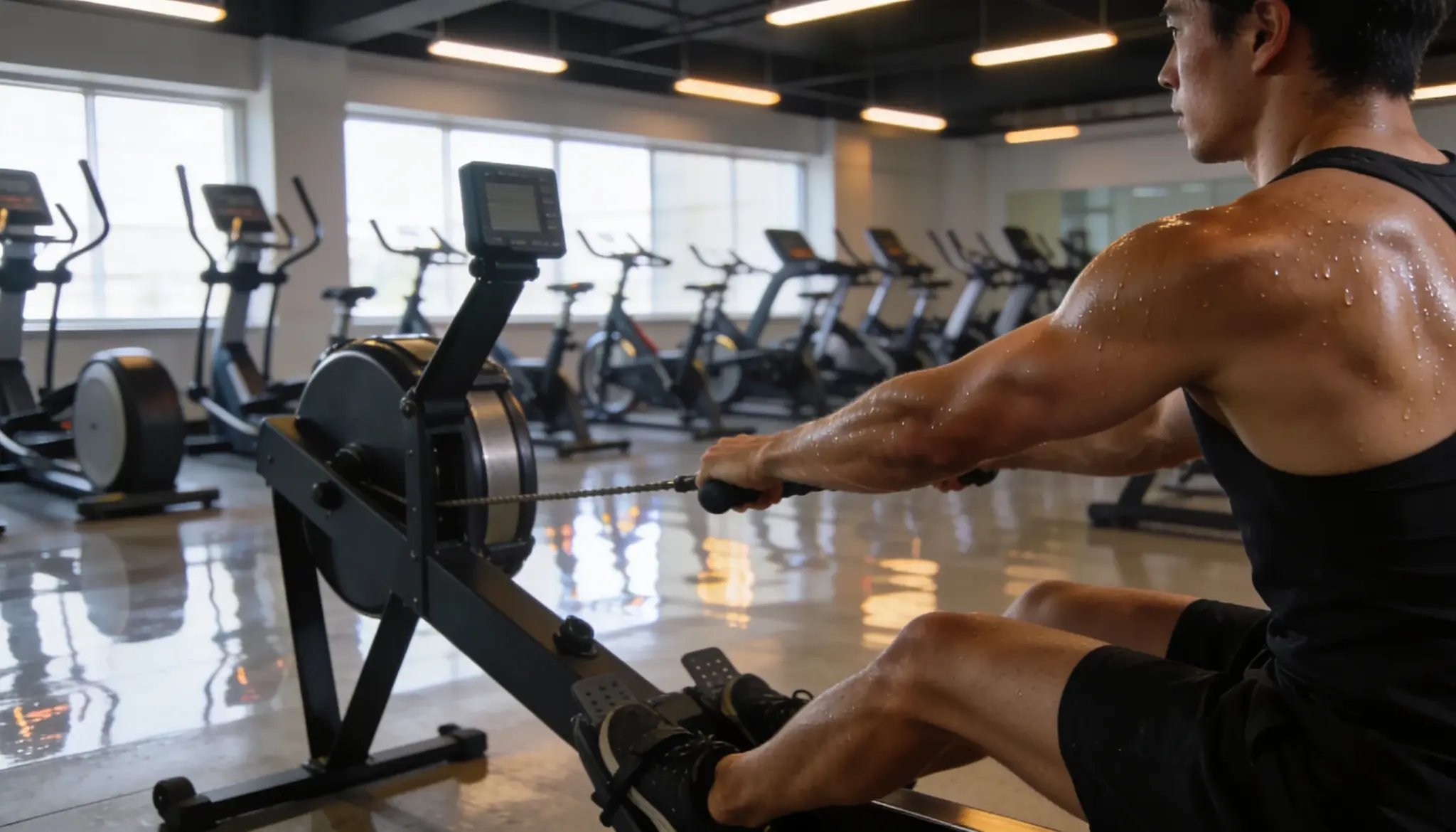
At the gym, machines like ellipticals, rowing machines, and stationary bikes make it easy to control intensity and track progress.
The American Heart Association recommends at least 150 minutes of moderate cardio per week. Just over 20 minutes a day.
Caution: Relying only on cardio without strength work can lead to gradual muscle loss over time. Pairing both gives far better results.
3. HIIT Workouts
Short. Intense. Effective.
High-Intensity Interval Training alternates between hard effort and short recovery periods.
A typical session lasts 15 to 30 minutes yet delivers results that longer steady workouts often cannot match.
The gym setting adds equipment such as battle ropes, assault bikes, and sleds, taking HIIT to another level entirely.
What to avoid: Doing HIIT every day. Two to three sessions per week is the sweet spot. Beyond that performance drops fast.
4. CrossFit Programs
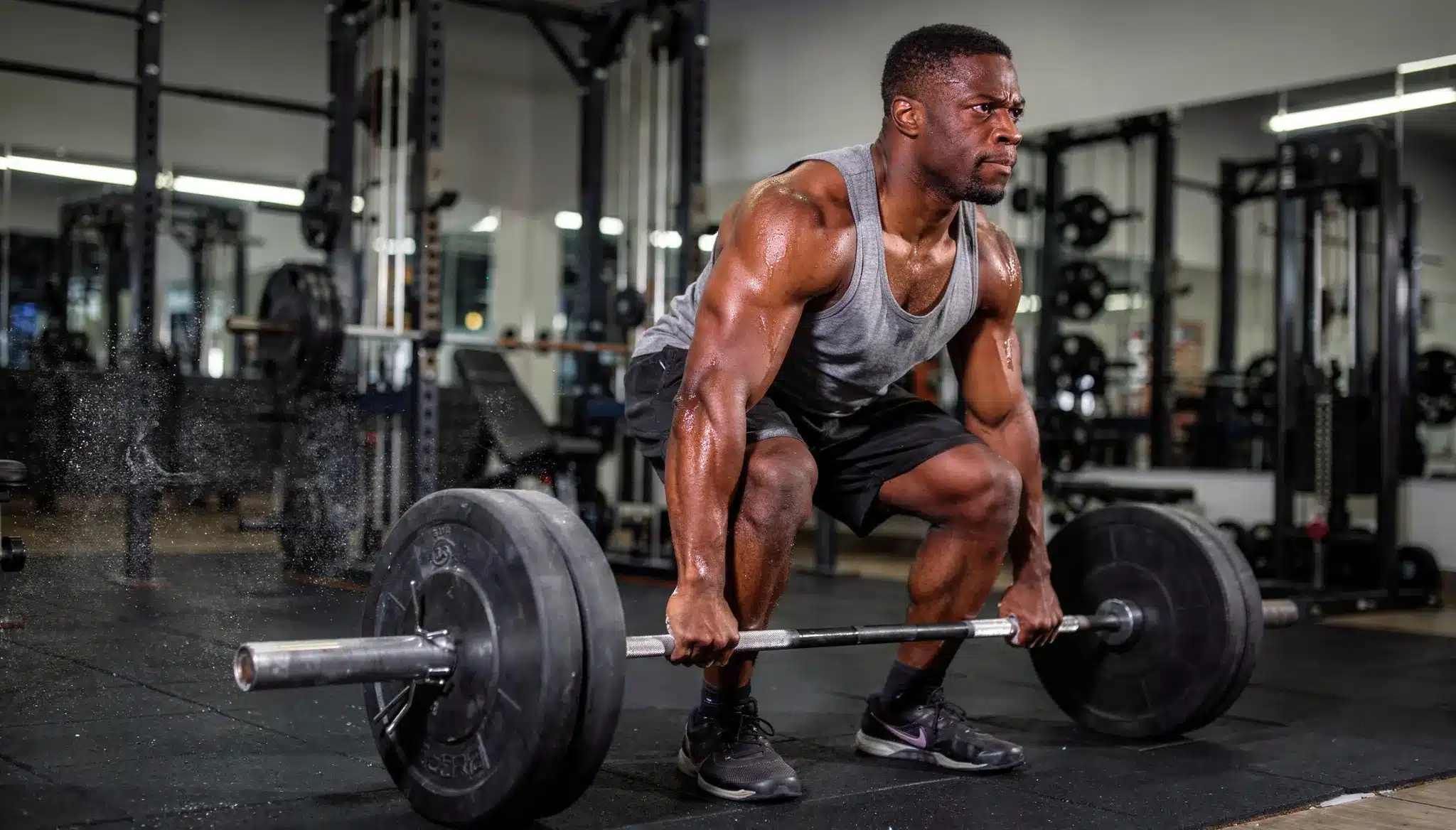
CrossFit combines strength, cardio, and endurance into one high-energy session. Workouts are short, intense, and change daily.
The community aspect is strong, and that shared effort is a big reason people stick with it long term.
CrossFit training takes place in a dedicated gym, or “box,” with a coach guiding every session.
Best suited for people who:
- Enjoy high energy, group-based training
- Want structured programming without planning their own sessions
- Are comfortable with a learning curve on technique
Caution: Warming up properly is non-negotiable. Jumping in cold significantly raises injury risk.
5. Circuit Training
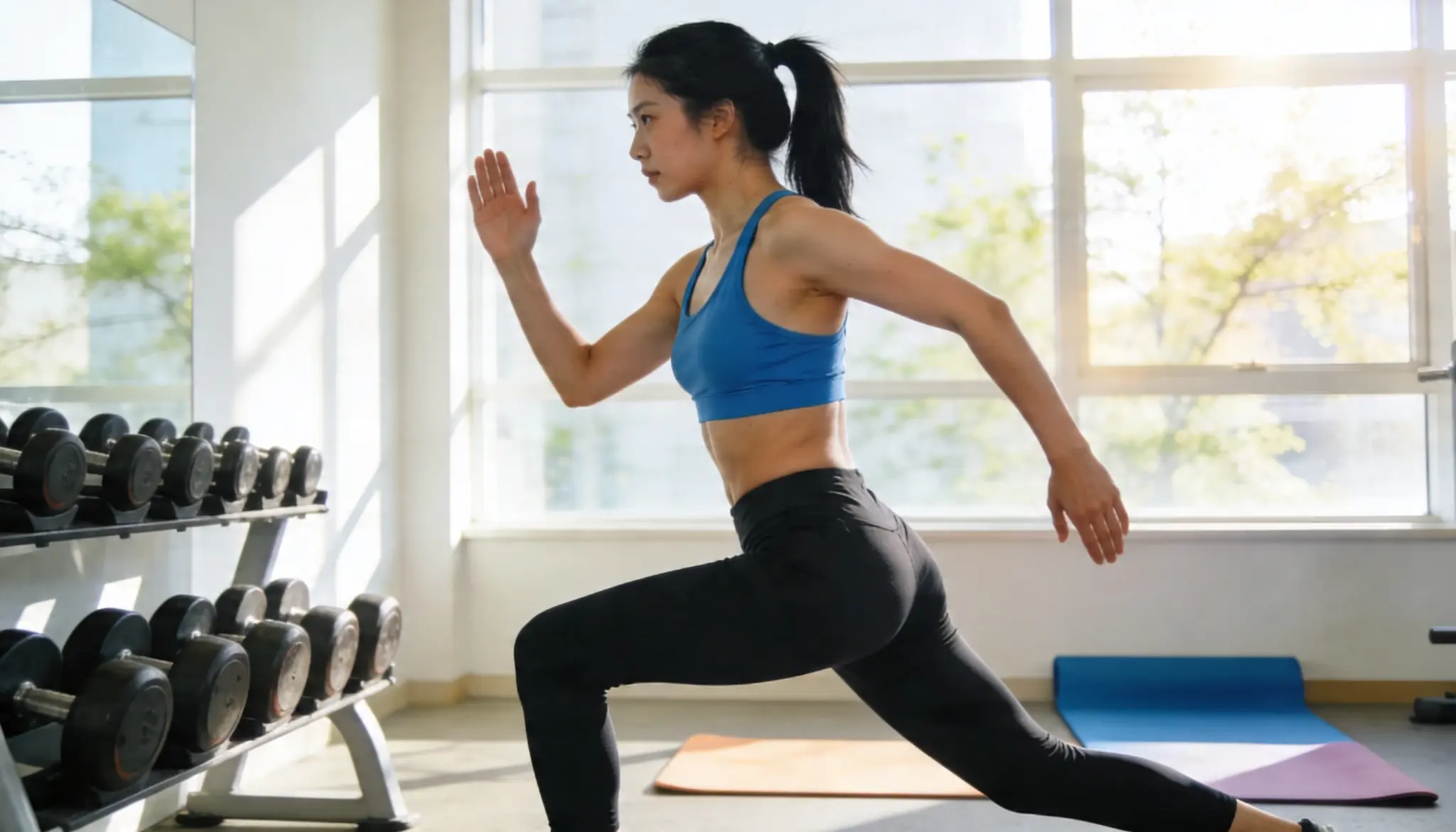
Move through a set of exercises back to back with minimal rest. Keep the heart rate up. Work multiple muscle groups in one go.
At the gym, adding weights, cables, and machines increases resistance and variety in each circuit.
A 30-minute session can cover strength, cardio, and muscular endurance simultaneously.
What to avoid: Stringing too many exercises together. Six to eight well-chosen movements beat a messy fifteen-exercise loop every time.
6. Endurance Workouts

Endurance training builds the body’s ability to sustain effort over extended periods.
At the gym, treadmills, rowing machines, and stationary bikes allow for controlled, measurable sessions regardless of weather or location.
What consistent endurance training builds:
- A stronger, more efficient heart
- Better energy levels throughout the day
- Improved mental resilience during challenging efforts
Caution: Adding more than 10% to weekly volume at a time is one of the most common causes of overuse injuries. Build slowly.
Types of Workouts at Home
7. Yoga Practice
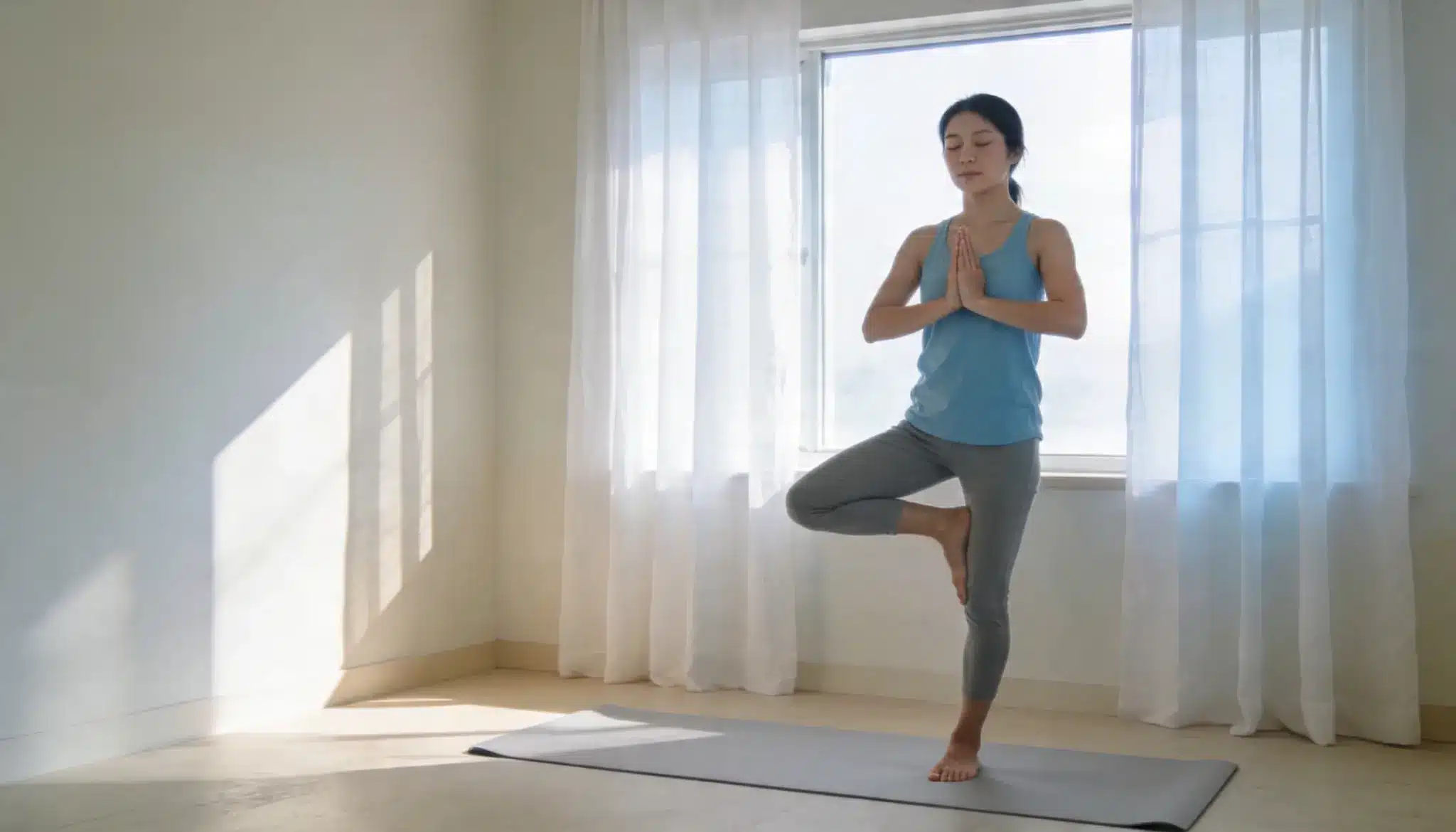
Yoga builds flexibility, yes. But it also strengthens stabilizer muscles, improves balance, and genuinely helps with stress management.
The breathing techniques alone make a difference in how the body handles tension.
Yoga styles worth knowing:
- Hatha Yoga is slow-paced and great for beginners
- Vinyasa Yoga flows quickly between poses and gets the heart rate up
- Yin Yoga involves long, held stretches and is perfect for recovery days
- Power Yoga builds strength and is more physically demanding
Tip: Morning yoga, even just 15 minutes, sets a calmer, more focused tone for the rest of the day.
8. Pilates Sessions
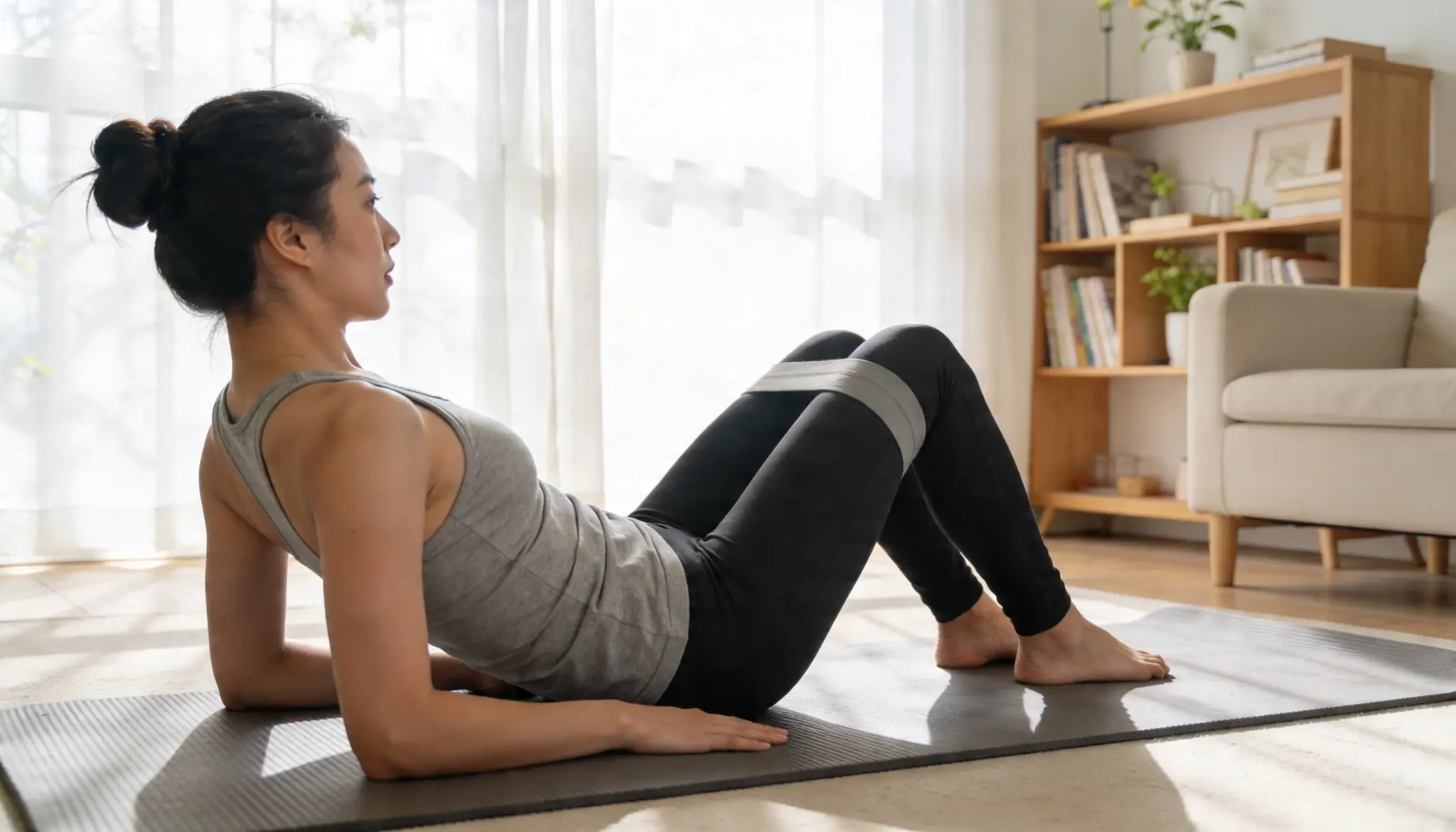
Most core exercises work muscles in isolation. Pilates trains the entire body to move as one unit, using the core as the anchor for every movement.
Better posture, improved body awareness, and functional strength that carries into daily life.
Mat-based Pilates requires no equipment, making it one of the most practical home workouts available.
Well suited for:
- People recovering from injury
- Those avoiding joint stress
- Anyone correcting posture from long hours of sitting
Avoid this: Rushing through movements. Pilates is built on control and precision. Speed removes the benefit completely.
9. Functional Training
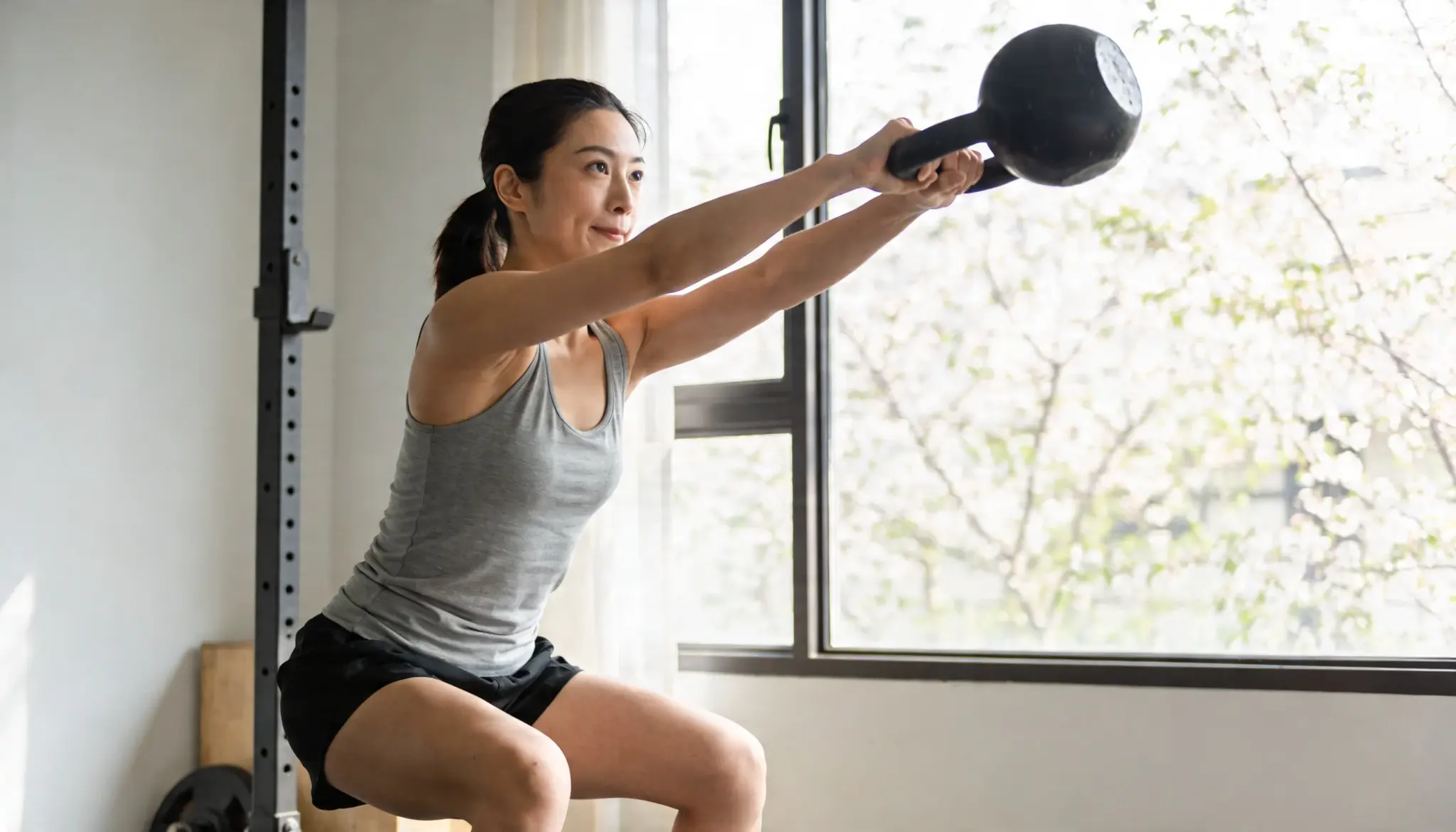
Bending to pick something up. Reaching overhead. Carrying bags. Climbing stairs.
Functional training is built around these exact daily movement patterns. Squats, deadlifts, kettlebell swings, farmer carries.
At home, resistance bands and kettlebells are enough to build genuine practical strength.
Tip: If a movement mirrors something done in daily life, it is almost certainly functional. That is the easiest way to identify it.
10. Bodyweight Exercises
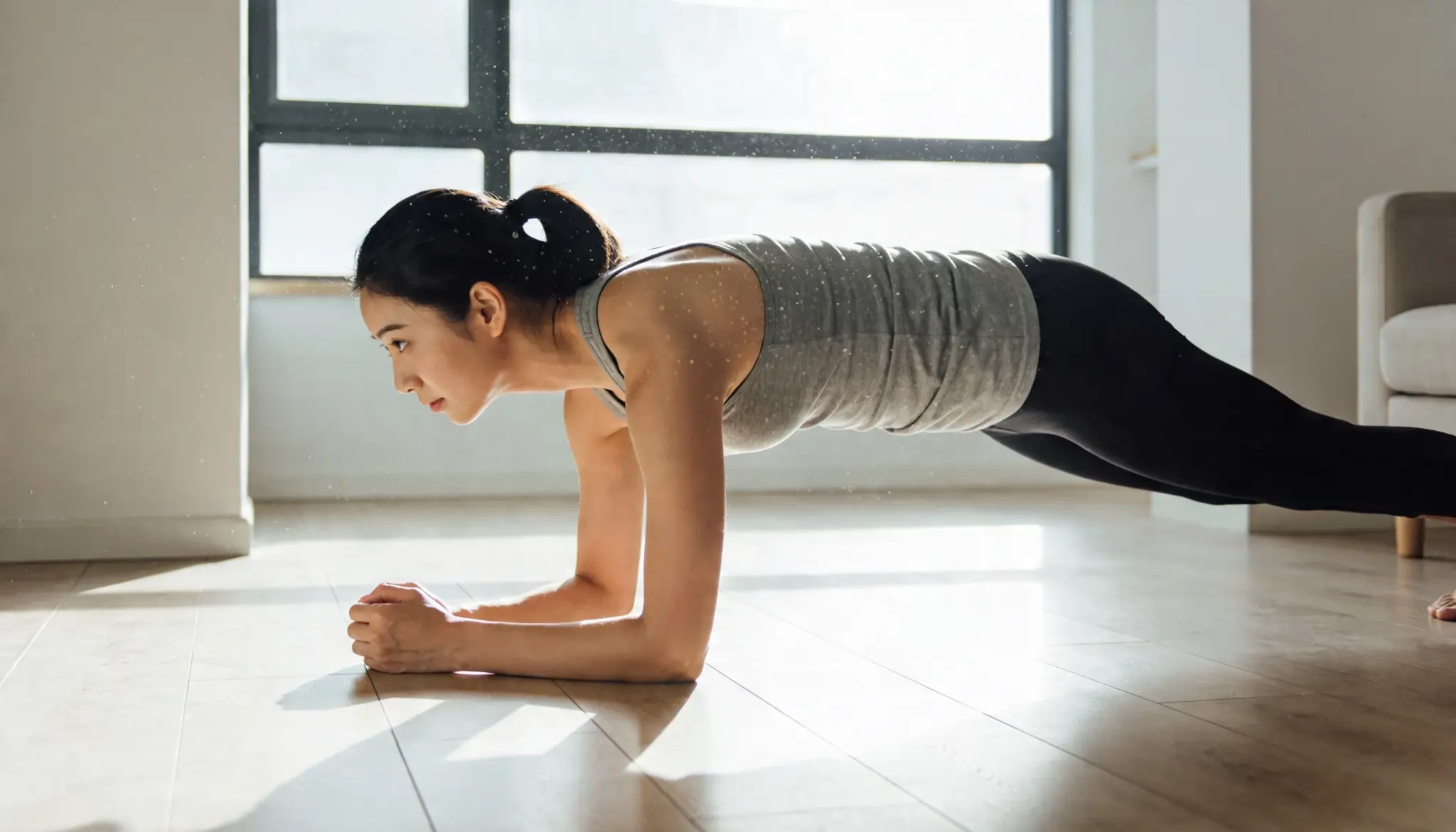
No gym. No equipment. No excuses.
Bodyweight training uses the body itself as resistance. These movements have built strong, capable bodies long before machines existed.
What you can do:
- Push-ups for chest, shoulders, and triceps
- Squats and lunges for legs and glutes
- Planks and hollow holds for core stability
- Pull-ups for upper body strength
The difficulty scales far beyond basic repetitions. Most people do not realize that until they try.
Tip: Changing tempo or angle is more effective than simply adding reps. A slower movement demands far more control and muscle engagement.
11. Dance Fitness

This one barely feels like exercise. That is exactly the point.
Formats like Zumba, hip-hop cardio, and aerobic dance combine music and movement to make an hour fly by.
Coordination improves, calories burn, and mood lifts almost immediately.
Online platforms have made home sessions incredibly easy to access and follow along with.
Caution: Dance fitness can be surprisingly tiring despite feeling light. Supportive footwear and hydration matter more than most people expect.
12. Mobility Training
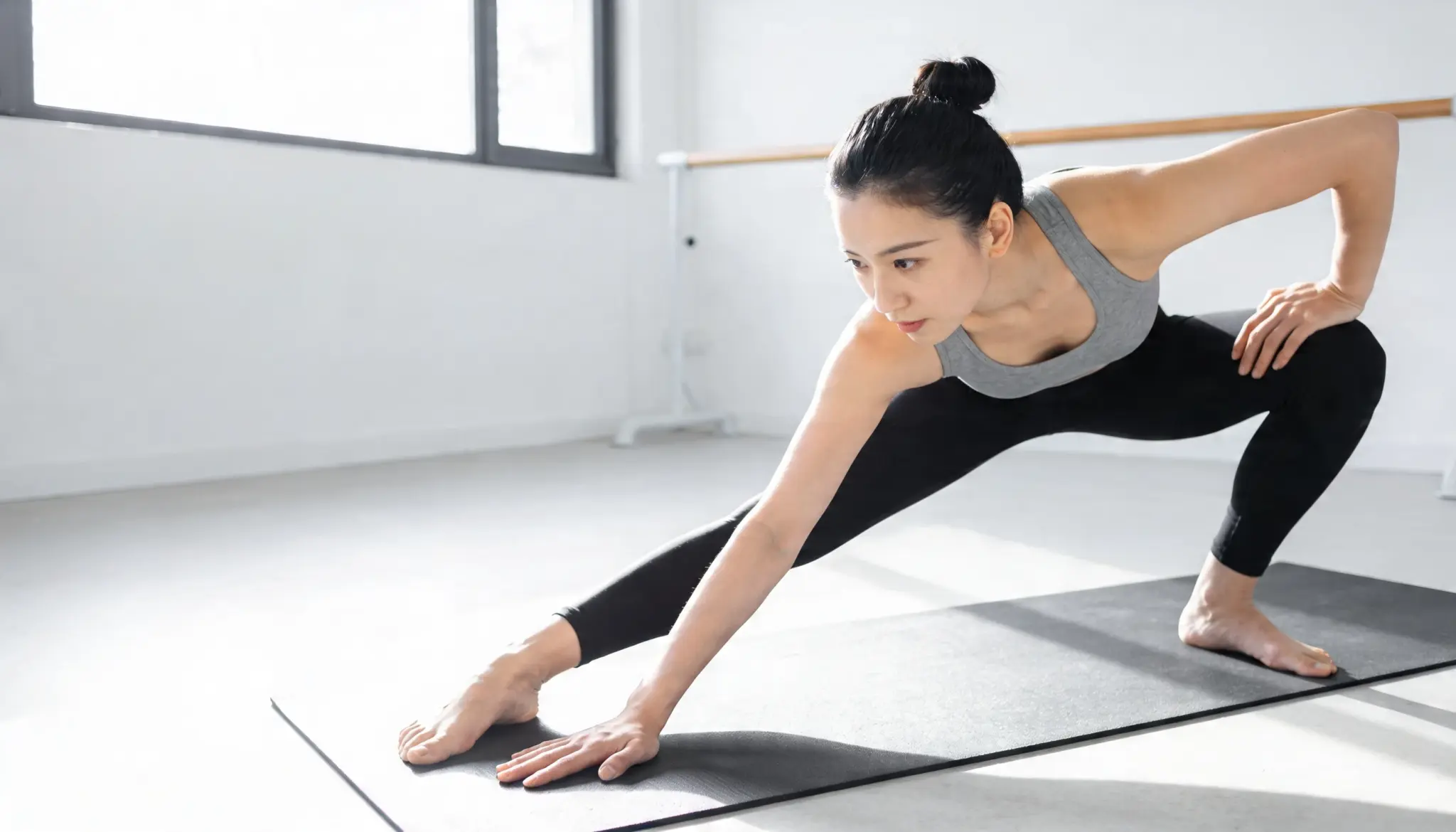
Mobility training is the most overlooked type of workout on this list. And that is a problem.
Flexibility is the ability of a muscle to stretch.
Mobility is the ability to control movement through a full range of motion.
One is passive. The other is active. Both matter, but mobility directly affects how well every other workout feels and performs.
Poor mobility leads to compensations. Compensations lead to injury. Injury leads to time off. It is a cycle that consistent mobility work can prevent entirely.
Even 10 minutes before or after a session makes a real difference over time.
Tip: Hip circles, thoracic rotations, and ankle mobility drills are three of the highest-value mobility exercises for most people. Start there..
13. Sports Based Fitness

Not everyone wants a structured plan. And that is completely valid.
Sports like football, badminton, basketball, and tennis deliver cardiovascular conditioning, agility work, and coordination training wrapped into something that genuinely feels like fun.
Footwork drills and sport-specific movements can also be practiced at home in a small space.
Tip: Pairing a sport with one dedicated strength or mobility session per week supports the body and reduces the risk of overuse injuries that come from repetitive sport-specific movements.
How to Pick the Right Workout for Your Goals
Honestly, I spent way too long doing whatever workout looked good on Instagram.
One week HIIT, the next a 75-day challenge. I even convinced myself that yoga was not a real workout.
What actually helped was asking one honest question. What do I actually want from this?
Weight Loss
- Cardio alone got boring fast, and results slowed down after a few weeks
- Adding two strength sessions a week changed everything
- The body responded in ways that cardio alone never managed
Muscle Gain
- Jumping between programs every two weeks does nothing
- Picking one thing and sticking with it is what actually moves the needle
- I learned that the hard way
Stress Relief
- A long walk or yoga session does more for my head than any intense workout
- Sometimes the body needs effort. Other times it just needs movement
- Learning to tell the difference changed everything
What my week roughly looks like:
- Two strength sessions
- One cardio day, usually a run
- One yoga or mobility session
- One day of something enjoyable, a sport or dance workout
- Real rest when the body asks for it
How to Build a Balanced Workout Routine That Fits Your Life
Building a routine does not need to be complicated.
Three things need to show up somewhere in the week: strength, cardio, and flexibility. Not perfectly. Just consistently.
| Pillar | Why It Matters | How Much |
|---|---|---|
| Strength | Builds muscle, supports metabolism | 2 sessions a week |
| Cardio | Heart health, energy, calorie burn | 1 to 2 sessions a week |
| Flexibility | Recovery, joint health, movement quality | 10 to 15 mins daily or one full session |
The routine should fit the life. Not the other way around. If something stops working, adjust it. Swap sessions, cut intensity, add rest.
Progress is not linear, and the plan does not have to be rigid.
Conclusion
There is no single perfect workout. And that is the best part.
All the different types of workouts covered here, strength, cardio, yoga, HIIT, dance fitness, every one brings something different to the table.
The body responds best when challenged in multiple ways. That is just how progress works.
If something on this list caught your attention, try it. Not because it has to stick forever, but just to see how it feels. Some types of workouts will work.
Others will not. Both outcomes are fine. The only real mistake is waiting for the perfect plan before starting.
Pick one. Start this week. Adjust as needed.
Frequently Asked Questions
1. How Long Should a Workout Session Last?
Most effective sessions range from 30 to 60 minutes, depending on intensity and training style.
2. Is it Okay to Work Out on an Empty Stomach?
It depends on the person, but light training on an empty stomach works well for most.
3. How Soon Will Results Start Showing?
Most people notice initial changes in energy and strength within two to three weeks of consistent training.
4. Can Two Different Workout Styles Be Combined in One Session?
Yes, pairing strength with mobility work or cardio with stretching in one session is completely effective.
5. Does Age Affect Which Workout Type is Best?
Age influences recovery time and joint stress, so older individuals often benefit more from lower impact training styles.