

Most people hear guard numbers and assume they are simple barber terms.
In reality, they control the exact length of your haircut.
Once I understood how they worked, I stopped describing haircuts as “short” and started thinking in measurements.
That small shift made every haircut more predictable.
In this haircut guard guide: no. 3, 4, 5, and 7 lengths explained, I will clearly explain what each number means so you can choose confidently.
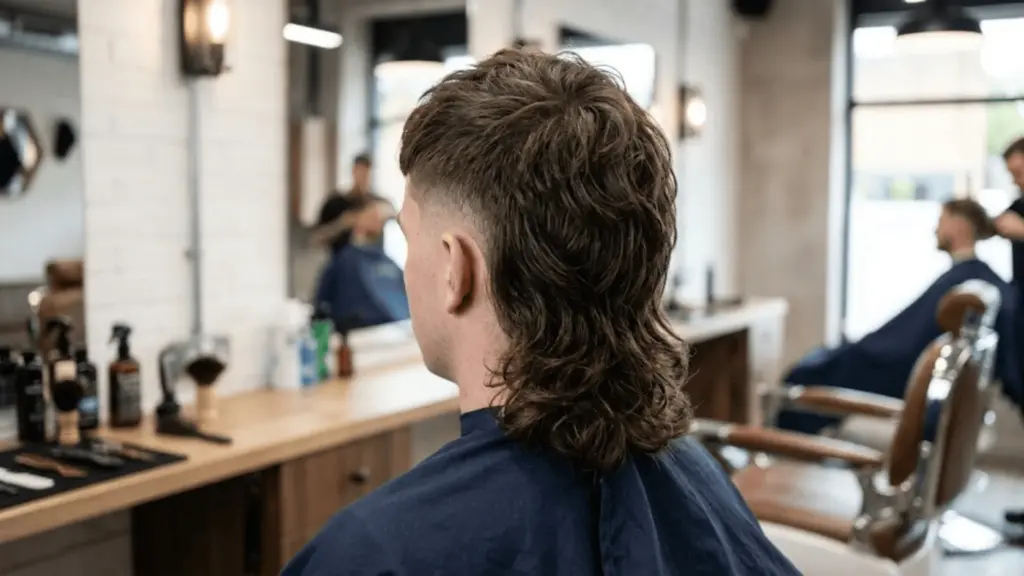
Do Guard Numbers Affect Mullets?
Yes, guard numbers play a major role in shaping a mullet.
The balance between shorter sides and the longer back section depends on the clipper length chosen.
Smaller guard numbers create stronger contrast and a sharper finish, while higher numbers give a smoother, more gradual blend.
Even a slight adjustment can change the overall vibe from edgy to subtle.
If you are unsure which approach works best, reviewing different mullet styles can help you see how guard choices influence the final look.
How Guard Numbers Work in Fades?
Guard numbers are essential in fade haircuts because fades rely on gradual transitions between lengths.
A barber may use a No. 7 on top, blend into a No. 5, move into a No. 4, and finish with a No. 3 near the neckline.
Lower numbers create stronger contrast, while higher numbers create softer blends.
If you are planning a fade mullet, knowing the types of mullets becomes essential for you because that can help you understand how blending changes the overall shape.
No. 3, 4, 5, and 7 Lengths Explained
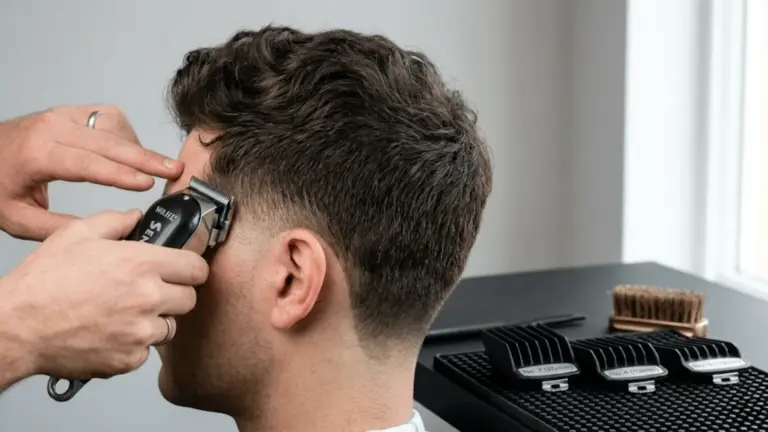
Clipper guards are attachments placed on electric clippers to control how much hair remains after cutting.
Each guard number represents a fixed measurement. In most standard systems, the numbers increase in one-eighth-inch increments.
The basic rule is simple. Lower numbers leave hair shorter, while higher numbers leave more length. Although one eighth of an inch sounds minor, it creates a noticeable difference once applied.
Here is a simple comparison table to make the differences easier to understand.
| Guard Number | Length (Inches) | Length (Millimeters) | Overall Look |
|---|---|---|---|
| No. 3 | 3/8 inch | 9–10 mm | Short and clean |
| No. 4 | 1/2 inch | 12–13 mm | Balanced and fuller |
| No. 5 | 5/8 inch | 15–16 mm | Visible texture |
| No. 7 | 7/8 inch | 22 mm | Fuller length with styling flexibility |
When I first compared these measurements, I realized how much impact such small increments actually have.
What a No. 3 Guard Looks Like
A No. 3 guard leaves approximately three eighths of an inch of hair. This length appears neat, short, and structured. It is often used for buzz cuts and tighter fades.
From experience, hair thickness changes how this guard appears. Thick hair may still look slightly full, while thinner hair may appear closer to the scalp.
This guard works well if you prefer minimal styling and a clean finish.
If you are unsure about going that short, starting longer is usually safer.
Understanding the No. 4 Guard
The No. 4 guard leaves about half an inch of hair.
That additional one eighth of an inch softens the appearance compared to a No. 3. The haircut feels less sharp and more balanced.
When I switched from a No. 3 to a No. 4, the difference was subtle but noticeable. The style looked fuller without losing structure.
This guard is commonly chosen for professional settings because it keeps hair short without appearing too aggressive.
How the No. 5 Guard Changes the Look
A No. 5 guard leaves five eighths of an inch of hair. At this length, the hair begins to show more natural texture and movement. It no longer resembles a buzz cut and allows light styling.
Barbers frequently use No. 5 when blending between shorter sides and longer top sections.
It is useful if you are growing out a shorter cut but still want a controlled shape. The added length creates a softer appearance.
What Makes the No. 7 Guard Different
A No. 7 guard leaves approximately seven eighths of an inch of hair.
This length moves closer to a short scissor cut than a buzz cut. The hair maintains visible volume and responds well to light styling.
If you want noticeable length without committing to long hair, this guard provides balance. At this stage, blending becomes more important because transitions are easier to see.
Do Guard Numbers Look the Same on Everyone?
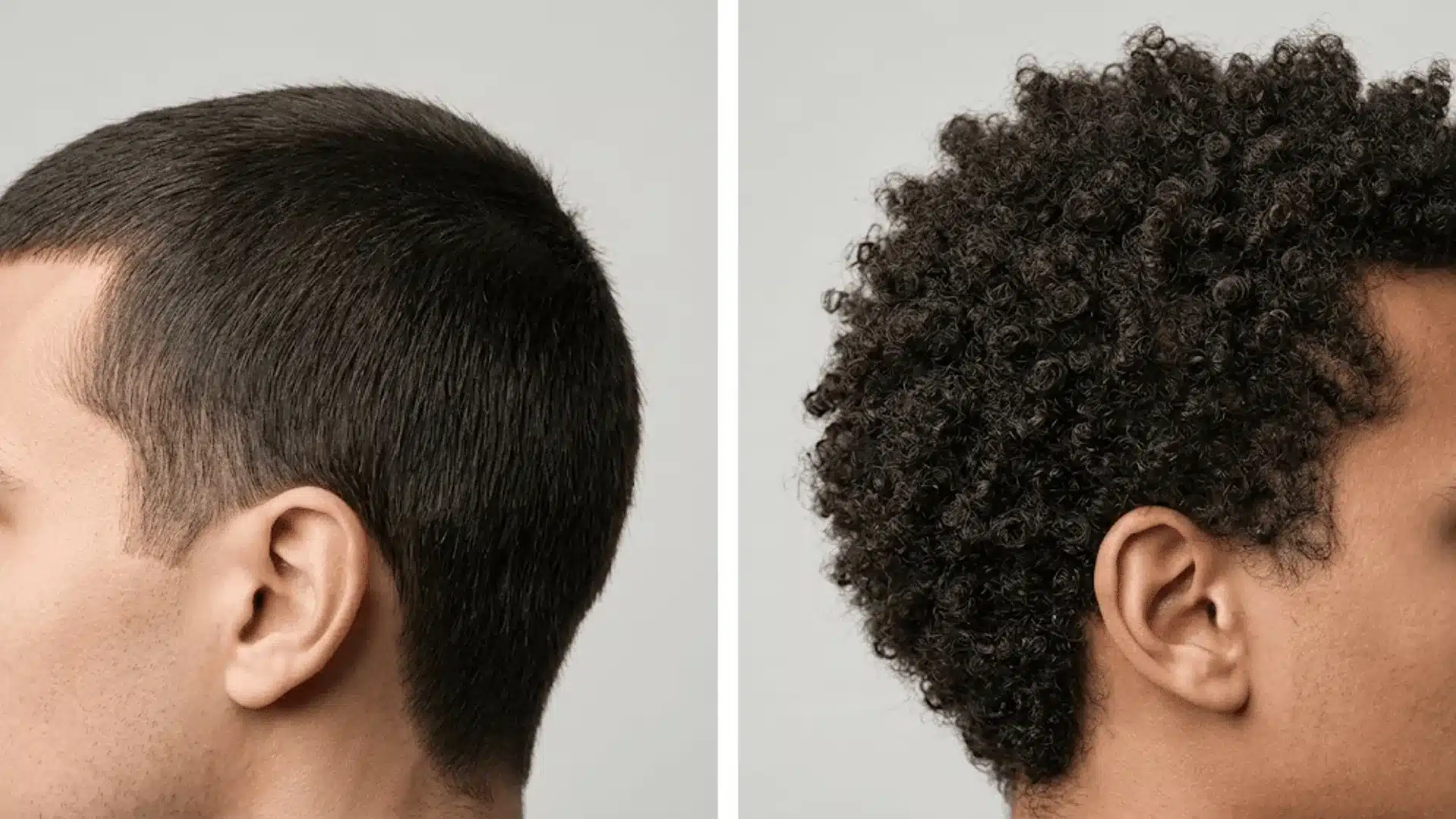
No, guard numbers do not look identical on every person.
Hair thickness, density, and curl pattern all influence the final appearance. The same No. 4 may look fuller on one person and shorter on another.
Curly hair also shrinks once dry, which can make it appear shorter than straight hair at the same measurement.
Because of these differences, beginning with a slightly longer guard is often the safest approach.
Conclusion
Once I understood how guard numbers truly worked, I stopped feeling uncertain during haircuts.
The difference between No. 3, No. 4, No. 5, and No. 7 may seem small, but those measurements shape the entire outcome.
This haircut guard guide: no. 3, 4, 5, and 7 lengths explained shows that clarity removes confusion.
When you understand length and blending, you can communicate clearly and walk away with the exact haircut you intended.
Frequently Asked Questions
What do the Lengths of Clipper Guards Mean?
Clipper guard lengths show how much hair remains after cutting. Each number represents a fixed measurement, usually increasing by one eighth inch, which directly controls how short or full your haircut looks.
What is the Difference Between a Number 3 and Number 4 Haircut?
A number 3 leaves about 3/8 inch of hair, while a number 4 leaves 1/2 inch. That small difference makes a number 4 appear slightly fuller and less close to the scalp.
Is a 4 or 5 Guard Shorter?
A number 4 guard is shorter than a number 5. The number 4 leaves half an inch, while the number 5 leaves five eighths of an inch of hair.
How Long is a 7 Guard Haircut?
A number 7 guard leaves about 7/8 inch of hair. It keeps visible length, allows light styling, and looks closer to a short scissor cut than a buzz cut.