
Nearly 50% of adults over 30 show signs of receding gums, and most don’t know it until a dentist points it out.
By then, the gums have already pulled back, exposing the roots beneath.
That exposure leads to sensitivity, an increased risk of decay, and, in severe cases, tooth loss. The damage doesn’t reverse on its own.
But with the right gingival recession self-care habits, you can slow it down and protect what’s left.
This blog covers the most practical steps you can take at home to manage gingival recession before it gets worse.
What Gingival Recession Really Means for Your Oral Health
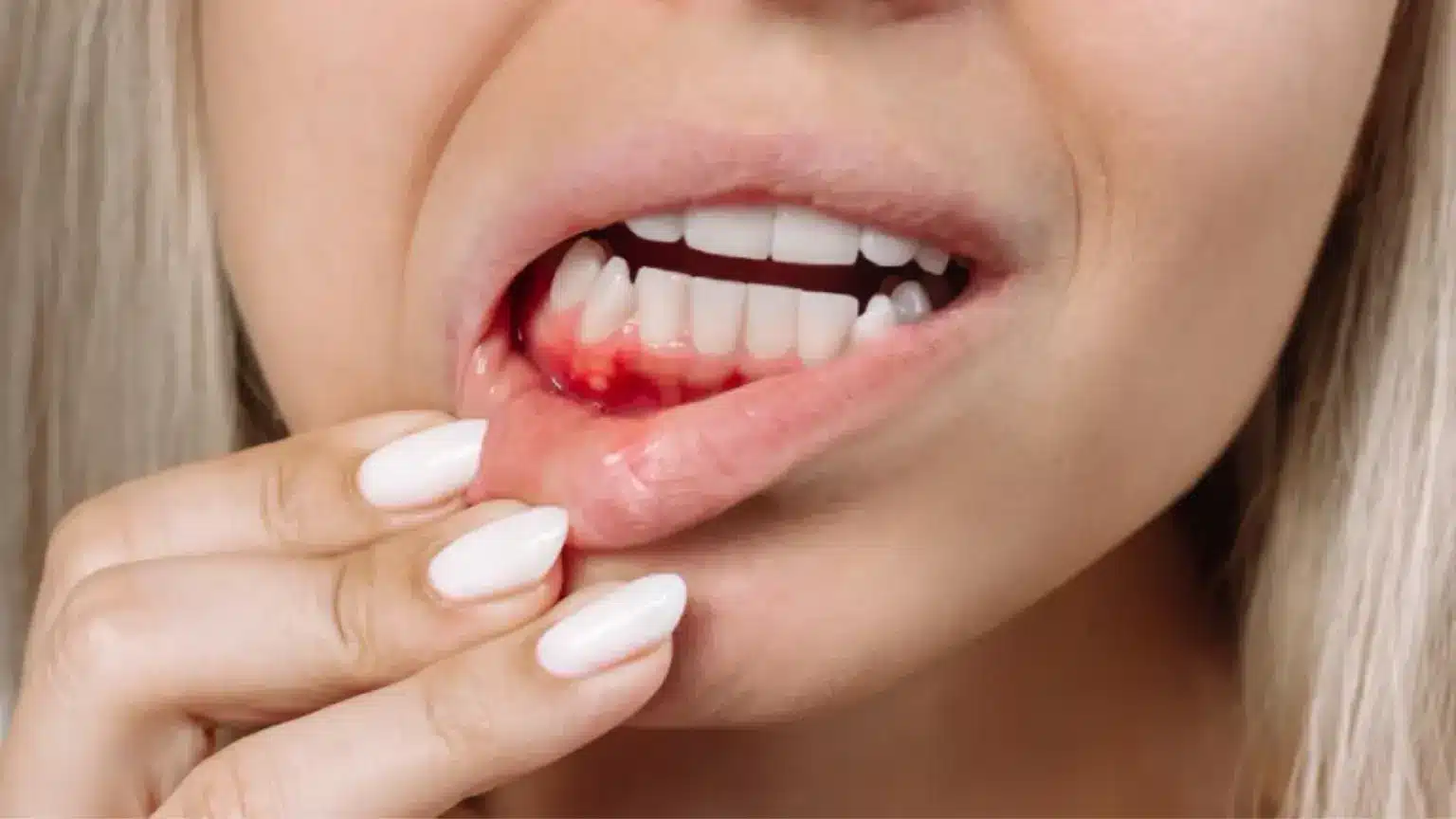
Gingival recession happens when the gum tissue surrounding your teeth wears down and pulls back.
This exposes the lower part of the tooth, the root.
Unlike the crown, the root has no enamel to protect it. That makes it vulnerable to bacteria, plaque build-up, and decay. Left untreated, recession can weaken the structures that support your teeth.
Over time, this leads to increased sensitivity, higher cavity risk, and eventual tooth loss.
It is not just a cosmetic concern.
It is a sign that your gum health needs attention, and the sooner you act, the better.
The Everyday Habits that Quietly Cause Gum Recession
Gum recession rarely happens overnight. Most of the time, it builds up from small daily habits that go unnoticed for years.
Here are the most common causes:
1. Brushing Too Hard
Using too much force while brushing wears down the gum tissue over time.
A hard-bristled toothbrush makes it worse. The gums recede, and damage accumulates unnoticed.
2. Poor Oral Hygiene
Skipping brushing or flossing allows plaque to build up along the gum line. Over time, that plaque hardens into tartar.
Tartar irritates the gums, triggers inflammation, and slowly pulls them away from the teeth.
3. Grinding and Clenching Teeth
Many people grind or clench their teeth without realizing it, often during sleep.
This puts repeated pressure on the teeth and gums. Over time, that pressure breaks down gum tissue and accelerates recession.
4. Tobacco Use
Smoking or chewing tobacco reduces blood flow to the gums.
This weakens the tissue and makes it harder for the gums to stay healthy. Tobacco users are at a much higher risk of developing early gum recession.
5. Misaligned Teeth
When teeth are misaligned, uneven pressure is placed on specific areas of the gum line.
Repeated stress on specific areas causes the gum tissue in those areas to recede faster than normal.
How Self-Care Can Actually Help
Not everything needs a dentist visit right away.
Several self-care steps can make a real difference in slowing recession and keeping your gums healthier day to day.
| Self-Care Step | What it Does |
|---|---|
| Switch to a soft-bristled toothbrush | Reduces friction and prevents further gum tissue wear |
| Brush gently in circular motions | Cleans effectively without putting pressure on the gum line |
| Floss daily | Removes plaque between teeth before it hardens into tartar |
| Use a fluoride or sensitivity toothpaste | Strengthens exposed roots and reduces tooth sensitivity |
| Rinse with an antibacterial mouthwash | Lowers bacteria levels that irritate and inflame gum tissue |
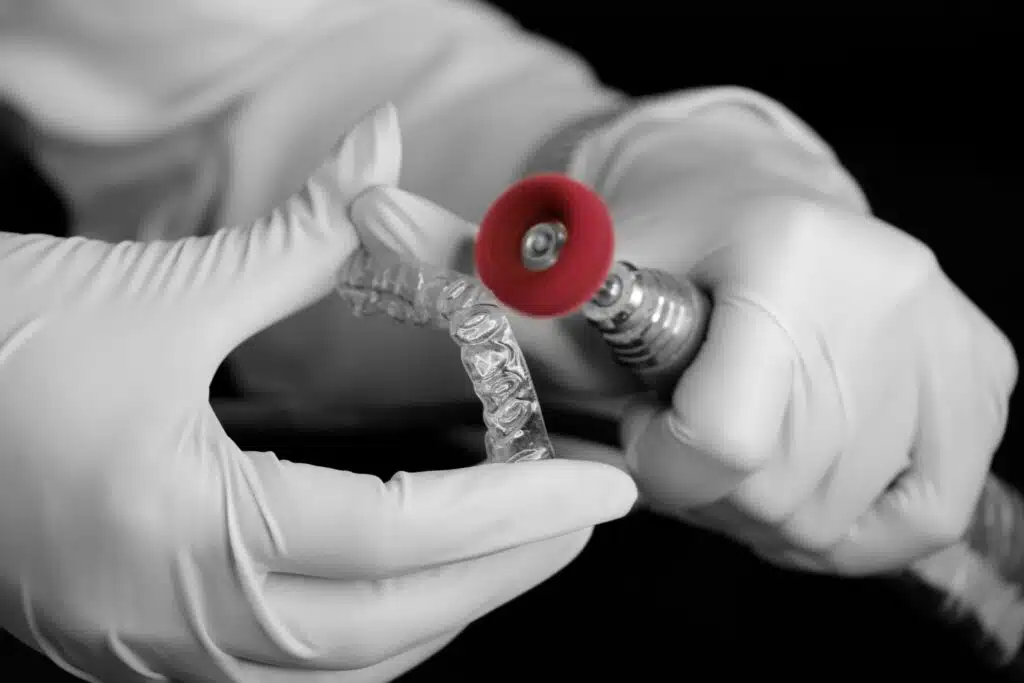
| Wear a night guard if you grind | Protects gums and teeth from pressure during sleep |
| Stay hydrated | Keeps saliva flowing, which naturally fights bacteria in the mouth |
Gingival Recession Self-Care at Home that Support Gum Health
Some home remedies can support gum health alongside your regular oral care routine.
These are not replacements for professional treatment but may help reduce inflammation and control bacteria.
1. Salt Water Rinse
Mix 1/2 teaspoon of salt into a glass of warm water, then rinse for 30 seconds.
Salt has natural antibacterial properties. It helps reduce gum inflammation, clears out bacteria along the gum line, and soothes irritated tissue without harsh chemicals.
2. Oil Pulling
Swishing a tablespoon of coconut oil around your mouth for 10 to 15 minutes may help reduce harmful bacteria.
It is an old practice with some modern backing. It works best as a supplement to brushing, not a substitute for it.
3. Aloe Vera Gel
Applying food-grade aloe vera gel directly to the gums can help calm inflammation and fight bacteria. It has natural anti-inflammatory properties, making it gentle on sensitive gum tissue.
Use it as a gum massage once or twice a day.
4. Green Tea
Drinking green tea regularly may support gum health due to its antioxidant content.
These antioxidants help reduce inflammation in the gums and slow bacterial growth. One to two cups a day is enough to see potential benefits over time.
5. Turmeric Gel
Turmeric contains curcumin, a compound known for its anti-inflammatory properties. Applying turmeric gel to the gums may help reduce swelling and discomfort.
It is widely used as a natural option for managing early signs of gum irritation.
Surgical Treatment: Gingival Recession
Self-care has limits; advanced gum recession requires professional treatment.
Here are options your dentist or periodontist may suggest:
6. Scaling and Root Planing
This is a deep cleaning procedure that goes below the gum line.
The dentist removes hardened tartar and bacteria from the root surface.
It helps the gums reattach to the teeth and stops further recession caused by infection or inflammation.
Typical cost: $140 to $300 per quadrant
7. Gum Graft Surgery
When a recession is severe, a gum graft may be needed.
The dentist takes tissue from another part of the mouth and attaches it to the affected area. This covers exposed roots, reduces sensitivity, and restores a healthier gum line.
Typical cost: $600 to $1,200 per tooth
8. Pinhole Surgical Technique
This is a minimally invasive alternative to traditional gum grafting. The dentist makes a small hole in the gum tissue and repositions it over the exposed root.
Recovery is faster, and the results are comparable to conventional grafting procedures.
Typical cost: $1,500 to $4,000, depending on the number of teeth treated
9. Orthodontic Treatment
When misaligned teeth are causing uneven pressure on the gums, orthodontic correction may be recommended.
Straightening teeth distributes bite force evenly, reducing stress on gums and slowing recession.
Typical cost: $3,000 to $8,000, depending on the treatment type
10. Antibiotic Therapy
For a recession driven by bacterial infection, dentists may prescribe topical or oral antibiotics. These target the bacteria responsible for gum disease and inflammation.
Antibiotic therapy is often used alongside other procedures rather than as a standalone treatment.
Typical cost: $50 to $200, depending on the type and duration prescribed
What Gingival Recession Self-Care Cannot Fix
Self-care is useful, but it has real limits.
It can slow the recession and reduce irritation, but it cannot reverse tissue that has already pulled back.
Once the gum line drops, it does not grow back on its own.
Self-care also cannot remove hardened tartar below the gum line; only a professional cleaning can.
If you notice loose teeth, deep gum pockets, or roots that are visibly exposed, that is a clear sign you need professional help, not just a better routine.
Early Warning Signs You Should Not Ignore
These are the early signs that something is off and worth getting checked:
- Your teeth look longer than they used to.
- You feel a sharp sensitivity when drinking hot, cold, or sweet beverages.
- A notch or dip is visible where the gum meets the tooth.
- Your gums bleed when you brush or floss.
- One or more teeth feel slightly loose.
- You notice persistent bad breath that does not go away with brushing.
- Your gums look red, swollen, or darker than usual.
- The gum line appears uneven across different teeth.
Diet and Nutrients that Support Gum Health
What you eat plays a bigger role in gum health than most people realize.
The right nutrients help strengthen gum tissue, fight inflammation, and support faster healing.
| Nutrient | Best Food Sources | How It Helps Gums |
|---|---|---|
| Vitamin C | Oranges, strawberries, bell peppers | Strengthens gum tissue and speeds up healing |
| Vitamin D | Fatty fish, egg yolks, sunlight | Reduces gum inflammation and supports bone health |
| Calcium | Dairy, leafy greens, almonds | Keeps the jawbone and tooth structures strong |
| Omega-3 | Salmon, walnuts, flaxseeds | Lowers inflammation and reduces gum disease risk |
| Antioxidants | Green tea, berries, spinach | Fights bacteria and protects gum tissue from damage |
| Zinc | Pumpkin seeds, meat, chickpeas | Supports tissue repair and immune response in the gums |
| Water | Plain water | Washes away food particles and keeps saliva levels healthy |
How Long Does it Take to Recover
Recovery time depends on how far the recession has progressed and what treatment you are using.
With self-care alone, you will not see overnight results. Consistent habits like gentle brushing and daily flossing take four to eight weeks to show noticeable improvement in gum health.
Recovery after procedures varies: 1-2 weeks for scaling and root planing, 4-6 weeks for gum graft surgery.
The earlier you start, the shorter and smoother the recovery tends to be.
See a Dentist Without Delay
Some situations go beyond what self-care can handle.
See a dentist without delay if your teeth feel loose or shifting, if you spot visible root exposure, or if sensitivity has become severe enough to affect eating and drinking.
Bleeding gums that do not settle after a few days of better oral hygiene also warrant a visit.
Gum recession caught early is far easier and less costly to treat.
Waiting too long often means more extensive procedures and a longer recovery.
Final Thoughts
Gum recession is manageable, but only if you take it seriously.
Small changes and staying on top of your oral hygiene routine can quite slow it down.
For anything beyond the early stages, professional treatment is the most reliable path forward. Do not wait for the pain to get unbearable before acting.
Your gums support every tooth. Take care of them as you would your overall health.
Start with one small change today, your future self will be glad you did.
Frequently Asked Questions (FAQ’s)
1. Can Gingival Recession Heal Itself?
No, receded gum tissue does not grow back without professional treatment.
2. Will Teeth Fall out if Gums Recede?
Severe, untreated recession can weaken tooth support and eventually lead to tooth loss.
3. What Toothpaste is Best for Gum Recession?
Fluoride-based sensitivity toothpaste is most effective for protecting exposed roots and reducing discomfort.