
The first time I saw someone walk confidently into a room with a mullet, I noticed something.
It wasn’t just the haircut.
It was the attitude.
You don’t wear a mullet quietly. You choose it. And when someone chooses it, they usually know exactly what they’re doing.
That’s what made me think deeper about mullet meaning: what the cut says about culture today.
Why does this hairstyle always create a reaction? Why does it disappear for a while and then return stronger?
Let’s discuss it properly.
Is the Mullet Just a Trend or Something Deeper?
If the mullet were just another passing trend, it would have stayed in the 1980s.
But it didn’t.
It keeps coming back.
I’ve noticed that whenever fashion becomes too polished or too predictable, the mullet returns. Almost like it challenges sameness.
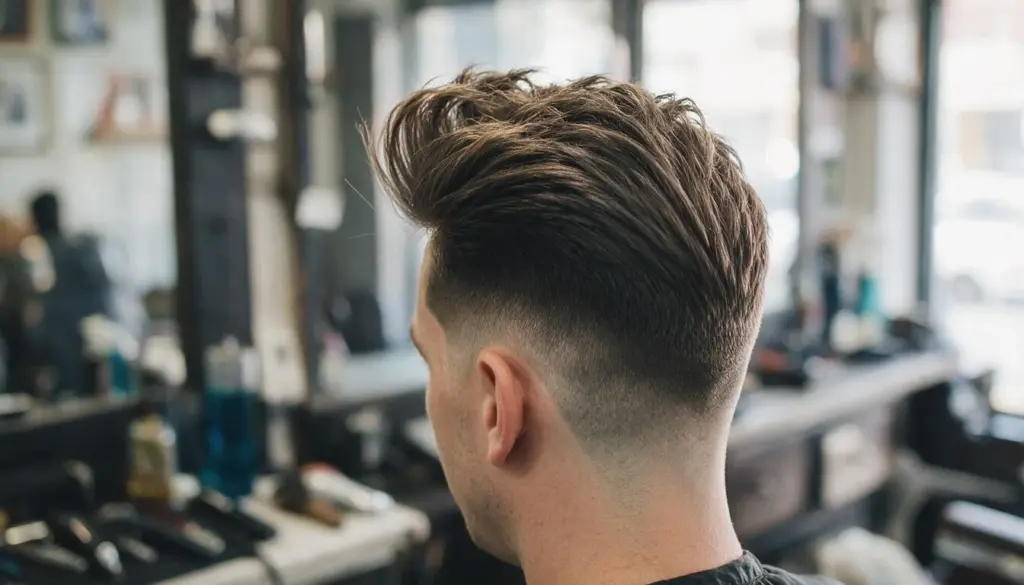
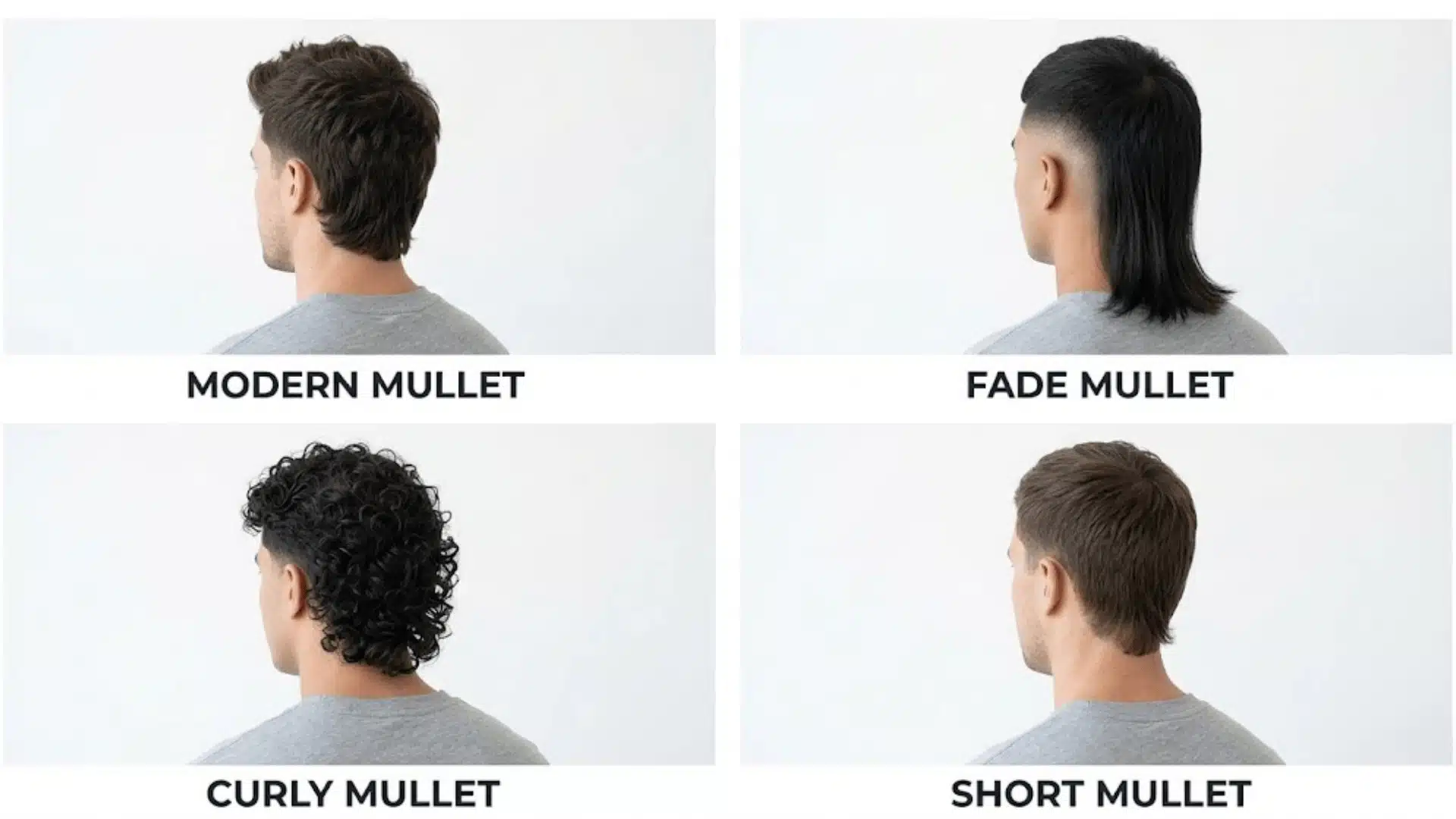
And today, it isn’t just one look. There are modern versions, fade versions, curly ones, and subtle short styles. If you explore the types of mullets guide, you’ll see how flexible this cut has become.
That flexibility is part of its strength.
Mullet Meaning: What the Cut Says About Culture Today?
When we talk about mullet meaning, we’re really talking about identity.
This haircut has shifted from practical to rebellious to fashionable over decades. What it says today depends on who wears it and how they wear it.
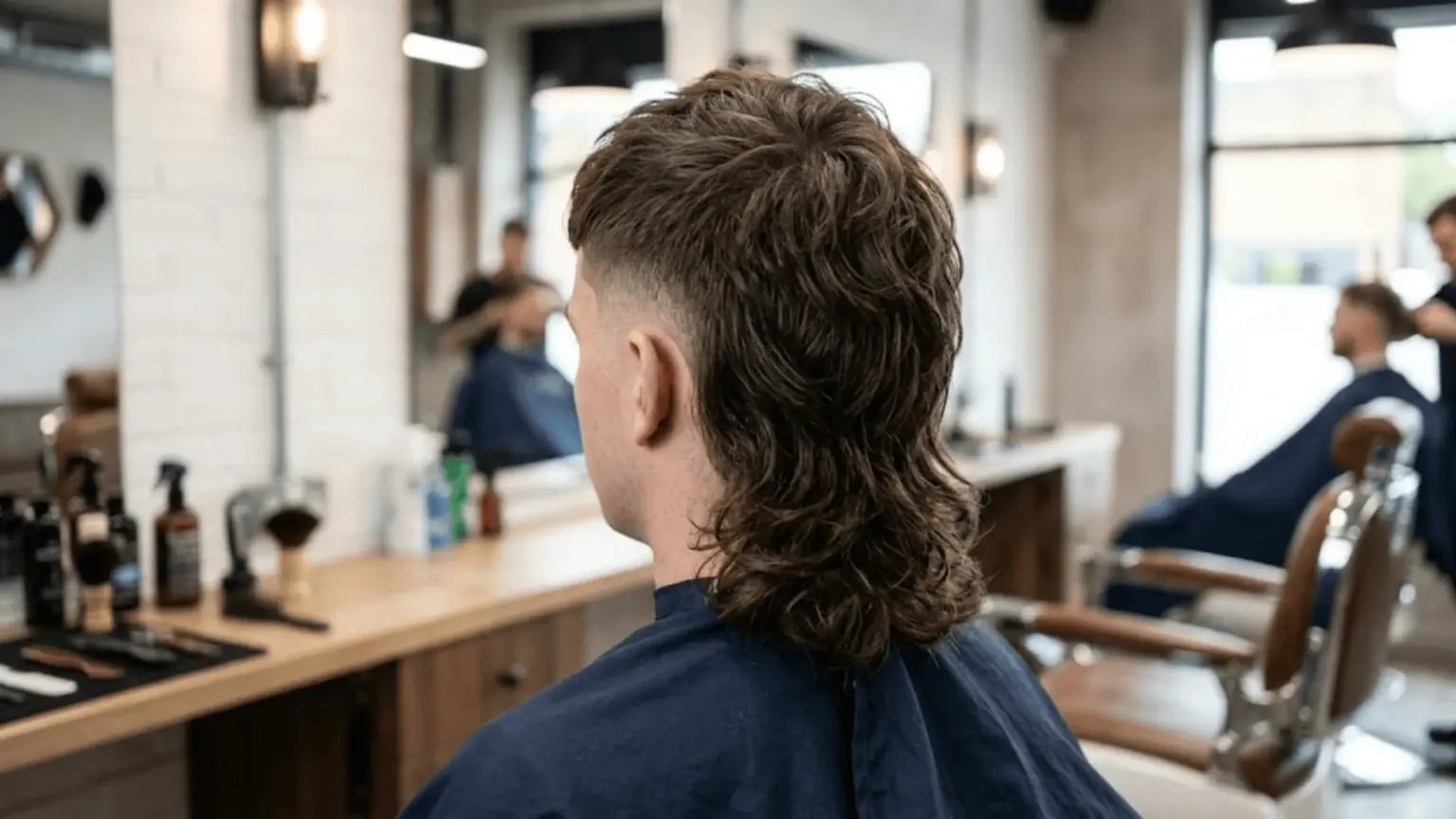
At its simplest, a mullet is
- Short in the front
- Short or faded on the sides
- Longer in the back
That structure hasn’t changed much. But the meaning behind it definitely has.
And that meaning keeps evolving with culture.
The History Behind the Mullet
When I first researched this, I was surprised by how old the style really is.
Ancient Greek warriors were described as wearing hair shorter in the front and longer in the back. The reason was practical:
Clear vision in battle
Protection for the neck
Even historical publications such as History.com mention early references to similar hairstyles across civilizations.
The word “mullet” became popular in the 1990s. But the haircut existed long before it had a name and slowly turned into culture.
How the Mullet Became a Cultural Statement
In the 70s and 80s, the mullet became highly visible in music, sports, and television. The phrase “business in the front, party in the back” captured its personality perfectly.
That phrase represented dual identity:
- Structured yet relaxed
- Professional but playful
- Controlled and expressive
That dual personality still shapes mullet meaning today. But culture shifted again.
From Mocked to Mainstream Again!
There was a period when the mullet became a joke. People labeled it outdated.
I remember when it felt like no one would wear it seriously again.
But fashion always cycles back.
After 2020, mullets began reappearing. Cleaner versions. Faded ones. Modern shapes. And fact, mullets are still popular in 2026.
What Wearing a Mullet Says About You Now?
When I see someone wearing a mullet today, I don’t think “outdated.” I feel confident.
It often signals:
- Strong personal identity
- Comfort with standing out
- Awareness of fashion cycles
- Willingness to break routine
In a world where many hairstyles look similar, the mullet refuses to blend in.
Ask yourself: Are you choosing it to express personality? To challenge traditional looks? Or simply because you enjoy how it feels different?
There is no wrong answer. But the choice carries meaning.
Does the Type of Mullet Change the Meaning?
Yes, absolutely.
- A modern mullet feels polished and intentional.
- A fade mullet feels sharp and bold.
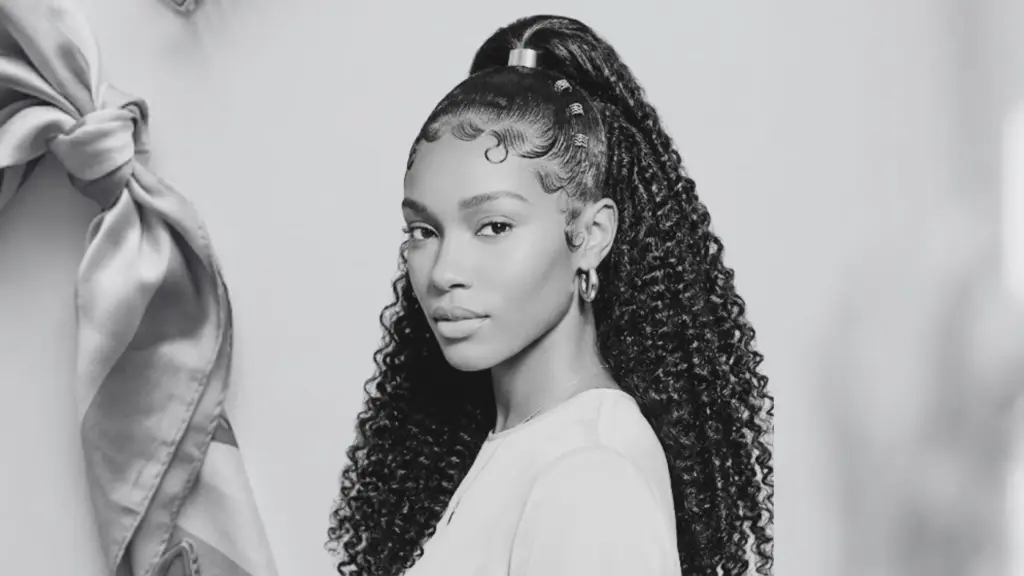
- A curly mullet feels expressive and relaxed.
- A short mullet feels subtle and balanced.
If you understand the types of mullets’ guide, you’ll see how small adjustments shift perception.
Even guard numbers influence the message.
A tight No. 1 fade feels dramatic.
A softer No. 4 feels more controlled.
Meaning and execution always work together.
Conclusion
When I think about mullet meaning: what the cut says about culture today, I no longer see just a haircut.
I see history. I see confidence.
The mullet started as practical. It became cultural. It survived criticism. And now it stands as a deliberate style choice.
If someone wears it today, chances are they know exactly what they are doing.
And sometimes, that quiet confidence says more than words ever could.
Frequently Asked Questions
What is the Cultural Significance of the Mullet?
The mullet represents individuality, dual identity, and confidence while adapting to changing fashion trends and social attitudes.
What Does the Mullet Mean Now?
Today, the mullet signals bold self-expression, intentional styling, and comfort with standing out in modern culture.
What Does a Mullet Say About a Person?
It often suggests confidence, creativity, independence, and a willingness to challenge traditional hairstyle norms.
What is the Cultural Significance of Cutting Hair?
Cutting hair often symbolizes renewal, identity shifts, rebellion, or personal transformation across different cultures.