
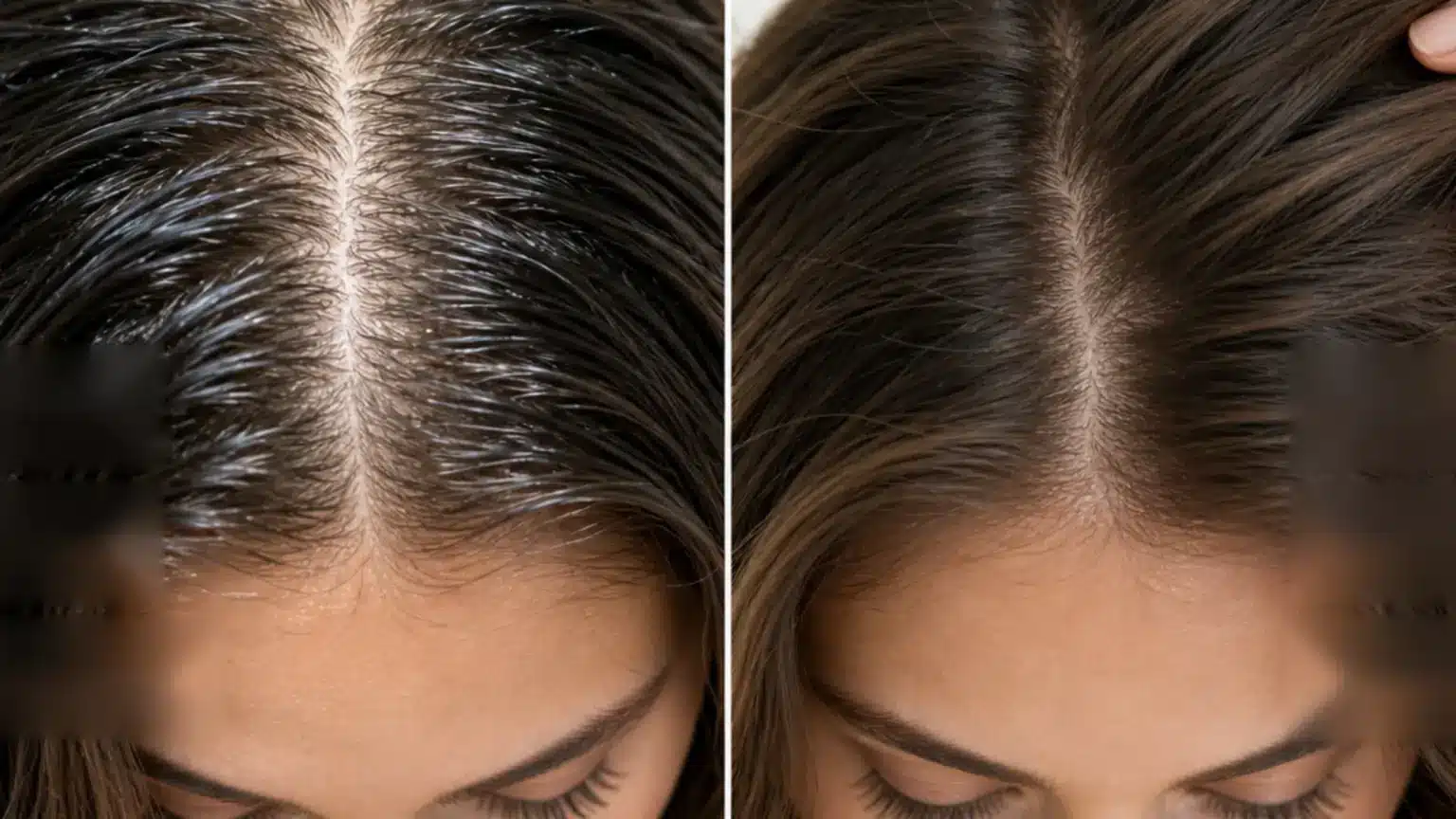
Thin-looking hair can feel discouraging, especially when it seems to happen overnight.
Factually, people cannot change their natural hair density, but they can protect the hair they have and make it look fuller.
Let’s look at how to make hair thicker, what only offers a short-term fix, and what is simply not worth the money
Why is Your Hair Thinning? The Root Cause for Thinning
Hair looking thinner usually comes down to genetics, hormones, or breakage. Naturally thick hair means more strands per square inch of scalp, and that density is set by genetics, not products.
Hormonal shifts from pregnancy, aging, or health conditions can also change hair over time, as can chemical treatments like relaxers or perms.
For most people, though, breakage is the biggest and most fixable factor.
Heat styling, frequent coloring, tight hairstyles, and rough brushing all weaken strands until they snap.
Stress and low iron or protein intake also contribute to the shedding.
Knowing which of these applies helps set realistic expectations before trying any fix.
How to Make Hair Thicker for a Fuller Look?

Since breakage is often the main cause of thinner-looking hair, this is usually the best place to start.
1. Protect Hair From Heat
Heat tools break down the protein bonds that keep hair strong. Using a heat-protectant spray before blow-drying or straightening helps limit this damage.
Lower heat settings and the occasional air-dry day also help.
2. Handle Wet Hair Gently
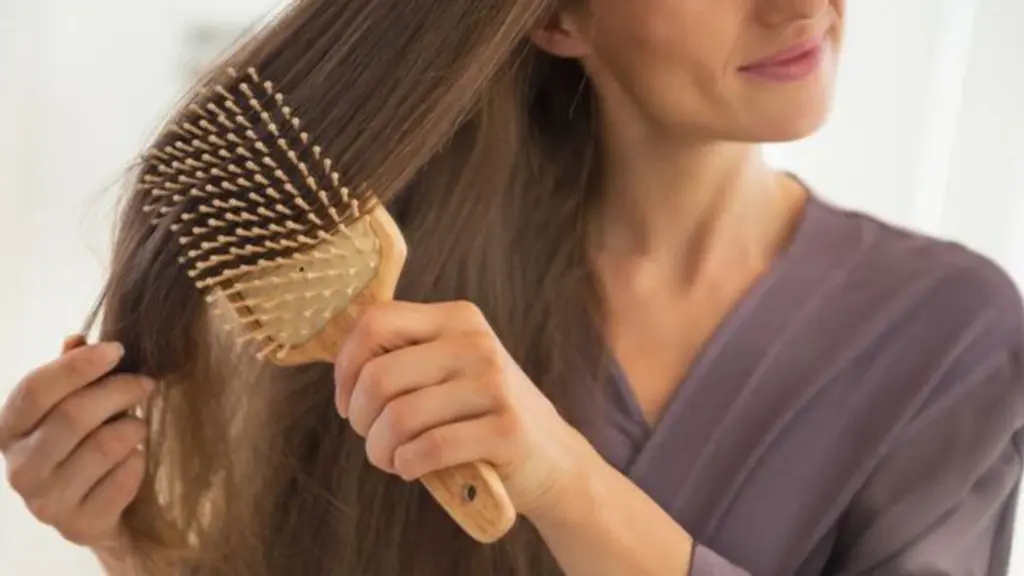
Hair is more fragile when wet, so rough brushing right after a shower can cause extra breakage.
A wide-tooth comb, gentle detangling from the ends up, and a microfibre towel instead of rubbing all help protect the strands.
3. Space Out Chemical Treatments
Color, bleach, and relaxers all weaken hair structure to some degree.
Spacing these treatments out and using a strengthening conditioner in between gives hair time to recover.
4. Use Products Suited to Your Hair Type
Heavy conditioners can weigh down fine hair, while harsh shampoos can dry out already damaged hair.
Matching products to what your hair actually needs makes a noticeable difference over time.
Proven Ways to Support Fuller and Thicker Hair
Your hair health comes down to major factors: how well you care for your scalp, your wash routine, supplements, and diet and lifestyle.
Scalp Care
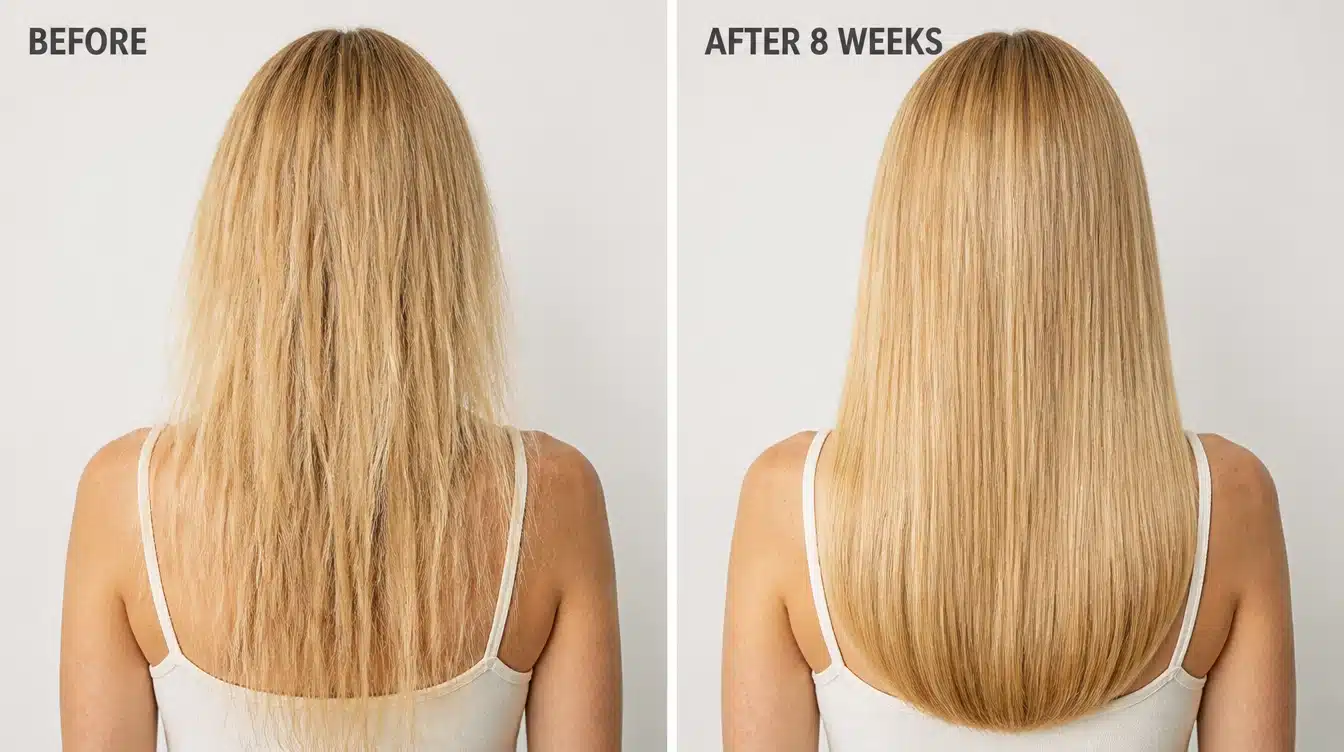
A healthy scalp gives hair a better environment to grow in. A few habits worth trying:
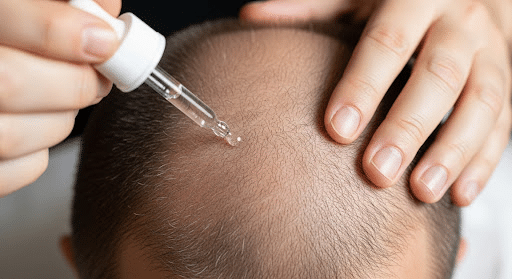
- Try a gentle scalp massage for a few minutes a day, which may support blood flow to the area.
- Monthly clarifying wash to clear product build-up, since once or twice a month is usually enough.
- Avoid daily hot-water rinses, as hot water can dry out the scalp over time.
Cold-water rinses are often said to seal the hair cuticle, but temperature alone has little effect on cuticle structure.
Diet and Lifestyle

Your daily habits and a healthy diet can affect your hair health over time. While they won’t instantly stop hair loss, they help support healthy hair growth.
- Eat enough protein, since hair is made mostly of protein.
- Check your iron levels if you’re experiencing excessive shedding, especially if you’re a woman.
- See a doctor if hair loss is sudden or severe, as it may be linked to low iron or another health condition.
- Manage chronic stress to support your hair’s natural growth cycle.
Medications That May Help
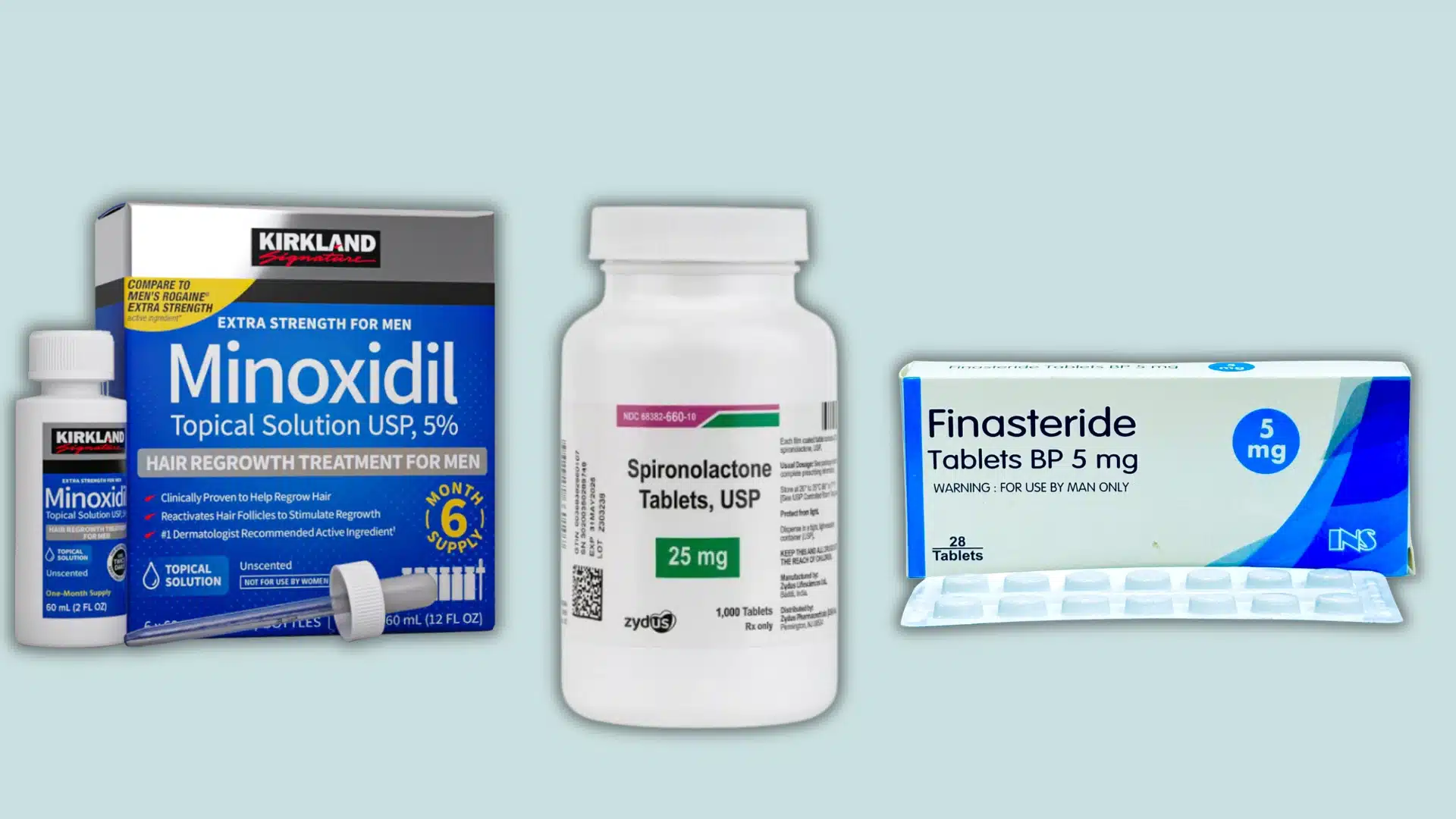
Hair supplements may help if you have a diagnosed nutrient deficiency. They’re most effective when recommended by a healthcare professional along with a balanced diet.
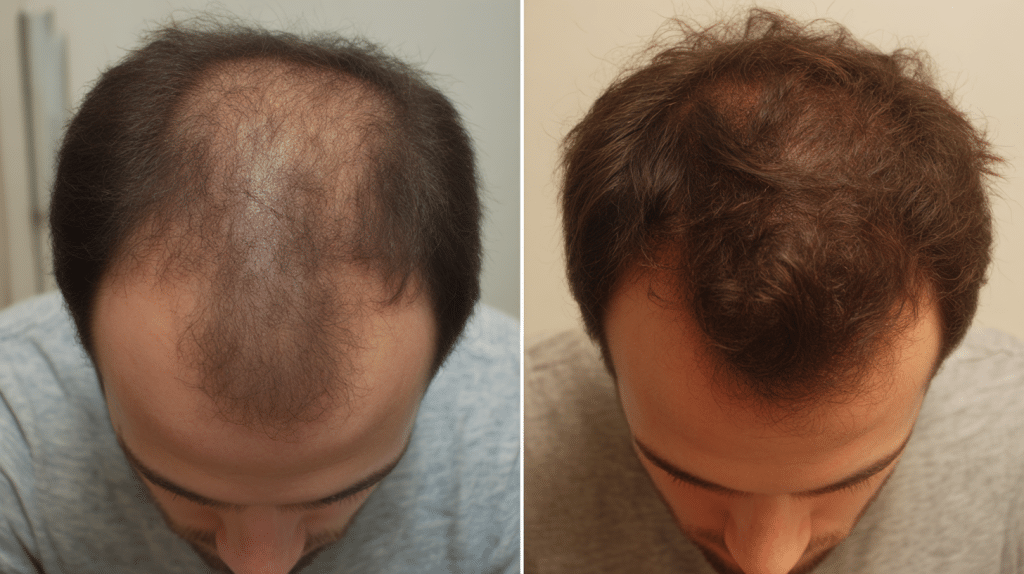
Minoxidil, Finasteride, and Spironolactone may help with hormone-related thinning
Corticosteroids, used for certain types of hair loss, such as alopecia areata, work by reducing inflammation.
Talk to a doctor before starting Minoxidil, Finasteride, Spironolactone, or Corticosteroids.
Wash Hair for Thicker-Looking Strands
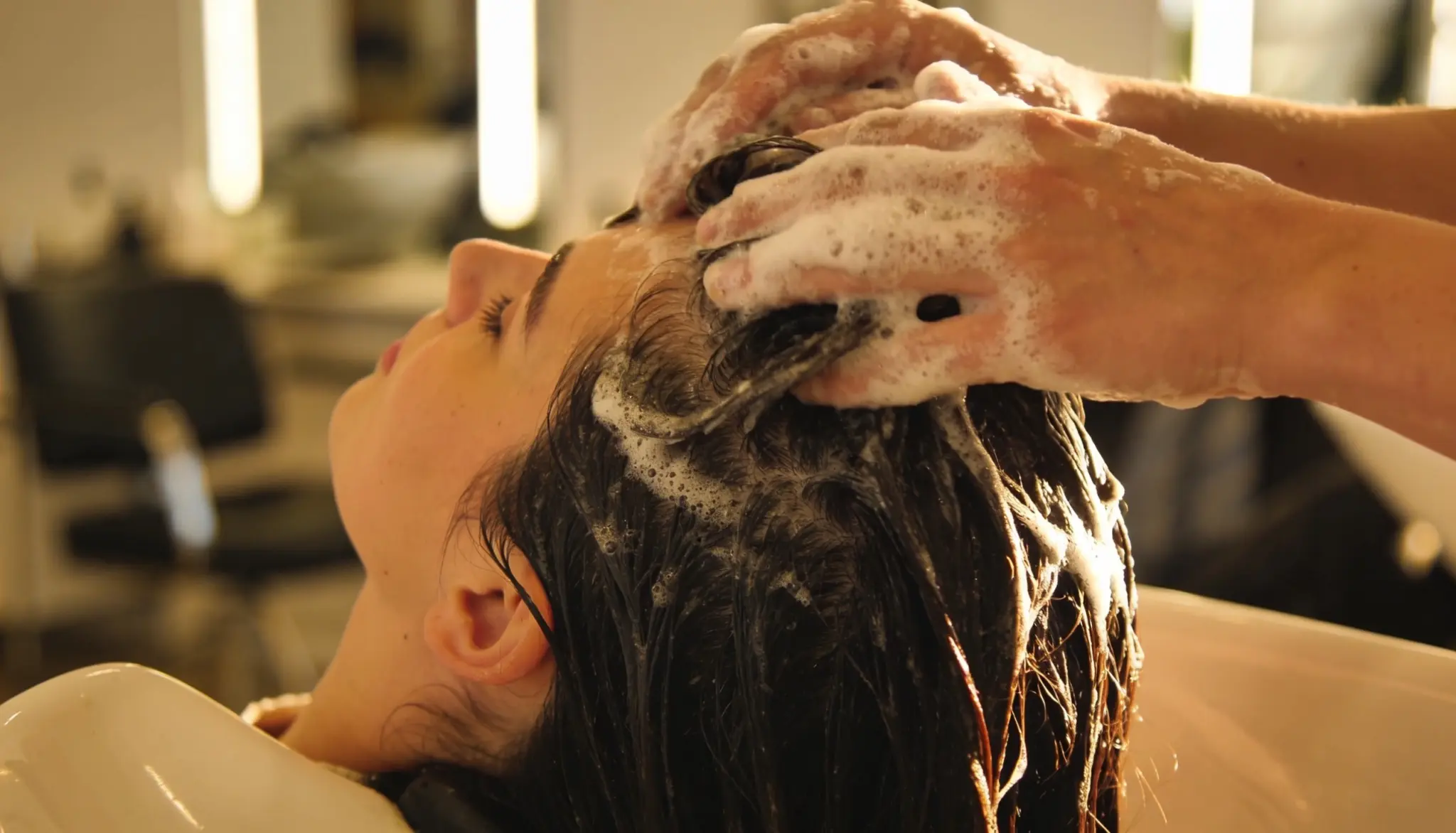
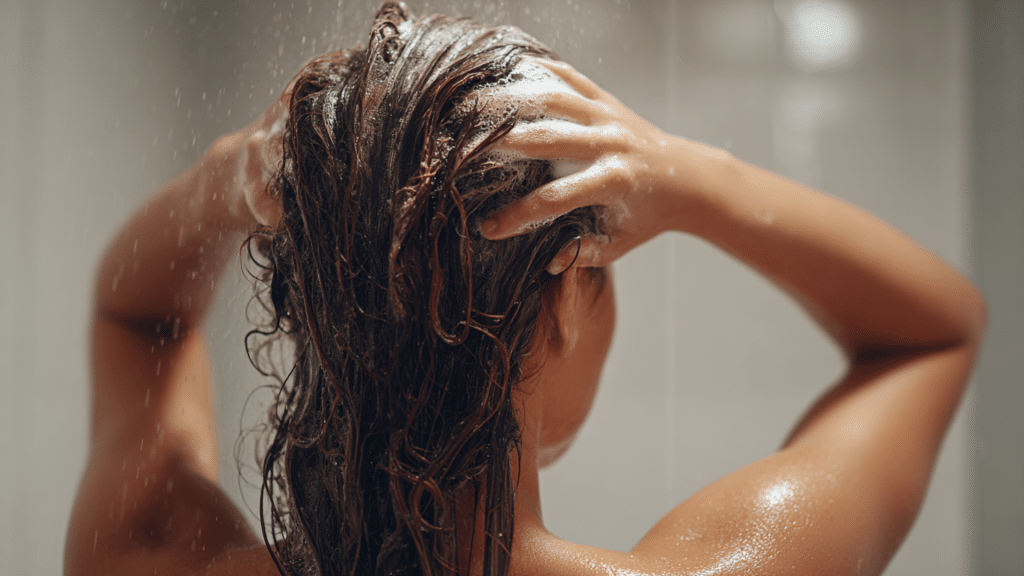
The way hair is washed can affect how thick it looks day to day. A few habits that tend to help include:
Gently massage shampoo into the scalp instead of rubbing it along the length of the hair.
Choosing a shampoo and conditioner made for your specific hair type, such as a lightweight formula for fine hair.
Washing oily hair more often, since buildup can make hair look flat. Washing color-treated hair less often helps the color and condition last.
Wrapping hair in a towel to soak up water instead of rubbing it dry.
Styling Tricks for an Instant Thicker Look
These styling tips won’t increase hair growth, but they can make your hair appear fuller right away.
- Choose a Blunt or Lightly Layered Cut: Blunt ends create a fuller look, while light layers add shape without reducing volume.
- Blow-Dry for Root Lift: Dry your hair upside down or lift the roots with a round brush for added volume.
- Change Your Part: Switching your part can instantly make roots look more lifted, and hair appear thicker.
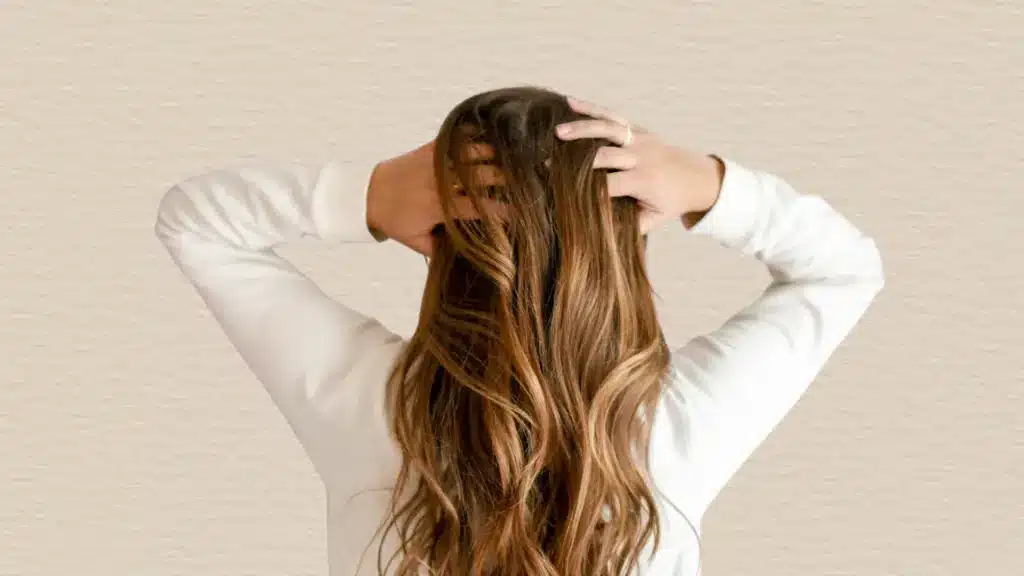
- Add Highlights or Lowlights: Subtle color variation creates depth and the illusion of fuller hair.
However, trimming split ends keeps hair looking healthier and fuller, though it doesn’t make hair grow faster.
Conclusion
There is no single trick to change your hair density overnight, but small, consistent habits add up. If you are wondering how to make hair thicker in a realistic way.
Focus on reducing breakage, caring for the scalp, and eating a balanced diet, since these support healthier-looking hair over time.
Pairing that with the right cut and styling choices often gives the fastest visible results, while the rest works in the background.
Frequently Asked Questions (FAQs)
1. How Long Does it take to Thicken Hair?
Reducing breakage can show results within a few weeks, but supporting overall hair health typically takes a few months of consistent habits before real changes show up.
2. When to See a Professional?
Sudden hair loss, thinning in a clear pattern, or scalp pain and itching are signs worth mentioning to a doctor or dermatologist.
3. How Often Should You Wash Hair With Hair Loss?
Wash your hair 2 to 3 times a week. Keeping the scalp clean is crucial for preventing clogged follicles and buildup, which can exacerbate hair loss.