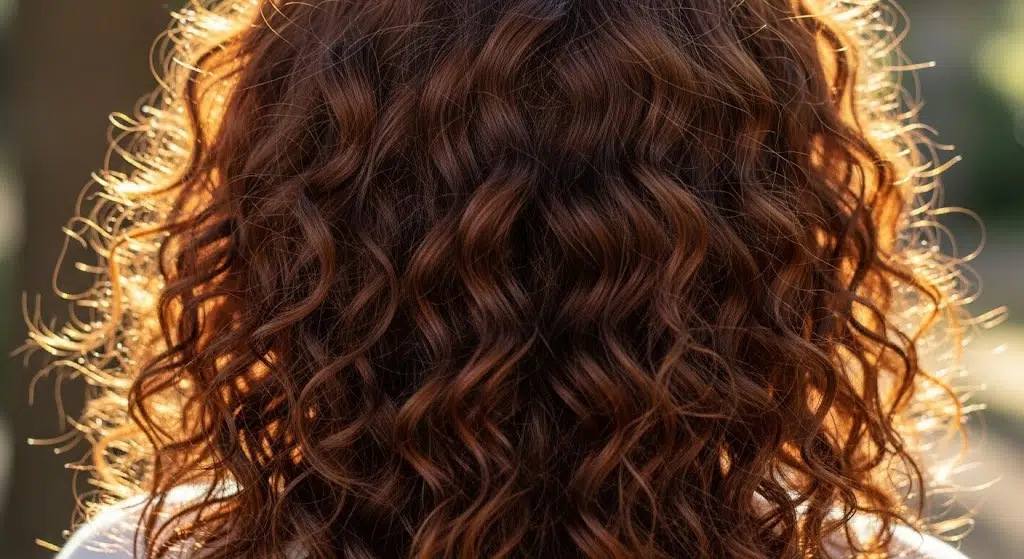

Curly hair is beautiful, but managing it can be frustrating. For years, my curls looked dry, frizzy, and just… tired.
No products seemed to help. But switching focus from the bathroom shelf to the dinner plate changed everything.
That’s where the real secret was hiding.
Understanding how diet changes curly hair health and growth over time is the missing piece most people never consider.
What you eat shapes how different types of curls grow, feel, and behave. I’ll break down exactly how food makes that happen.
Why Nutrition is Important for Curly Hair Than You Think?
Most people blame products when their curls look dull or dry. But the real answer often starts from within.
What you eat or don’t eat plays a bigger role in curl health than most of us realize.
The Unique Structure of Curly Hair
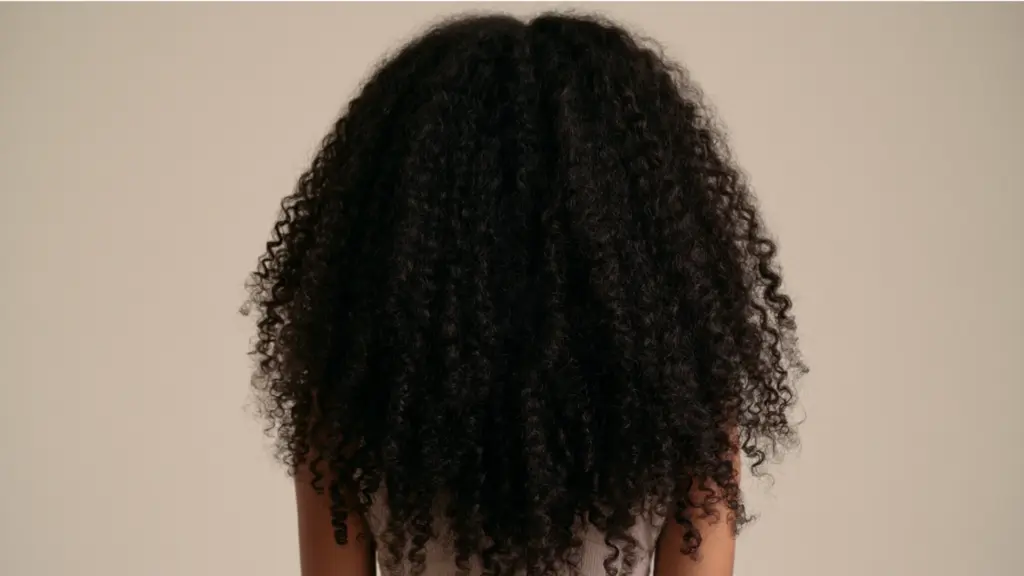
Curly strands are spiral-shaped and more porous than straight hair. This means moisture escapes faster.
Natural oils from the scalp also struggle to travel down each twist. So ends stay dry and brittle.
No product fully solves this, but consulting with specialized professionals like JM Nutrition to ensure your diet is balanced can make a real difference.
How Poor Diet Shows Up in Your Curls
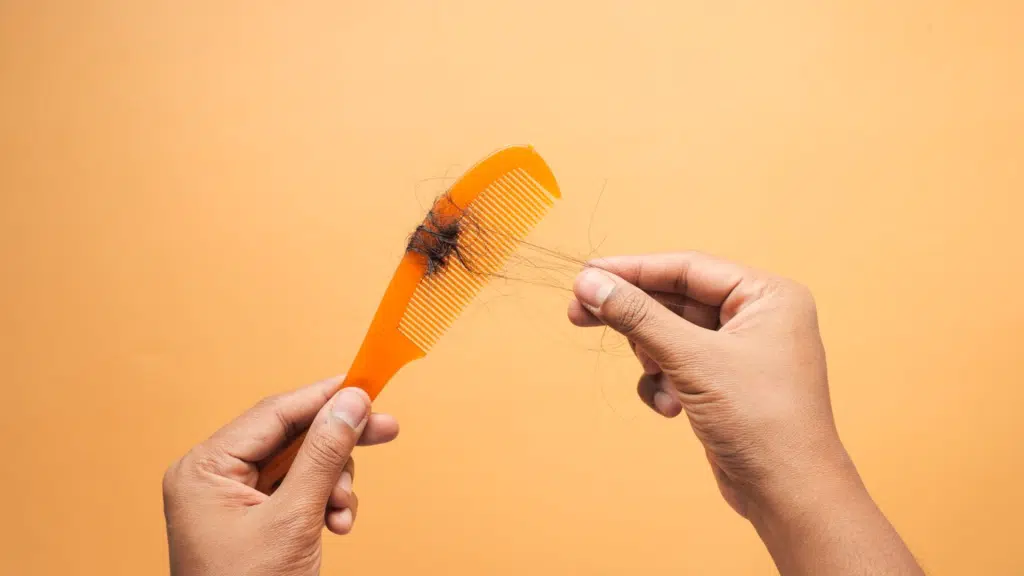
A bad diet shows up fast in curly hair. Expect dry, frizzy texture, more shedding, a weaker curl pattern, and slow growth.
Thinning edges are usually the last warning sign.
How Diet Changes Curly Hair Health and Growth Over Time
There are so many things related to curly hair problems, which include your diet too. Food doesn’t just fuel your body. It directly shapes how your curls grow, shed, and recover.
The Hair Growth Cycle and Nutrition
Hair grows in three phases. When key nutrients are missing, the cycle gets disrupted.
| Phase | What Happens | Impact of Poor Nutrition |
|---|---|---|
| Anagen | Active growth phase | Cuts short, slowing length gain |
| Catagen | Transition phase | Becomes unstable |
| Telogen | Rest and shedding phase | Prolonged, causing excess shedding |
Low protein, iron, and B vitamins are the most common triggers that push hair out of the growth phase too early.
Blood Flow, Follicles, and Nutrient Delivery
Follicles need a steady blood supply to stay healthy. Iron helps carry oxygen directly to the scalp. When iron is low, that flow weakens.
Curl density drops, and new strands grow back thinner over time.
Inflammation, Hormones, and Hair Thinning
A sugar-heavy diet triggers inflammation, and the scalp feels it too.
This disrupts follicle health and slows growth.
Processed foods also disrupt hormone balance, and hormonal shifts are among the biggest drivers of shedding and thinning in curly hair.
Which Vitamins Are Responsible for Hair Loss?
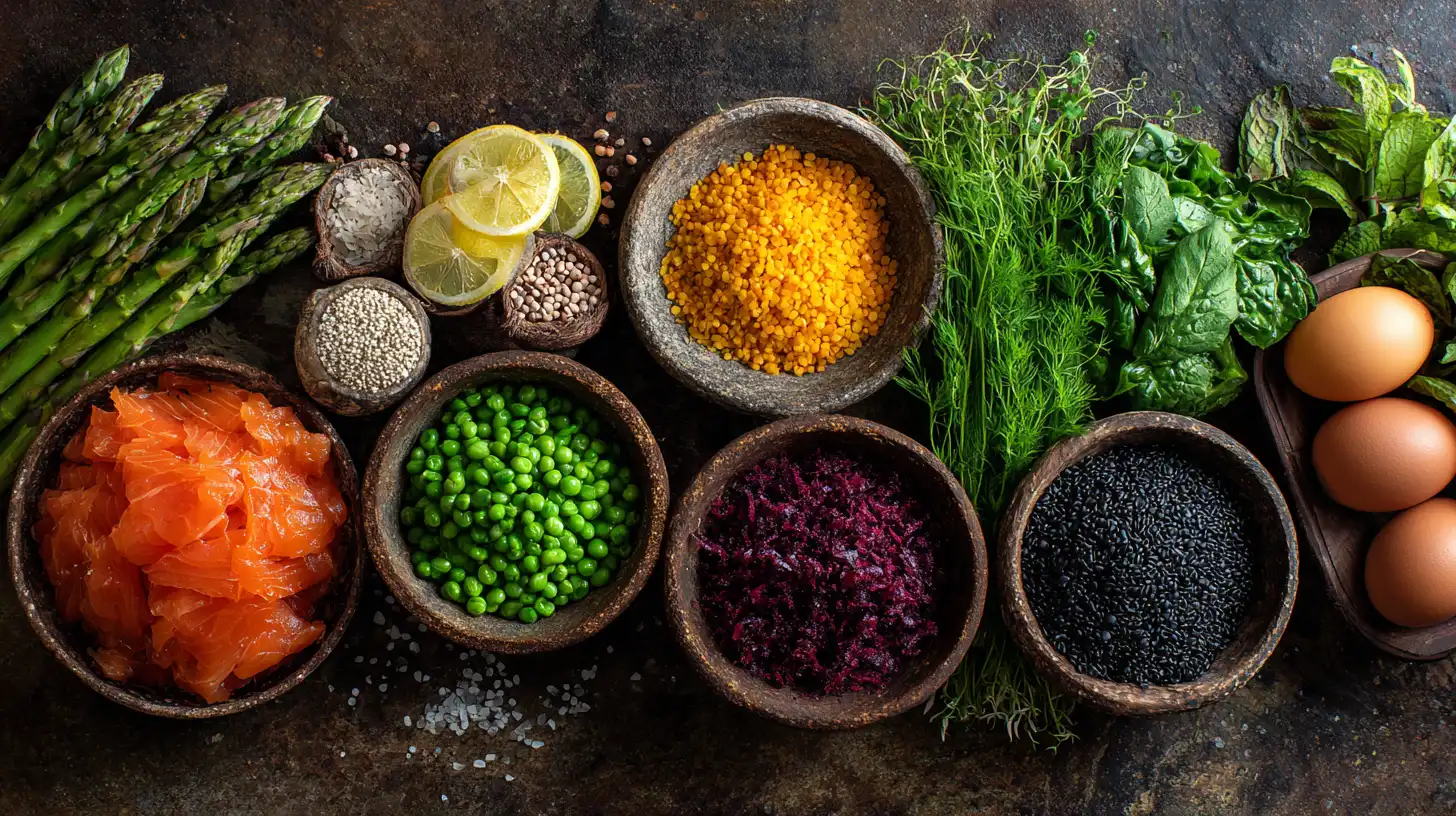
Sometimes hair loss isn’t about products or styling. It’s about what’s missing inside your body, which are vitamins and minerals.
Iron
Iron is one of the most common deficiencies linked to shedding.
Without enough iron, oxygen delivery to the scalp slows down. Follicles weaken, and hair falls out faster than it grows back.
Vitamin D
Vitamin D plays a direct role in follicle cycling. Low levels push follicles into the resting phase too early.
This means less active growth and more shedding over time.
Biotin (Vitamin B7)
Biotin gets a lot of attention, but it only helps people who are actually deficient.
If your biotin levels are already normal, supplements won’t make much difference to your curl growth.
Vitamin B12
B12 helps carry oxygen through the blood to your follicles.
Low B12 levels mean less oxygen reaches the scalp. Over time, this weakens strands and slows growth noticeably.
Simple 7-Day Plan that I Tried for My Curly Hair
Changing my diet felt like a lot to take on at first.
I didn’t overhaul everything overnight. I picked one meal at a time and swapped in better ingredients gradually.
By the time I structured it into a full week, it already felt familiar rather than restrictive.
The focus was simple: protein to support hair structure, iron and omega-3s for the scalp, and enough zinc and biotin to actually see a difference in curl definition over time.
Here’s a simple plan that worked for me.
| Day | Breakfast | Lunch | Dinner |
|---|---|---|---|
| Day 1 | Greek yogurt, berries, chia seeds | Spinach salad with grilled chicken | Salmon, quinoa, roasted vegetables |
| Day 2 | Lentil soup, whole grain toast | Leafy green salad with chickpeas | Lentils with roasted vegetables |
| Day 3 | Eggs with avocado on whole-grain toast | Whole-grain wrap with greens | Brown rice with stir-fried vegetables |
| Day 4 | Mixed nuts, fruit | Fatty fish tacos with greens | Baked salmon with roasted nuts and greens |
| Day 5 | Bean scramble with toast | Brown rice and black bean bowl | Slow-cooked beans with mixed vegetables |
| Day 6 | Lean protein smoothie | Grilled chicken with mixed greens | Turkey with steamed greens and quinoa |
| Day 7 | Balanced smoothie bowl | Mixed grain salad with lean protein | Grilled fish, vegetables, and plenty of water |
What actually helped me stick to it:
- I prepped the grains: quinoa, brown rice, in one batch on Sunday. It made the midweek dinners take about 15 minutes instead of 45.
- The smoothie days weren’t shortcuts. I added a tablespoon of flaxseed to both, which bumps up the omega-3 content without changing the taste at all.
- By Day 4 and 5, I genuinely stopped craving processed snacks. I don’t think that’s a coincidence. The protein and fibre load was high enough to keep hunger steady throughout the day.
What I Noticed After 4–6 Weeks
I won’t claim my curls transformed in seven days. That’s not how nutrition works.
What I did notice by the end of the week was less scalp dryness and hair that felt slightly more elastic when wet.
The longer changes like reduced breakage, better curl retention, took closer to five-six weeks of eating this way consistently. This plan is a starting point, not a miracle fix.
Around four weeks in, my curls were telling a different story. Shedding slowed down noticeably. Showers felt less alarming.
Curls felt softer without extra product. A natural shine came through. Strands felt stronger with less breakage during detangling.
The changes were real and kept getting better each week.
Lifestyle Factors That Affect Curl Growth
Diet is a big piece of the puzzle. But a few other habits work alongside it, too.
Hydration
Water helps the body absorb nutrients properly. Without enough daily hydration, even a solid diet won’t fully reach your follicles. Your scalp feels it first.
Stress and Cortisol
High stress raises cortisol. And cortisol is directly linked to shedding. Managing stress, even in small ways, protects curl growth over time.
It’s easy to overlook, but hard to ignore once hair starts falling out.
Sleep and Hormonal Balance
Poor sleep throws off hormones. Hormonal shifts are a leading cause of thinning and shedding in curly hair.
Seven to eight hours gives your body time to repair, regulate, and recover properly each night.
Scalp Health
Product buildup and dryness block follicles.
Regular scalp care, paired with a healthy diet, creates the best conditions for strong, healthy curl growth.
Final Thoughts
Healthy curls don’t come from a bottle; they grow from within.
Understanding how diet changes curly hair health and growth over time is the real starting point.
Iron, protein, healthy fats, and proper hydration are the true building blocks.
The seven-day plan is a good place to begin. Pick one change, stay consistent, and give it at least four weeks.
Got results to share? Drop them in the comments below.
Frequently Asked Questions (FAQ’S)
1. Does Protein Make Hair Grow Faster?
Yes, adequate protein is essential for hair growth.
2. Can Diet Affect Your Hair?
Yes, your diet significantly affects your hair health, growth, and density.
3. What Foods Can Cause Hair Thinning?
Foods that cause hair loss include those high in sugar, refined carbs, unhealthy fats, and processed ingredients.
4. What Vitamins Are Good for Thinning Hair?
Key vitamins and minerals include Biotin (B7), Vitamin D, Zinc, Iron, Vitamin C, and Vitamin A, which support hair growth.