
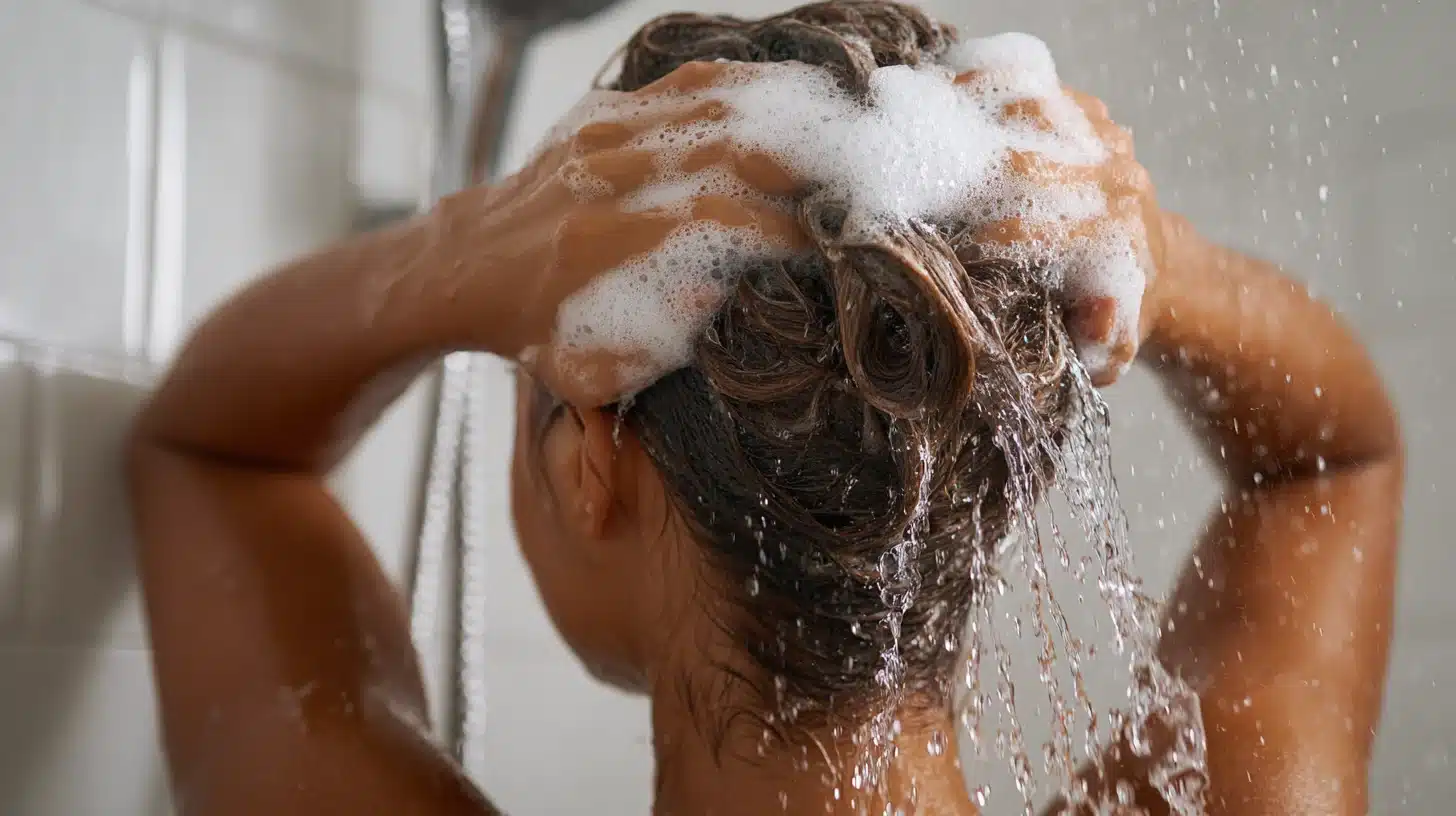
Do you rinse your hair with cold water? Are you wondering if it helps your hair grow?
There’s a lot of confusion about what cold water actually does.
Your hair texture matters here. Fine hair reacts differently from thick hair. Your cuticles and scalp respond to water temperature, too.
A lot of the confusion comes from mixing up two things: hair growth and hair retention. Cold water affects the second one, not the first. That distinction changes everything about how you use it.
Let me show you what cold water really does for your hair and what it doesn’t.
What Cold Water Does for Your Hair?
Cold water helps your hair stay healthy.
Cold water can’t fix genetic hair loss or reverse baldness, but it does protect your existing hair from damage.
It seals each strand’s outer layer, which locks moisture inside.
Cold water also boosts blood flow to your scalp, and better circulation means stronger roots.
That said, circulation is just one small piece of the growth puzzle. Nutrition, hormones, and scalp health have a far bigger influence. Cold water is just a supporting factor here.
So yes, cold water supports hair health. Just not in the way most people think.
Does Cold Water Actually Help Hair Grow Faster?
No, cold water doesn’t make hair grow faster. Hair growth happens inside follicles.
Water temperature can’t change that process.
Your genes determine growth speed. Most people grow half an inch monthly. Cold water won’t increase this rate.
But cold water does help in other ways.
The Real Benefits of Washing Hair With Cold Water

Cold water offers real benefits for your hair. These aren’t myths. They’re based on how temperature affects hair structure.
1. Boosts Natural Shine
Cold water makes hair shinier. Smooth surfaces reflect light better. Hot water raises cuticles. Light scatters, and hair looks dull.
I noticed this most under natural light. My hair looked glossier without adding extra products.
The shine difference is most visible on darker hair because the contrast between flat and raised cuticles is more pronounced.
On lighter or bleached hair, the effect is still there but subtler.
2. Helps Hair Color Last Longer
Colored hair fades faster with hot water. Heat opens cuticles and releases color molecules.
Color looks fresh for weeks longer.
3. Reduces Frizz and Flyaways
Frizz happens when cuticles stand up. Raised cuticles absorb moisture from the air. Hair swells unevenly.
Hair stays smooth in damp weather. Smooth hair generates less static, too.
On humid days, the difference was obvious. My hair felt less puffy.
This is also why your hair might behave differently in different cities or climates – high humidity accelerates this process regardless of how you rinse.
Cold water gives you a better starting point, but it’s not a complete fix in very humid conditions.
4. Supports Scalp Comfort and Balance
Cold water soothes itchy scalps. It reduces inflammation and calms irritation.
Hot water triggers oil glands. Scalps overproduce sebum. This creates greasiness.
5. Improves the Performance of Hair Care Products
Rinse temperature affects how products work. Conditioner needs closed cuticles to trap moisture.
Benefits wash away before sealing. This locks ingredients inside. Products actually do their job.
How Water Temperature Interacts with Hair and Scalp
Water temperature affects your hair and scalp differently.
Hot water opens things up. Cold water closes them down. Your hair has layers. The outer layer contains cuticles.
Open cuticles let moisture escape. Your hair dries out. Strands become rough and tangle easily.
Cold water seals cuticles flat against the hair shaft.
When cuticles lie flat, moisture stays locked inside. Your hair feels smoother because the surface is even.
Cold water also keeps hair firm. It stretches less when combined. This reduces breakage
How Cold Water Supports Hair Growth: The Real Way
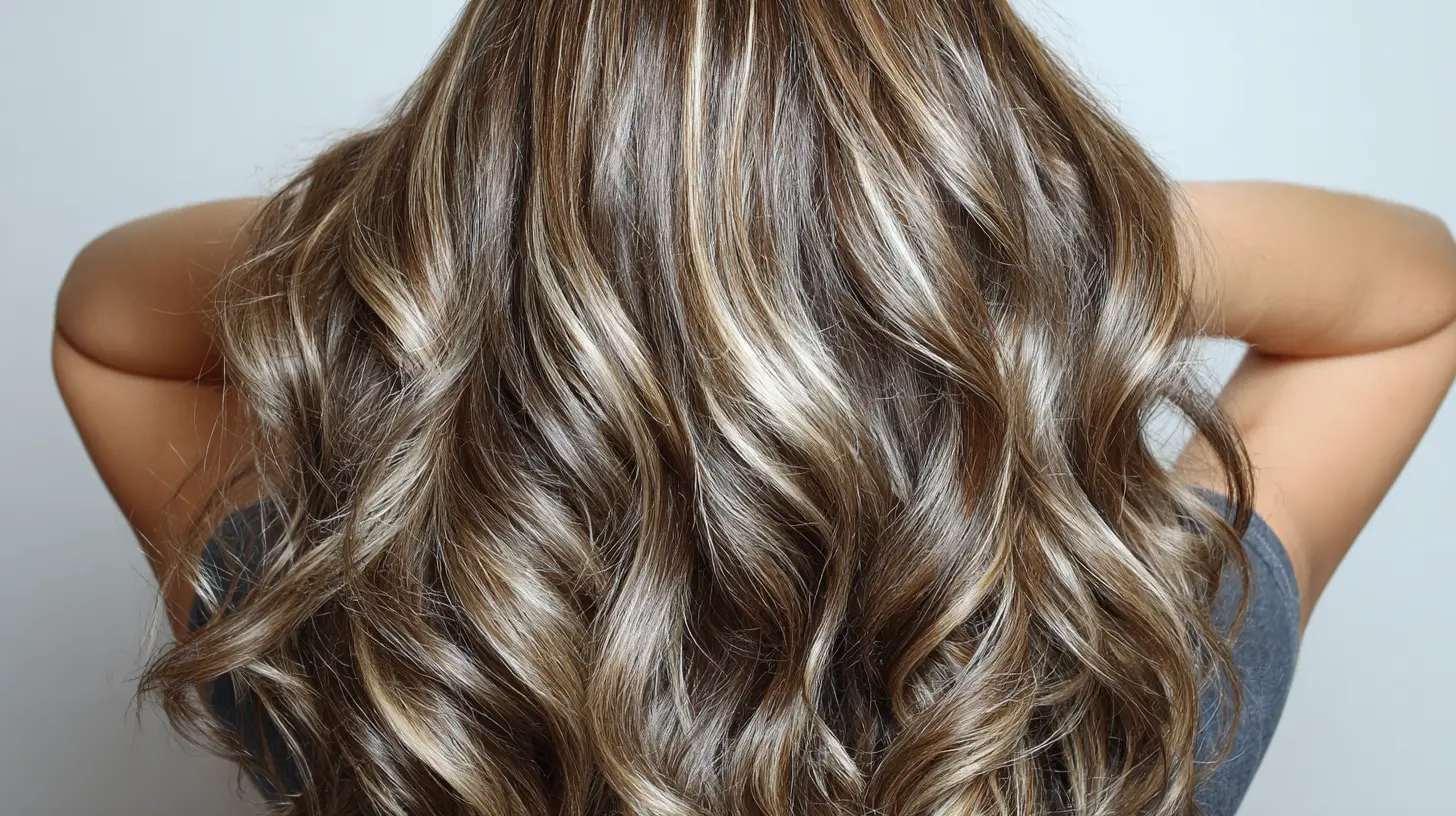
Cold water creates better conditions for keeping length. It strengthens each strand by sealing the protective outer layer tightly.
When your hair is stronger, it resists daily damage from brushing, styling, and environmental stress.
Cold water also temporarily stimulates blood flow to your scalp.
This brings more nutrients to your roots, which supports the quality of new hair coming in.
Healthier roots produce thicker, stronger strands from the start. The biggest impact is on retention.
Cold Water vs Hot Water: Which is Better for Your Hair?
Hot water cleans better. Cold water protects better. The best approach uses both strategically.
| Aspect | Hot Water | Cold Water |
|---|---|---|
| Primary benefit | Removes buildup effectively | Seals and protects hair |
| How it works | Cuts through oils and product residue | Works best as a final rinse |
| Best for | When hair feels heavy or greasy | Colored, dry, or frizzy hair |
| What it does | Opens pores and lifts dirt out | Smooths cuticles and locks in pigment |
| Caution | Don’t use every wash, strips natural oils | May feel uncomfortable initially |
This is the routine I personally stick to now. Hot to wash, cold to finish.
One thing worth mentioning: hard water complicates this equation.
If your tap water has high mineral content, even cold water can leave deposits on the hair shaft over time. A weekly clarifying wash helps offset this.
How Hot and Cold Should the Water Actually Be?
You don’t need freezing water to benefit your hair. The ideal temperature range is between 60°F and 80°F.
Room temperature water works just as well, effectively closing the hair cuticle without discomfort.
Extreme cold isn’t necessary because cuticles seal at moderately cool temperatures, and going colder offers no added benefit.
In fact, very cold water can shock the scalp and cause headaches. Consistency with a comfortable cool rinse always beats occasional extreme cold.
The ideal “hot” water temperature for washing hair is actually lukewarm, not scalding‑hot.
For most people, the recommended range is about 96–104°F (36–40°C), with the sweet spot around 100°F (37–38°C).
The ideal temperature is whatever you’re comfortable with.
How Often Should You Rinse Hair with Cold Water?
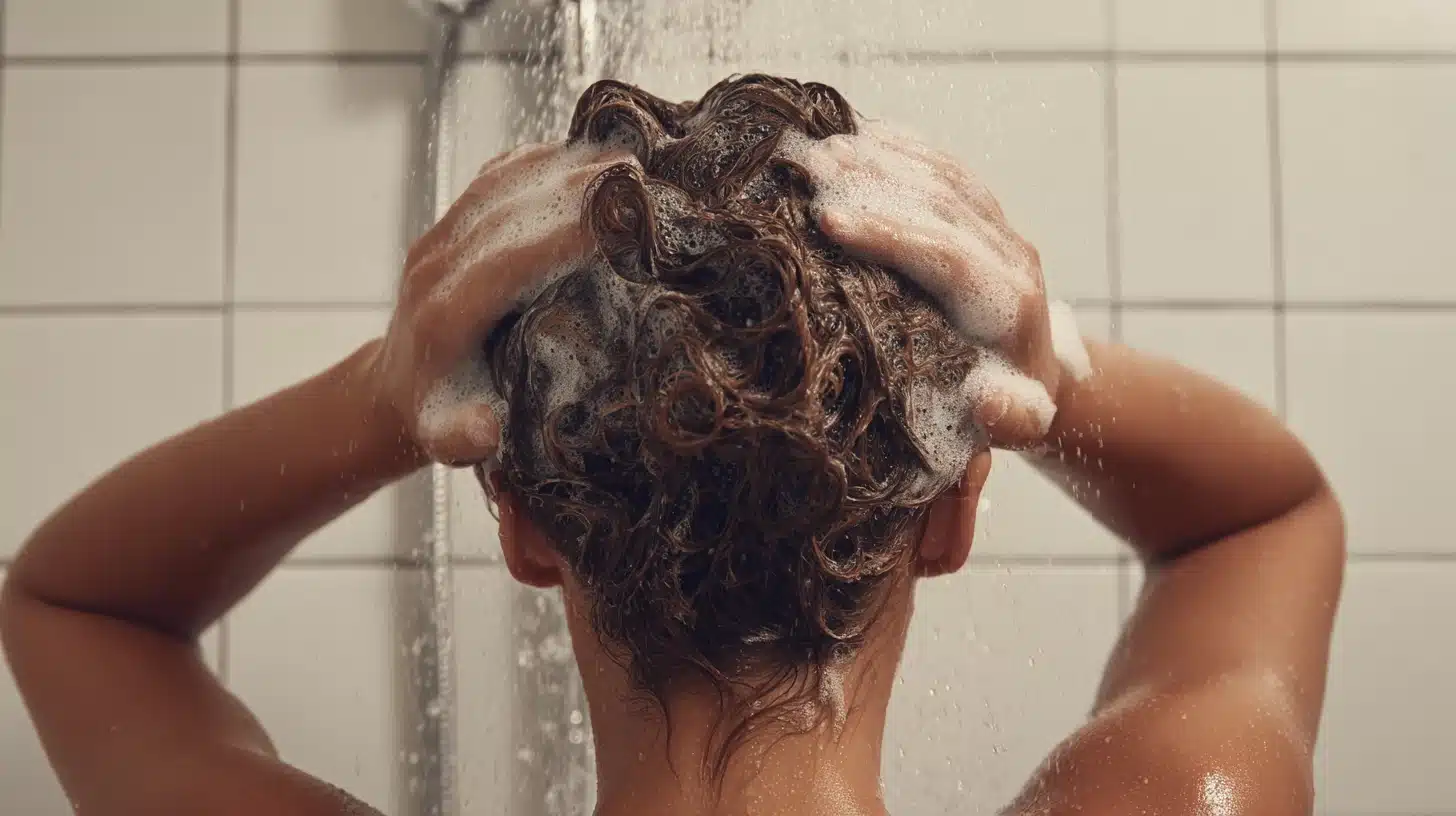
How often you use cold water depends on your hair type. There’s no one-size-fits-all answer here.
Daily vs Occasional
You can use cold water every time you wash. I do it with every shower.
Daily cold rinses work well if you wash frequently. Benefits build up over time. For occasional washers, use it each time.
Even twice weekly makes a difference.
Best for Oily vs Dry Hair
Oily hair benefits from daily cold rinses. It helps balance oil production.
I have oily roots and use cold water every wash. My hair stays fresh longer.
Dry hair needs cold water, too, but with good conditioner. Use it 2-3 times weekly.
Whether It Replaces Conditioner
No, cold water doesn’t replace conditioner. They work together. Conditioner adds moisture and nutrients.
I always condition first, then finish with cold water. This locks everything in.
Can Cold Water Help with Hair Fall?
Cold water affects breakage, not true hair fall. Let me be clear about this difference.
| Aspect | Hair Fall | Breakage |
|---|---|---|
| What happens | Strands shed from the root naturally | Hair snaps mid-shaft due to damage |
| Cold water effect | Cannot stop natural shedding from follicles | Can reduce breakage by strengthening the hair shaft |
| What I noticed | Shedding continued normally | Less hair in my brush from breakage |
Cold water strengthens existing strands.
Your scalp circulation improves, supporting healthier growth. Less breakage means you keep more length.
However, it won’t regrow lost hair or stop genetic balding. See a doctor if you’re losing excessive hair.
Long-Term Effects of Using Cold Water on Hair

Cold water benefits build up over time. Gradually, regular use strengthens hair and promotes a healthier scalp.
Hair Strength and Breakage
Cold water strengthens hair over months. Sealed cuticles mean less daily damage accumulates.
Breakage decreases after several weeks. Hair reaches longer lengths. Consistent cold rinses protect strands continuously.
Reduces Scalp Sensitivity Over Time
Cold water reduces scalp sensitivity gradually and lowers the heat stress.
It calms inflammation with repeated use. Itching and redness fade over weeks.
Oil production normalizes. However, very cold water might shock initially. Start lukewarm, then go colder slowly.
When Cold Water Might Not be the Best Choice
While cold water has its benefits, it isn’t always the best choice.
People with scalp conditions like dandruff or psoriasis may find that cold water aggravates irritation.
In winter months, a cold rinse can leave you feeling uncomfortable and chilled.
Cold water is also less effective at removing heavy product buildup or excess oil, so a proper warm wash is required first.
If you have very dry or brittle hair, cold water alone won’t provide the deep moisture your strands need.
Conclusion
Is cold water good for your hair? Yes, it offers real benefits that I’ve seen myself.
It seals cuticles, reduces frizz, and protects color. Your scalp stays balanced, too.
But let me be honest again, it won’t make hair grow faster. It prevents breakage, so you keep more length over time.
The best approach I have used is combining the hot water with cold rinsing. This will give you both cleaning softly and protection.
See how your hair responds. Do let us know the changes you notice.
Frequently Asked Questions (FAQ’S)
1. Can Cold Water Lead to Hair Loss?
Cold shower hair loss has nothing to do with the temperature.
2. What Speeds up Hair Growth?
To make hair grow faster, focus on a nutrient-rich diet.
3. What is Most Damaging to Hair?
Excessive heat styling, chemical treatments, rough handling, and harsh products.
Among heat tools, flat irons cause more cumulative damage than blow dryers because they apply direct, concentrated heat to a single point on the shaft repeatedly. A good heat protectant doesn’t eliminate damage – it only reduces it.
4. What Not to do After Washing Hair?
Drying your hair with a towel.