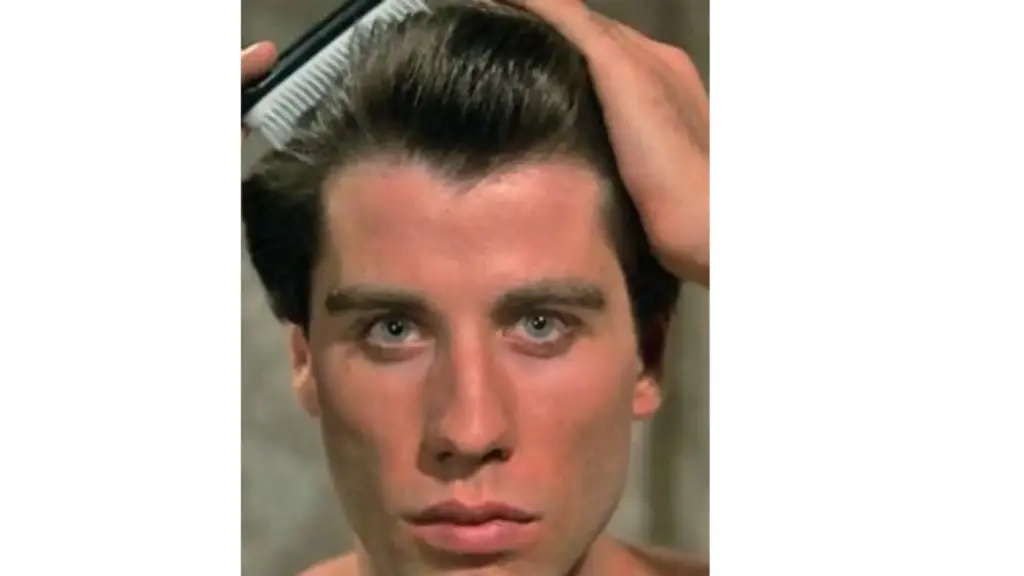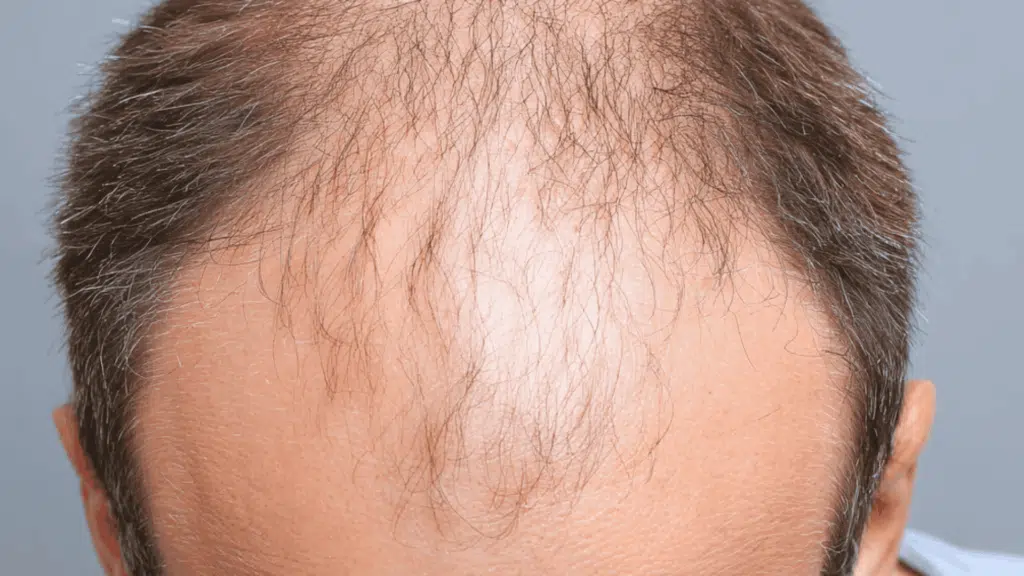


A hairbrush pulls through a knot, and a strand comes loose with a small white bulb stuck to the end. That bulb makes people assume a hair follicle has been pulled out for good, taking the root with it.
However, hair follicle is much deeper inside. A hair follicle is an elongated, tubular pouch located deep inside the first two layers of skin, far away from the reach of hairbrushes or any pulling and growing hair.
The small oil gland next to it works to prevent dehydration of the skin and strands every day.
About 100,000 hair follicles are located in the scalp alone, while millions more are found on other parts of the body, each housing one hair strand.
But hair growth is not their only purpose. Hair follicles are also involved in the skin regeneration process after minor cuts, something that is hardly connected with hair production.
But what does pulling actually pull out? The answer becomes clear once you break the process down.
What Happens When Hair is Pulled?
Pull a strand hard enough, and something white and round often comes with it. That’s not the follicle. It’s the root, still attached to its bulb.
The follicle stays exactly where it is, covered beneath the skin. Being extracted from the skin can feel like a hair follicle being yanked out, but it’s not very common.
Shedding and pulling look nothing alike, once the difference is laid out side by side:
- Shedding: Happens daily, causes no pain, and often goes unnoticed
- Pulling: Takes force and can leave the scalp red or tender for a short stretch
One accidental pull causes little more than brief discomfort. The real risk builds when the same spot gets pulled again and again.
The Hair Growth Cycle
Hair doesn’t just grow and stop. It moves through stages, over and over, for as long as a follicle stays healthy.
Anagen (Growth Phase)
In this stage, a follicle keeps pushing out new hair, sometimes for years without stopping. The length depends on genetics, age, and which part of the body is growing.
Catagen (Transition Phase)
Growth pauses here for a couple of weeks. The strand starts pulling away from its blood supply. The follicle shrinks slightly, easing into the next stage.
Nothing dramatic shows on the surface, but the groundwork for shedding is already underway.
Telogen (Resting Phase)
Nothing grows during this stretch, though nothing falls out yet either. A new hair is already forming underneath, quietly waiting its turn.
Exogen (Shedding Phase)
This is the actual shedding stage. Old strands come loose on their own. New ones push through around the same time, taking over the space left behind.
Most daily hair loss, from brushing and washing, comes from strands sitting in this final stage.
Hair Follicle Pulled Out: Will it Grow Back?
Regrowth almost always happens, as long as the follicle stayed healthy underneath. No scarring, no lingering redness, and no ongoing tenderness are the signs that point toward a strand growing back on schedule.
Timing depends on which stage the hair was in when it came out. If you pulled during anagen, the active growth stage, regrowth can take a few months to show up.
If you pulled during telogen, the resting stage, regrowth tends to move faster, often within weeks.
Eyebrows and eyelashes work on a shorter clock than scalp hair. They typically finish growing back within one to six months, while scalp hair keeps growing for years once it starts.
A missing brow hair or lash often reappears within weeks. Scalp strands take longer, simply because that growth phase runs longer to begin with.
What Hair Bulb Color Means
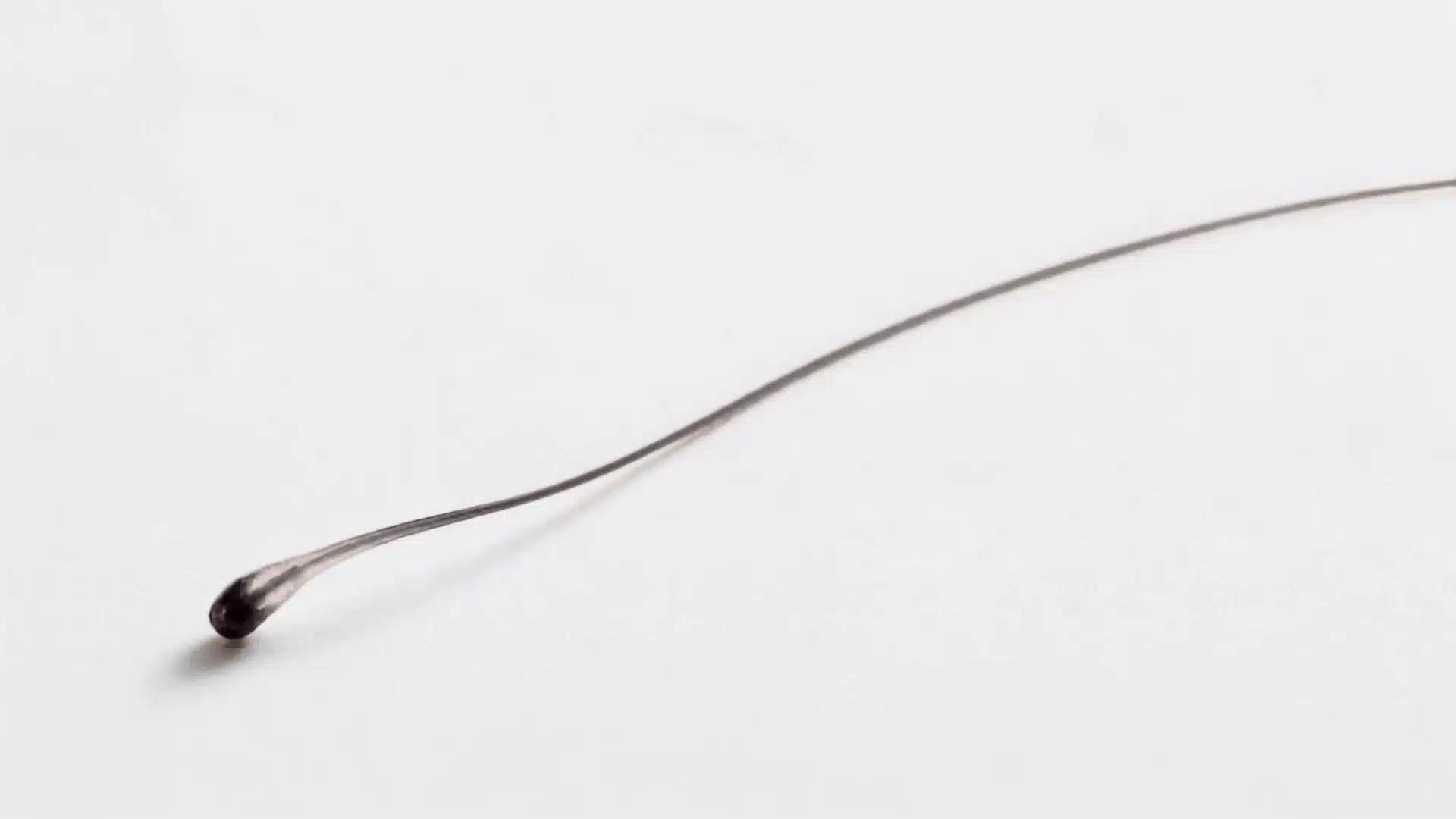
Bulb color says more than most people realize about what actually happened during the pull.
- White or pale bulb: the hair was likely already resting, shedding on its own schedule
- Darker bulb: more force was involved, which can bring short-term irritation but nothing lasting
- Black-tipped bulb: pigment hasn’t fully bonded yet, so the regrowth might come in gray or white at first
- Red-tipped bulb: the one real warning sign, meaning blood supply came along with the strand
Most of the time, the bulb looks white, and nothing more needs to happen. Redness or pain sticking around for more than a day or two is worth paying attention to.
Can Hair Follicles Be Damaged?
A follicle can take a fair amount of stress before real trouble sets in, but it isn’t indestructible either. Certain habits and situations wear it down over time.
One-Time vs Repeated Hair Pulling
A single accidental pull, from a hairbrush or a stray tug, rarely leaves any lasting mark. The follicle recovers on its own within days.
Pulling from the same spot again and again is where the risk builds. The follicle never gets a full chance to heal between each pull.
Tight Hairstyles and Traction
Ponytails, braids, and extensions pull on the same roots for hours at a time.
Over months, that steady tension can weaken follicles the same way repeated plucking does, a pattern often called traction alopecia.
Loosening up a hairstyle every so often gives those roots a real chance to recover.
When Pulling Becomes a Habit (Trichotillomania)
Some pulling isn’t accidental at all. Trichotillomania is a condition where a person feels a repeated urge to pull out their own hair.
Left unaddressed, this pattern can wear down the same follicles over months or years. Therapy and professional support tend to help more than willpower alone.
Infections Like Folliculitis
Damage doesn’t always trace back to pulling. Folliculitis, an infection that inflames the follicle, can leave the scalp itchy, red, or dotted with small bumps.
Left untreated, it can weaken follicles in the same way repeated trauma does.
When Damage Becomes Permanent
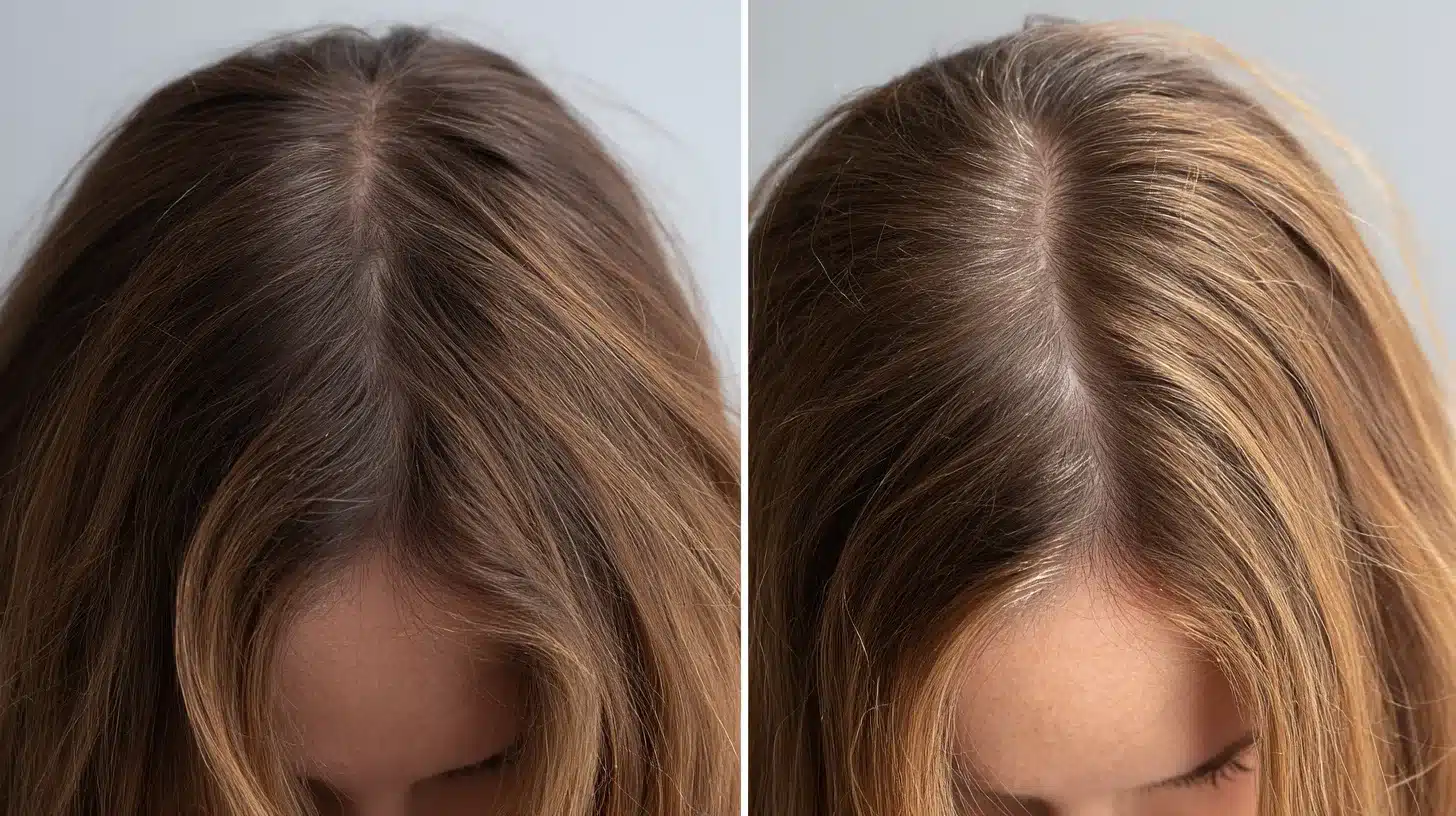
A single pulled hair rarely causes lasting harm. The follicle underneath usually heals on its own and starts producing a new strand without much trouble.
Repeated pulling in the same spot changes that outlook. A few patterns tend to push things toward permanent damage:
- Trauma that happens again and again in one area
- Scar tissue forming around the follicle over time
- No new growth showing up even months after the pulling stops
Once scar tissue sets in, the follicle can no longer produce hair in that spot, and no amount of waiting reverses it.
This is the real line between temporary and permanent. It’s the pattern of repeated pulling, not a single accident, that pushes a follicle past the point of return.
Signs Hair May Not Regrow
A few warning signs point toward a follicle that isn’t recovering well. None of them confirm permanent damage alone, but seeing several together is worth paying attention to.
No New Growth: Nothing growing back in the area after three or four months is one of the clearest signs to watch for.
Visible Scarring: Skin turning smooth or discolored where hair used to grow usually means the follicle scarred over. Regrowth in that spot becomes unlikely after that.
Heavier Shedding: Losing more strands than usual from one spot, over and over, often points to a follicle that’s struggling.
Breakage or Thinning: Strands that snap easily, or a patch that keeps thinning week after week, often means hair isn’t growing in as strong as it used to. This kind of change tends to build slowly, not overnight.
Scalp Changes: Skin turning dry, flaky, or oily around one area can mean something’s off underneath. Scalp changes sometimes show up before the hair itself does.
Early Gray Patches: Gray hair coming in early in just one spot can mean the pigment cells there stopped doing their job.
The Bottom Line
Worry over a pulled strand usually fades once the mechanics are clear.
Follicles sit too deep under the skin to come loose from ordinary force. Growth phases explain why some hair returns faster than others.
Scarring is the one real line between a scare and something lasting.
A hair follicle pulled out sounds permanent, but the follicle itself is rarely what’s at risk. Repeated stress on one spot, not a single pull, is what actually matters.
Frequently Asked Questions (FAQs)
1. Does it Hurt When a Hair Follicle Gets Pulled Out?
A single strand usually causes a quick pinch that fades within seconds.
2. Can Plucking the Same Gray Hair Over and Over Stop it from Growing Back?
Eventually, yes, if the same spot gets plucked again and again over time.
3. Is it Safe to Pull out Several Hairs at Once, Like with Waxing or Threading?
Generally, yes, unless the same patch gets waxed or threaded too often.
4. Does Pulling Hair Affect Future Hair Transplants in That Area?
Rarely, unless the area already carries heavy scarring from repeated trauma.
5. Can Supplements Like Biotin Speed Up Regrowth After a Strand Gets Pulled?
Not meaningfully, though they do support overall hair health.