Keeping braids, twists, curls, and other hairstyles looking neat for longer often comes down to what happens while you sleep. Friction from pillowcases, overnight movement, and changes in humidity can contribute to frizz, tangles, and a less polished appearance by morning. A simple haircare accessory can help reduce some of these problems without requiring extra styling every day.
A hair bonnet for protective hairstyles creates a soft covering around your hair, helping limit friction and keep strands contained while you rest.
It can be particularly useful for braided styles, natural curls, twists, and other hairstyles that take time to create and maintain. Choosing the right bonnet and wearing it correctly can help preserve your style, reduce unnecessary manipulation, and make your daily haircare routine easier.
What Is a Hair Bonnet and How Does It Work?
A hair bonnet is a fabric covering designed to fit over the hair, commonly worn overnight. Many styles feature satin or silk fabric, which provides a smoother surface than many traditional cotton fabrics.
This can help reduce friction as your hair moves against the bonnet during sleep. Unlike tight hair ties or accessories that hold hair in a particular position, a bonnet provides coverage without necessarily compressing the hairstyle. Its effectiveness depends on the material, fit, and way it is worn.
Why the Material Matters
The fabric that touches your hair can influence comfort and friction throughout the night.
- Satin bonnets: Often chosen for their smooth surface, comfortable feel, and availability in different sizes and designs.
- Silk bonnets: Made from silk fibres and valued for their smooth texture, although they may require more delicate care.
- Cotton coverings: Comfortable for many uses, but some cotton fabrics can create more friction against hair than smooth satin or silk.
Satin is a type of weave or finish, rather than a fibre in itself, so satin bonnets can be made from different materials. Checking the product description helps you understand what you are buying.
How a Hair Bonnet Helps Protect Braids
Braided hairstyles can last for days or weeks, depending on the style, hair type, and maintenance routine. Although braids reduce the need for daily styling, the surrounding hair and exposed ends can still experience friction and tangling.
Helps Reduce Friction Overnight
When you sleep, your hair moves against your pillowcase and bedding. Repeated rubbing can contribute to frizz, particularly around the hairline and the loose ends of braids.
A well-fitting bonnet provides a smoother surface for your hair to rest against. This may help reduce friction and keep the braids more organised overnight.
- Choose a bonnet that accommodates the full length of your braids.
- Avoid forcing long or thick braids into a bonnet that is too small.
- Make sure the edges sit comfortably without pulling at your hairline.
Helps Keep Braids Neat
Braids can shift and become tangled when they move freely during sleep. A bonnet helps contain them, making it easier to maintain their arrangement between styling sessions.
It can be particularly useful for box braids, knotless braids, cornrows with extended ends, and other protective styles. However, it will not prevent every form of frizz or guarantee that braids remain neat for a specific length of time.
Benefits for Curls, Twists and Other Hairstyles
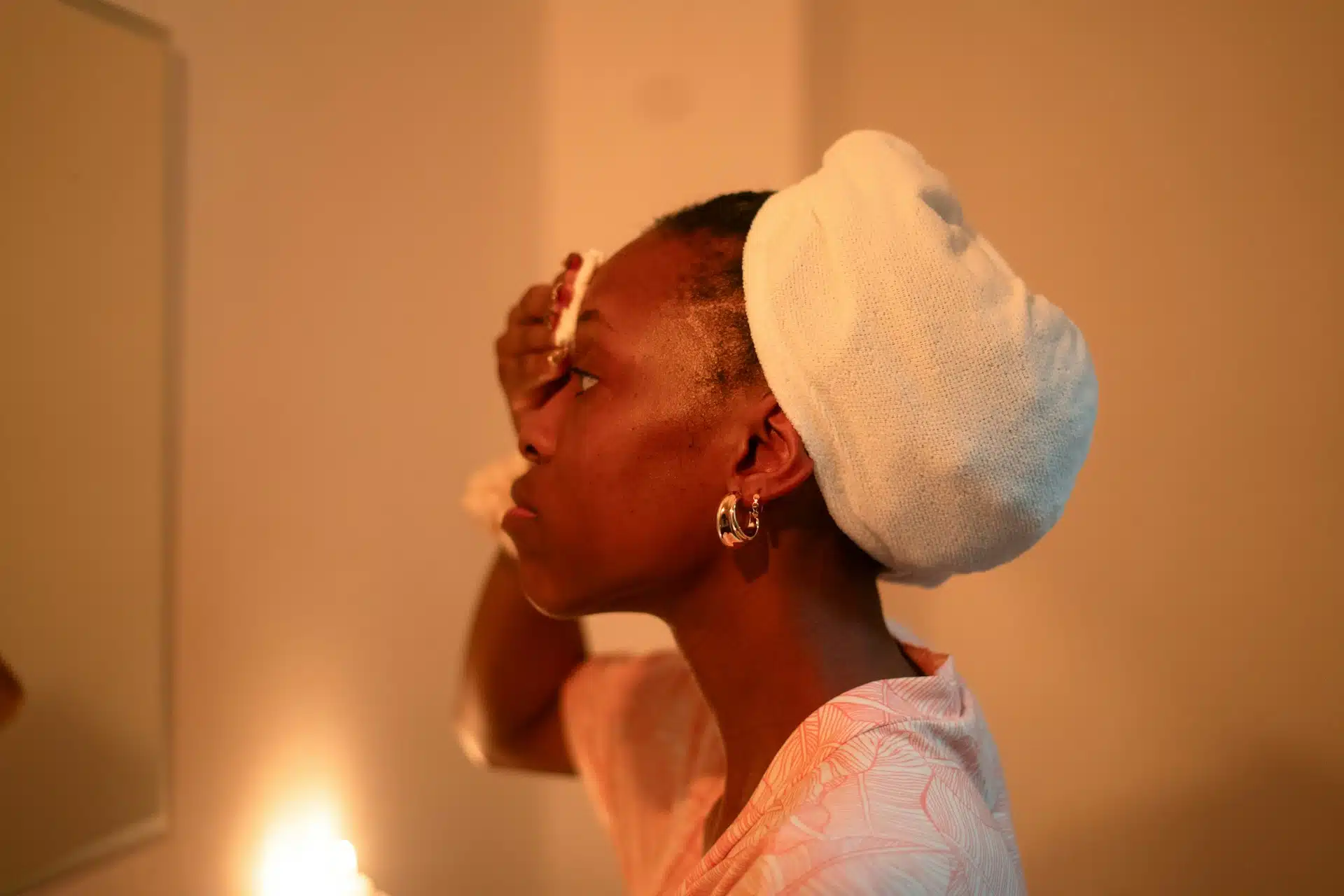
A hair bonnet is not limited to braided hair. A hair bonnet for protective hairstyles can also support routines for natural curls, twists, locs, and stretched hairstyles.
Supports Natural Curls and Twists
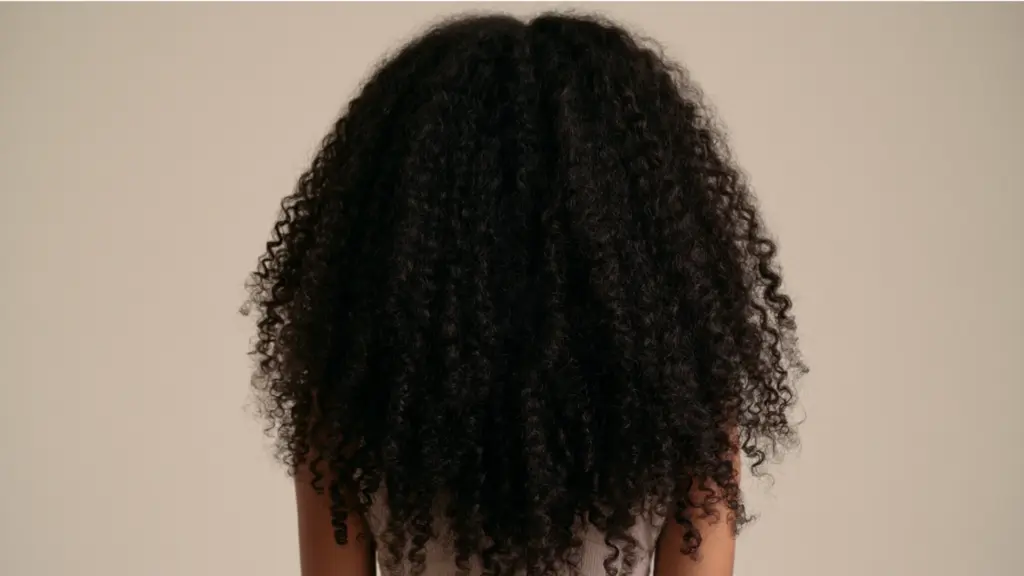
Curly and coily hair can be more prone to tangling when strands rub against each other and surrounding fabrics. A bonnet helps keep the hair contained, which may make it easier to preserve curl definition and reduce morning detangling. For twists and other defined styles, the covering can help minimise disruption caused by overnight movement.
- Gather longer curls gently rather than pulling them tightly.
- Choose a bonnet with enough depth to accommodate your hairstyle.
- Avoid compressing curls if maintaining their shape and volume is important.
Helps Preserve Blowouts and Stretched Styles
Straightened hair and blowouts can lose their smooth appearance when exposed to friction or moisture. While a bonnet cannot prevent humidity from affecting your hair, it can help reduce contact with rough bedding.
For longer styles, select a bonnet that allows the hair to sit comfortably without bending it into an awkward shape. If your hair is particularly long, an elongated bonnet may be more practical than a standard round design.
How to Choose the Right Hair Bonnet
The best bonnet is one that fits your hairstyle, stays in place, and feels comfortable throughout the night. A beautiful design is useful, but the practical details matter more when you intend to wear it regularly.
A bonnet should cover your hair without creating excessive pressure around your forehead or temples. Too much tension can cause discomfort and place unnecessary stress on the hairline. When comparing options, consider these factors:
- Size: Look for enough room for your braids, twists, or curls without squeezing them together.
- Adjustability: Elastic bands, ties, or adjustable closures can help improve the fit.
- Lining: A smooth inner surface can help minimise friction.
- Durability: Well-constructed seams and a suitable closure can make a bonnet more practical for regular use.
How to Wear a Hair Bonnet Correctly

Even a good-quality bonnet may not work as intended if it is worn too tightly or does not fully cover the hairstyle. A few simple steps can make overnight protection more effective.
Prepare Your Hair Before Bed
Start with hair that is dry or appropriately prepared for your usual nighttime routine. Avoid trapping excessively damp hair in a covering, as prolonged moisture and limited ventilation may contribute to scalp discomfort.
- Gently detangle loose ends where appropriate.
- Arrange braids or twists so they fit naturally inside the bonnet.
- Avoid tight ponytails or buns that pull on the roots.
- Position the bonnet so it covers the hairline without digging into the skin.
In the morning, remove the bonnet gently and check your hairstyle before brushing, separating, or restyling it.
Keep Your Bonnet Clean
Hair products, natural scalp oils, and sweat can accumulate on fabric over time. Regular cleaning helps keep the bonnet fresh and comfortable. Follow the care label, particularly for silk or delicate fabrics. Allow the bonnet to dry fully before wearing it again, and replace it if the lining becomes rough or the elastic loses its comfortable fit.
Conclusion
A hair bonnet can help protect braids and other hairstyles by reducing friction, keeping hair contained, and limiting unnecessary disturbance while you sleep.
The right fit and a smooth lining are especially important for maintaining comfort and helping your hairstyle look neat for longer. Explore suitable bonnet styles to find an option that fits your hair length, preferred hairstyles, and overnight comfort needs.