
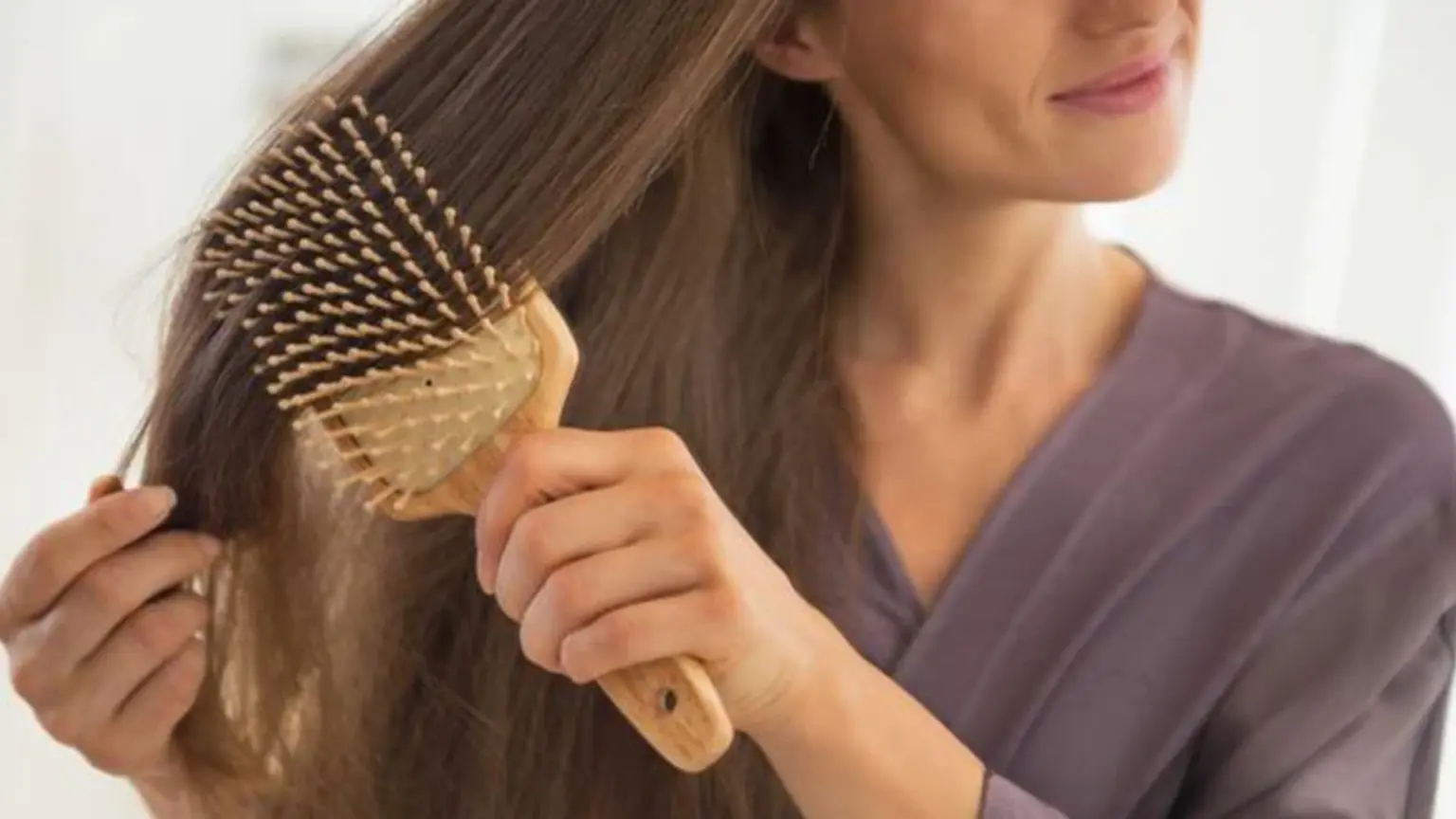
Most people don’t think twice about brushing their hair each day. However, over time, poor technique can subtly result in knots, dullness, and breakage.
Learning what the best way to brush hair is isn’t complicated, but it can make a real difference.
The proper method, the appropriate equipment, and the little routines that maintain healthy hair are all covered in this tutorial.
Below is everything you need to get it right, from daily strokes to the ideal brush for each hair type.
Let’s Start With How Often You Should Really Brush Your Hair
Although there isn’t a specific amount that suits everyone, twice a day is an excellent starting point.
In the morning, brushing aids in the distribution of oils and gets hair ready for the day. Before bed, a light brushing at night removes any buildup.
Another factor is hair type, since curly hair requires far less brushing than straight hair. Gentle, consistent brushing is preferable to frequent, vigorous brushing, since frequent brushing can actually cause more breakage than it avoids.
Why Brushing Your Hair is Important
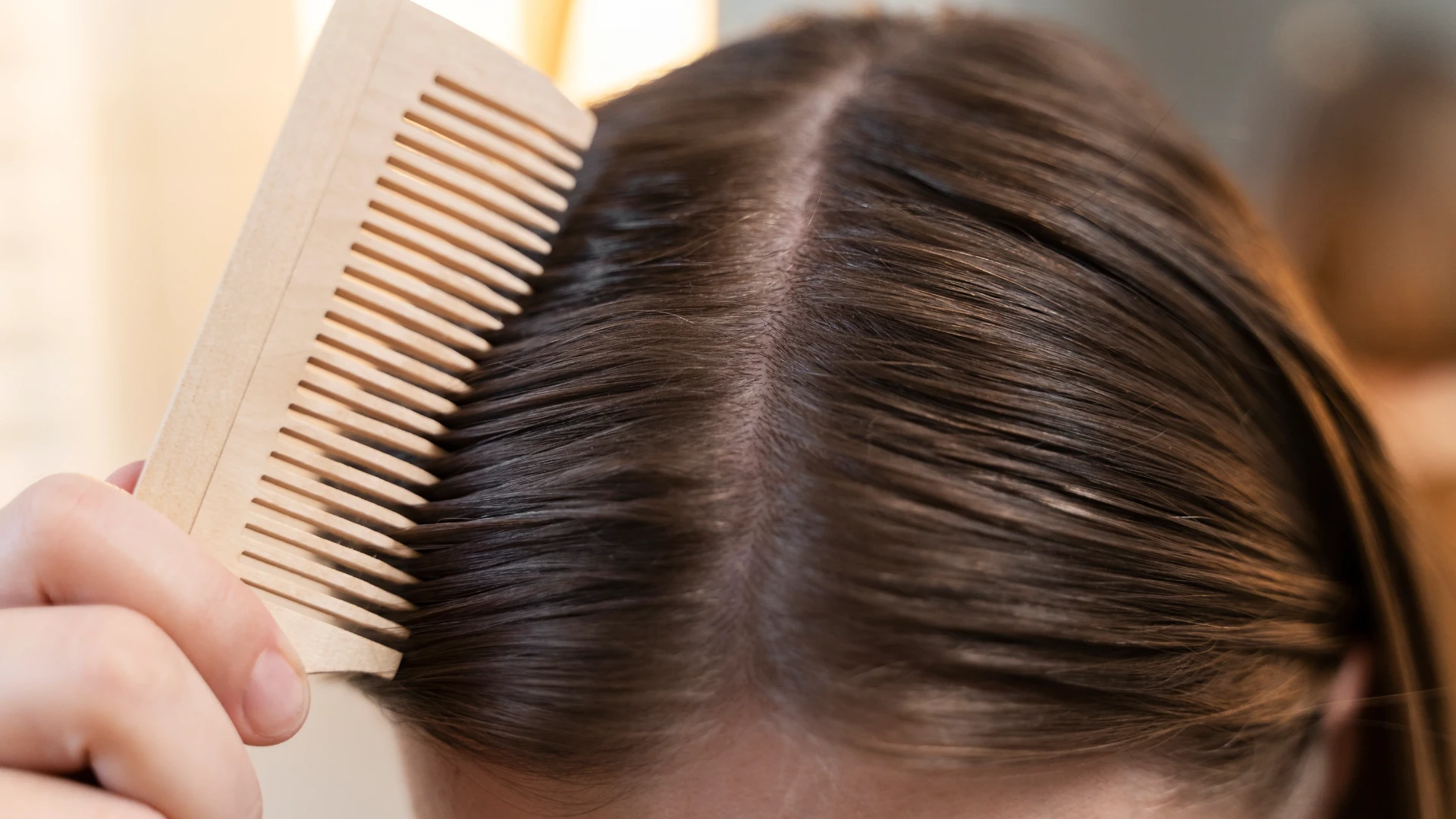
Brushing does more than remove stray hair. Over time, it significantly contributes to the health of the scalp and hair.
Keeps Hair Healthy Overall
Frequent brushing distributes natural oils from the scalp to the ends. Strands remain smooth, supple, and less likely to dry out.
Additionally, it removes product buildup and dust that accumulates throughout the day. Over time, this easy practice helps keep hair looking well-maintained and adds shine.
Cares for the Scalp
Every stroke of a brush gently massages the scalp. This boosts blood flow to hair follicles, which helps deliver oxygen and nutrients where they are needed most.
A healthy scalp is the base for healthy hair, so this step matters more than most people realize.
Brushing Hair to Avoid Breakage
Breakage usually happens when you rush through knots instead of working with them. When a brush is dragged directly through a tangle, the hair shaft is strained, and strands may break.
Brushing hair before washing also helps because shampoo leaves fewer tangles behind.
Furthermore, using a brush with rounder bristles instead of pointed ones reduces scalp discomfort.
Stimulates Growth and Clears Loose Hair
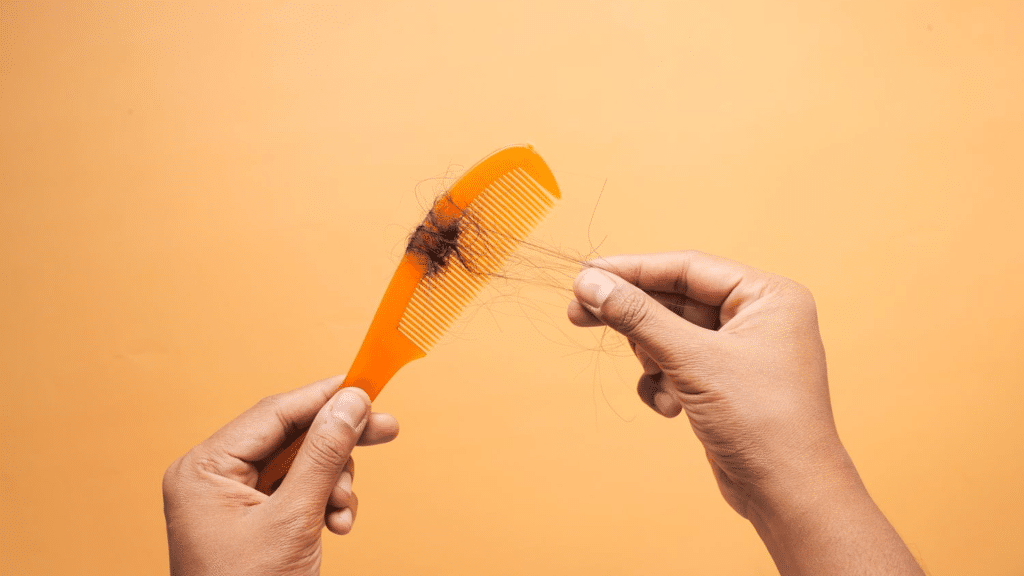
Brushing can remove strands that have completed their growth cycle and are ready to shed.
Eliminating them creates space for new growth. The follicles linked to future strands may be supported by the stimulation of the scalp caused by brushing.
What is the Best Way to Brush Hair Based on Hair Texture?
A bottom-up method works better for the majority of hair types than brushing straight down from the roots. The real damage usually starts when a brush is pushed past resistance close to the scalp.
Most people are unaware of how important the sequence is:
1. Instead of dealing with hair all at once, divide it into two or three manageable parts.
2. Hold each segment gently and begin brushing at the very ends.
3. Before going higher, resolve any tangles.
4. Section by section, move the brush upward in quick strokes.
5. Once the remainder of the section is free to move, finish at the roots.
6. Continue to the following section until the entire head is finished.
How to Brush Hair According to Each Hair Type?
Combing hair according to your hair type reduces breakage, especially on days when hair feels extremely tangled, but it takes a bit longer than brushing straight down.
How to Brush Straight Hair or Soft Hair
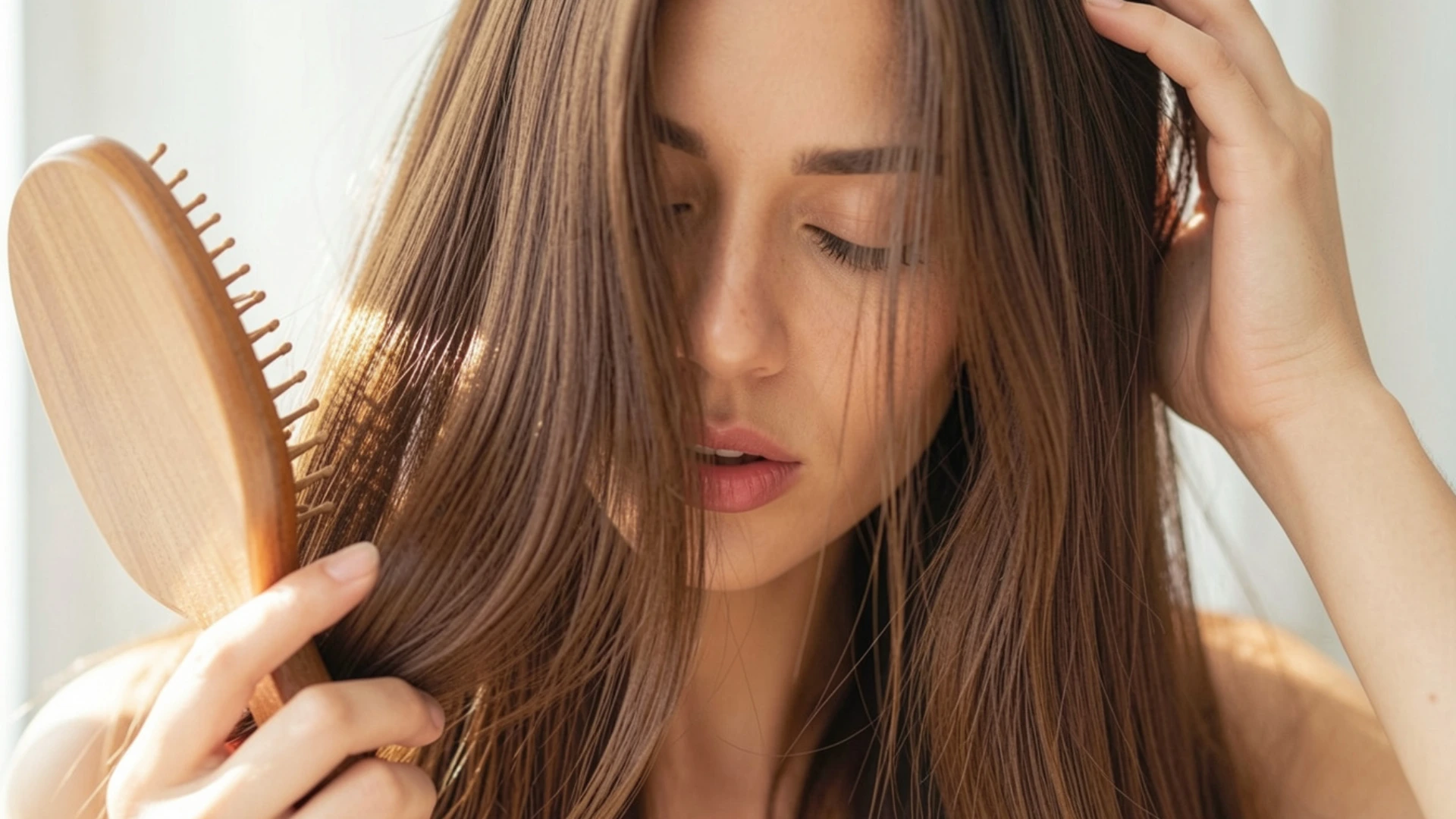
Although silky, straight hair is less likely to tangle, it can still break when handled roughly. It stays bright and silky with a delicate approach.
- For everyday brushing, use a boar bristle brush or a paddle brush.
- Work your way down from the mid-lengths to the ends.
- Only proceed toward the roots after the lower portion feels smooth.
- Instead of brushing against the hair, brush in the direction it naturally falls.
- Avoid brushing too quickly, since it increases flyaways and friction.
Slow, steady strokes are far more effective than speeding through soft hair, which can show damage quickly.
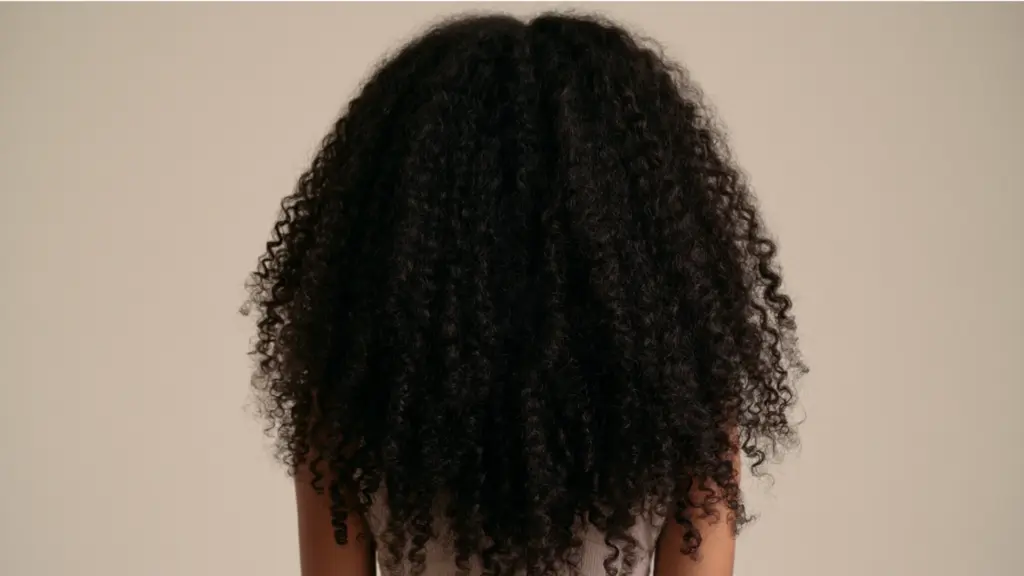
How to Brush Curly Hair?
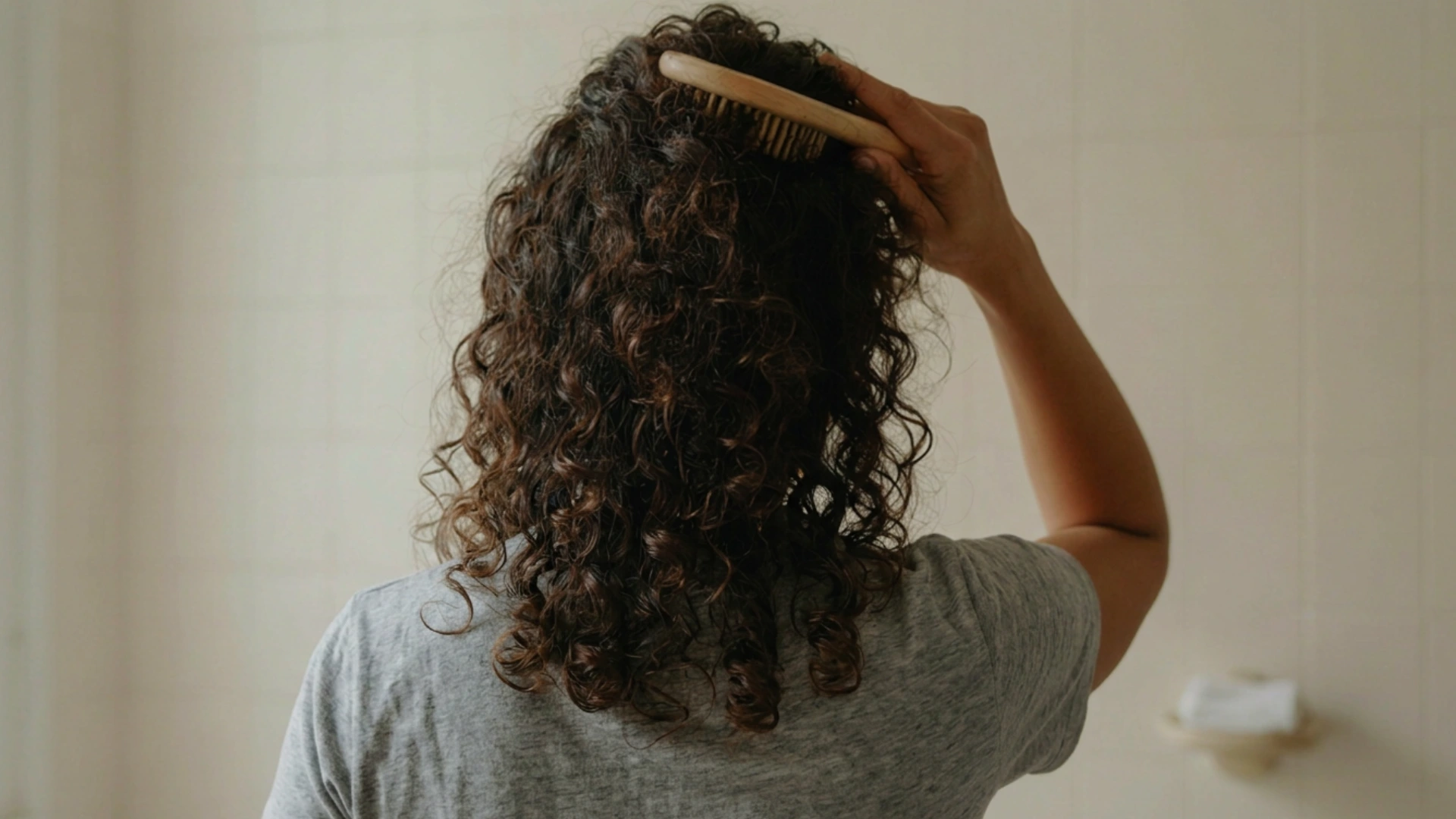
Curly hair requires a completely different way of thinking. Less brushing typically yields better results because frequent brushing can cause frizz and pull curls apart.
- Never use a standard brush to detangle; use your fingers or a wide-tooth comb instead.
- While curls are still moist and not completely dry, work through them.
- Before combing, use a detangler or leave-in conditioner to lessen friction.
- Start at the ends and comb in small portions.
- If you want a purposefully voluminous look, don’t brush dry curls.
When curly hair is left alone in between wash days, it maintains its shape the best. Unwanted frizz forms, and excessive handling breaks up the natural curl pattern.
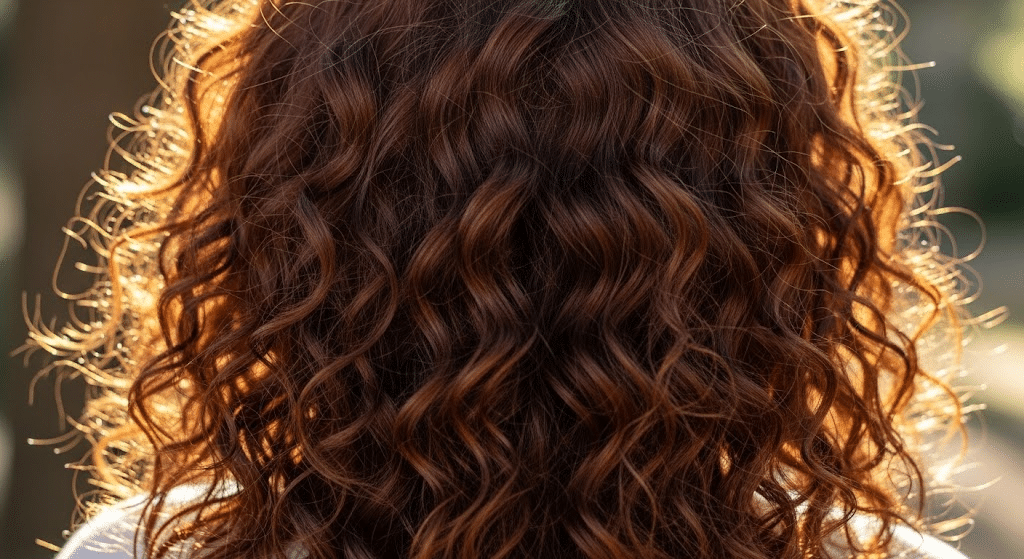
How to Brush Wavy Hair?
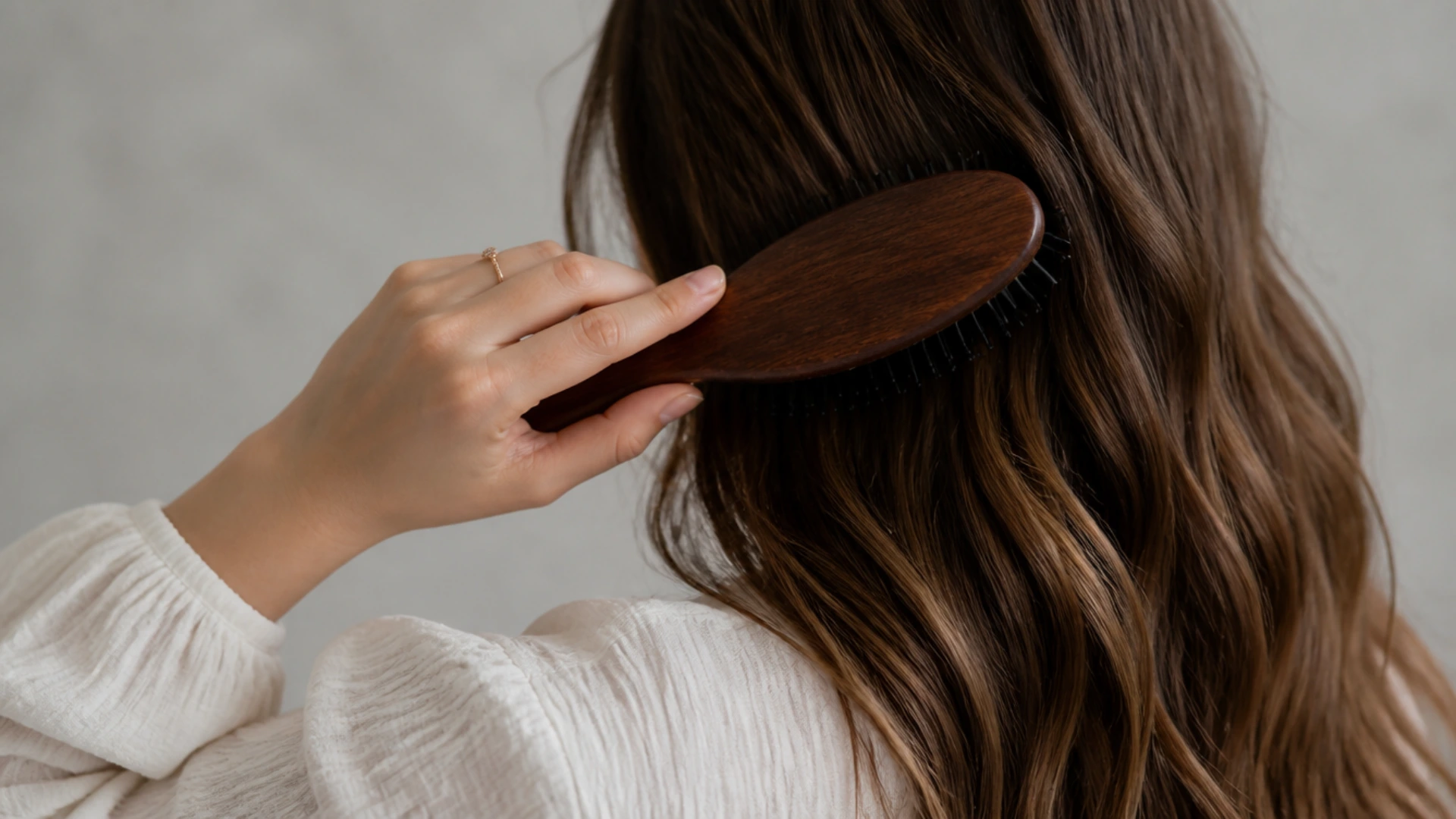
Wavy hair requires a middle-of-the-road strategy because it falls between straight and curly. The wave is torn apart by excessive brushing. If you brush it too little, it becomes tough and twisted.
- Use a wet brush (like the Wet Brush) or a wide-tooth comb.
- Brush while the hair is still damp, not completely dry.
- Work your way up to the roots, starting at the ends.
- If you wish to preserve the wave pattern, skip the dry brush-out.
- To reduce friction, use a mild leave-in product before combing.
The easiest way to maintain the shape of wavy hair is to brush it immediately after washing. The wave is broken up, and frizz is added by brushing it dry.
How to Brush Wet Hair?
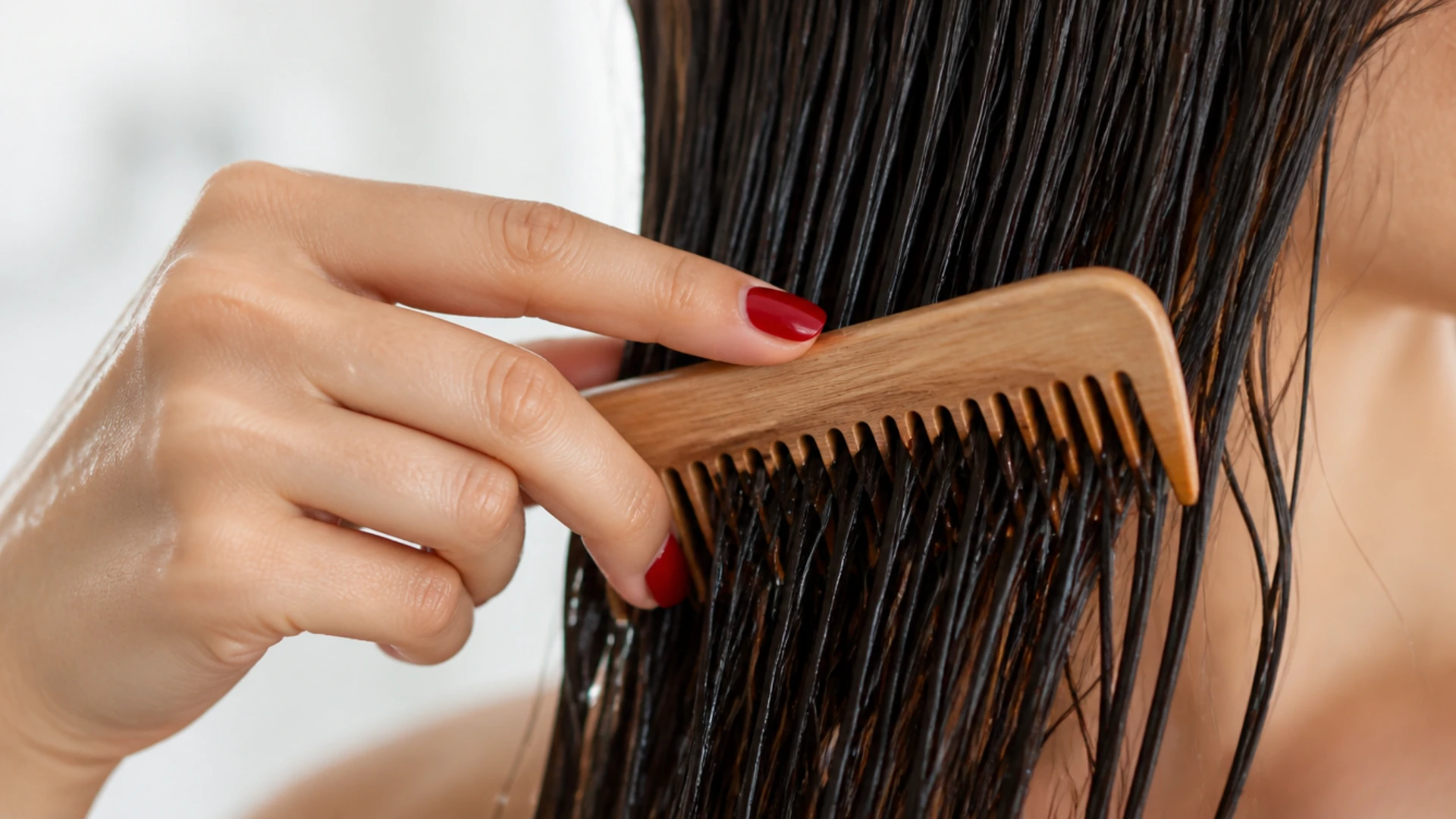
A wide-tooth comb is a safer option because wet hair is more brittle and stretches readily. Work your way up from the ends in manageable chunks.
Detangling becomes smoother and less frictional when you add a leave-in conditioner beforehand.
How to Brush Dry Hair?
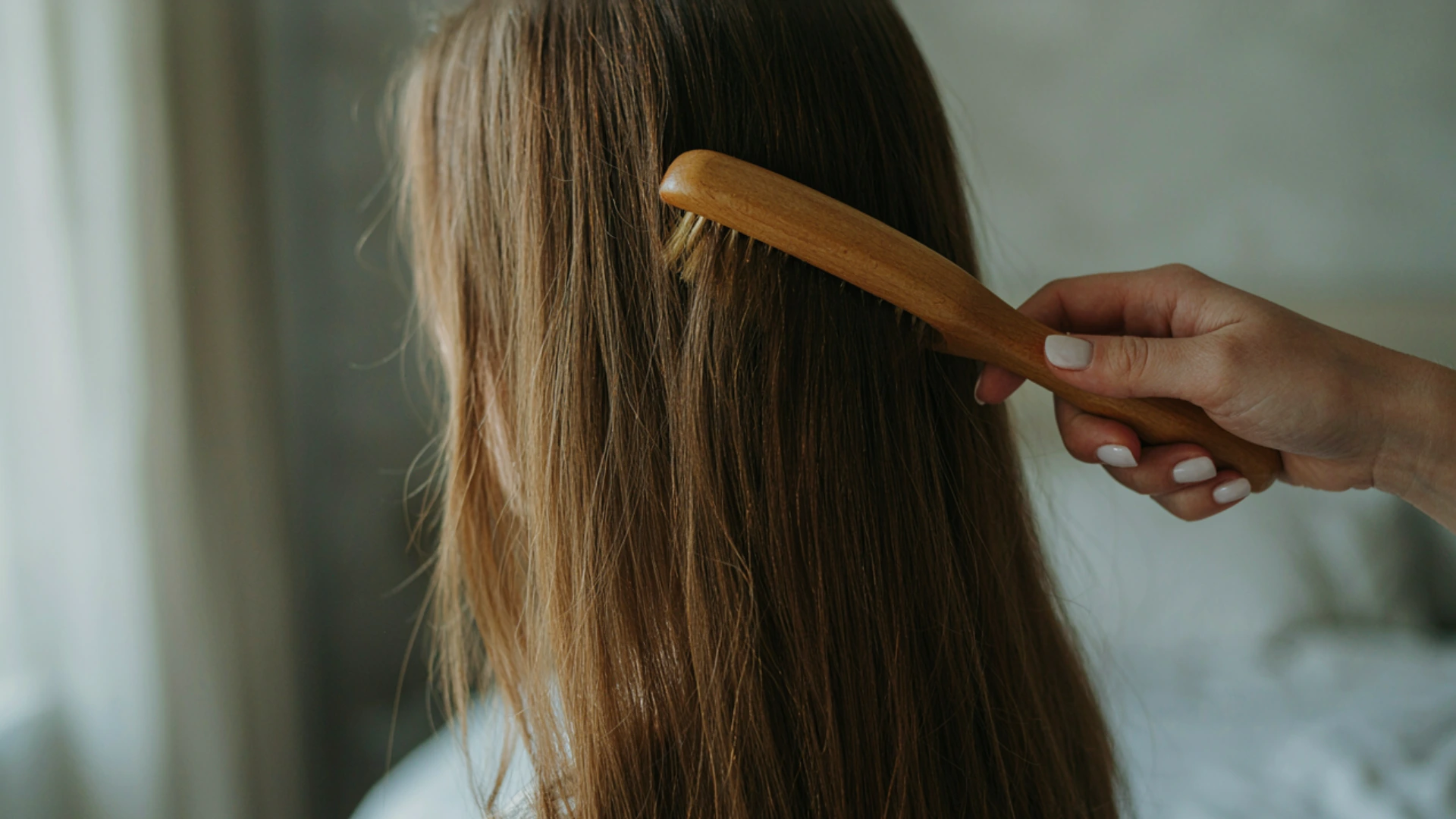
You can brush dry hair with a standard brush, but soft strokes are still important. Shampooing goes faster when you brush dry hair before a wash, as it helps release knots.
This also disperses natural oils that have accumulated since the last wash.
Signs You’ve Been Brushing Your Hair the Wrong Way
Certain hints are easy to overlook until the damage mounts. One warning indicator is hair that breaks or sheds more than normal when brushed.
Another is persistent knots that never seem to come loose. Another sign of a technique issue is a brush that pulls at the scalp rather than glides through the hair.
If hair feels scratchy or looks dull immediately after brushing, the technique is probably doing more harm than good.
Early detection of these indicators facilitates the transition to a more compassionate attitude before actual harm occurs.
Effective Tools Used for Brushing
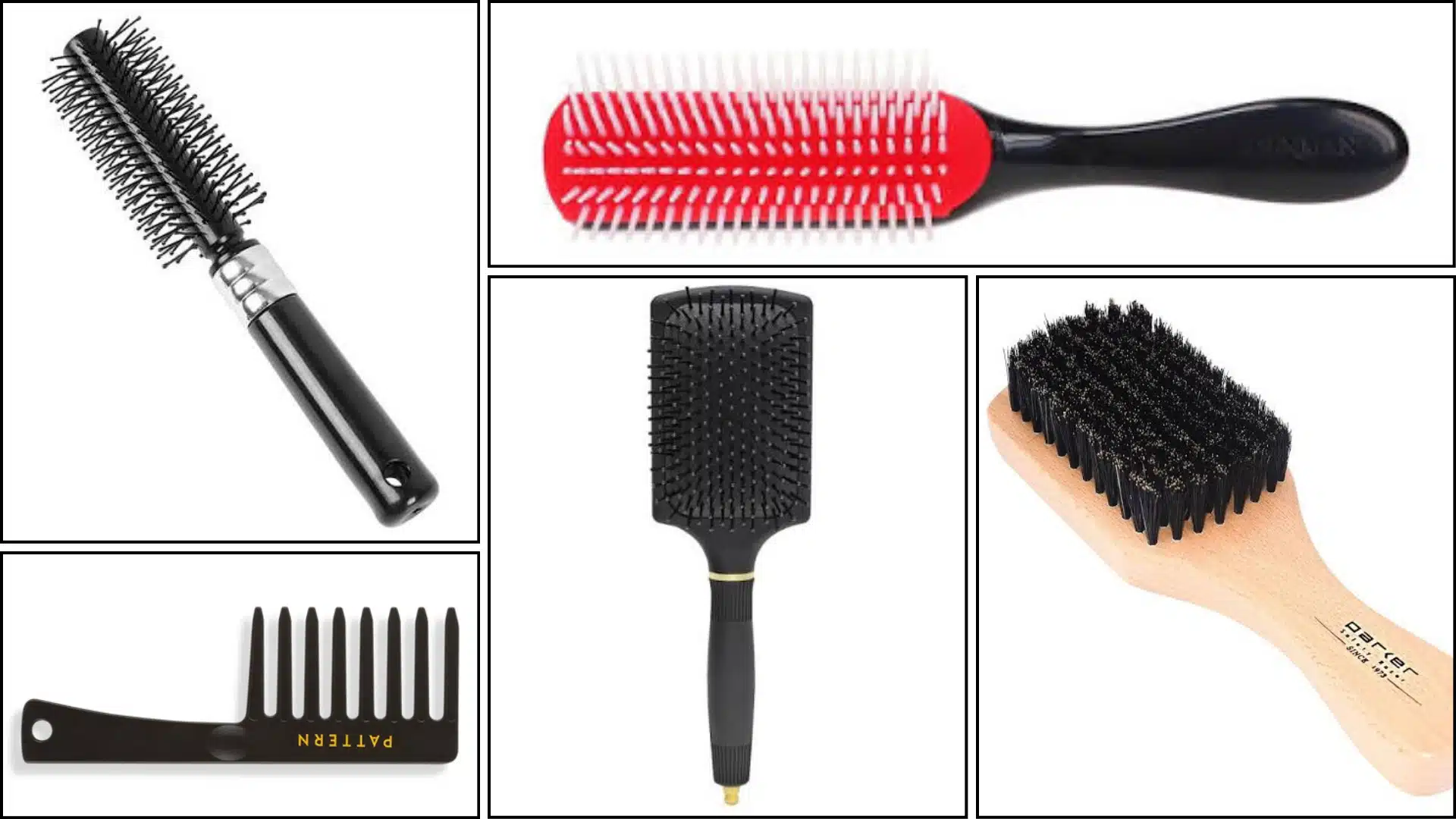
Selecting the appropriate instrument for the job helps prevent needless pressure on hair. A common mistake that leads to sluggish detangling and further breakage is using one brush for every occasion.
- For the initial round of detangling, a wide-tooth comb works best because it slides through damp hair with ease.
- When brushing longer hair daily, a paddle brush covers more ground with each stroke.
- Over time, a boar bristle brush helps transfer natural oils from the scalp to the ends, adding luster.
- When you need to disperse product and separate curls without upsetting the curl pattern, a Denman brush is an effective tool.
- A round brush isn’t meant for daily detangling or wet hair; it is designed for blow-drying and styling.
Keeping two or three of these on hand can meet almost all hair needs, so you don’t reach for the wrong instrument out of habit.
Conclusion
Finding the best way to brush hair comes down to a few simple habits. Hair is protected from needless harm by using the proper instruments, gentle strokes, and a technique that begins at the ends.
Small daily brushing changes can lead to healthier, glossier hair.
Within a few weeks, anyone with knots or breakage may notice improvement by changing brushes or slowing down the process.
Frequently Asked Questions (FAQs)
1. What is the Healthiest Way to Brush Your Hair?
Brush gently from ends to roots using the right tool for your hair type. Rushing causes most damage.
2. Do You Brush the Back of Your Hair Up or Down?
Use the same bottom-up method on the back; work from the ends upward in small sections, just like the rest of your head.
3. Is it Better to Brush Your Hair Out Wet or Dry?
Whether you should brush your hair wet or dry depends entirely on your hair type.