
Hair thinning affects millions of people, men and women alike.
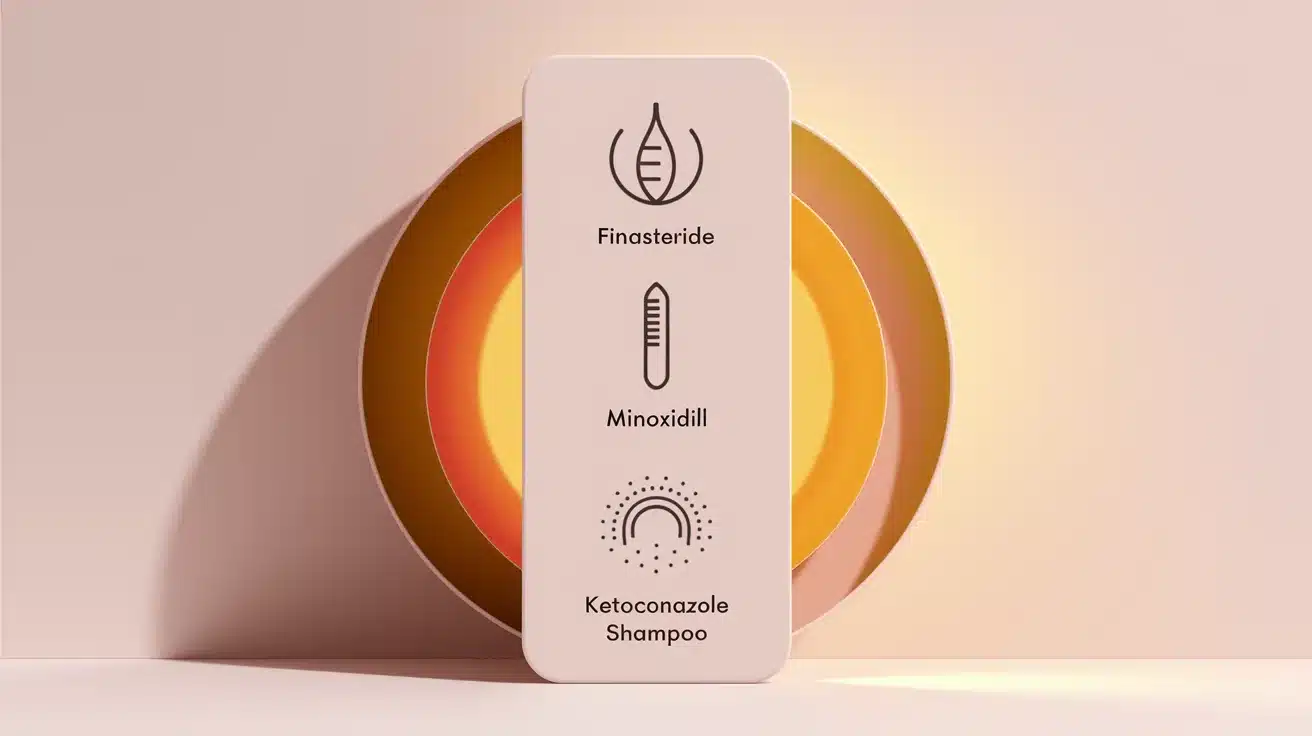
This blog breaks down the big three for hair regrowth, the three most widely recommended treatments for thinning hair.
People most often prefer oils and vitamins to reopen hair follicles, or lifestyle changes to regrow hair naturally, but it takes patience to see results. The people who want noticeable changes fast prefer the big three.
Thousands of people have used these and seen real results. Ready to find out which ones actually work? Let’s get into it.
Let’s Start with What’s Causing Your Hair Thinning
Hair thinning rarely has just one cause. Most of the time, it’s a mix of things working against you, sometimes all at once.
Hormonal Causes
- DHT Sensitivity: Shrinks hair follicles over time
- Thyroid Disorders: Throws your body off balance
- PCOS: Raises androgen levels, triggering thinning
Lifestyle & Environmental Triggers
- Chronic Stress: Pushes follicles into a resting phase
- Nutritional Deficiencies: Low iron, zinc, and biotin weaken hair
- Crash Dieting: Starves your body, hair pays the price
- Harsh Styling Habits: Heat and tight styles damage roots
Medical & Medication-Related Causes
- Autoimmune Conditions: The immune system attacks hair follicles
- Chemotherapy: Targets fast-growing cells, including hair
- Certain Prescriptions: Blood thinners and antidepressants trigger shedding
Common Types of Hair Loss
Not all hair loss looks the same. Understanding the type makes a big difference in how you treat it.
| Type | What It Looks Like | Main Cause | Is It Reversible? |
|---|---|---|---|
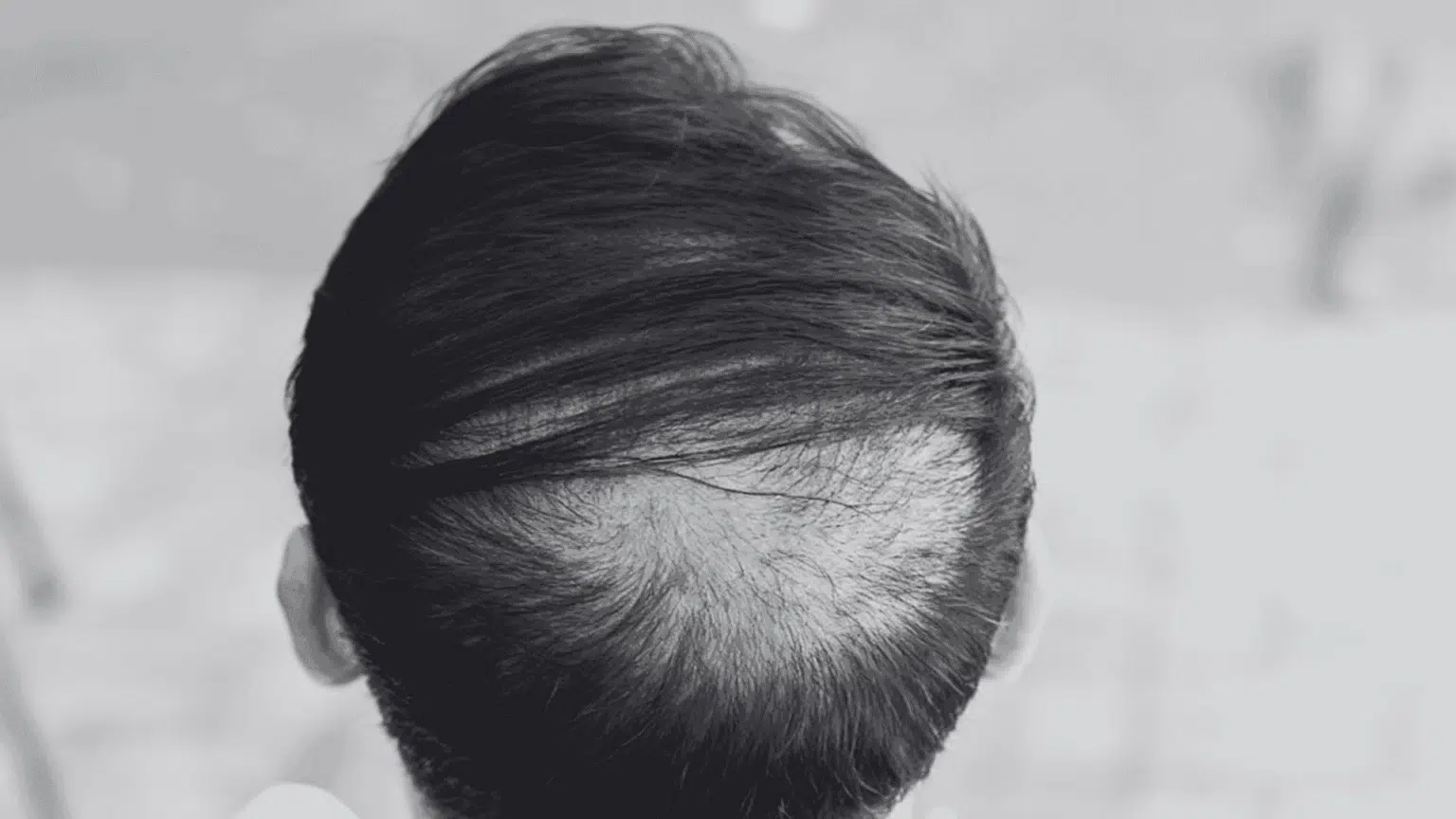
| Androgenetic Alopecia | Thinning at the crown, receding hairline | Genetics & DHT sensitivity | Manageable, not fully reversible |
| Telogen Effluvium | Suddenly, widespread shedding | Stress, illness, nutritional gaps | Yes, usually temporary |
| Alopecia Areata | Round, patchy bald spots | The immune system attacks follicles | Sometimes, with treatment |
| Traction Alopecia | Thinning along the hairline | Tight hairstyles over time | Yes, if caught early |
The Big 3 for Hair Regrowth: Guide and Side Effects
The big three is a combination of three widely used hair loss treatments. Each one works differently, and that’s the whole point.
1. Finasteride: Blocking DHT
Finasteride targets the hormone behind most male hair loss. It works from the inside out, addressing the root cause directly.
How Finasteride Works:
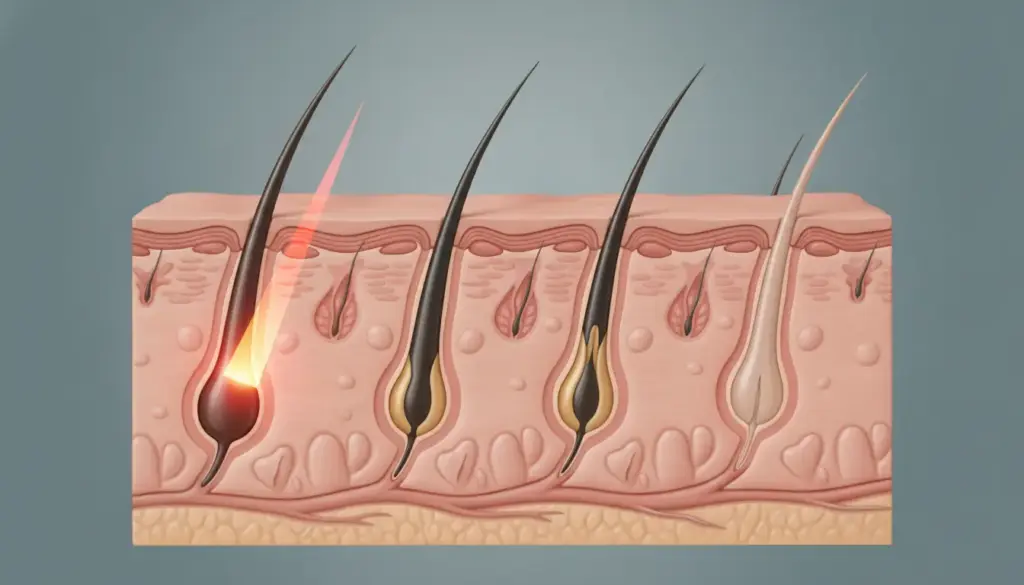
Finasteride blocks an enzyme called 5-alpha reductase. This enzyme converts testosterone into DHT, the hormone that shrinks hair follicles.
Lower DHT levels mean less follicle damage and slower hair loss over time.
Who Should Consider Finasteride?
Finasteride is mainly recommended for male pattern baldness. It works best in the early stages of hair loss.
Women should always consult a doctor before considering finasteride. It is strictly avoided during pregnancy due to the risk of serious harm to a developing baby.
Potential Side Effects of Finasteride:
Finasteride is generally well tolerated, but side effects do exist.
- Reduced sex drive
- Difficulty with erections
- Decreased semen volume
- Breast tenderness or swelling
- Mood changes, including low mood
- Skin rash in rare cases
2. Minoxidil: Stimulating Growth
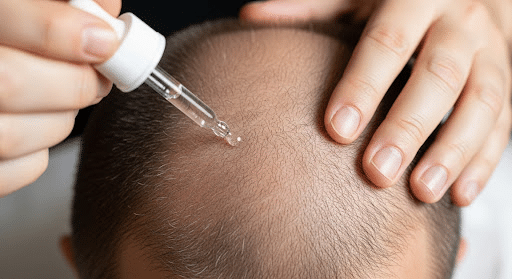
Minoxidil is one of the most used treatments for hair thinning. It works directly on the scalp to support regrowth.
How Minoxidil Works:
Minoxidil widens blood vessels around the hair follicles. This improves blood flow and brings more nutrients to the roots.
It also extends the growth phase of the hair cycle, resulting in thicker, longer strands.
Foam vs Liquid: The Difference
| Feature | Foam | Liquid |
|---|---|---|
| Texture | Light and easy to apply | Thin and spreadable |
| Drying Time | Dries quickly | Takes longer to dry |
| Scalp Irritation | Less likely to irritate | May cause more irritation |
| Best For | Sensitive scalps | Wider coverage areas |
| Application | Twice | Twice |
| Residue | Minimal residue | Can feel sticky |
Potential Side Effects of Minoxidil
Minoxidil is considered safe for most people, but some side effects can appear early.
- Increased shedding in the first few weeks
- Scalp itching or dryness
- Redness or irritation at the application site
- Unwanted facial hair growth
- Dizziness, if absorbed into the bloodstream
- Rapid heartbeat in rare cases
3. Ketoconazole Shampoo: Targeting Inflammation and Scalp Health
Ketoconazole shampoo does more than fight dandruff. It also helps create a healthier environment for hair to grow back.
How It Supports Hair Regrowth:
Ketoconazole reduces fungal activity and inflammation on the scalp. A calmer, healthier scalp allows hair follicles to function better.
How Often to Use It:
Most dermatologists recommend using ketoconazole shampoo two to three times per week.
It should be left on the scalp for three to five minutes before rinsing. Overusing it can strip natural oils, so sticking to the recommended frequency matters.
Potential Side Effects:
Ketoconazole shampoo is mostly safe when used as directed. However, some people do experience mild reactions, especially with frequent use.
- Scalp dryness or flaking
- Itching or burning sensation
- Oily or dry hair texture changes
- Skin irritation around the hairline
- Allergic reaction in rare cases
- Hair texture changes with long-term use
How to Choose the Right Hair Loss Treatment?
One size doesn’t fit all when it comes to hair loss. A little groundwork goes a long way before picking a treatment.
Step 1: Identify Your Type of Hair Loss
Pattern baldness responds well to the big three. Other types, such as alopecia areata, require a completely different approach.
Getting this right first saves a lot of wasted effort.
Step 2: Assess Your Risk Tolerance
Every treatment has a trade-off.
Finasteride affects hormones. Minoxidil brings early shedding. Ketoconazole can dry things out.
Step 3: Consider Long-Term Commitment
You may not notice any difference for a few weeks.
But most people start to see a visible difference within 6-12 months. Stopping early will mean losing whatever progress you’ve made.
Step 4: Consult a Professional Before Starting
A dermatologist can confirm the type of hair loss and rule out any underlying causes.
Self-treating without a proper diagnosis can make things worse, not better.
Never try unevaluated hair-loss treatments without consulting a dermatologist first. Self-experimentation risks worsening the issue; professional advice ensures safe and effective solutions.
Final Thoughts
The big three for hair regrowth are not a magic fix. But they are a solid starting point for anyone dealing with thinning hair.
The key is consistency; missing doses or skipping routines slows everything down.
Side effects are real, but manageable. Knowing what to expect makes the process far less stressful.
Start small. Stay consistent, give it time, and share your experience in the comments below.
Frequently Asked Questions (FAQs)
1. What Vitamins Help Prevent Hair Thinning?
Vitamins B7, D, and E support healthy hair growth. Iron and zinc also play a big role in preventing thinning.
2. What Drink Helps Hair Growth?
Carrot juice, rich in vitamin A, may promote hair growth by nourishing scalp follicles.
3. Which Organ is Linked to Hair Loss?
The thyroid gland is closely linked to hair loss. When it’s underactive or overactive, hair thinning often follows quite quickly.