
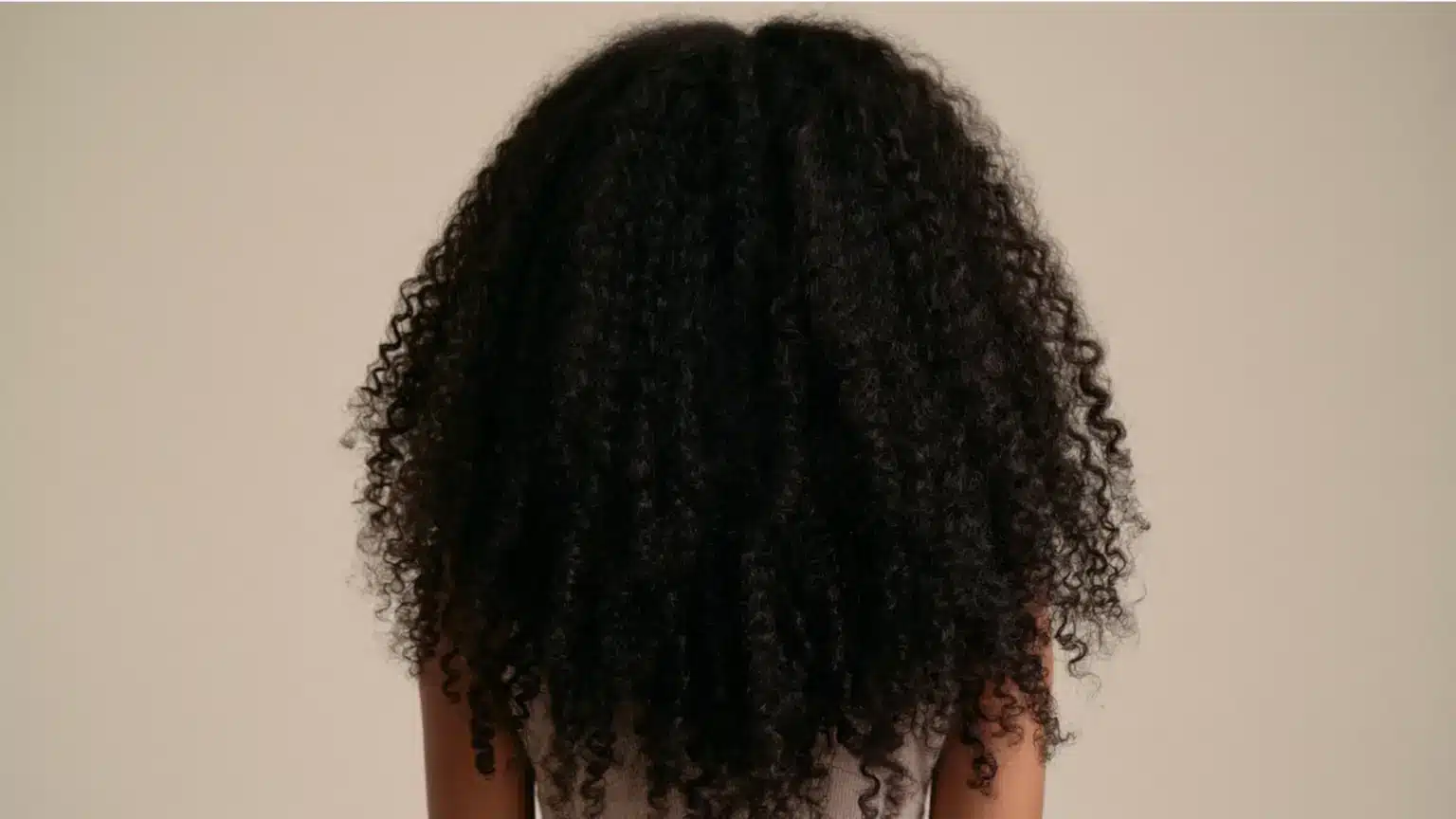
Coily hair turns heads with its volume and bounce.
It can also feel like a puzzle. It soaks up moisture, then dries out fast. It shrinks, tangles, and snaps if you handle it the wrong way.
But once you know your coil type, the whole thing gets simpler. The right routine keeps your coils soft, hydrated, and strong.
The secret is knowing your coils and giving them what they crave. It starts working with you instead.
What is Coily Hair?
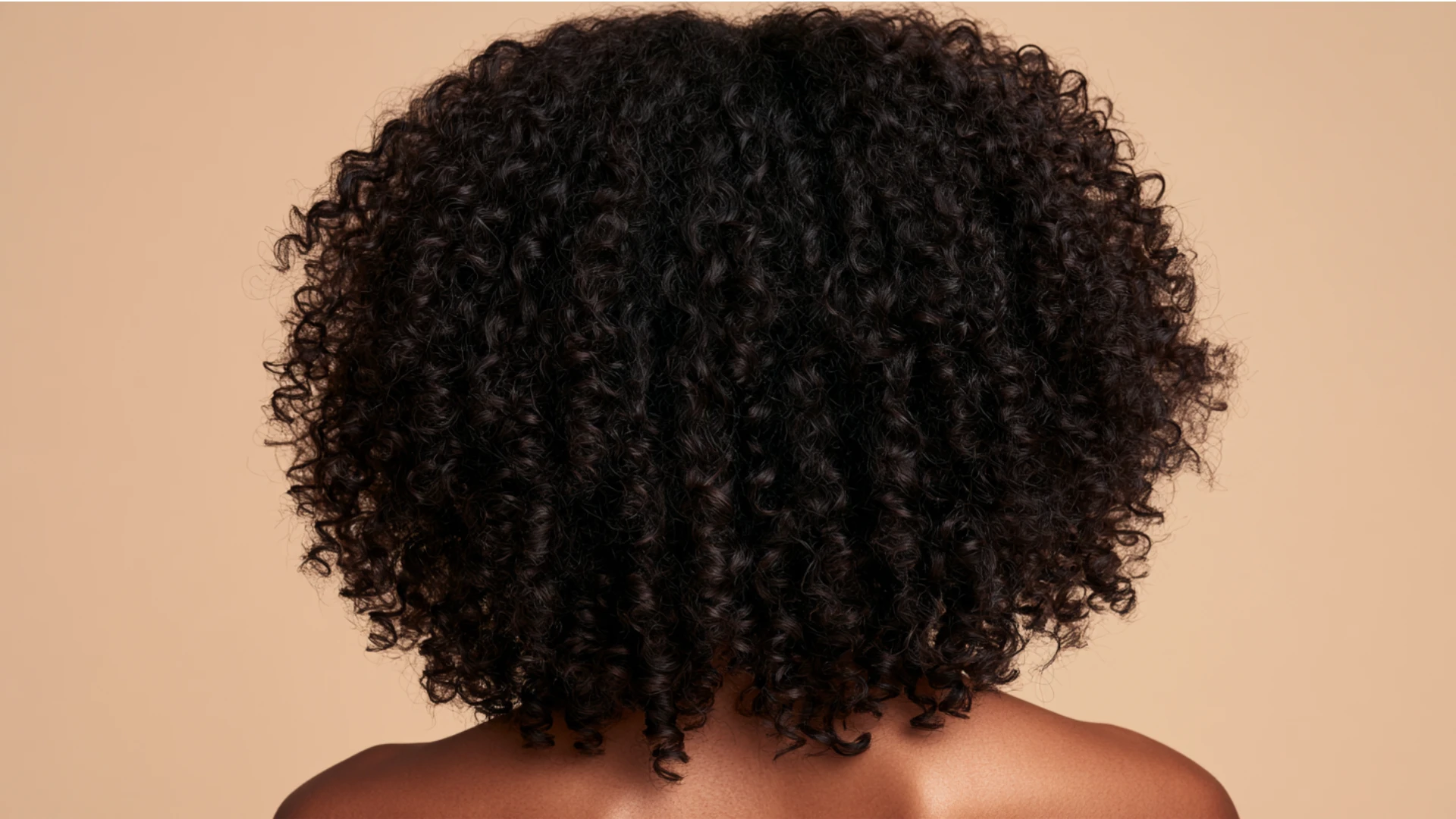
This curl pattern sits at the tightest end of the curl spectrum. Stylists often call it Type 4 hair. Its coils range from springy S-shapes to sharp, zigzag Z-shapes.
The strands pack in close, which gives it a full, voluminous look.
Every coily head shares one trait: dryness. The tight coil shape blocks scalp oils from sliding down each strand. So the ends rarely get the moisture they need.
That is why it breaks more easily than looser types. It also explains why hydration matters so much. Many people even have two or three patterns on one head.
Different Types of Coily Hair
Your coil type decides what your hair needs to thrive. A product that softens 4A coils might sit heavy on 4B. A cream that defines 4C could barely touch looser patterns.
The same goes for how often you wash and how you style. Guess wrong, and your hair stays dry no matter how hard you try.
Match your routine to your type, though, and everything clicks. That is why finding your group is worth a few minutes at the mirror.
Type 4A
Type 4A hair forms soft, springy coils in a clear S-shape. The coils are tight, roughly the width of a crochet needle.
Of the three types, 4A holds definition best. You can often see the pattern without any product.
It also keeps moisture better than 4B or 4C. Still, it shrinks up to half its length as it dries. Light gels and creams work well to shape the coils.
Type 4B
Type 4B hair bends in a sharp, zigzag Z-shape. The coils angle rather than curl, so they look less defined. This gives 4B its fluffy, full body.
The strands often feel fine and cottony to the touch. They also dry out and shrink more than 4A coils.
Gentle handling matters here, since the hair snaps easily. Thick, rich leave-in creams help the coils clump and soften.
Type 4C
Type 4C hair has the tightest pattern of all. The zigzag coils pack in so closely that the shape barely shows. You often see the true pattern only when the hair is wet.
It shrinks the most, too, sometimes 70 percent or more. This makes 4C the most fragile type, quick to knot and break.
But it still forms defined coils with enough moisture. Rich creams and butters help the coils show and stay soft.
Coily vs Curly Hair
People mix up coily and curly hair all the time. They sit side by side on the hair chart, but they behave differently. Curly hair is Type 3.
It forms loose-to-tight corkscrew curls in a clear S-shape. The curls stay defined and are easier to manage day to day.
Type 4 hair is tighter and denser, with coils ranging from S to Z shapes. It shrinks far more and shows less definition on its own.
This hair type also dries out and breaks more easily than curly hair. In short, it needs more moisture and a gentler hand.
| Feature | Curly Hair (Type 3) | Coily Hair (Type 4) |
|---|---|---|
| Curl shape | Loose to tight corkscrews, S-shaped | Tight coils, S to Z-shaped |
| Definition | Stays defined on its own | Less defined, especially 4B and 4C |
| Shrinkage | Some, but mild | High, often half the length or more |
| Dryness | Dries out slowly | Dries out fast, needs constant moisture |
| Handling | Easier to manage day to day | Fragile, needs a gentle hand |
Step-By-Step Coily Hair Care Routine

In frame: Actress Lupita Nyong’o
Moisture is the whole game with Type 4 hair. Everything else you do simply helps it hold on to water longer.
The tight coil shape fights you here, so you have to add hydration on purpose, then trap it before it escapes.
Skip that, and even the priciest products fall flat. Nail it, and your coils stay soft, springy, and strong for days. Consistency beats perfection every time, so keep it steady week to week.
Step 1: Pre-Poo Before You Shampoo
A pre-poo is a treatment you apply before washing. Coat dry hair in oil of your choice. Split it into four sections and clip each one.
Leave it on for 20 to 30 minutes. This shields your coils from the drying pull of shampoo that follows.
Step 2: Cleanse in Sections
Rinse first with lukewarm water, never hot. Massage a sulfate-free shampoo into your scalp, one section at a time.
Sulfates strip the oils your coils cannot spare, so skip them. Wash in sections to avoid tangles, and clarify once a month to clear buildup.
Step 3: Detangle While Wet
Never drag a comb through dry coils, since that snaps them. Coat the hair in conditioner first to add slip.
Then work through with your fingers or a wide-tooth comb. Start at the ends and move up slowly, section by section.
Step 4: Deep Condition With Heat
Smooth a rich mask through each section of wet hair. Cover with a cap and add warmth for 10 to 15 minutes.
The heat helps moisture sink deep into every strand. Type 4 hair needs this step weekly, or at least every other wash.
Step 5: Layer On a Leave-In
Work a water-based leave-in through soaking wet hair. Go section by section so every coil gets coated.
This sets the moisture base that the next step seals in. Soaking wet hair holds far more hydration than damp hair.
Step 6: Seal With the LOC Method
LOC stands for liquid, oil, cream, applied in that order. The liquid hydrates, the oil traps the water, and the cream locks it in.
This layering keeps coils soft for days, not hours. Swap to the LCO order if your hair feels weighed down.
Step 7: Style While Soaking Wet
Your coils set best while it are still dripping. Try a twist-out, braid-out, or a wash-and-go. Add a curl cream or custard for hold and shape. Then let it air-dry, or diffuse on a low setting.
Step 8: Protect it at Night
Wrap your coils in a satin scarf or bonnet before bed. A silk pillowcase works too if a wrap slips off.
Cotton pulls out the moisture you just sealed in. This one habit saves your coils from friction and dryness.
How to Keep Coily Hair Moisturized Between Wash Days?
Washday moisture never lasts as long as you want. Your coils drink it up, and you need more within a day or two. By day three, the softness fades, and the dryness creeps back in.
The solution is to top up the moisture, not start over. A few small habits stretch that just-washed feel across the whole week.
Refresh With Water When Your Hair Feels Dry
Keep a spray bottle by your sink for quick access. A light mist revives dry, dull coils in seconds. Damp coils bounce back to life far faster than dry ones.
Always Seal After You Mist
Water on its own escapes almost as fast as it lands. Follow every mist with a drop of oil or leave-in. This traps the moisture instead of letting it slip away.
Give Your Ends Extra Care
The ends sit farthest from your scalp oils, so they dry out and fray before the rest. Aim most of your refreshing there to prevent splits and breakage.
Refresh Spots, Not the Whole Head
You rarely need to redo every coil midweek. Target the flat or dry patches only. Over-handling your hair leads to frizz and snapped strands.
Wrapping It Up
Your coils were never the problem. They simply needed the right kind of care. Your crown of springy coily hair is not an issue that needs to be solved.
It is a texture that needs to be nurtured and cared for. Moisturize, seal in all the goodness, and treat it with gentleness. And suddenly the shrinkage, dryness, tangling- everything starts to fall into place.
Bad hair days happen less often. Good hair days start to become the norm. So cut yourself some slack, and let your hair do its thing.
Frequently Asked Questions (FAQs)
1. Is Coily Hair the Same as Afro Hair?
Mostly, yes. Afro hair is another name for Type 4 hair. Both describe the same tight, dense coil patterns.
2. How Often Should You Wash Coily Hair?
Once a week works for most people. It dries out fast, so frequent washing strips the oils.
3. Can Coily Hair Grow Long?
Yes, it grows like any hair. Shrinkage just hides the length. Gentle handling and moisture help it keep length over time.