
Balayage has been trending for years.
Yet, walk into any salon, and you’ll still hear the same question: “Will this age me?” It’s a fair concern.
Not every balayage looks the same on every person. A lot depends on factors most people never think about.
Skin tone, face shape, and color placement all play a role. Get it wrong, and yes, it can age you.
By the end of this blog, you’ll know exactly what to ask for and what to avoid before sitting in that salon chair.
How Hair Color Impacts Perceived Age?
Hair color influences not just appearance, but also how old or young you seem.
The key is balancing contrast with skin tone: too much contrast makes you look tired; too little makes hair look flat.
Multi-tonal, natural variation looks younger and fresher, while flat color can highlight lines and uneven skin. Finding the right balance is essential.
The Role of Contrast
Contrast plays an important role. Dark hair against fair skin creates a bold contrast. While striking, harsh lines can highlight wrinkles and fine lines.
Softer contrasts are more forgiving as we age, framing the face gently and reducing emphasis on details.
Dimension and Movement
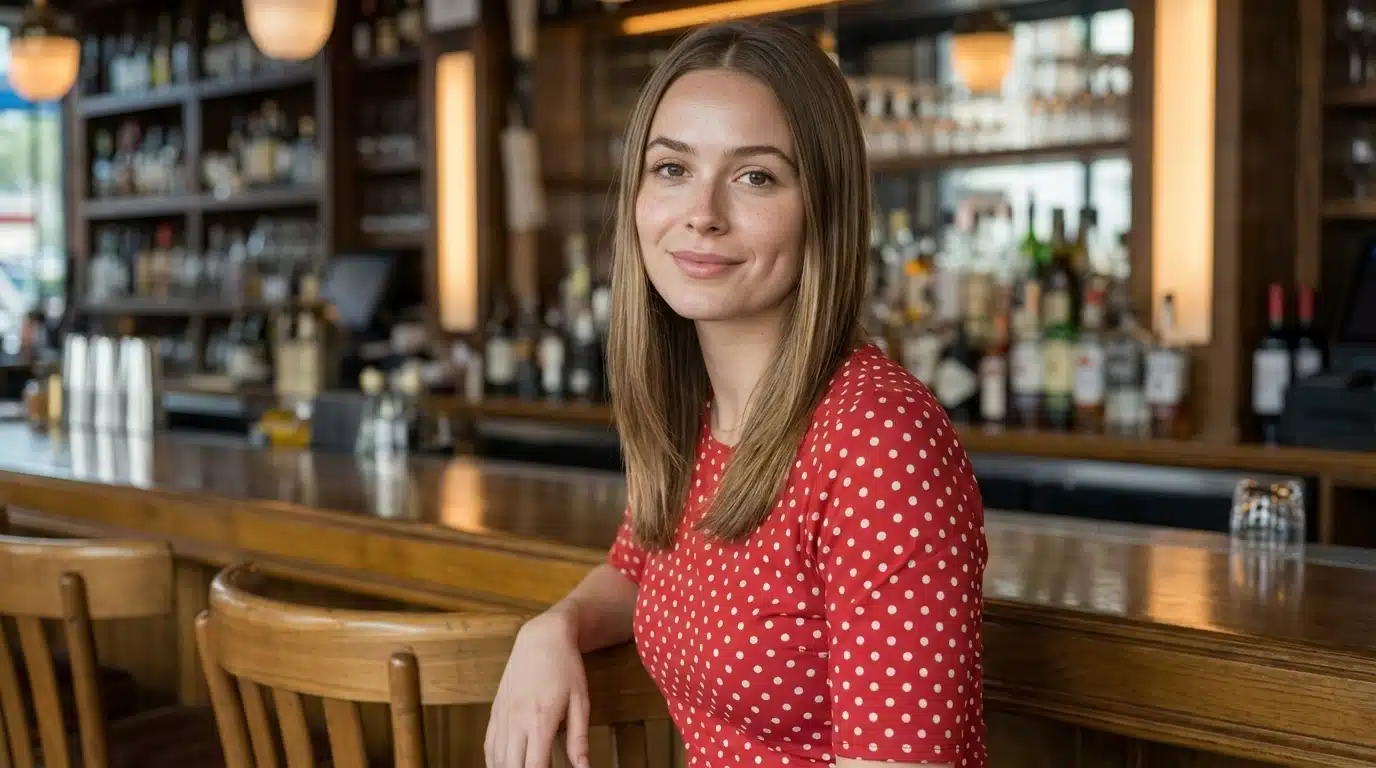
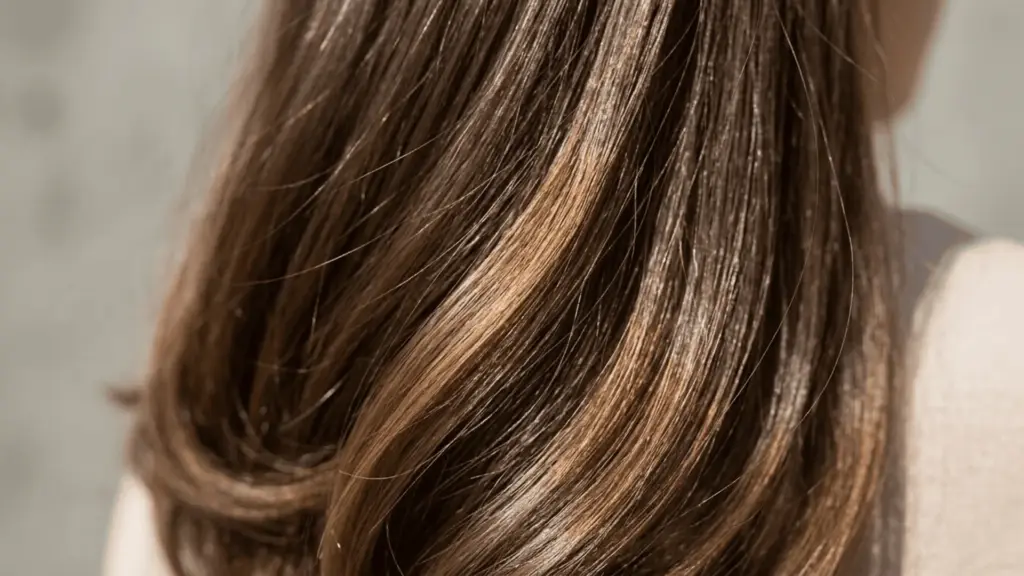
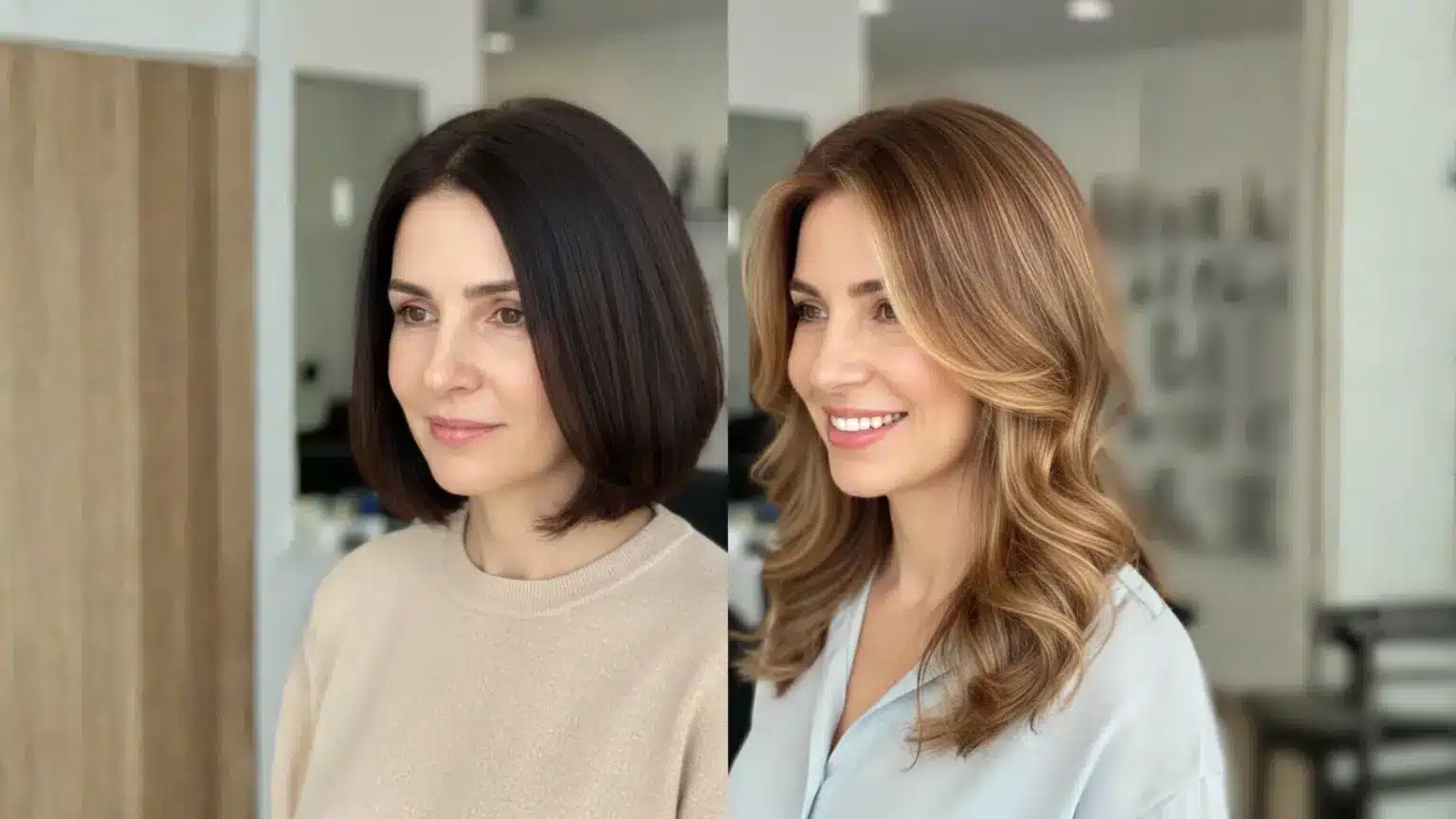
Flat, single-tone color feels heavy and lacks depth.
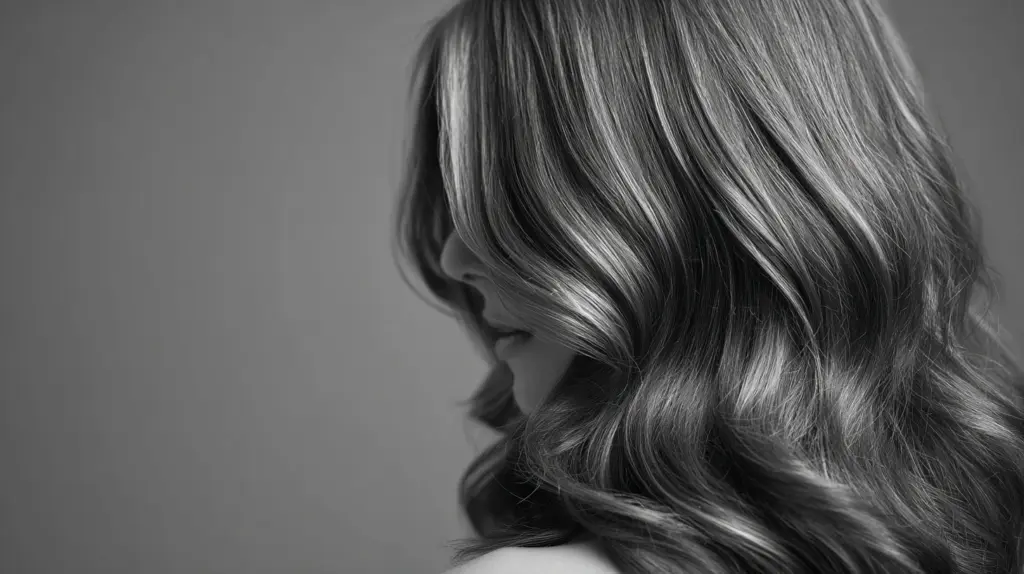
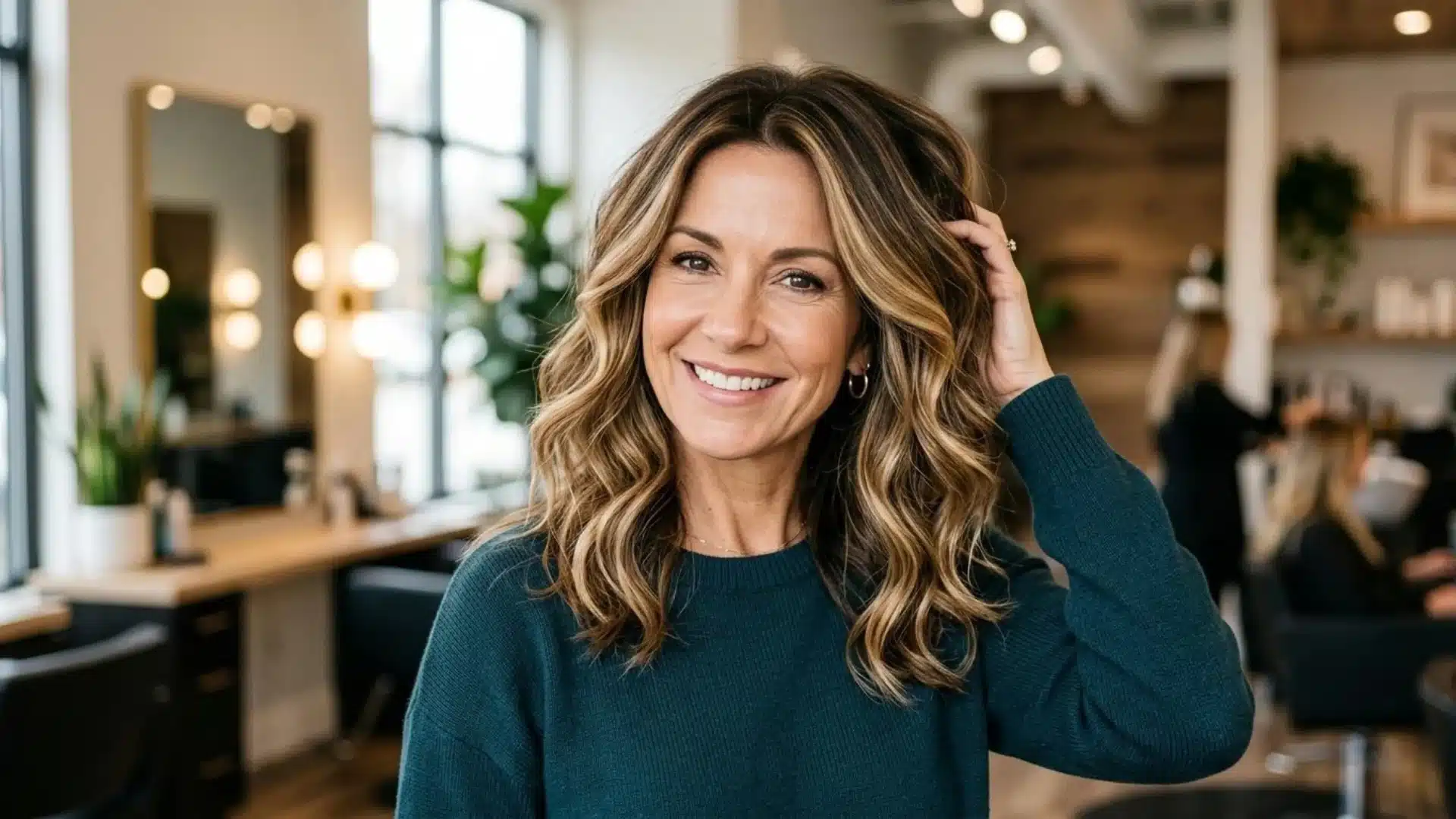
Multi-tonal color, like this, creates movement with light and dark shades, making hair look healthier and younger.
What Makes Balayage Look Youthful?
The right balayage hits differently. Here’s what actually makes it work in your favor.
- Soft, blended transitions between colors keep the look natural and avoid harsh lines near the face.
- Lighter pieces around the face mimic natural sun-kissed highlights from your younger years.
- Warm tones add a youthful glow to the skin, making you look fresh and well-rested.
- Multi-tonal depth creates the illusion of fuller, thicker hair, a clear sign of youth.
- Gradual color shifts draw the eye downward, pulling attention away from fine lines and wrinkles.
- Custom placement based on your face shape frames your best features in the most flattering way.
When Balayage Can Make You Look Older
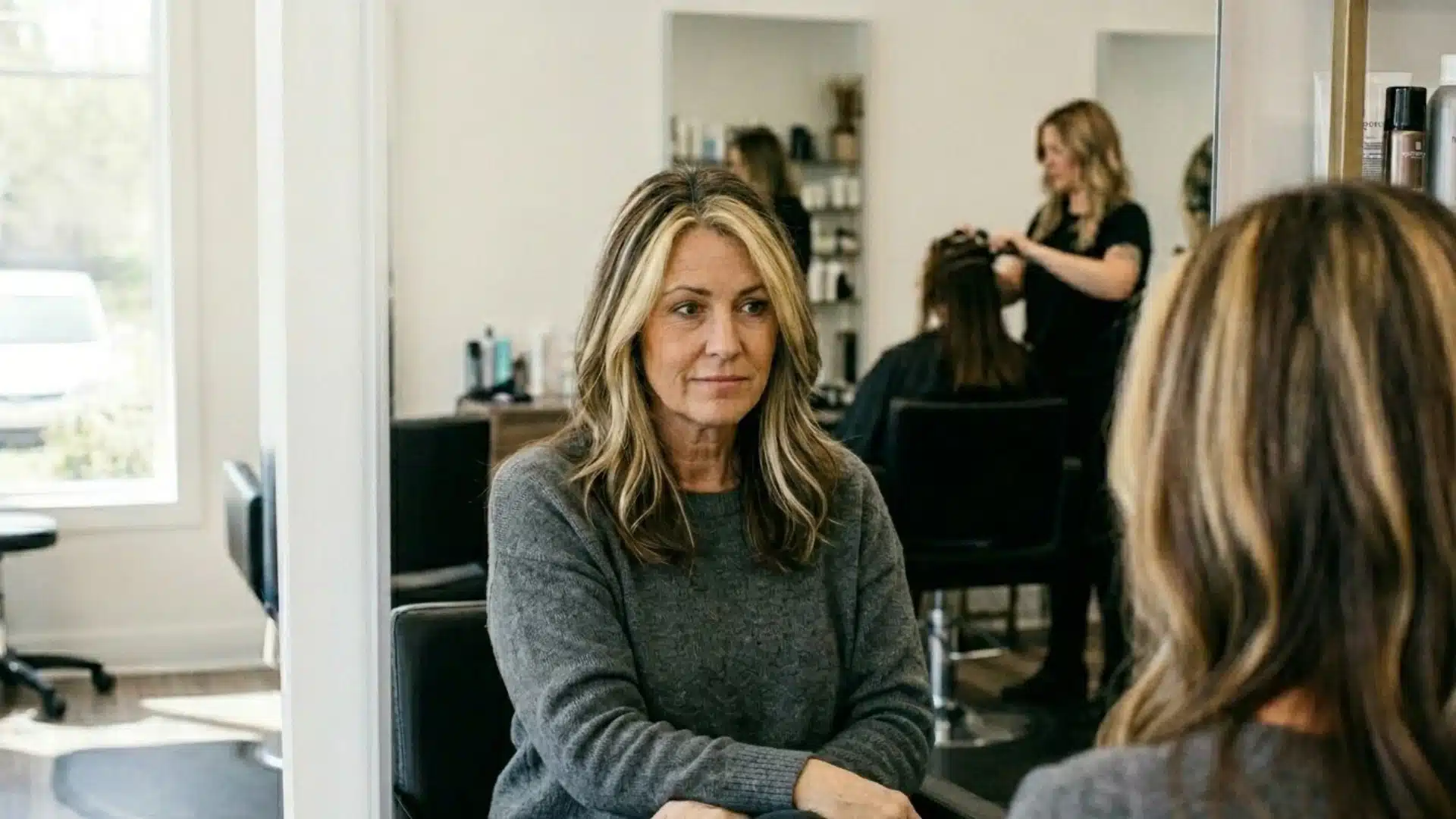
Balayage isn’t always a sure win. It can add years instead of taking them off.
1. Too Much Contrast Near the Roots
Sharp, dark roots with very light ends create a stark divide.
That high contrast draws attention straight to your hairline. It can make skin tone look uneven and stress fine lines around the forehead.
2. Going Too Light for Your Skin Tone
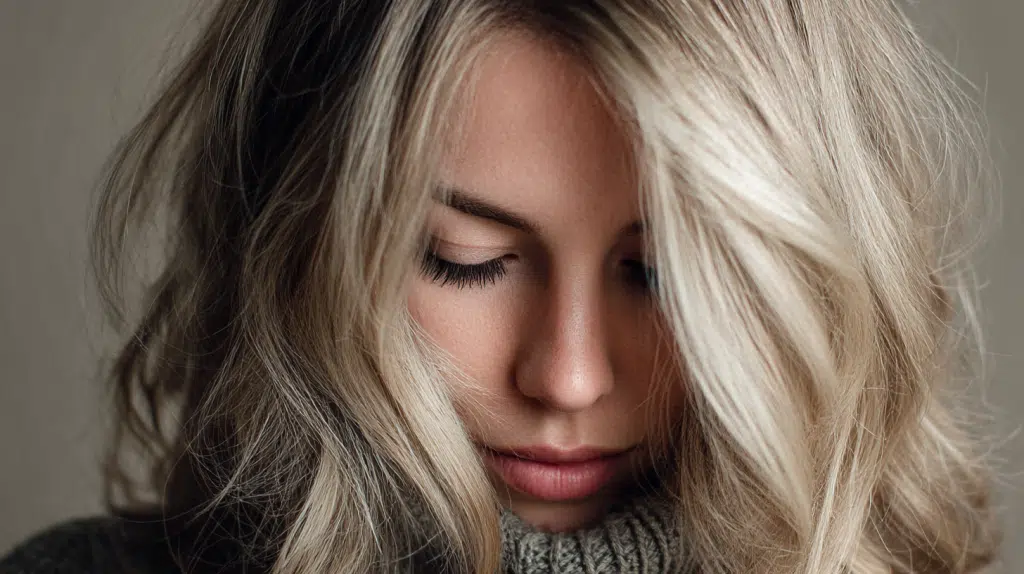
Platinum or ashy tones can wash out more genial skin tones. This makes the face look pale and tired.
The wrong shade pulls color away from your complexion rather than adding heat.
3. Ignoring Hair Texture and Health
Damaged, dry hair looks older, no matter the color. Balayage on unhealthy hair highlights breakage and dullness.
Healthy hair holds color better and looks far more youthful and full of life.
4. Placement That Doesn’t Suit Your Face Shape
Color placed in the wrong spots can highlight problem areas. It can make certain features appear heavier or wider.
Good placement should always work with your face shape, not against it.
How Skin Tone Affects the Outcome
Not every balayage shade suits all skin tones. Choosing the right color makes the difference between looking fresh and washed out.
| Skin Tone | Best Balayage Shades | Shades to Avoid | Why It Matters |
|---|---|---|---|
| Fair/Light | Honey, champagne, soft gold | Platinum, ash | Too light washes out fair skin easily |
| Medium/Olive | Caramel, warm brown, copper | grey tones | Warm tones kill olive skin’s natural glow |
| Dark/Deep | Chestnut, rich caramel, bronze | Very light blonde | High contrast looks harsh and unnatural |
| Cool Undertones | Ash blonde, beige, cool brown | Orange, brassy | Cool shades balance cool undertones |
| Warm Undertones | blonde, butterscotch, amber | Ashy, silvery | Warm shades improve natural heat |
Balayage for Different Age Groups
This doesn’t work the same way for everyone. Age plays a big role in what works and what doesn’t.
Balayage in Your 20s
In your 20s, you have more flexibility with color. Bolder contrasts and lighter ends tend to work well.
Your skin tone is generally more even, so you can pull off a wider range of shades without it looking harsh or aging.
Balayage in Your 30s
Your 30s are a great time for balayage. Soft, warm tones around the face add a fresh look.
This is the age where smart placement really starts to matter. Colors that complement your skin tone keep you looking bright and well-rested.
Balayage in Your 40s
In your 40s, softer contrast works best. Avoid going too light too fast.
Gradual, blended tones are far more flattering.
They frame the face gently and draw attention away from fine lines without looking overdone or trying too hard.
Balayage in Your 50s and Beyond
Soft, natural-looking tones work best here. Warm highlights blend beautifully with grey hair. Going too dark can look heavy, while too light can wash you out.
A balanced, multi-tonal approach keeps hair looking healthy, full, and age-appropriate.
Tips to Look Younger with Balayage
- Choose warm tones that complement your natural skin undertone.
- Keep the contrast soft and gradual, especially around the face.
- Ask your stylist for face-framing highlights to brighten your complexion.
- Stick to multi-tonal shades rather than a single flat color.
- Keep your hair healthy color always looks better on well-nourished hair.
- Refresh your balayage every 3-4 months to keep it looking fresh.
- Match your root color close to your natural shade for a softer grow-out.
- Always request a toner to neutralize any unwanted brassy or ashy tones.
Alternatives to Balayage: If You’re Unsure
Balayage isn’t the only option.
Here are some other techniques worth considering.
| Technique | Best For | Key Benefit |
|---|---|---|
| Highlights | All age groups | Adds brightness without full commitment |
| Lowlights | Flat or over-lightened hair | Brings depth and dimension back |
| Ombre | Bold, low-maintenance color | Gradual, natural-looking color shift |
| Glossing | Low commitment refresh | Boosts shine and refreshes color |
| Root Smudge | Visible regrowth | Softer, more natural grow-out |
| Foilayage | More controlled lightning | Stronger, more precise lift |
Key Takeaway
The honest answer is it depends. The right tones, placement, and technique can easily take years off your face.
But the wrong choices can have the opposite effect.
Now you know what to look for and what to avoid. Take this knowledge to your next salon visit. Talk to your stylist about your skin tone, face shape, and what finish you want.
A little planning goes a long way.
Done right, balayage can be one of the best color decisions you ever make.
Frequently Asked Questions (FAQ’s)
1. What Hair Color Makes a 60-Year-Old Look Younger?
Warm, soft tones like honey blonde, caramel, and copper work best for a fresher, younger-looking appearance.
2. What Haircut Makes You Look 10 Years Younger?
Soft layers, face-framing cuts, and lightweight styles add movement and take years off your face
3. What Length of Hair Makes a Woman Look Younger?
Shoulder-length or collarbone-length hair tends to be the most flattering and youthful option for most women.
4. What is the Best Anti-Aging Hair Color?
Warm, multi-tonal shades with soft highlights around the face are the most effective at creating a youthful look.
5. What is the 3 Rule for Hair Length?
The rule suggests hair looks best when it falls at one of three points: the chin, the collarbone, or the mid-back.