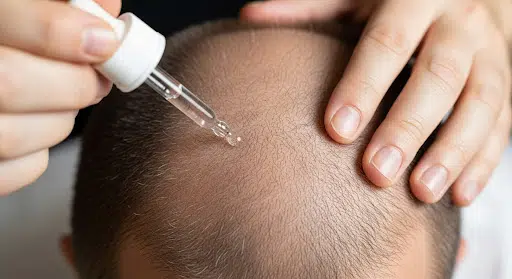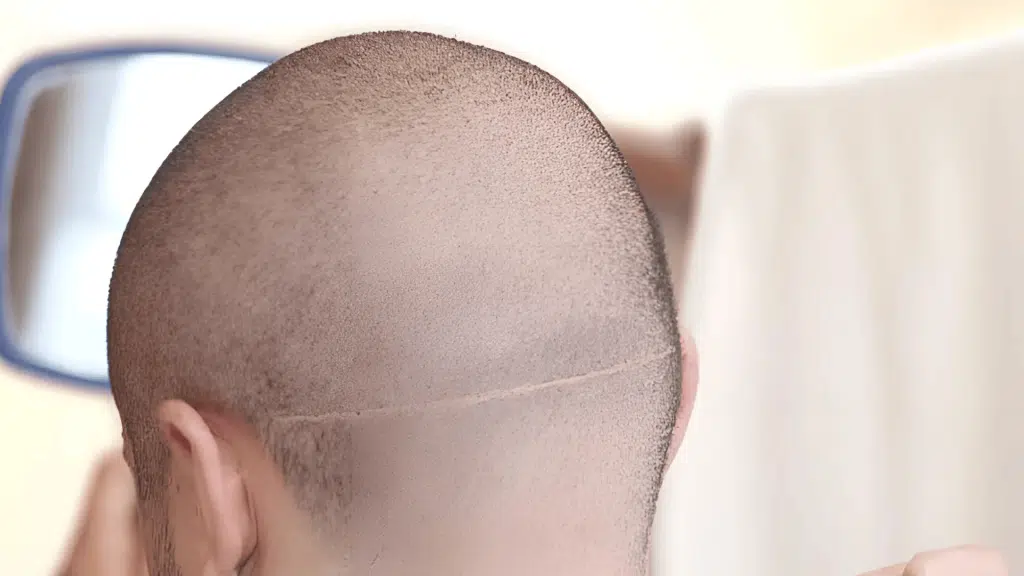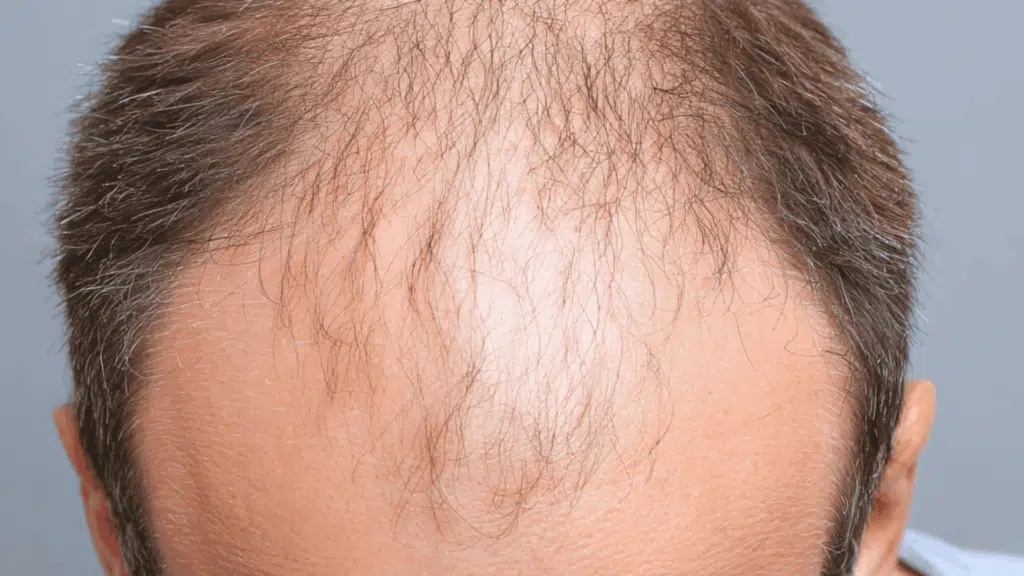

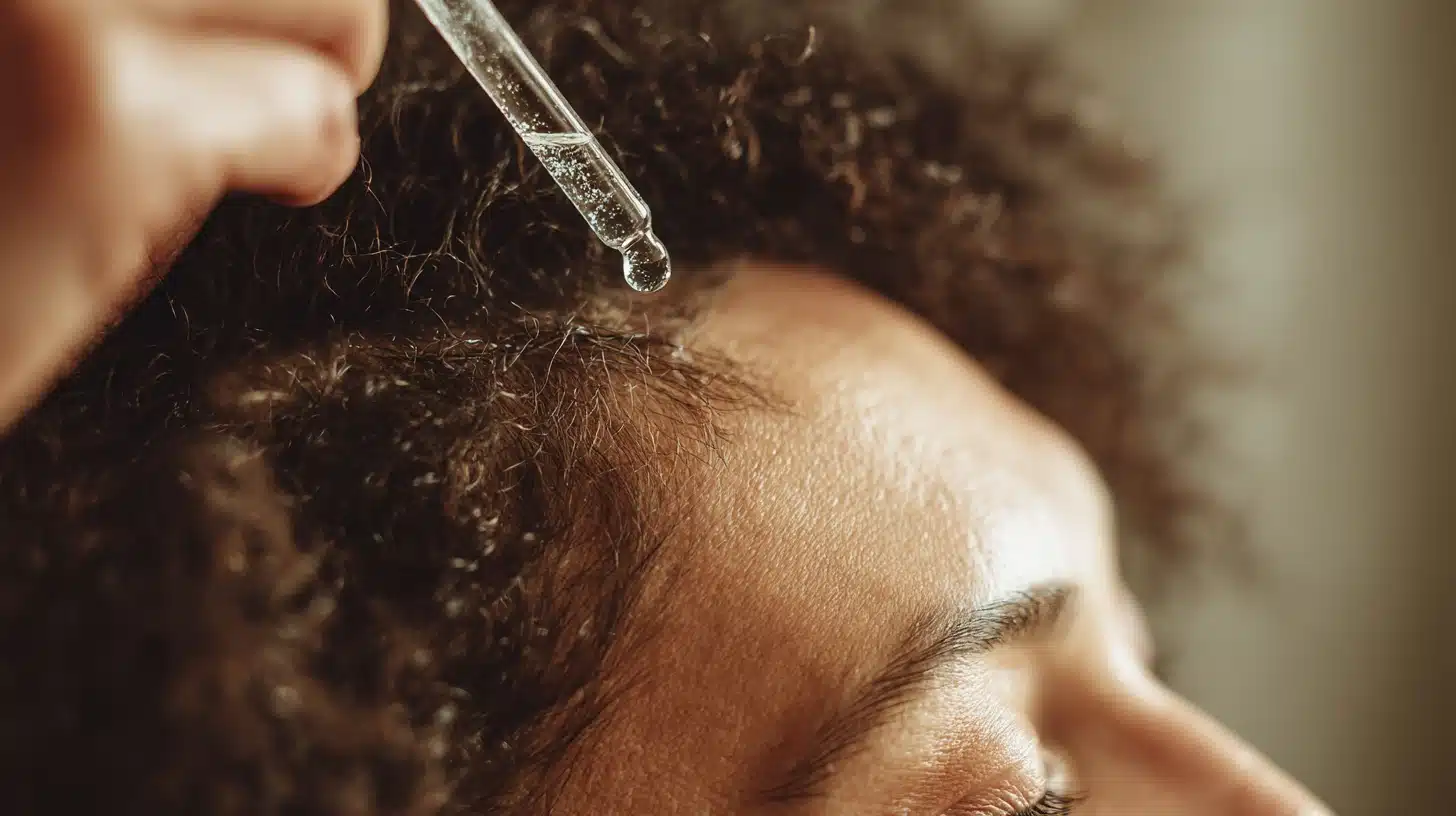
Thinning hair, less volume, and a visible scalp are stressful.
Many people reach a point where they wonder if their hair will ever grow back.
With the right oils and vitamins, many people have seen real results; they help in reopening the hair follicles and hair growth.
This blog covers exactly which oils work best, which vitamins matter most, and how to use them for healthier hair.
Can You Re-Open Your Hair Follicles and How?
Yes, you can, and it’s more possible than you’d think.
Hair follicles don’t always die. They often just go dormant. That means they’ve stopped producing hair but are still alive beneath the skin.
With the right care, your hair can re-grow.
Scalp massages, natural oils, and key vitamins are some of the most effective ways to get those follicles working again.
Hair products like minoxidil and finasteride also help with hair loss and hair growth.
Key Factors Affecting Hair Follicle Health
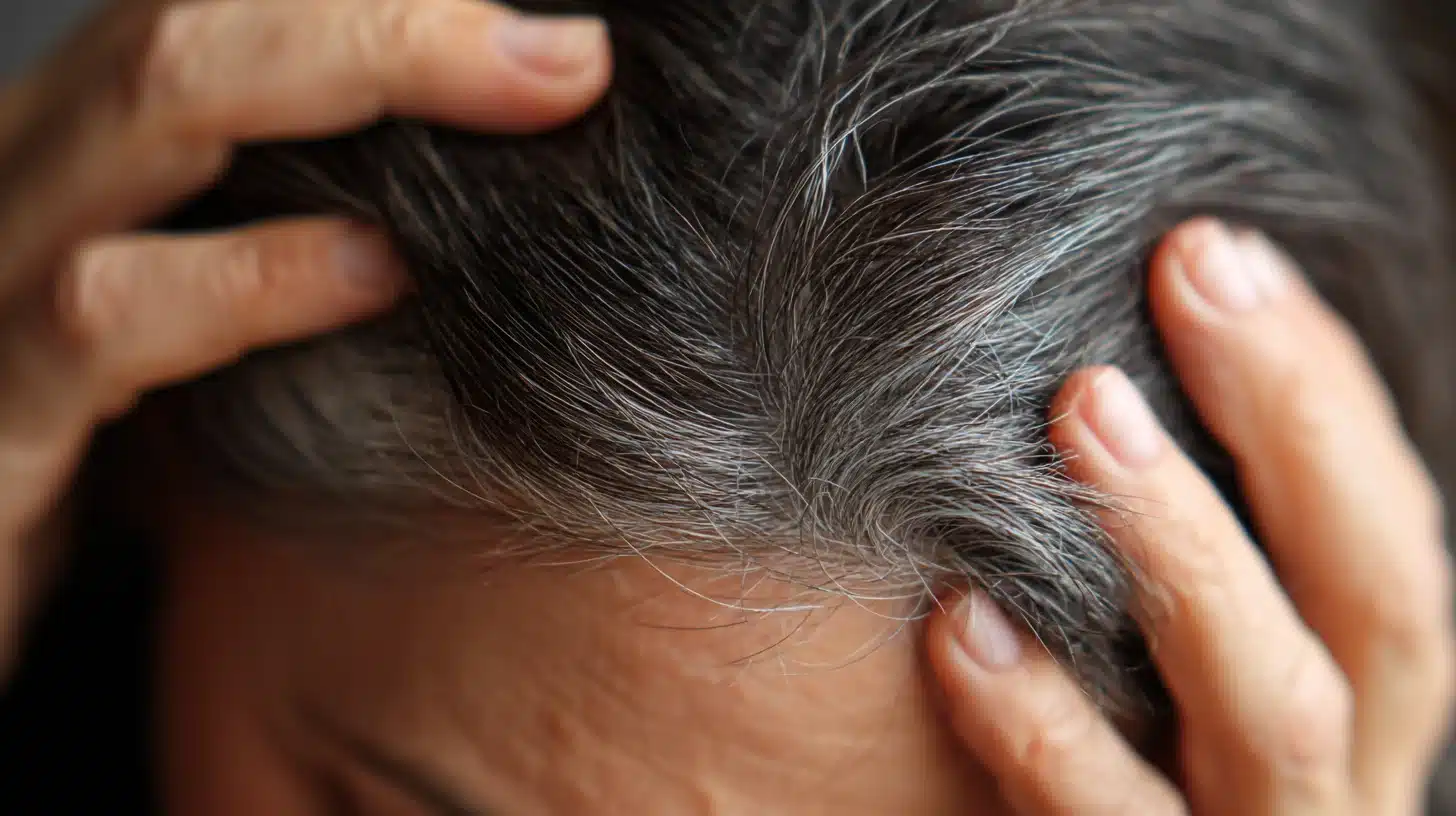
Several things affect how well your hair follicles work. Some are within your control, and some aren’t. Here’s what plays the biggest role:
- Diet and Body Organs: Low levels of iron, zinc, and vitamins weaken follicles over time; a few organs are also responsible for hair loss.
- Stress: High levels of stress push follicles into a premature resting phase.
- Scalp health: A dry, oily, or inflamed scalp blocks healthy growth.
- Hormones: Hormonal changes, especially DHT, gradually shrink follicles.
- Age: Follicle activity naturally slows down as people get older.
- Deficiencies:Lack of vitamins and minerals can weaken hair follicles, leading to thinning, breakage, and significant hair loss over time.
Everyone’s hair is different. What affects one person’s follicles may not affect yours the same way.
Best Natural Oils for Stimulating Hair Follicles

The right natural oils can awaken dormant follicles, boost scalp circulation, and naturally restore thicker, healthier hair.
Coconut Oil
Coconut oil strengthens the scalp’s natural barrier. It penetrates the hair shaft better than most oils.
That means less protein loss and healthier roots overall.
Warm a tablespoon between your palms, then massage it into your scalp in circular motions. Leave it on for at least 30 minutes before washing off.
Recommendation: Dr. Bronner’s Organic Virgin Coconut Oil
If you have dry, damaged, or curly hair, coconut oil is best for you.
Castor Oil
Castor oil contains ricinoleic acid, a fatty acid that improves scalp circulation.
Better circulation means more nutrients reaching your follicles. Many people notice thicker hair with regular use.
Use castor oil once or twice a week. It’s thick, so mix it with a lighter oil like coconut oil. Leave it on overnight for best results.
Recommendation:Spring Valley Castor Oil
Castor oil is ideal for thin, dry, or thinning hair seeking growth.
Rosemary Oil
Rosemary oil supports blood circulation in the scalp. Some studies suggest it may also block DHT, the hormone that shrinks follicles.
It’s one of the most studied natural oils for hair growth.
Recommendation:SheaMoisture Strengthening Scalp & Hair Oil
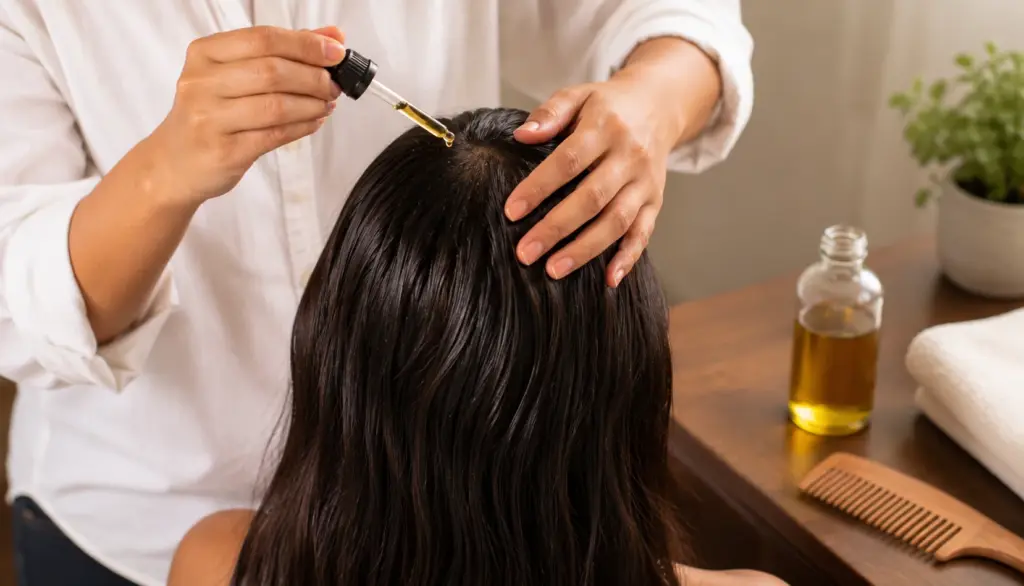
Never apply rosemary oil directly to your scalp. Mix two to three drops with a tablespoon of carrier oil and apply twice a week, and massage gently for five minutes.
Rosemary oil is suited for fine, thinning, or weak hair.
Peppermint Oil
Peppermint oil increases blood flow to the scalp and has shown promising results in hair growth studies. It gives a cooling sensation that also soothes scalp irritation.
Never apply peppermint oil directly to your scalp.
It is highly concentrated and can cause burning, irritation, or allergic reactions, especially on sensitive skin.
Recommendation:Handcraft Blends Peppermint Essential Oil
Always perform a patch test on the inside of your arm before applying it to your scalp.
Jojoba Oil
Jojoba oil closely mimics the scalp’s natural sebum.
It unclogs follicles and keeps the scalp moisturized without feeling heavy or greasy.
Apply a small amount directly to your scalp and massage gently. Use it two to three times a week. It works well as a base when mixing with stronger oils like rosemary or peppermint.
Recommendation:Plantlife Golden Jojoba Carrier Oil
Jojoba oil is versatile for all hair types, especially oily or balanced scalps.
Key Vitamins that Support Hair Follicle Reactivation
Oils work on the outside, but vitamins work from within.
Getting the right nutrients into your body is just as important as what you put on your scalp.
| Vitamin | Key benefit | Best sources | Important note |
|---|---|---|---|
| Biotin (B7) | Supports keratin production | Eggs, nuts, sweet potatoes | Supplement only if deficient |
| Vitamin D | Reactivates dormant follicles | Sunlight, fatty fish, fortified foods | Get levels tested first |
| Vitamin A | Balances sebum production | Carrots, spinach, sweet potatoes | Excess can cause hair loss |
| Vitamin C | Boosts collagen and fights damage | Citrus fruits, bell peppers, strawberries | Great as a daily food source |
| Vitamin E | Reduces oxidative stress | Almonds, sunflower seeds, spinach | Works topically and internally |
| Folic Acid | Supports cell turnover and growth | Lentils, leafy greens, fortified cereals | Essential for new cell formation |
Always consult a doctor before starting any supplements to ensure safety and avoid any allergic reactions.
How Long Does it Actually Take to See Results?
Honestly, patience is key here. Hair growth is slow, and natural remedies take time to show real change.
You might start noticing less shedding within 4 to 6 weeks. Actual new growth usually appears around the 3-month mark.
Significant thickness and length take 6 months or more.
Consistency matters more than speed. Applying oils and vitamins regularly, without skipping, gives follicles the best chance to respond and grow.
Signs Follicles May Be Permanently Damaged
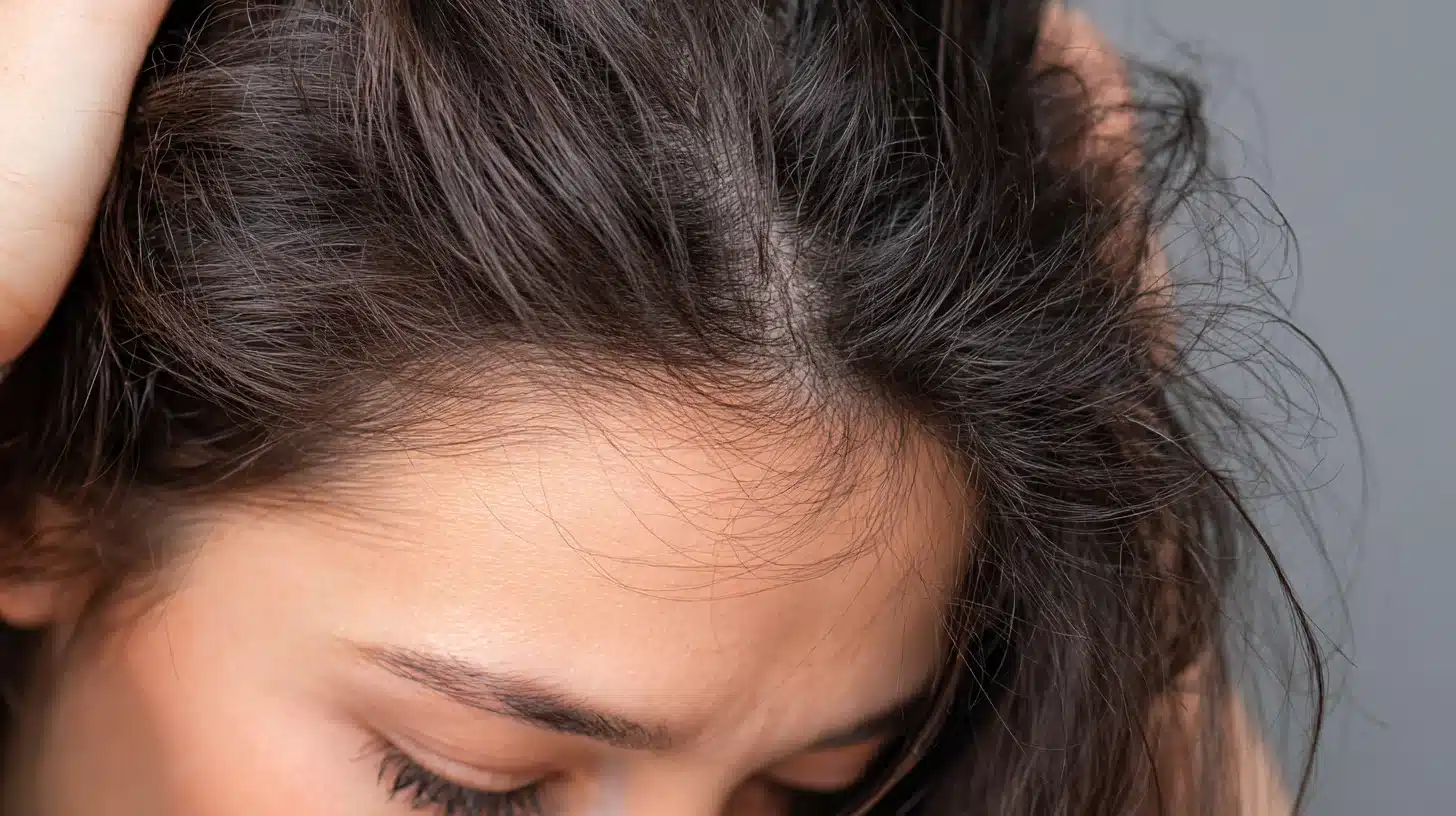
If you see no visible results after taking supplements and oiling your hair, there might be a chance that your hair loss could be permanent or genetic.
Take note of the following:
- Smooth, shiny patches on the scalp with zero hair growth
- No improvement after six to twelve months of consistent natural care
- Scalp scarring from infections, burns, or certain skin conditions
- A dermatologist confirms the follicles are no longer active
Don’t wait too long; early action gives better results.
Possible Medical Treatments:
The following are the medical treatments that can be suggested by the dermatologist:
- Minoxidil:Boosts blood flow to follicles topically
- Finasteride: Blocks DHT in men orally
- PRP therapy: Stimulates dormant follicles with plasma injections
- Hair transplant: Surgical option for permanently damaged areas
A dermatologist can help figure out exactly what your hair needs, and personalized guidance is always worth it.
Final Thoughts
Hair follicles are dormant, but with the right care, many of them can come back to life.
The oils, vitamins, and habits covered are simple starting points that real people have seen real results from.
Start small. Pick one oil. Add one vitamin. Be consistent for at least 90 days before judging the results, and if natural remedies don’t work, don’t wait too long to see a dermatologist.
Small daily habits, done consistently, add up to big changes over time. Start today!
Frequently Asked Questions (FAQs)
1. Which Vitamin Opens Hair Follicles?
Vitamin D helps reactivate dormant hair follicles by supporting the cellular processes.
2. What Unblocks Hair Follicles?
Regular scalp exfoliation, salicylic acid-based cleansers, and proper cleansing routines help unblock clogged hair follicles.
3. What Herb Opens Hair Follicles?
Rosemary is one of the most evidence-backed herbs for stimulating hair follicles.