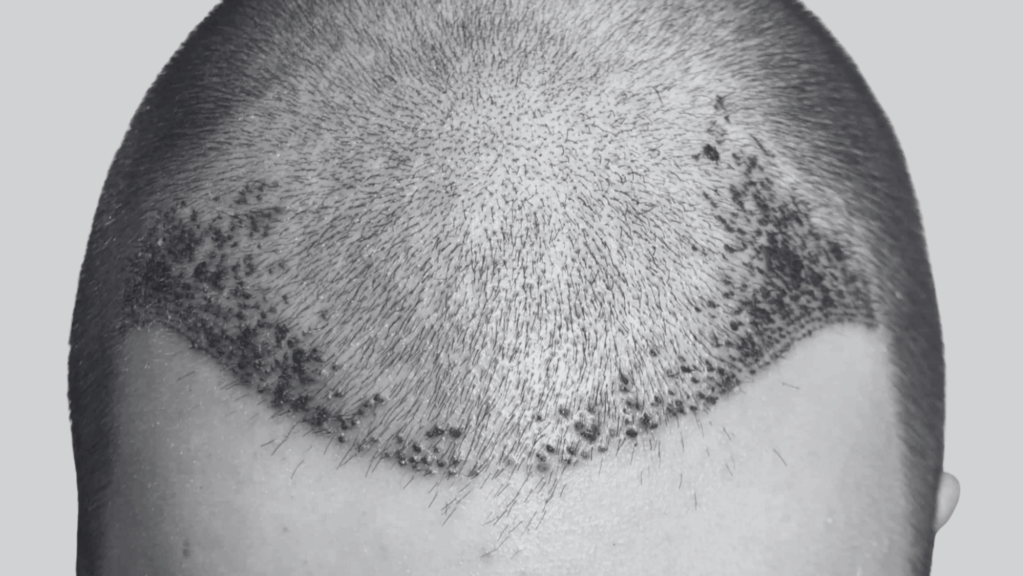

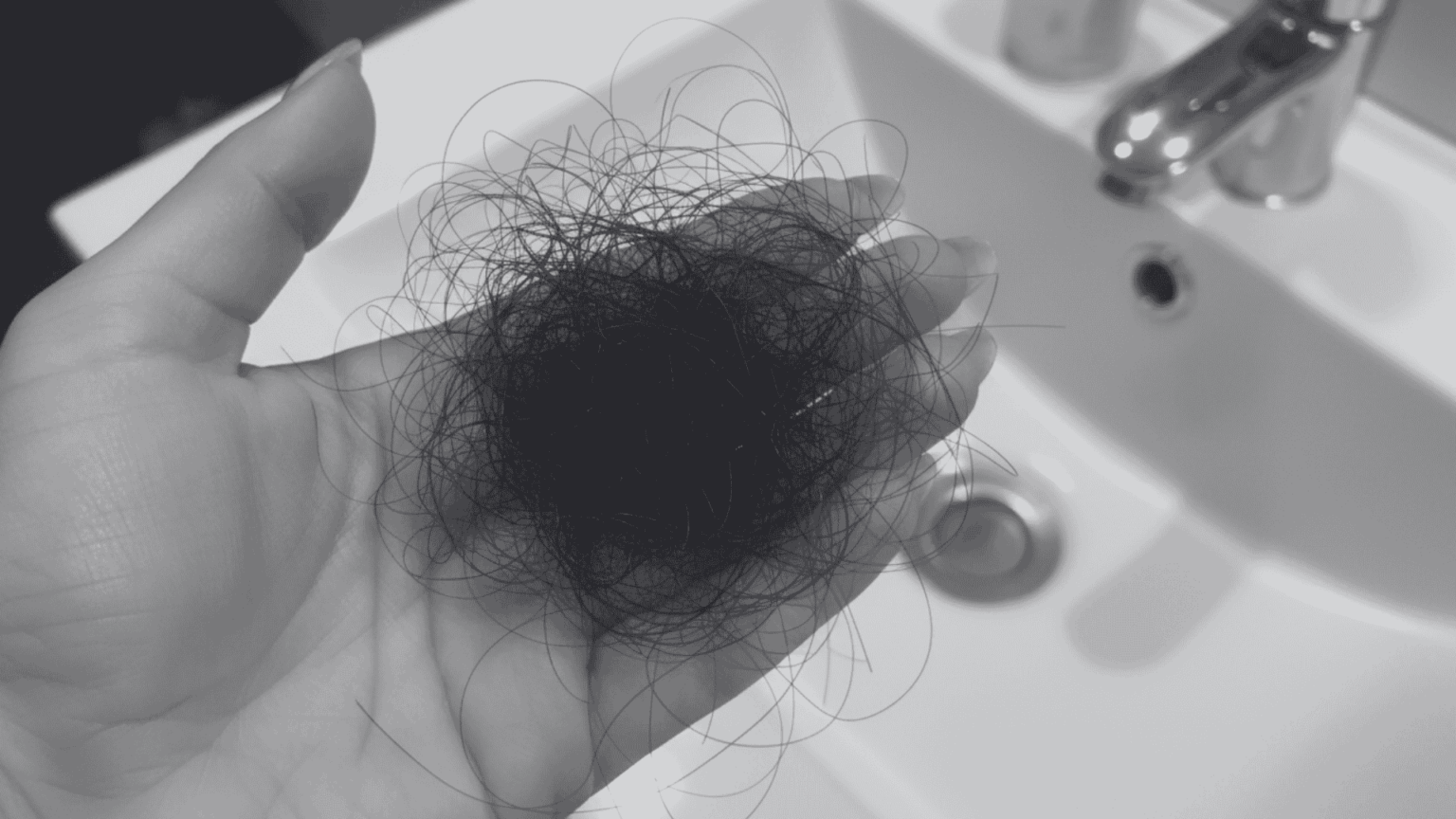
Millions of people lose hair every day without knowing why.
But what if the answer is sitting on your plate or missing from your plate, to be precise.
The right nutrients make a real difference to hair health. Read on and find out what your body might be missing.
Why Hair Follicles Need Micronutrients?
Hair follicles are among the most active cells in your body. They work fast, which means they need a steady supply of nutrients to keep going.
Without the vitamins and minerals, follicles slow down, weaken, and shed faster than they regrow. Good nutrition is simply the foundation of healthy hair.
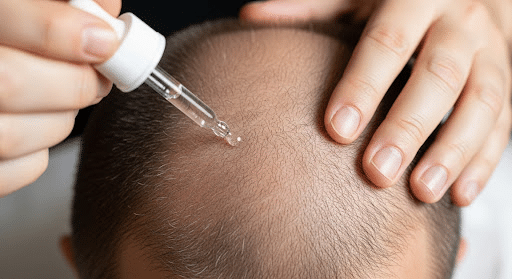
The right minerals and vitamins, combined with the right oils, help to reopen hair follicles, and with lifestyle changes, hair regrows faster.
Signs Hair Loss Might Be Nutritional:
Here are some signs that nutrition could be the cause:
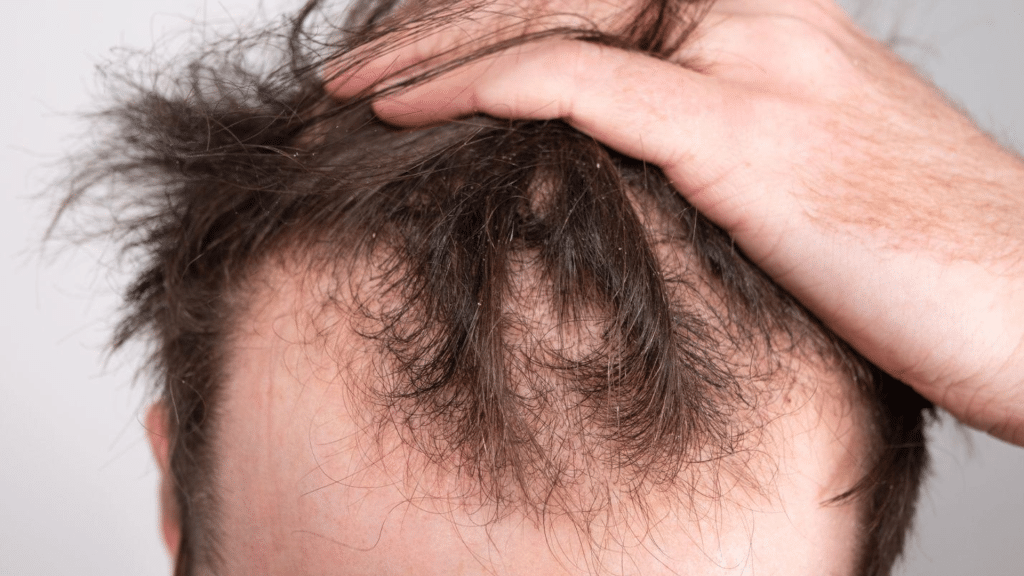
- Diffuse thinning: Hair thins evenly across the scalp rather than in one spot.
- Brittle strands: Hair breaks easily and feels dry or rough to the touch.
- Slow regrowth: Lost hair takes much longer than usual to grow back.
- Scalp changes: You may notice dryness, flaking, or scalp irritation.
If you notice more than one of these signs at once, your diet might be worth looking into.
How Vitamin and Mineral Deficiencies Cause Hair Loss?
Hair loss is not always about genetics or stress. Sometimes, the body simply lacks key nutrients needed to keep hair healthy.
Reduced Oxygen Supply
Iron deficiency reduces hemoglobin levels, which in turn reduces the oxygen-carrying capacity.
Hair follicles need that oxygen to stay active and grow. Without it, they weaken, shrink, and eventually stop producing new strands.
This is why someone with an iron deficiency often notices heavy shedding first.
Poor Keratin Production
Keratin is the protein that builds every hair strand. Without enough Biotin and Vitamin C, the body struggles to produce it properly.
Strands grow out thin, weak, and prone to breakage, even with the gentlest hair care routine.
Disrupted Scalp Circulation
Low levels of Vitamin E and Zinc slow blood flow to the scalp. Follicles stop getting the nourishment they need to function well.
Over time, this leads to sluggish growth and increased hair fall. Good scalp circulation is something many people overlook until the damage is done.
Disrupted Follicle Cycling
Vitamin D plays a bigger role in hair health than most people realize.
It helps create new follicles and keeps existing ones strong. When Vitamin D levels drop, follicles shrink and enter a premature resting phase.
This leads to noticeable thinning, especially around the crown and temples.
Weakened Hair Follicle Repair
Every hair strand goes through a growth, rest, and shedding cycle.
Zinc and Vitamin B keep this cycle running on schedule. When these nutrients are low, more hairs shift into the shedding phase at once.
This is what causes that sudden, alarming increase in hair fall that many people experience.
Top Vitamin and Mineral Deficiencies Causing Hair Loss
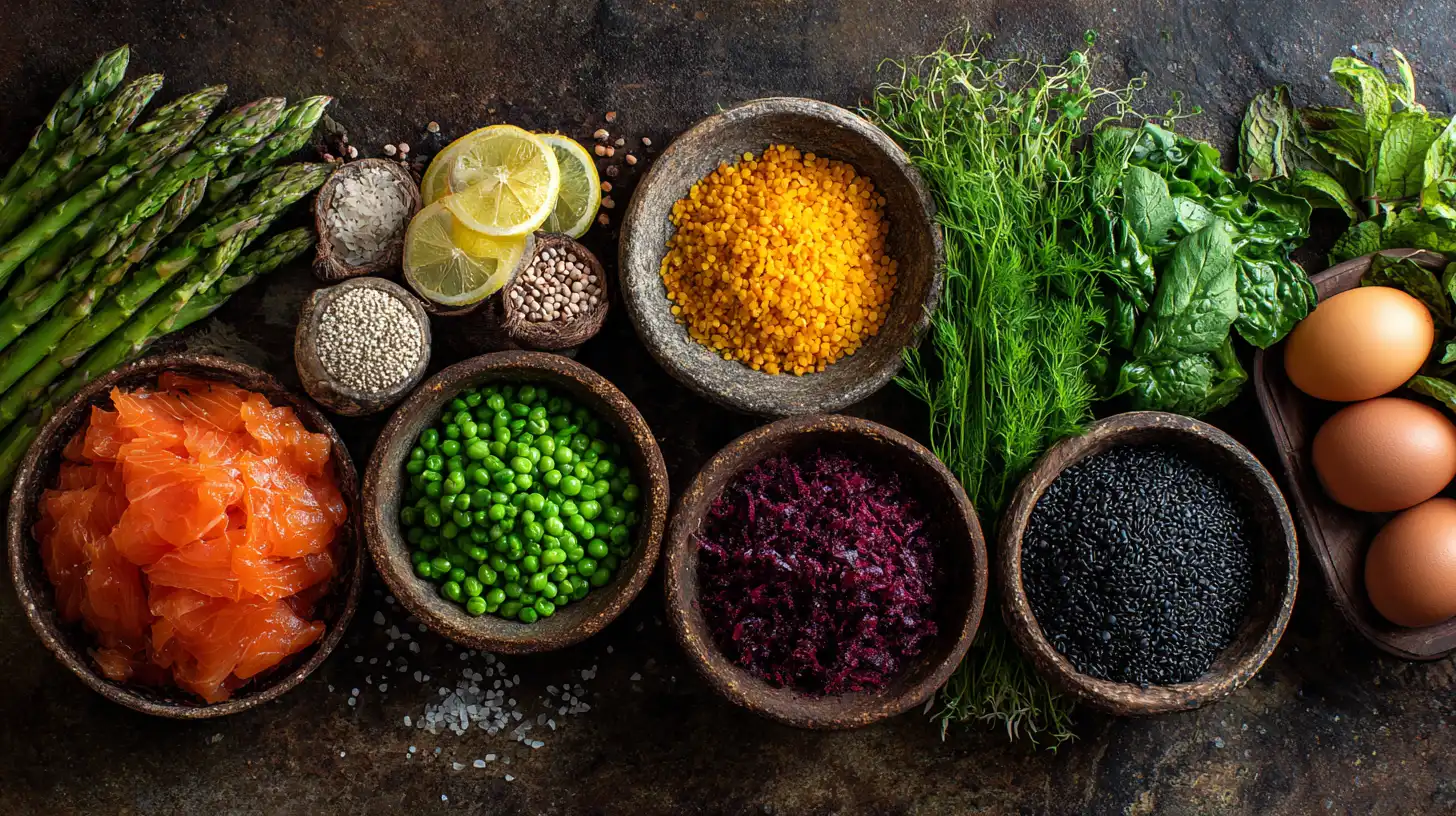
Some nutrients matter more than others for your hair. Here are the top ten deficiencies that can trigger hair loss.
1. Vitamin A
Vitamin A produces sebum to keep the scalp moisturised. But too much vitamin A can take its toll on your hair health as well. [Source: Wimpole Clinic]
Symptoms of vitamin A deficiency include a dry scalp, slow hair growth, and dry skin. Include carrots, sweet potatoes, leafy greens, and dairy in your diet; these are the main sources of vitamin A.
2. Iron
Iron carries oxygen to your hair follicles. Without enough, follicles weaken and shedding increases.
Common symptoms include excessive shedding, fatigue, and pale skin. You can include red meat, spinach, lentils, and beans in your diet; they are good sources of iron.
Iron deficiency is one of the most common causes of hair loss, especially in women with heavy periods, they often lose too much iron.
3. Vitamin D
Vitamin D helps stimulate the growth of new hair follicles. Low levels are linked to slow regrowth and thinning.
Symptoms include thinning hair, fatigue, and low mood. Fatty fish, egg yolks, and fortified milk are solid food sources to add to the diet.
4. Biotin (Vitamin B7)
Biotin supports keratin production and keeps strands strong. Low levels lead to brittle, thinning hair.
Symptoms to watch for include brittle hair, dry skin, and thinning strands.
Eggs, almonds, salmon, and sweet potatoes are among the best sources of biotin.
5. Vitamin B12
B12 helps red blood cells carry nutrients to the follicles. Low Vitamin B12 can noticeably slow hair growth.
Common symptoms are hair thinning, fatigue, and pale skin. Meat, fish, dairy, and fortified plant milks are reliable sources worth including regularly in your diet.
Vegans and vegetarians may be at risk of vitamin B12 deficiency.
6. Zinc
Zinc keeps the oil glands around follicles working properly. Without it, shedding increases and regrowth slows. Symptoms include hair loss, a dry scalp, and a weakened immune system.
Oysters, beef, pumpkin seeds, and chickpeas are rich in zinc.
If someone is dealing with a persistently dry scalp, low zinc could be the reason.
7. Vitamin C
Vitamin C builds collagen and helps the body absorb iron. Both are essential for healthy hair growth.
Symptoms of deficiency include brittle hair, fatigue, and easy bruising. Oranges, bell peppers, strawberries, and kiwi are great everyday sources.
8. Vitamin E
Vitamin E protects follicles from damage and supports scalp circulation. Low levels increase shedding.
Symptoms include increased shedding, dry scalp, and dull hair. Add almonds, sunflower seeds, spinach, and avocado, which are excellent sources.
This one often gets overlooked, but Vitamin E quietly does a lot of work for the scalp.
9. Folate (Vitamin B9)
Folate supports cell division and maintains follicle activity during the growth phase. Low levels slow things down.
Symptoms of vitamin B9 deficiency include hair thinning, fatigue, and pale skin. Leafy greens, lentils, beans, and asparagus are among the top food sources to include.
10. Selenium
Selenium protects follicles from oxidative damage and supports thyroid function. Low levels disrupt hair growth.
Symptoms are hair thinning and loss, brittle or discoloured nails, fatigue, and, in more severe cases, impaired thyroid function, which can itself further accelerate hair loss.
Brazil nuts, tuna, eggs, and brown rice are reliable sources of selenium that are easy to add to meals.
Treat the Hair Loss Caused by Nutrient Deficiencies

Finding out your hair loss is nutrition-related means there are real steps you can take.
Improving Hair Health Through Diet
Food is the best place to start. Your body absorbs nutrients from whole foods better than from pills.
Add these to your meals daily:
- Iron: Spinach, lentils, red meat
- Biotin: Eggs, salmon, almonds
- Vitamin C: Oranges, bell peppers
- Zinc: Pumpkin seeds, beef, oysters
- Vitamin D: Fatty fish, fortified milk
Keep meals balanced with protein, healthy fats, and vegetables. Small changes add up over time.
Supplements and Targeted Nutrient Therapy
When Supplements Help:
- Blood test confirms a deficiency
- You follow a vegan or a vegetarian diet
- Poor gut absorption is an issue
Risks of Over-Supplementation:
- Too much Vitamin A can trigger more hair loss
- Excess selenium can damage follicles
- Always talk to your doctor before starting anything
Lifestyle Changes That Support Hair Recovery
Managing stress through daily walks or quiet time helps lower cortisol levels. Pairing that with regular scalp massage boosts blood flow to the follicles.
And getting seven-to-nine hours of sleep each night gives the body the time it needs to repair and regrow hair.
Final Thoughts
Hair loss builds up slowly, often because the body is running low on nutrients it needs every single day.
Checking iron, Vitamin D, and zinc levels is a smart place to start.
A simple blood test can tell someone exactly where they stand. From there, small and steady changes to daily eating habits can make a real difference over time.
Speak to a doctor, get tested, and take the first step toward healthier hair today.
Frequently Asked Questions (FAQs)
1. Can Hair Grow Back from a Vitamin Deficiency?
Yes, but the regrowth may take several months.
2. What Not to Eat when Losing Hair?
Cured meats, sugary foods, ultra-processed options, and fried foods.
3. How to Thicken Hair Naturally?
To thicken hair naturally, focus on a nutrient-rich diet (including protein, biotin, iron, and omega-3s).