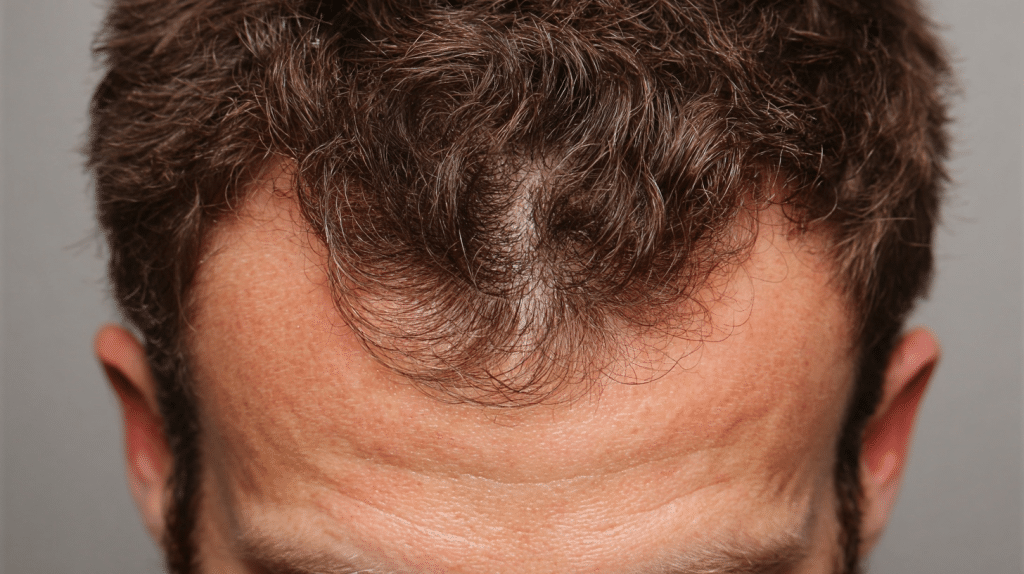

Hair loss can shake anyone’s confidence.
Many people notice their hair thinning and feel worried. They look in the mirror and see more scalp than before. It feels frustrating.
The thing is, the mentioned methods can help regrow hair naturally in 3 weeks.
This isn’t about expensive treatments or harsh chemicals. It’s about simple changes that anyone can make at home.
The right foods, proper scalp care, and a few lifestyle tweaks can make a real difference.
The Major Causes of Hair Loss
Hair loss affects millions of people worldwide. The reasons behind it vary from person to person. Understanding the cause is the first step toward finding the right solution.
Genetic Factors
Sometimes, hair loss simply runs in the family. If a parent or grandparent experienced thinning hair, there’s a good chance others in the family will too.
This type of hair loss, known as androgenetic alopecia, affects both men and women and tends to worsen with age.
Hormonal Changes
Hormones play a big role in hair health. Pregnancy, menopause, and thyroid issues can all throw hormones off balance
When that happens, hair follicles get affected, leading to thinning or excessive shedding. The hormonal hair loss is often temporary and manageable.
Medical Conditions and Treatments
Certain illnesses like alopecia areata, lupus, and diabetes can trigger hair loss.
Cancer treatments like chemotherapy are also known culprits.
These treatments target fast-growing cells, and unfortunately, hair follicles fall into that category, causing significant hair loss during the process.
Nutritional Deficiencies
Hair needs fuel to grow, the deficiency proper minerals and vitamins causes hairfall.
Poor diet is one of the most overlooked causes of hair loss. The body prioritizes vital organs first, so hair often gets the leftover nutrients, which isn’t always enough.
Stress and Trauma
High stress levels can push hair follicles into a resting phase, causing noticeable shedding weeks later. This condition is called telogen effluvium.
Physical trauma, surgery, or a sudden emotional shock can all trigger it, but after managing stress, hair usually grows back on its own.
Hairstyling and Damage
Tight hairstyles like braids, ponytails, and extensions put constant tension on hair follicles.
Over time, this leads to a condition called traction alopecia.
Excessive heat styling and chemical treatments also weaken the hair shaft, causing breakage and thinning along the hairline and crown.
Infections and Scalp Issues
A healthy scalp is the foundation for healthy hair.
Fungal infections, such as ringworm, as well as conditions like dandruff and psoriasis, can damage follicles and slow hair growth.
When the scalp is inflamed or infected, hair growth is impaired, making treatment of the scalp itself a priority.
Can You Regrow Hair Naturally in 3 Weeks?
Three weeks isn’t a long time, but it’s enough to see early signs of improvement.
Hair growth doesn’t happen overnight, but with the right care, the scalp can become healthier, and new growth can begin to show.
Natural methods like scalp massage, better nutrition, and proper hair care can kickstart the process.
Results vary from person to person, but staying consistent makes a real difference.
Natural Ingredients for Hair Regrowth
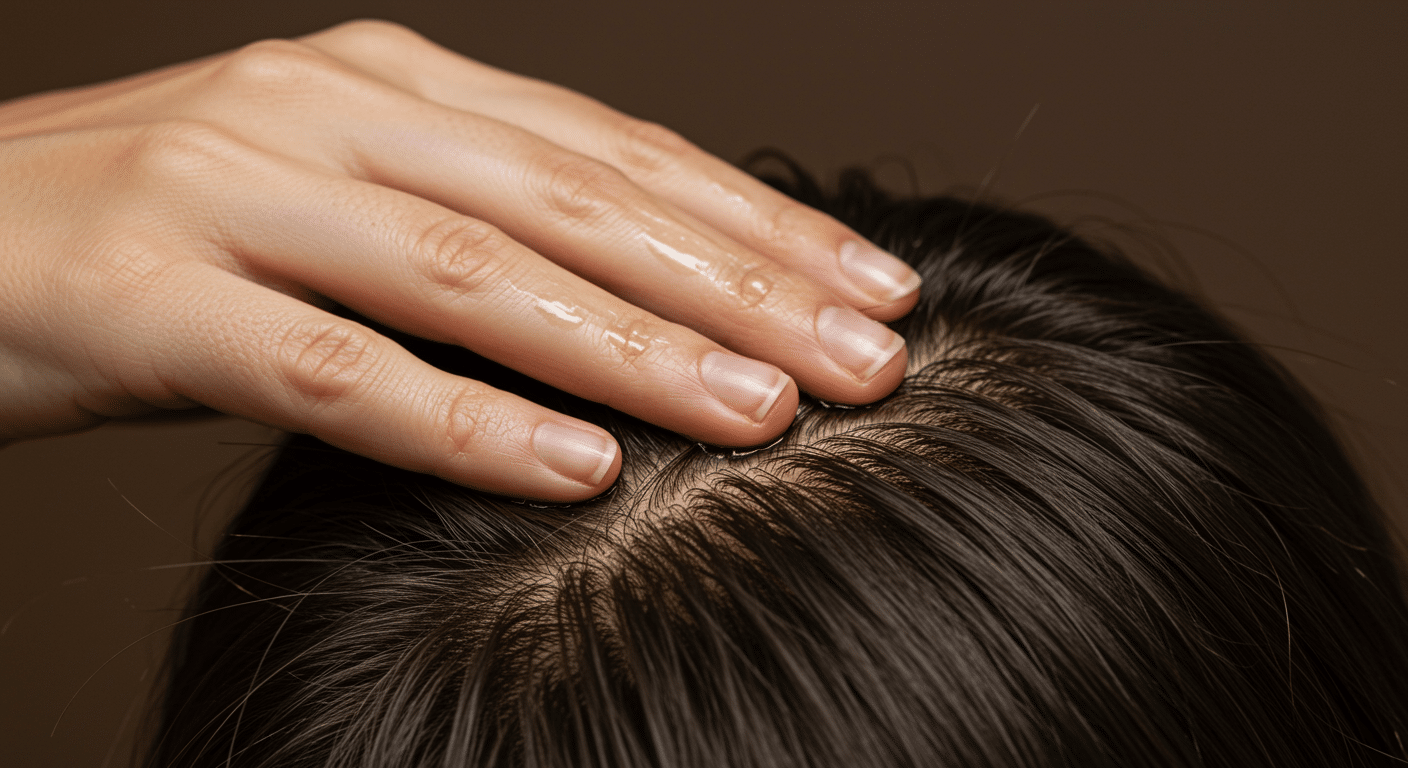
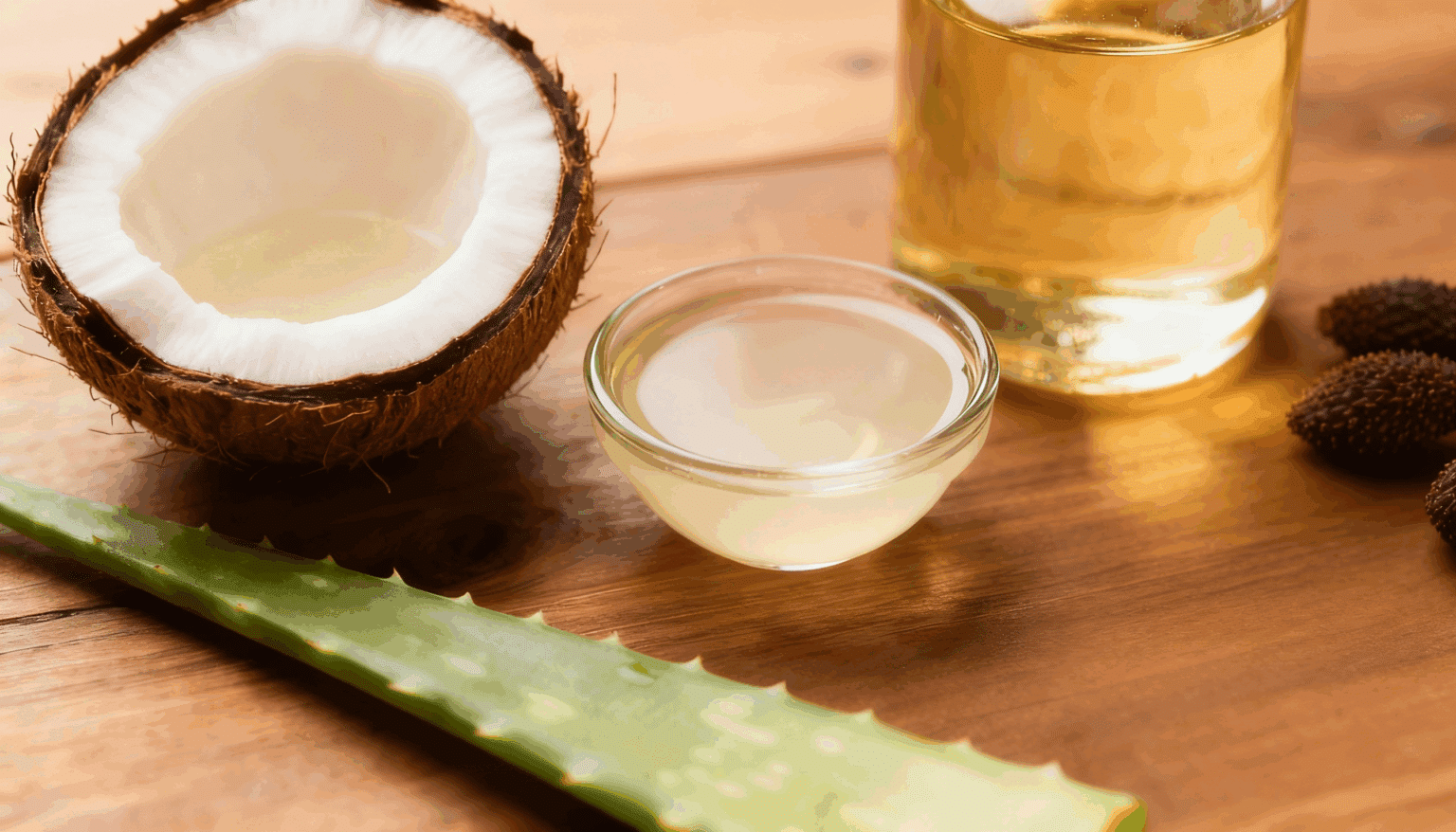
Nature has some powerful ingredients for hair regrowth. Many of them are already sitting in the kitchen or can be found at any local store.
Rosemary Oil
Rosemary oil is one of the most studied natural remedies for hair loss.
It improves blood circulation in the scalp and strengthens hair follicles.
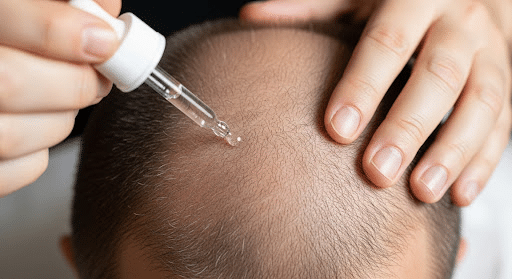
Regular application a few times a week can visibly reduce shedding and encourage new growth, without any harsh chemicals.
Aloe Vera
Aloe vera soothes an irritated scalp and unblocks hair follicles clogged by excess oil. Its enzymes directly promote healthy hair growth.
Applying fresh aloe vera gel directly to the scalp two to three times a week keeps the scalp clean and well-conditioned for better growth.
Coconut Oil
Coconut oil penetrates the hair shaft deeply, reducing protein loss and preventing breakage.
It also keeps the scalp moisturized and free from fungal issues.
Massaging warm coconut oil into the scalp before washing is a simple habit that supports stronger, healthier hair over time.
Onion Juice
Science shows that there are many ways onion juice can help with hair loss. For one, onions are high in dietary sulfur, a nutritional element our bodies need. [Source: Healthline]
Despite the strong smell, applying onion juice to the scalp regularly has shown real results in reducing hair fall and promoting regrowth.
Fenugreek Seeds
Fenugreek seeds are packed with proteins and nicotinic acid, both of which strengthen hair follicles. Soaking the seeds overnight and grinding them into a paste makes an effective hair mask.
Applied weekly, it helps reduce thinning and adds noticeable body and strength to the hair.
Regrow Hair Naturally in 3 Weeks
A clear plan makes success easier. Here’s what to do each week.
Week 1: Preparation and Foundation
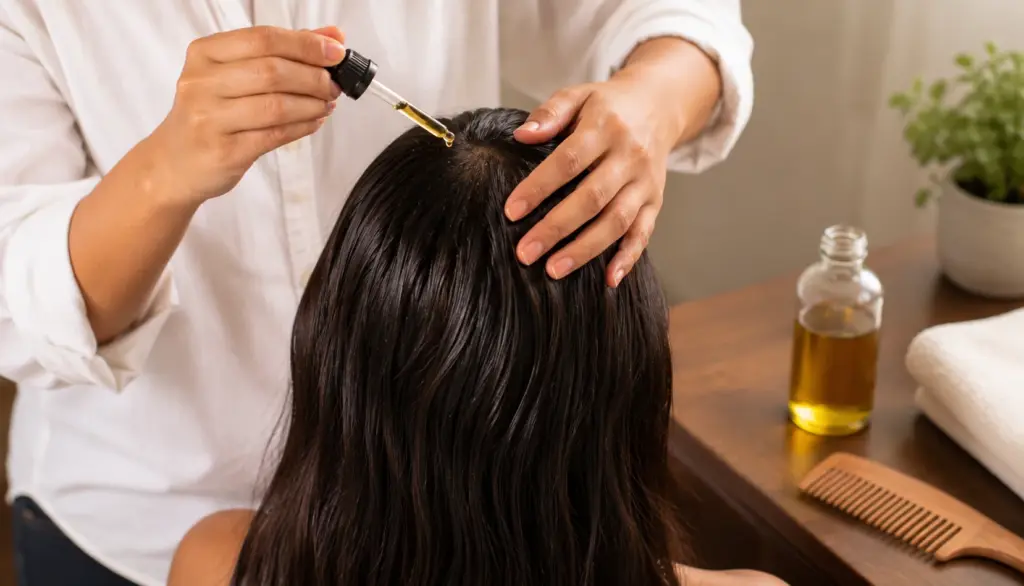
The first week sets the foundation for growth. Start with a scalp massage every night using coconut or castor oil. Spend five to ten minutes gently rubbing the scalp in circular motions.
Apply aloe vera gel three times during the week, letting it sit for 30 minutes before rinsing.
Add protein and iron-rich foods to every meal, and drink eight glasses of water daily.
Get at least seven hours of sleep each night. Stop using heat styling tools completely during this phase.
Week 2: Consistency and Care
The second week builds on those habits.
Continue the nightly scalp massages with oil, keeping the routine consistent. Apply onion juice twice this week, leaving it on for 15 minutes before washing.
Add a biotin supplement to the morning routine. After washing hair, rinse it with cooled green tea for extra nourishment.
Keep eating hair-healthy foods and stay hydrated. Manage stress with ten minutes of deep breathing daily. Use only a wide-tooth comb, and be gentle when detangling.
Week 3: Final Push
The third week brings everything together. Maintain all treatments from the previous weeks without skipping any.
Apply fenugreek paste twice during this week for an extra boost. Take progress photos and compare them with photos from week one. Keep hydration and sleep consistent, as the body needs both for repair.
Continue handling hair gently, avoiding tight styles or rough brushing. Stay patient as new growth becomes more visible.
How to Thicken Hair Naturally?
Simple, consistent habits can make your hair thicker.
The scalp needs proper care, the body needs the right nutrients, and hair needs to be handled gently.
- Scalp Massage: Massaging the scalp daily for 4-5 minutes boosts blood flow to hair follicles. Better circulation means stronger, thicker hair growth over time.
- Eat Protein-Rich Foods: Hair is mostly made of protein. Adding eggs, lentils, and nuts to the diet gives follicles the building blocks they need to grow thicker strands.
- Stay Hydrated: Water keeps the scalp healthy and hair strands moisturized. Dehydration weakens hair from the root, leading to breakage and thinning over time.
- Avoid Heat Styling: Excessive heat weakens hair strands. Cutting back on blow dryers and straighteners helps hair retain its natural thickness and strength.
- Trim Regularly: Regular trims remove split ends and prevent further breakage. Healthier ends mean hair looks and feels noticeably fuller over time.
Killing the “Natural Means Slow Results” Misconception
Many people assume that natural remedies take forever to work. That’s not always true.
When the right methods are used consistently, the scalp responds faster than most people expect.
The key is targeting the root cause early. Natural ingredients, such as rosemary oil, have been shown to work just as well as some chemical treatments.
The body is designed to heal itself; it just needs the right support.
Consistent effort can produce visible changes that most people don’t expect from natural care
Lifestyle Habits That Support Hair Growth
Sleep affects hair growth directly. The body repairs itself during deep sleep, and hair follicles are no exception. Getting 7 to 8 hours of sleep each night helps hair grow stronger.
Drinking enough water keeps the scalp hydrated. Dehydration makes hair dry and brittle.
Regular exercise boosts blood circulation. When blood flows better, it carries oxygen and nutrients to the scalp. Even a 30-minute walk makes a difference.
Stress management is crucial. High stress levels trigger hair loss. Meditation, deep breathing, or spending time outdoors can naturally lower stress levels.
Avoiding heat styling protects hair from damage. Blow dryers and flat irons weaken hair shafts. Let hair air dry when possible.
Limiting alcohol and quitting smoking both help. These habits reduce blood flow to the scalp.
Foods That Boost Hair Growth
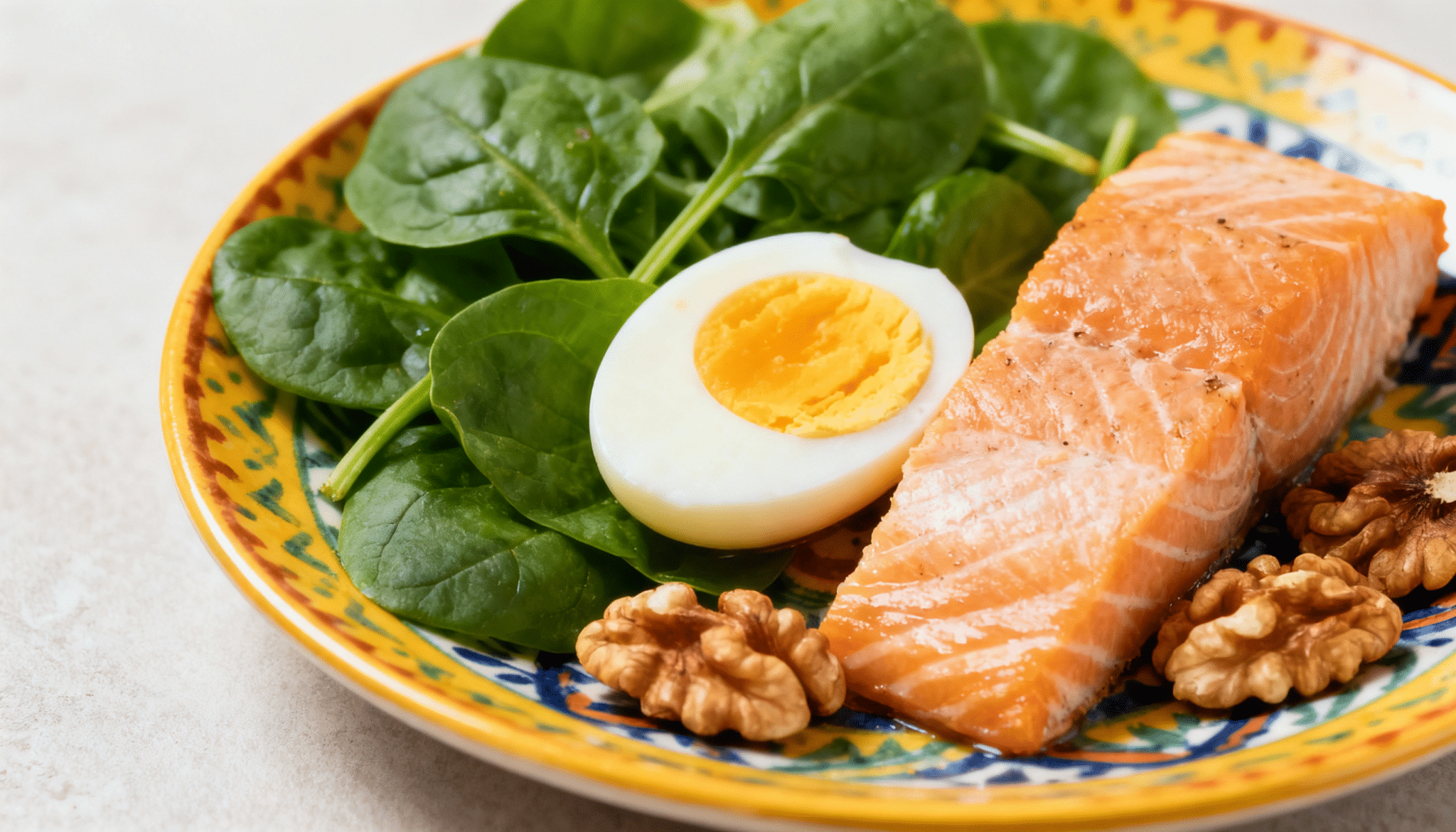
What goes inside the body shows up in the hair.
Protein-Rich Foods
- Eggs provide building blocks for hair
- Chicken and fish supply lean protein
- Beans and lentils work well for vegetarians
- Hair is made of protein, so it needs plenty
Iron Sources
- Spinach and kale pack iron into every bite
- Red meat delivers iron quickly
- Pumpkin seeds offer a plant-based option
- Low iron levels cause hair to fall out faster
Omega-3 Fatty Acids
- Salmon and mackerel feed the scalp
- Walnuts provide omega-3s without fish
- Flaxseeds can be sprinkled on meals
- These fats keep hair shiny and strong
Vitamin-Rich Options
- Sweet potatoes contain vitamin A for scalp health
- Oranges and strawberries offer vitamin C
- Nuts provide vitamin E
- Avocados deliver multiple vitamins at once
What to Avoid
Using too much product clogs the follicles. A little goes a long way, so stick to recommended amounts. Washing hair too often strips away natural oils that the scalp needs.
Expecting instant results leads to disappointment. Hair grows slowly, and frequent treatment changes confuse the scalp. Pick a routine and stick with it.
Skipping meals or eating poorly sabotages progress. Hair needs nutrients from food to grow strong. Rough towel-drying can damage wet hair, so pat it dry gently instead.
Ignoring sleep ruins the repair process. The body fixes hair follicles during deep sleep, so late nights mean less repair time.
Avoiding these mistakes keeps the regrowth plan on track. Small errors can create big setbacks.
Conclusion
Regrow hair naturally in 3 weeks with the right approach.
This blog covered the causes of hair loss, natural ingredients that work, and lifestyle habits that support growth. The three-week plan provides a clear roadmap, and knowing what mistakes to avoid keeps progress on track.
Hair regrowth takes commitment and consistency. Missing treatments or going back to old habits will delay results.
But sticking with the plan pays off. The scalp responds when given proper care, nutrition, and time.
Take action now and watch the regrowth of hair naturally in 3 weeks. The results are worth the effort.
Frequently Asked Questions (FAQs)
1. Will Hair Loss from Statins Grow Back?
Yes, in most cases it will. Once a person stops taking statins, hair usually grows back over time.
2. Which Blood Pressure Meds Cause Hair Loss?
Beta-blockers and ACE inhibitors are common culprits. Medications like metoprolol and lisinopril are known to trigger noticeable hair shedding.
3. What Blood Test Is Done for Hair Loss?
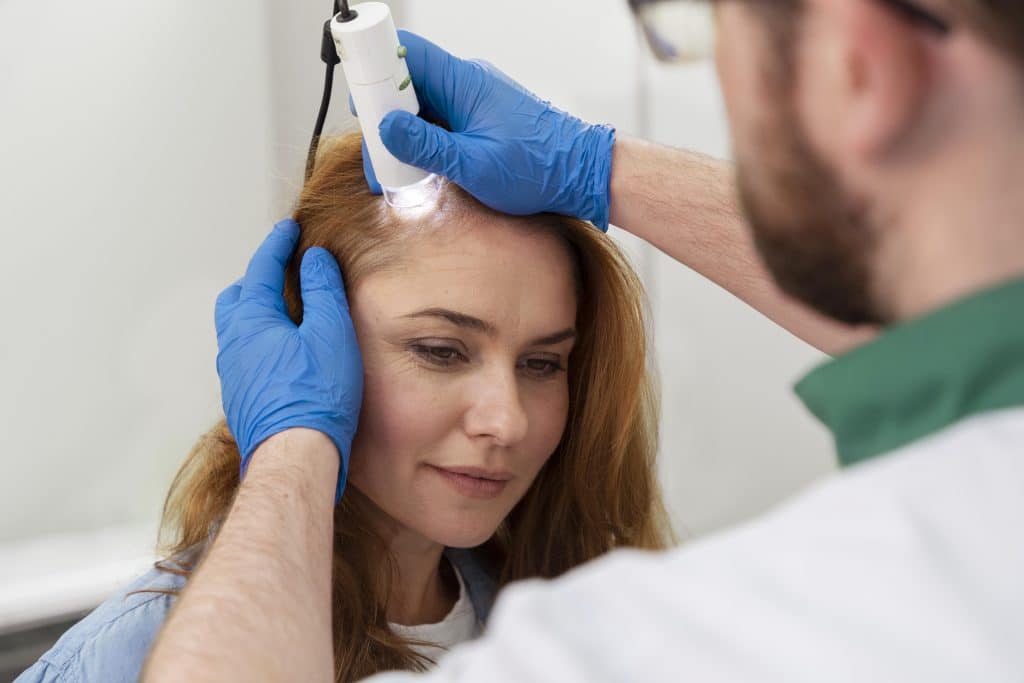
Doctors typically check thyroid levels, iron, ferritin, and vitamin D. These tests help identify the root cause of hair loss.