
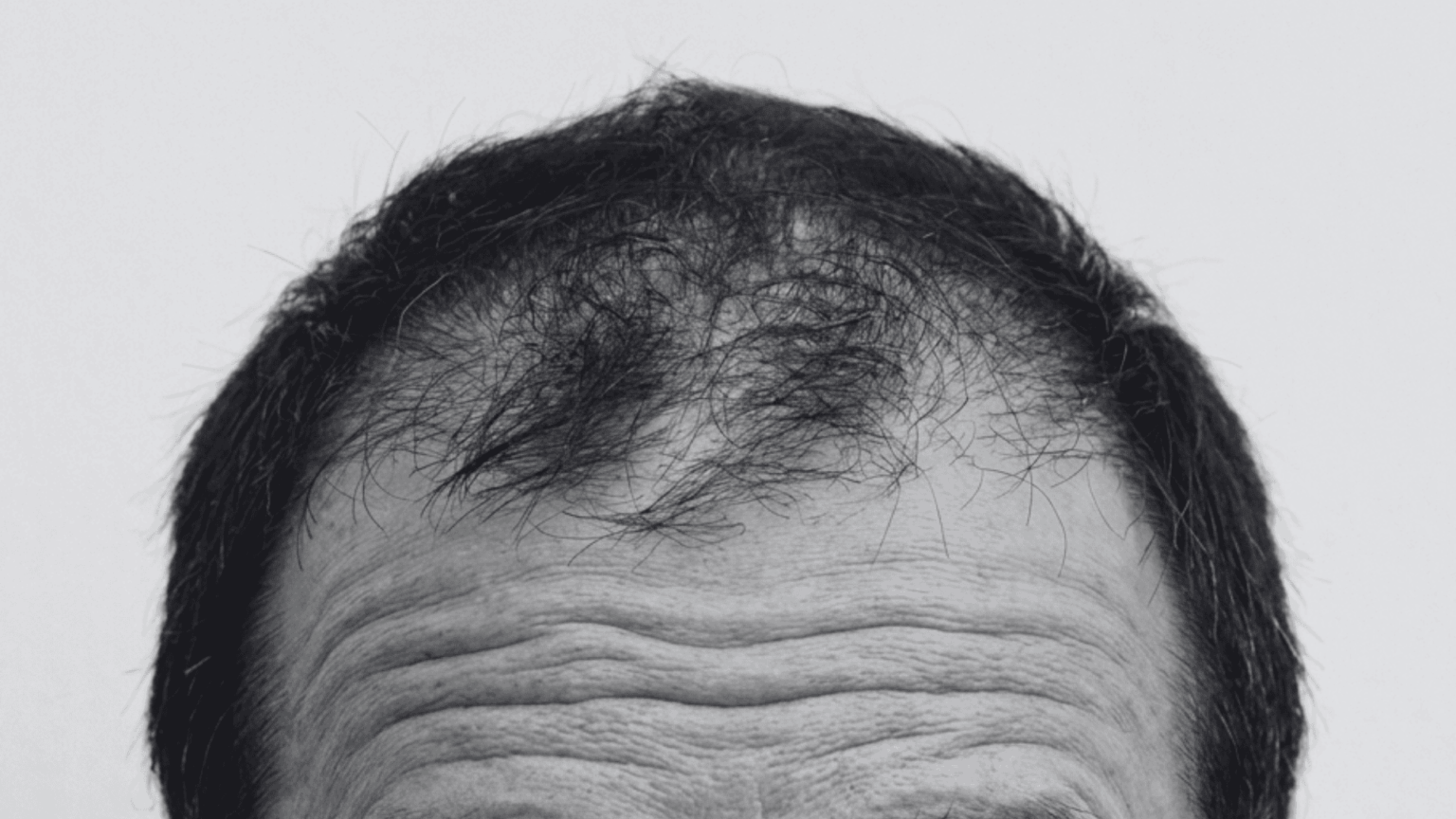
Hair loss can be confusing when nothing seems to work.
You can blame stress or bad shampoo, but the real cause might be internal.
This blog will show which organs are linked to hair loss, what signs to watch for, and which tests can help find the root cause.
While vitamins and oils might help you regrow your hair, identifying the root cause will speed up the process.
Symptoms That May Signal Organ-Related Hair Loss
Hair loss can mean more than just aging or stress. Sometimes a change in lifestyle can help you regrow your hair, but when that doesn’t help, the cause might be internal.
These symptoms may point to something deeper going on inside.
1. Scalp Itching and Redness
Persistent itching and redness on the scalp can signal inflammation linked to organ dysfunction.
When the liver or kidneys aren’t filtering toxins properly, the scalp often reacts first. This symptom is easy to dismiss but worth taking seriously.
If the scalp feels constantly irritated, consult a dermatologist.
2. Patchy Hair Thinning
Patchy thinning happens when certain areas lose density faster than others.
This uneven pattern often connects to thyroid imbalances or autoimmune responses triggered by organ stress. It’s not random; the body is trying to communicate something important here.
3. Sudden Excessive Shedding
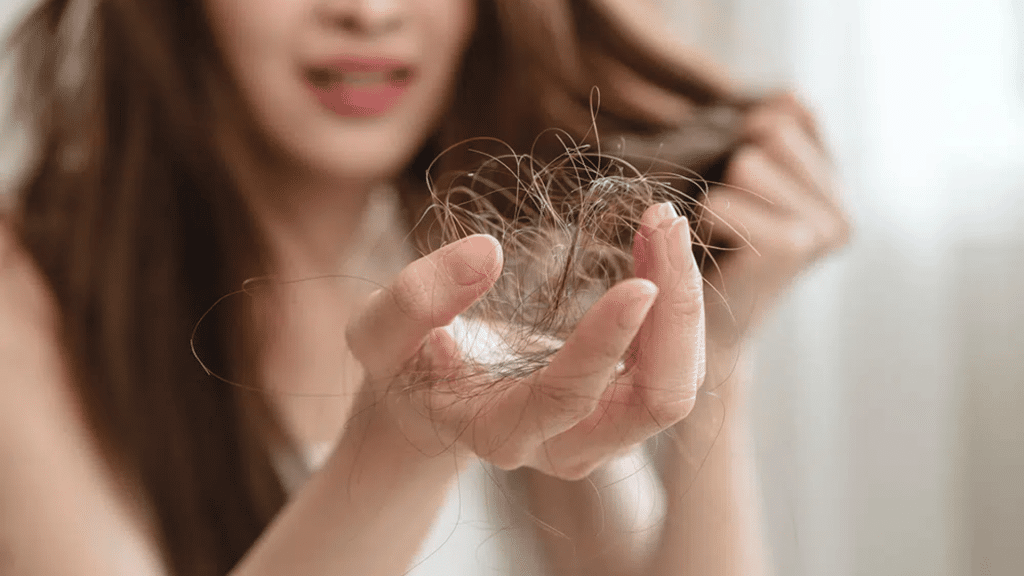
Finding large amounts of hair on pillows or in the shower drain is alarming. This sudden shedding often links to hormonal shifts caused by organ-related conditions.
It usually appears weeks after the internal issue begins affecting the body.
Tracking how much hair is shed daily can help doctors identify the cause more quickly.
4. Brittle or Dry Hair Strands
When hair feels dry, snaps easily, or lacks shine, organ health may be involved. The thyroid plays a big role in hair texture.
Poor thyroid function slows down the nutrients hair follicles need to stay strong and healthy.
5. Localized Bald Spots
Small, circular bald spots that appear suddenly can indicate an autoimmune disease. Glands such as the adrenal glands can trigger immune responses that indirectly attack hair follicles.
These spots may grow larger if the underlying organ issue goes untreated for a long time.
Noticing a new bald spot early and acting on it can make a real difference.
6. Accompanied Skin Rashes
Hair loss appearing alongside skin rashes is a strong sign of an internal issue. Conditions affecting the liver or the immune system often manifest first on the skin.
Rashes near the hairline or scalp deserve extra attention and medical evaluation.
7. Rapid Unexplained Loss
When hair thins rapidly without an obvious cause, the body may be under serious internal stress.
Kidney or liver issues can disrupt nutrient absorption, starving follicles of what they need. Rapid loss without a clear cause always warrants a medical check.
Keeping a photo record of hair density over time helps doctors see the full pattern.
Key Body Organs and Systems Linked to Hair Loss
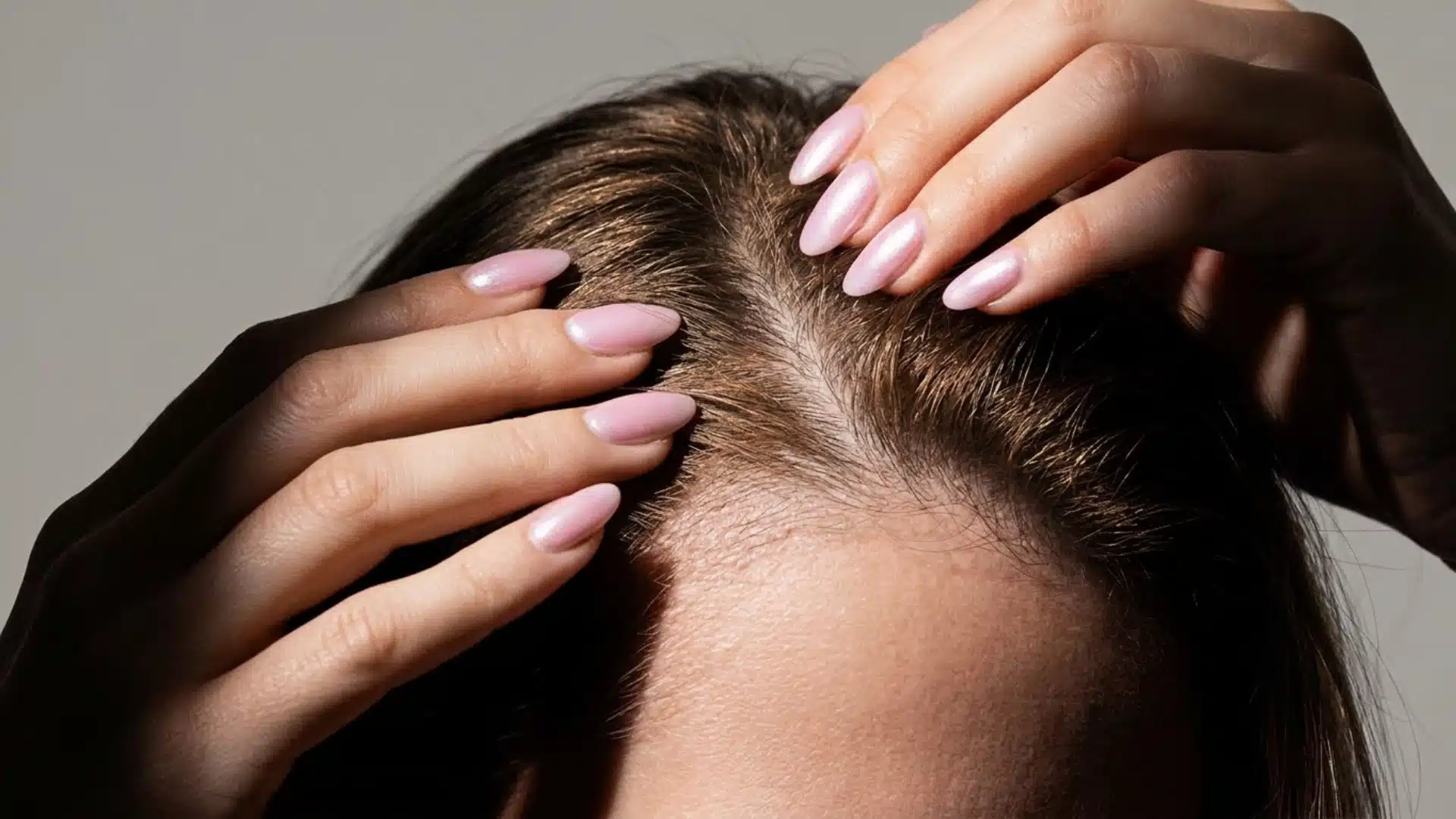
Several body systems and organs play a direct role in keeping hair healthy. When any of these fall out of balance, the hair often suffers first.
1. Endocrine System (Thyroid, Pancreas)
The endocrine system controls hormones that directly affect hair growth cycles.
An underactive thyroid or unstable blood sugar from pancreatic issues can slow follicle activity, leading to noticeable thinning over time.
Getting thyroid levels checked early can save a lot of time and guesswork.
2. Nervous System
Chronic stress from nervous system dysregulation prematurely pushes hair follicles into a resting phase.
This condition, called telogen effluvium, causes widespread shedding that many people mistake for normal hair loss.
3. Digestive System (Gastrointestinal Tract, Spleen)
Poor gut health affects how nutrients get absorbed into the body.
When the digestive system struggles, hair follicles miss out on iron, zinc, and B vitamins, all critical for healthy hair growth.
Digestive issues like bloating or irregular bowel habits, as well as hair loss, are worth discussing with a doctor.
4. Integumentary System (Skin, Scalp)
The scalp is part of the integumentary system and reflects internal health clearly.
Dryness, flaking, or inflammation on the scalp often signals that something deeper in the body needs attention and care.
5. Liver
The liver processes hormones and removes toxins from the blood.
When it’s overloaded or underperforming, excess hormones like DHT can build up and directly damage hair follicles, speeding up hair loss significantly.
Supporting liver health through diet and hydration can have a positive effect on hair over time.
6. Kidneys
Kidneys regulate the body’s mineral balance, including iron and calcium.
When kidney function declines, these minerals become depleted, leaving hair follicles weak and unable to sustain normal, healthy hair growth.
7. Ovaries, Adrenals, and Testes
These glands produce reproductive hormones that regulate hair growth patterns.
Hormonal imbalances from polycystic ovary syndrome, adrenal disorders, or low testosterone can all cause significant and sometimes rapid hair thinning or loss.
Hormonal imbalances are very common and very treatable; getting tested is a practical first step.
Foods to Protect Organs and Hair
What goes on your plate affects more than just weight. Certain foods actively support organ health and strengthen hair follicles.
| Food | Organ Supported | Hair Benefit |
|---|---|---|
| Spinach | Liver, Kidneys | Boosts iron and reduces shedding |
| Eggs | Thyroid, Adrenals | Strengthens strands with biotin and protein |
| Salmon | Thyroid, Liver | Feeds follicles with omega-3 fatty acids |
| Walnuts | Brain, Nervous System | Reduces stress-related hair loss |
| Sweet Potatoes | Liver, Skin | Delivers beta-carotene for scalp health |
| Lentils | Digestive System, Spleen | Restores iron and zinc levels naturally |
| Greek Yogurt | Gut, Immune System | Supports nutrient absorption for hair growth |
| Pumpkin Seeds | Kidneys, Ovaries, Testes | Balances hormones and strengthens follicles |
| Green Tea | Liver, Immune System | Reduces inflammation linked to hair loss |
| Berries | Immune System, Skin | Provides antioxidants that protect hair follicles |
Adding just two or three of these foods daily can make a real difference over time.
Essential Diagnostic Tests Doctors Use
Doctors use several targeted screenings to identify what’s going wrong inside the body. These five tests are the most commonly recommended ones.
1. Thyroid Panel
A thyroid panel measures TSH, T3, and T4 hormone levels in the blood.
Abnormal results often explain unexplained hair thinning and help doctors decide the best treatment path forward.
Asking a doctor specifically for a full thyroid panel, not just TSH, gives a clearer picture.
2. Hormone Panel
A hormone panel checks estrogen, testosterone, DHT, and cortisol levels.
Imbalances in any of these hormones can directly disrupt the hair growth cycle, leading to noticeable shedding or thinning over time.
3. Nutritional Level Testing
This test checks iron, ferritin, zinc, vitamin D, and B12 levels in the blood.
Low levels of these nutrients are among the most common and overlooked causes of ongoing hair loss in many people.
Even a slight deficiency in ferritin can cause significant shedding; it’s worth checking regularly.
4. Autoimmune Screening
Autoimmune screening looks for antibodies that signal the immune system is attacking the body’s own tissues.
Conditions like lupus or alopecia areata often show up in these blood markers before other symptoms become clear.
5. Scalp Examination
A scalp examination allows dermatologists to visually assess follicle health, inflammation, and hair density.
In some cases, a small scalp biopsy is performed to confirm whether follicle damage is present and, if so, how severe it is.
A scalp exam is quick, painless, and often the first step a dermatologist will recommend.
To Wrap Up
Hair loss is often the body’s way of saying something deeper needs attention.
The organs covered in this blog, from the thyroid to the liver, all play a role in keeping hair healthy; the right tests can point to the real cause.
So if your hair has been falling out more than usual, don’t just switch shampoos. Talk to a doctor.
The sooner the underlying issue gets addressed, the better the chances of getting healthy hair back.
Frequently Asked Questions (FAQ’s)
1. What Helps Hair Grow Thicker?
Nutrients like biotin, iron, zinc, and vitamin D strengthen hair follicles, reduce shedding, and promote noticeably thicker, healthier growth.
2. How Often Should You Wash Your Hair?
You should wash your hair as often as it feels dirty, which means every 2-3 days.
3. What Causes Malnutrition to Cause Hair Loss?
Malnutrition deprives hair follicles of essential nutrients like iron, zinc, and protein, weakening strands and triggering excessive shedding.
4. What Protein is Good for Hair Growth?
Eggs, shrimp, nuts, and fatty fish can serve as natural protein treatments for hair.