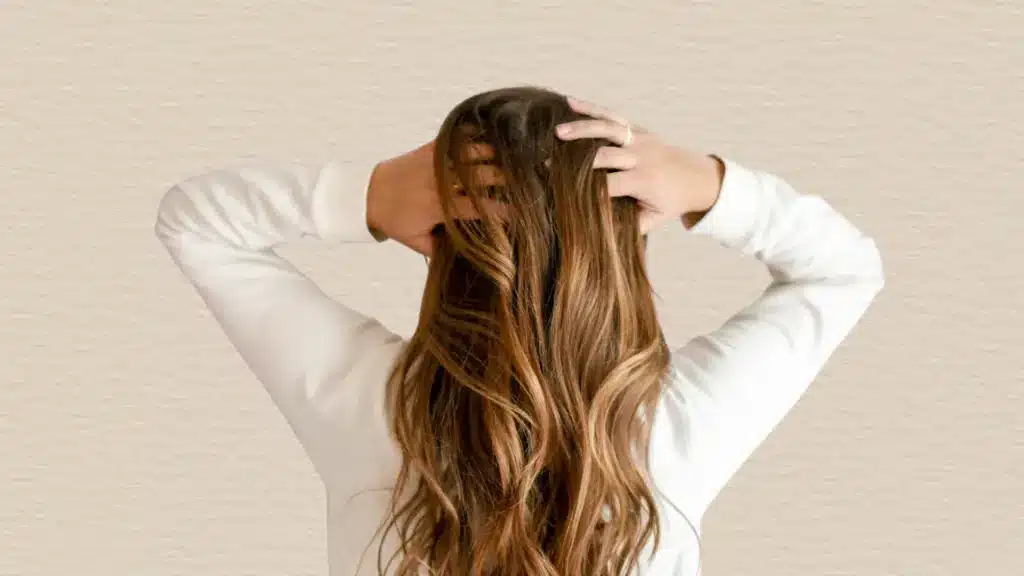

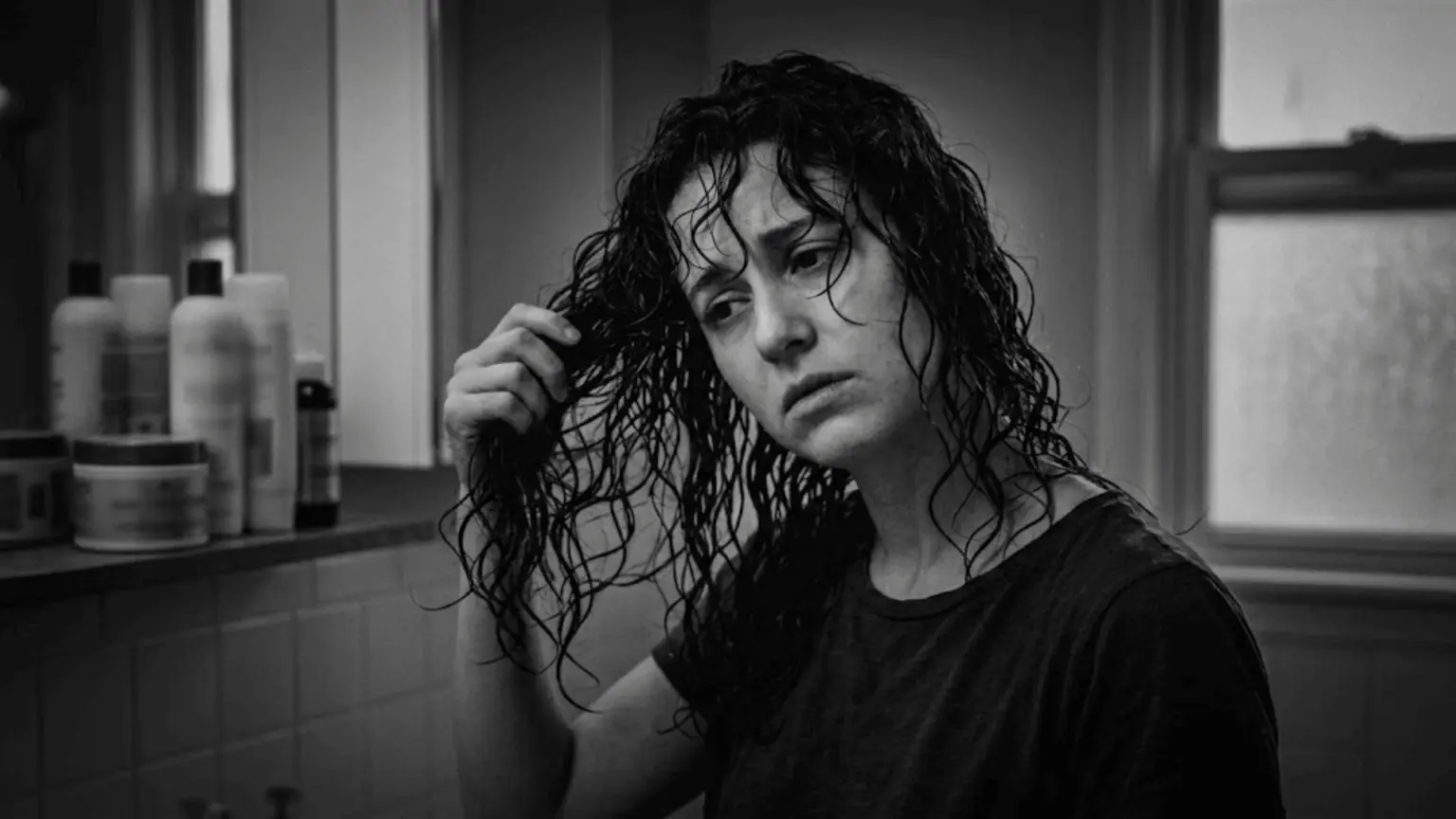
You’ve deep-conditioned, moisturised, and layered on the products. But your curls still don’t look right. They’re either limp and mushy or dry and brittle. What most people don’t realise.
If you’ve wondered why hair curls, it often relates to moisture balance, not just product choice.
Overhydrated curls and dehydrated curls can look surprisingly similar.
But treating one like the other?
That only makes things worse. Once you know what to look for, the fix is actually pretty simple.
You don’t need many products for curls. You just need the right information. This blog gathers and breaks down the signs of both conditions and shows you exactly how to fix them.
Why Moisture Balance is Important for Curly Hair
Curly hair is naturally more prone to dryness.
The twists and bends in each strand make it harder for natural oils to travel from root to tip. So moisture escapes faster than it does in straight hair.
This becomes more noticeable as curl patterns shift over time, making it harder to maintain moisture.
This is where balance really matters. Too little moisture leaves curls dry and brittle.
Too much, and they go limp and lose their shape. Getting it right is what keeps curls healthy and defined.
How Curls Hold Moisture? Hair porosity decides how well your curls absorb and hold moisture.
High-porosity hair soaks up moisture fast but also loses it quickly. Low porosity resists and retains moisture longer.
The Role of Protein and Moisture
- Moisture keeps curls soft and flexible.
- Protein adds strength and helps curls hold their shape.
- Too much moisture without protein makes curls weak and mushy.
- Too much protein without moisture makes curls stiff and dry.
- The right balance between both is what gives you healthy, defined curls.
What are Overhydrated Curls?
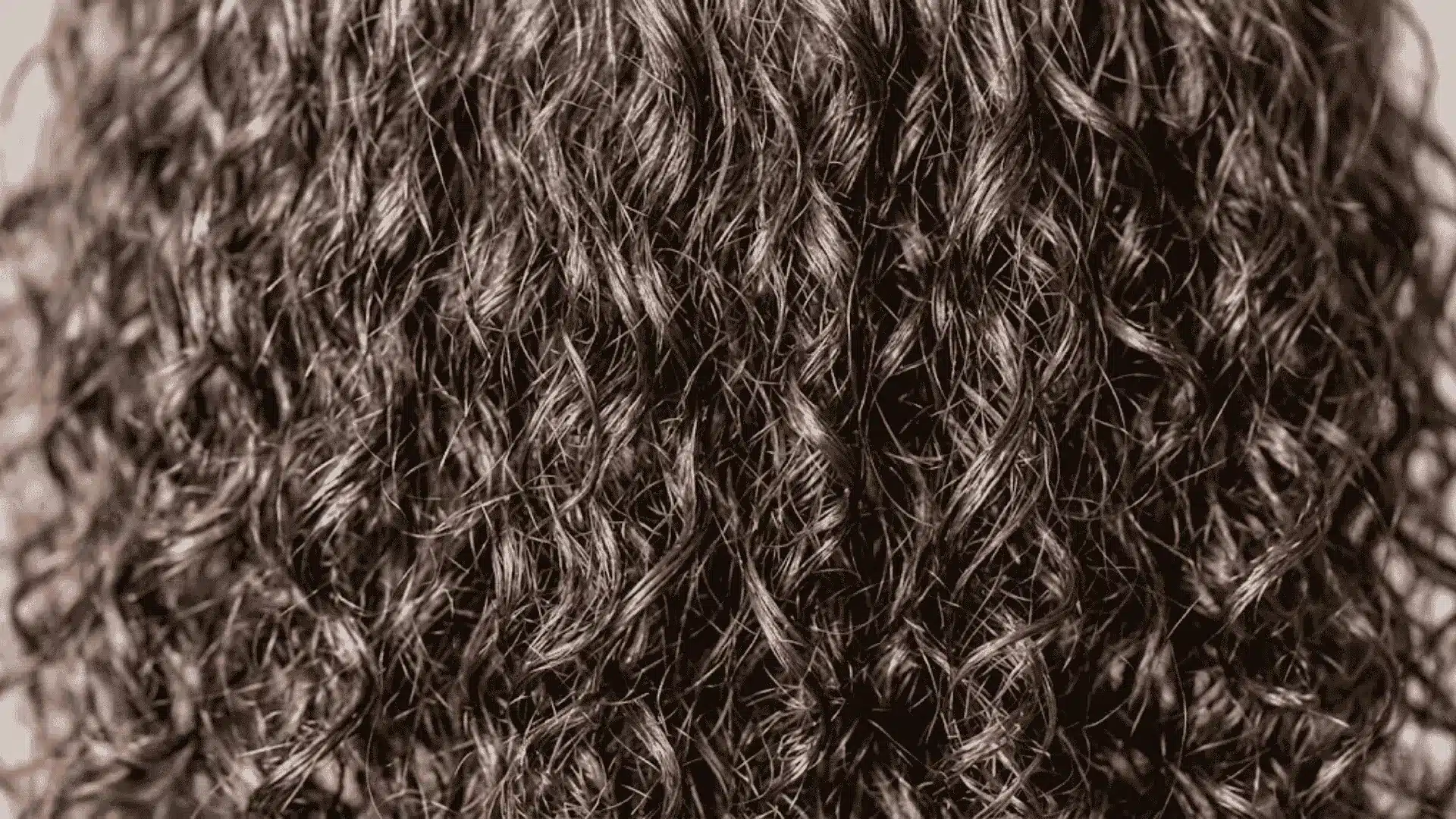
Overhydrated curls happen when your hair gets too much moisture and not enough protein to balance it out.
Common Signs of Overhydrated Curls
- Limp, mushy texture: Curls feel soft and weak, with no bounce or body.
- Curls won’t hold shape: Curl pattern falls flat even right after styling.
- Excess frizz despite moisture: Hair still frizzes up, no matter how much product you use.
- Hair feels overly soft: Strands feel almost too silky, like they have no structure left.
What Causes Overhydration
Deep conditioning too often is one of the biggest reasons curls get overhydrated.
Heavy creams and butters can also build up over time, pushing moisture levels too high. When there’s no protein in your routine, hair loses its structure.
Your strands need protein to hold all that moisture in check.
What are Dehydrated Curls?
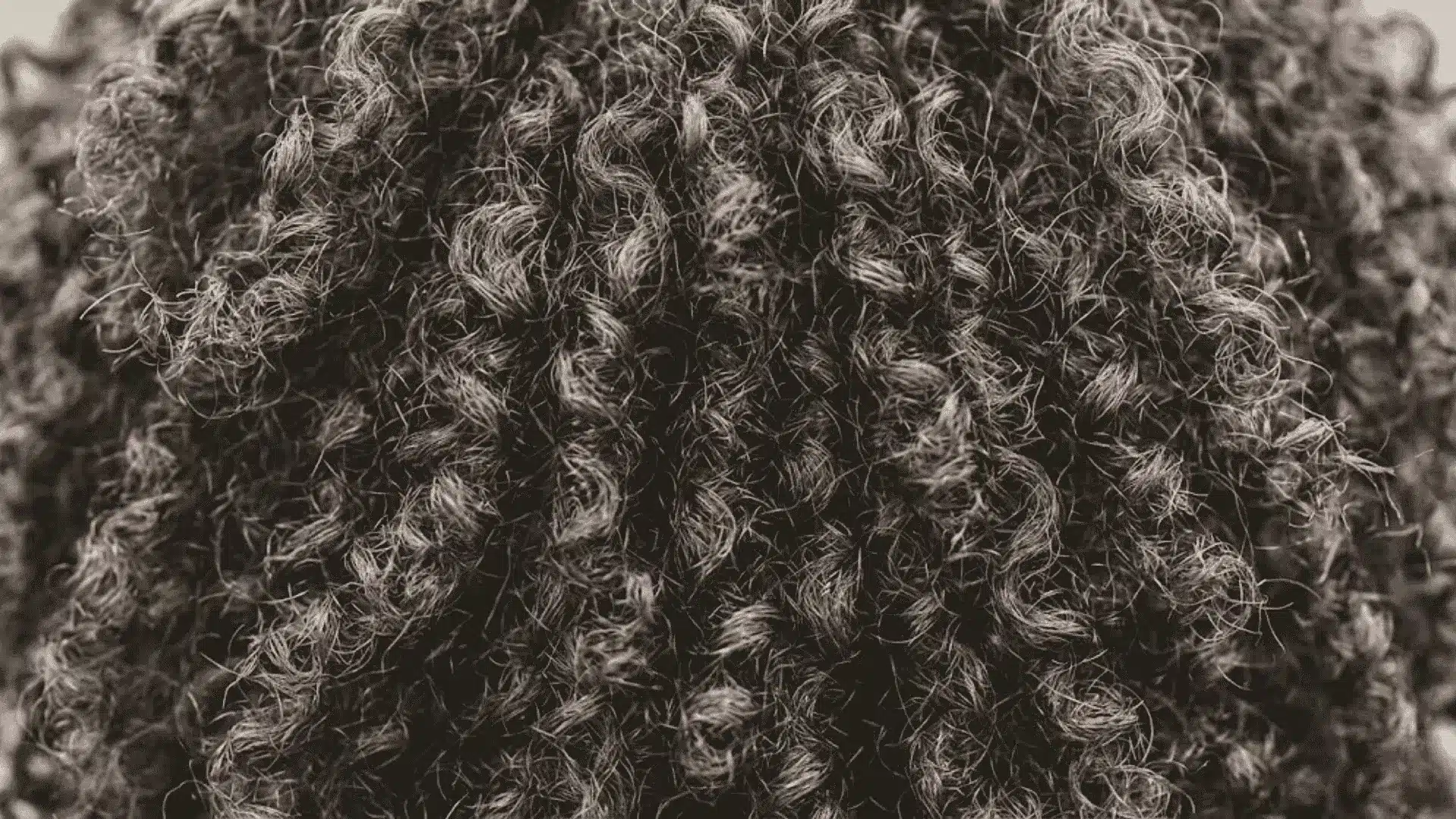
Dehydrated curls happen when your hair loses moisture faster than it can absorb it, leaving strands dry and fragile
Common Signs of Dehydrated Curls
- Dry, rough texture: Curls feel coarse and scratchy, even right after washing.
- Curls won’t clump together: Strands separate instead of forming defined curl clusters.
- Frizz that won’t go away: Hair puffs up and loses definition throughout the day.
- Hair feels brittle and stiff: Strands snap easily and feel tough to the touch.
What Causes Dehydration
Not moisturising enough is the most common cause. Heat styling, harsh shampoos, and too much protein can also strip moisture from your curls. Hard water and dry weather make things worse, too.
When your hair can’t hold on to water, it dries out quickly and feels rough and fragile.
Overhydrated vs Dehydrated Curls: Key Differences
| Feature | Overhydrated Curls | Dehydrated Curls |
|---|---|---|
| Texture and Feel | Soft, mushy, weak | Rough, coarse, stiff |
| Curl Pattern Change | Curls fall flat and lose definition | Curls shrink, frizz, and lose shape |
| Frizz Type | Frizz despite heavy product use | Frizz due to dryness and lack of moisture |
| Breakage Pattern | Stretches then snaps slowly | Snaps quickly with little stretch |
| Hair Strength | Weak, no structure | Brittle, prone to snapping |
| Product Response | More product makes it worse | Responds well to moisture-based products |
| Shine | Dull, weighed down | Dull, dry-looking |
How to Tell What Your Hair Needs: Quick Test
Not sure which one you’re dealing with? Try these simple tests before changing anything in your routine.
1. The Strand Stretch Test
Take a wet strand and gently pull it. Overhydrated hair stretches too much and won’t bounce back.
Dehydrated hair snaps right away with barely any give.
2. The Float Test
Drop a few strands into a glass of water.
Hair that floats for a long time has low porosity. Hair that sinks fast has high porosity and loses moisture quickly.
3. The Slip and Texture Test
Run your fingers through your dry hair. Overhydrated hair feels almost too silky and limp. Dehydrated hair feels rough, tangly, and hard to smooth out.
4. The Moisture Retention Test
Style your hair and check it a few hours later.
Overhydrated curls go flat and lose shape fast. Dehydrated curls frizz up and feel dry within hours.
How to Fix Overhydrated Curls
If your curls feel mushy and limp, the fix is to add protein and cut back on heavy moisture products.
Clarify Your Hair First
Start with a clarifying shampoo. This removes product buildup and resets your hair. Do this once before making any other changes to your routine.
Add a Protein Treatment
Your hair needs protein to regain its structure.
Use a light protein treatment once a week. Look for products with hydrolyzed keratin, rice protein, or wheat protein. You should notice firmer, more defined curls within a few washes.
Cut Back on Deep Conditioning
If you deep condition every wash day, pull it back to once every two weeks.
Give your hair a chance to find its balance again.
Switch to Lighter Products
Heavy butters and creams can push moisture levels too high. Swap them out for lighter leave-ins and gels that won’t weigh your curls down.
How to Fix Dehydrated Curls
If your curls feel dry, brittle, and rough, your hair is crying out for moisture. Here’s how to bring it back.
Start with a Moisturising Shampoo
Ditch any harsh, sulfate-heavy shampoos.
Switch to a moisturising or co-wash formula that cleans without stripping your hair dry.
Deep Condition Every Wash Day
This is non-negotiable for dehydrated curls. Use a rich, moisture-based deep conditioner every single wash day.
Leave it on for at least 20 to 30 minutes for the best results.
Seal in Moisture with an Oil or Butter
After applying your leave-in conditioner, seal it in with a natural oil, such as argan, jojoba, or castor oil.
This stops moisture from escaping throughout the day.
Drink More Water and Check Your Diet
Hydration starts from the inside, too.
Drinking enough water each day makes a real difference to how your curls look and feel.
How to Prevent Moisture Imbalance
- Check your hair’s moisture and protein levels every two weeks.
- Rotate between moisture-based and protein-based products in your routine.
- Don’t deep condition more than once a week unless your hair is very dry.
- Avoid layering too many heavy products in one styling session.
- Protect your curls at night with a satin bonnet or pillowcase.
- Limit heat styling to prevent unnecessary moisture loss from your strands.
- Adjust your routine with seasonal changes, as the weather affects moisture levels.
- Always patch test new products before adding them to your full routine.
Key Takeaway
Knowing the difference between overhydrated and dehydrated curls puts you in control of your hair health.
It’s not about using more products, it’s about using the right ones at the right time.
Start with the strand test, listen to what your hair tells you, and adjust from there.
Small changes to your routine can make a big difference over time.
Frequently Asked Questions (FAQ’s)
1. What is the Rarest Hair Type?
Type 1A is the rarest hair type; it’s completely straight, fine, and has no wave or curl pattern at all.
2. What Ethnicity Has the Most Curly Hair?
People of African descent tend to have the most curly and coily hair, falling under type 3 and type 4 curl patterns.
3. How Many Curl Types are There?
There are 4 main curl types: type 1, 2, 3, and 4, each broken down further into A, B, and C subcategories.