
Your curls just don’t look the way they used to. They feel looser, flatter, and a little harder to manage than before. If you’ve been seeing curling and bending at the ends, that’s not random either.
Most people don’t talk about aging, which affects more than just your skin. It changes your hair, too.
The shape of each strand can shift over time, and your curls can lose their bounce because of it.
So what’s actually going on? Is there anything you can do about it?
In this blog, you will exactly know what happens to your curl pattern as you get older and what it all means for your hair going forward.
How Hair Shape is Formed
Your hair shape starts deep inside your scalp at the follicle.
Most people don’t realise that porosity and curl structure are closely connected, and both are shaped by the same underlying factors.
The Role of Hair Follicles
- Round follicles produce straight hair, while oval-shaped follicles produce wavy or curly hair.
- The more oval the follicle, the tighter your curl pattern tends to be.
- Your follicle shape is something you’re born with; it’s written in your genes.
The Structure of Curly Hair
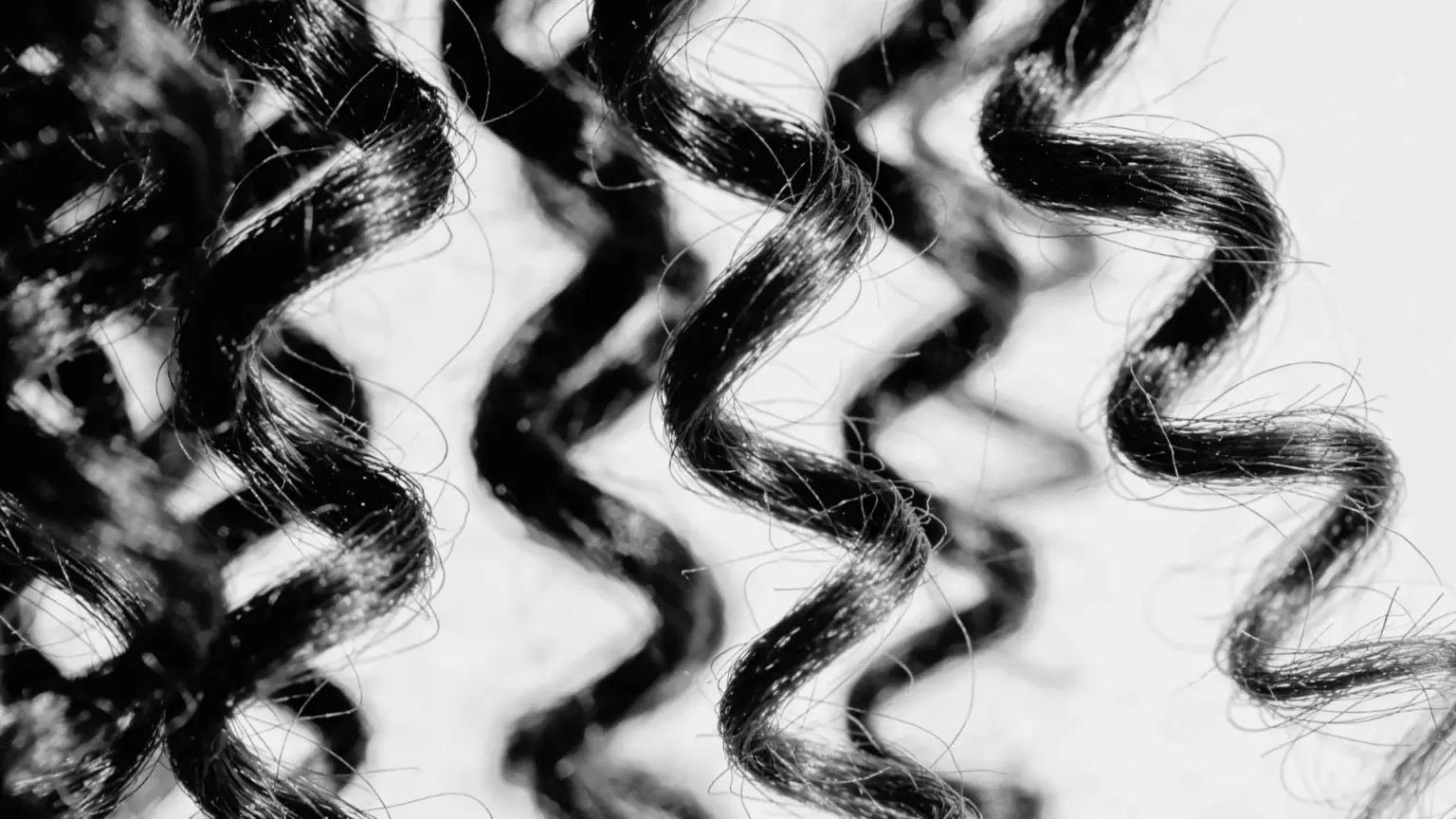
- Curly hair gets its shape from keratin bonds, which are proteins that hold each strand in a curved form.
- Natural elasticity allows curly hair to stretch and spring back without breaking.
- Curly hair tends to lose moisture faster than straight hair, which affects how defined your curls look.
Different Hair Shapes and Changes
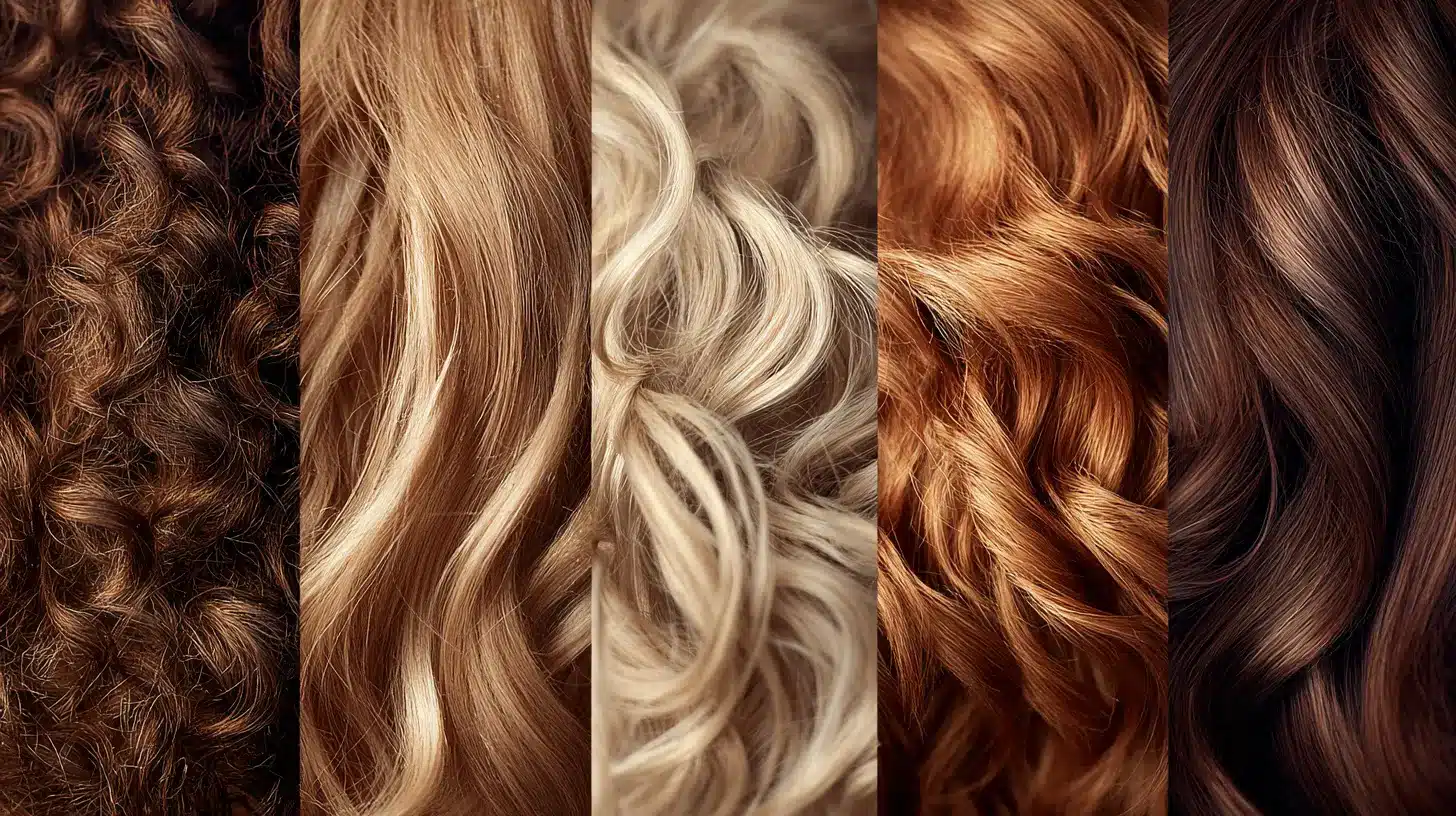
Hair comes in many curl patterns. Each hair type reacts to aging a little differently.
| Hair Type | Shape | Change With Age |
|---|---|---|
| Type 1 Straight | Flat, no curve | May thin out, lose volume |
| Type 2A Wavy | Loose S-shape | Waves may loosen further |
| Type 2B Wavy | Defined S-shape | Can become frizzy and flat |
| Type 2C Wavy | Strong S-shape | Loses definition over time |
| Type 3A Curly | Large, loose loops | Curls loosen, less bounce |
| Type 3B Curly | Springy ringlets | Ringlets stretch, lose shape |
| Type 3C Curly | Tight corkscrews | Coils loosen significantly |
| Type 4A Coily | Soft, tight coils | Coils loosen, feel drier |
| Type 4B Coily | Z-shaped pattern | Pattern flattens with age |
| Type 4C Coily | Very tight z-shape | Shrinkage reduces, feels fragile |
Do Curls Fade with Age?
Yes, curls can fade more than you think.
As you age, declining estrogen levels affect your hair’s texture and curl pattern.
Follicles shrink, weakening curl at the root. Heat styling, coloring, and daily wear damage curls, affecting overall pattern and making edges flatter and harder to control.
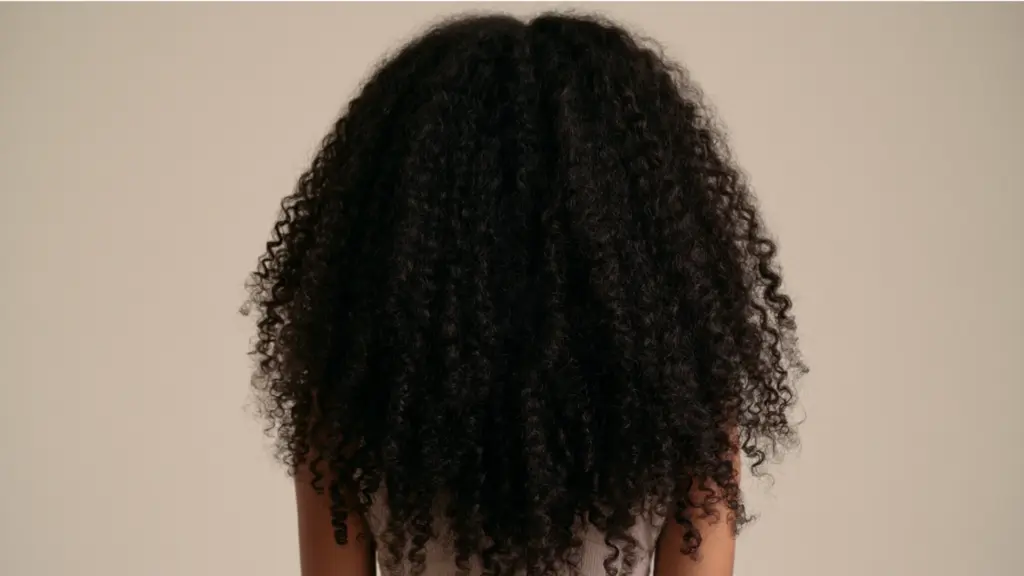
Looser spirals may be due to aging.
What Aging Does to Hair Shape
Aging impacts hair shape by reducing natural oil, weakening keratin bonds, and making strands thinner.
These changes make hair drier, more fragile, and less able to hold curls, gradually altering its shape.
Before adjusting your routine, it helps to know if your hair is showing signs of a moisture imbalance, since aging and dehydration can look almost identical.
How Aging Impacts Natural Hair at Different Life Stages
Hair doesn’t change overnight; it shifts gradually through each stage of life. Here’s what to expect at every age.
1. Childhood (Ages 1–12)
Hair is at its healthiest during this stage. The follicles are active, and curl patterns are well-defined.
Sebum production is balanced, keeping hair soft and moisturized. Most children have their truest, most natural curl pattern during these early years.
2. Teenage Years (Ages 13–19)
Puberty triggers hormonal changes that can shift your curl pattern. Increased oil production makes hair greasier at the roots. Some teens notice their hair getting curlier or wavier.
Others experience more frizz and dryness as their texture changes.
3. Twenties (Ages 20–29)
Hair remains strong and full in this decade, with consistent curl patterns.
However, frequent heat styling, coloring, and chemical treatments can weaken curls and damage follicles in the long term.
4. Thirties (Ages 30–39)
Hair growth slows slightly, and strands begin thinning.
Hormonal fluctuations, especially during pregnancy, can loosen or tighten curl patterns.
Some people notice their curls losing a little definition and bounce compared to their twenties.
5. Forties (Ages 40–49)
Estrogen levels start dropping, which directly affects hair texture.
Curls may loosen noticeably during this stage. Hair also becomes drier as the scalp produces less natural oil. Strands feel coarser in some areas and thinner in others.
6. Fifties and Beyond (Ages 50+)
Menopause causes significant hormonal shifts that accelerate hair loss.
Hair becomes finer, drier, and more fragile. Grey hair also has a different texture, often coarser and less responsive to moisture.
Curl patterns can change quite a bit during this stage.
Can Hair Become Curlier with Age?
Surprisingly, some people develop curlier hair with age due to hormonal changes during pregnancy or menopause, which can slightly alter the shape of the hair follicle.
This may make straight or wavy hair turn curlier.
It’s not rare; aging doesn’t always cause loss of curls, some may gain them.
Is It Possible to Change Curl Pattern?
Your curl pattern is determined by follicle shape, which can’t be permanently changed without chemicals.
Perms add curls; relaxers loosen them, but both risk damage.
Lifestyle factors like diet and hair care affect your curls. While you can’t fully change your curl pattern, proper care can improve its appearance.
How to Maintain Curls as You Age
- Use a sulfate-free shampoo to avoid stripping your hair of its natural oils.
- Avoid heat styling as much as possible, as it weakens your curl structure over time.
- Apply a leave-in conditioner after every wash to lock in moisture.
- Trim your hair regularly to remove split ends that cause breakage.
- Sleep on a satin or silk pillowcase to reduce friction and frizz overnight.
- Eat a protein-rich diet to support keratin production in your hair.
- Avoid tight hairstyles that pull at the root and weaken your curl pattern.
- Look for products with natural oils like argan or jojoba to nourish aging strands.
End Notes
Your curl pattern shifts because of hormones, thinning strands, and reduced moisture over time.
It’s a natural process. But with the right care, you can keep your curls looking their best at any age.
Focus on moisture, cut back on heat, and treat your hair gently. Your curls may change, but they don’t have to disappear.
Have you noticed changes in your curl pattern over the years?
Frequently Asked Questions (FAQ’s)
1. Can Straight Hair Become Curly as You Get Older?
Yes, hormonal changes during puberty, pregnancy, or menopause can trigger unexpected curl patterns.
2. How to Get Natural Curls Back?
Deep condition regularly, avoid heat, and use curl-enhancing products to restore your pattern.
3. What is Rarerest Hair Type?
Type 1A is the rarest; it’s perfectly straight with no wave or curl.
4. At What Age is Hair Healthiest?
Hair is generally at its healthiest and thickest during your late teens and twenties.
5. What Ethnicity Has the Most Curly Hair?
People of African descent are most likely to have naturally tight, curly hair textures.