
“How many grafts do I need?” Nearly everyone asks this before anything else, and there’s no general number.
A graft is a small unit of tissue, usually a naturally occurring follicular unit, containing one or more hair follicles. What you actually need depends on several factors: how much hair you’ve lost, where that loss is on your scalp, how much donor hair you have to draw from, what that hair is like, and how much coverage you’re hoping for in the end.
Heavier loss tends to call for more grafts, but chasing the highest possible number isn’t the goal here. Good planning is really about using your donor hair wisely, not just maximizing a count.
What Exactly Is a Hair Transplant Graft?
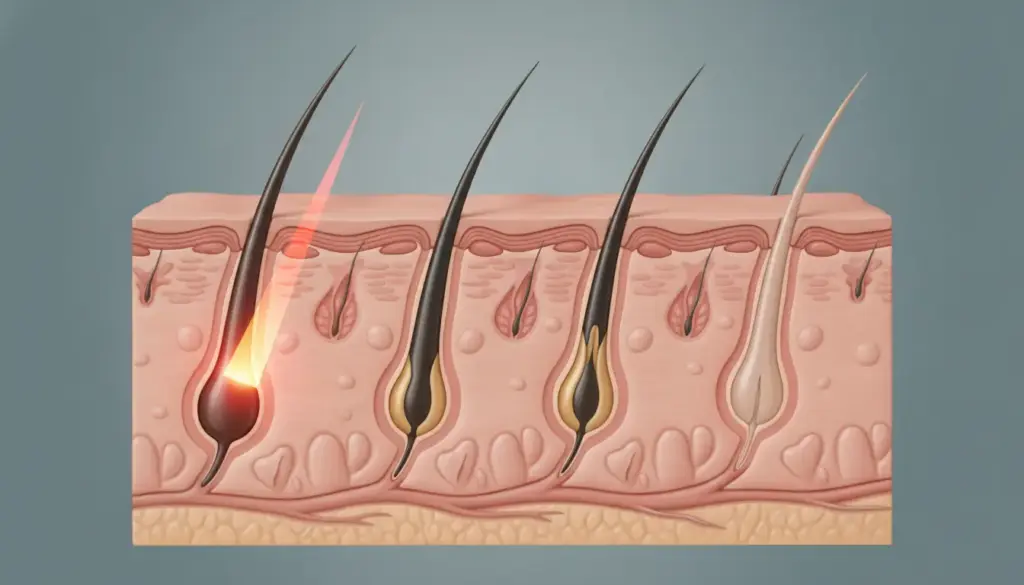
A few terms get tangled together before graft numbers start to make sense, so let’s pull them apart. A hair follicle is the tiny structure in your skin that grows a single hair. A follicular unit is a small cluster of follicles that naturally grow together, usually with one to four hairs per group. A graft is just the name for that unit once it’s been prepared for transplant. In most modern follicular-unit work, one graft equals one follicular unit, so depending on the person, that could be a single hair or up to four bundled together.
Which means grafts and hairs get confused constantly, and shouldn’t be. Say someone’s told they’re getting 2,000 grafts. Since plenty of those grafts hold more than one hair, the real hair count could land well past 2,000, sometimes considerably so.
How Many Grafts Are Usually Needed?
There’s no dependable “average” that you can just borrow and apply to your own head, tempting as that sounds. Just as a rough sense of scale, early thinning confined to a small patch near the hairline tends to need noticeably fewer grafts than a hairline that’s already pulled back significantly. Rebuilding the frontal hairline usually asks for more. Covering the crown or mid-scalp can ask for a good deal more than that, depending on how far things have progressed.
Take these as a sense of scale, not a standard to go by. A surgeon is weighing the size of the area involved, how dense your donor hair actually is, how coarse or fine each strand is, the particular shape your hair loss has taken, and what level of coverage you’re chasing. At the core of it, the job is stretching a donor supply that’s fundamentally limited across the spots where it’ll actually be seen and matter.
What Factors Determine How Many Grafts You Need?
Extent of Hair Loss
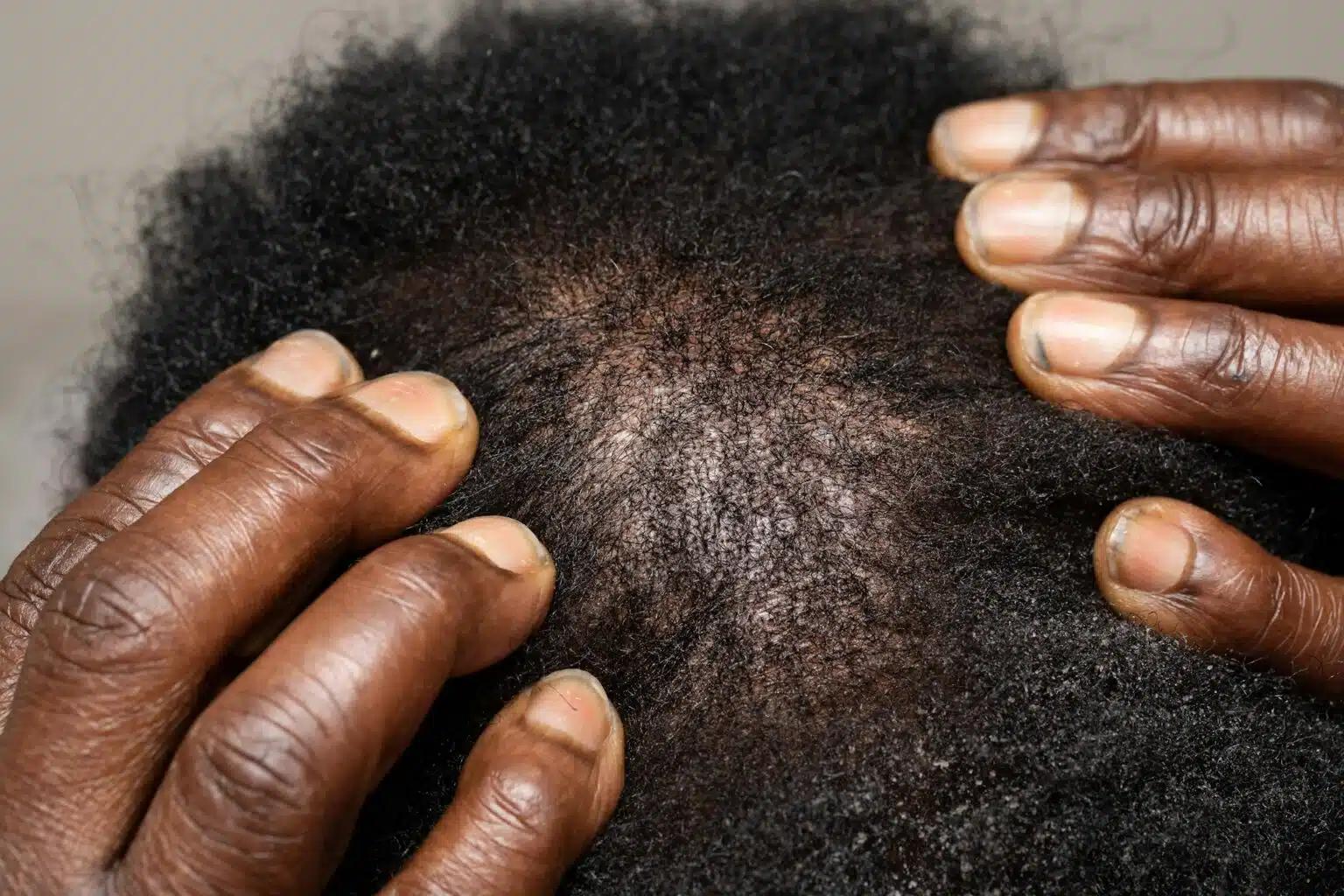
A small thinning patch obviously calls for less than an area of significant, widespread balding. Depending on how things look, treatment might target the hairline, the frontal scalp, the mid-scalp, the crown, or several of these together.
Hair-Loss Pattern
Hair receding at the temples and moving forward is a different planning problem than thinning that’s settled mostly around the crown. Where the loss sits, and the shape it takes, decides how much scalp needs work and where grafts will actually be visible once it’s done.
Donor Hair Density
Your donor area, generally the back and sides of the scalp, is where healthy follicles get taken from, and there’s only so much of it to go around. When donor density runs on the lower side, a surgeon will often plan more conservatively. Good planning also thinks ahead. It’s not only about covering what’s needed today but about leaving enough donor hair in reserve for whatever comes later.
Hair Characteristics
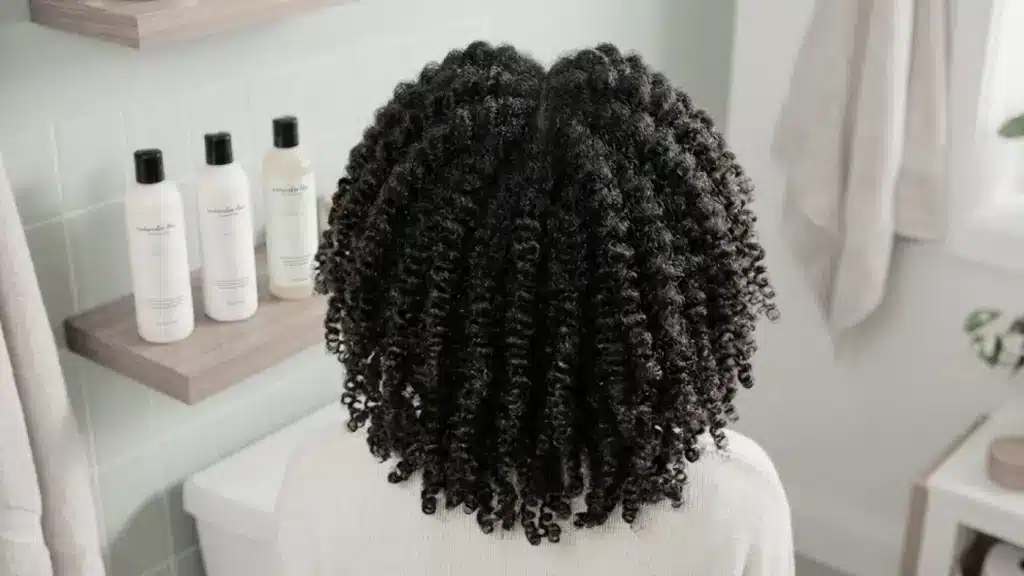
Thick hair simply covers more visually than fine, thin hair does, and strands with some curl or wave can look fuller than the actual density would suggest on paper. Contrast between hair color and scalp tone matters too, since it’s often what makes thinning obvious or not in the first place. Even the number of hairs bundled into a single graft plays into the math.
Desired Coverage and Goals
Some people mainly want a hairline restored to where it used to be. Others are chasing broader density across a wider stretch of scalp. Whatever the goal, it shapes not just how many grafts get used but where they land and how densely they’re placed.
Does the Type of Hair Transplant Affect Graft Numbers?
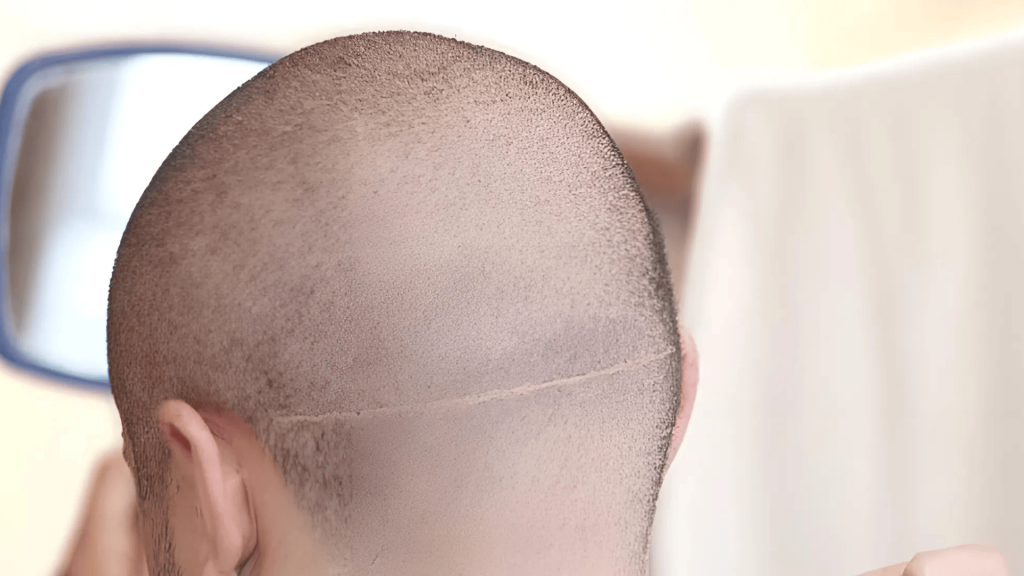
FUE, or Follicular Unit Excision, means lifting individual follicular units directly out of the donor area and placing them wherever coverage is needed. FUT, or Follicular Unit Transplantation, takes a different route: a strip of donor tissue comes out first, and it’s only afterward separated into individual follicular units ready for transplant.
Neither method by itself decides how many grafts end up being necessary. Your loss pattern, your donor reserves, the area under treatment, and what you’re personally hoping for all carry more weight in that call. Curious how the excision side actually works in practice? Read more about how follicular unit excision works.
Why You Shouldn’t Choose a Graft Number on Your Own?
Online calculators and ballpark estimates aren’t useless exactly. They’re fine for picking up the terminology. But they can’t stand in for someone actually examining your scalp. Two people can look like they’ve lost hair in nearly identical ways and still need entirely different plans, simply because their donor density, hair traits, scalp condition, or risk of future loss don’t line up at all.
Anyone thinking of getting hair transplants in New York, for example, will want to look into what restoration services and consultation options exist locally. A qualified professional can examine your scalp and donor area directly, then talk through what graft range would genuinely serve your goals.
Questions to Ask During a Hair Transplant Consultation
Worth raising while you’re in that consultation chair:
- How many grafts might you actually need, and what’s driving that estimate?
- How much donor hair do you realistically have to work with?
- Which areas should be treated first?
- What density is realistic to expect, honestly?
- What happens if you lose more hair down the line?
- Which technique fits your situation best?
And for readers considering treatment in Texas, click here to explore hair restoration services in Dallas.
There Is No One-Size-Fits-All Graft Number
The right number for you comes down to how much hair you’ve lost and where, how much donor density you have, the traits of that hair, and the coverage you’re hoping to achieve. That number should come out of a real, hands-on assessment, not a generic calculator or a figure you settled on yourself. In the end, the best plan is the one that balances the coverage you want with a result that still looks natural, built around the donor hair you genuinely have available.