
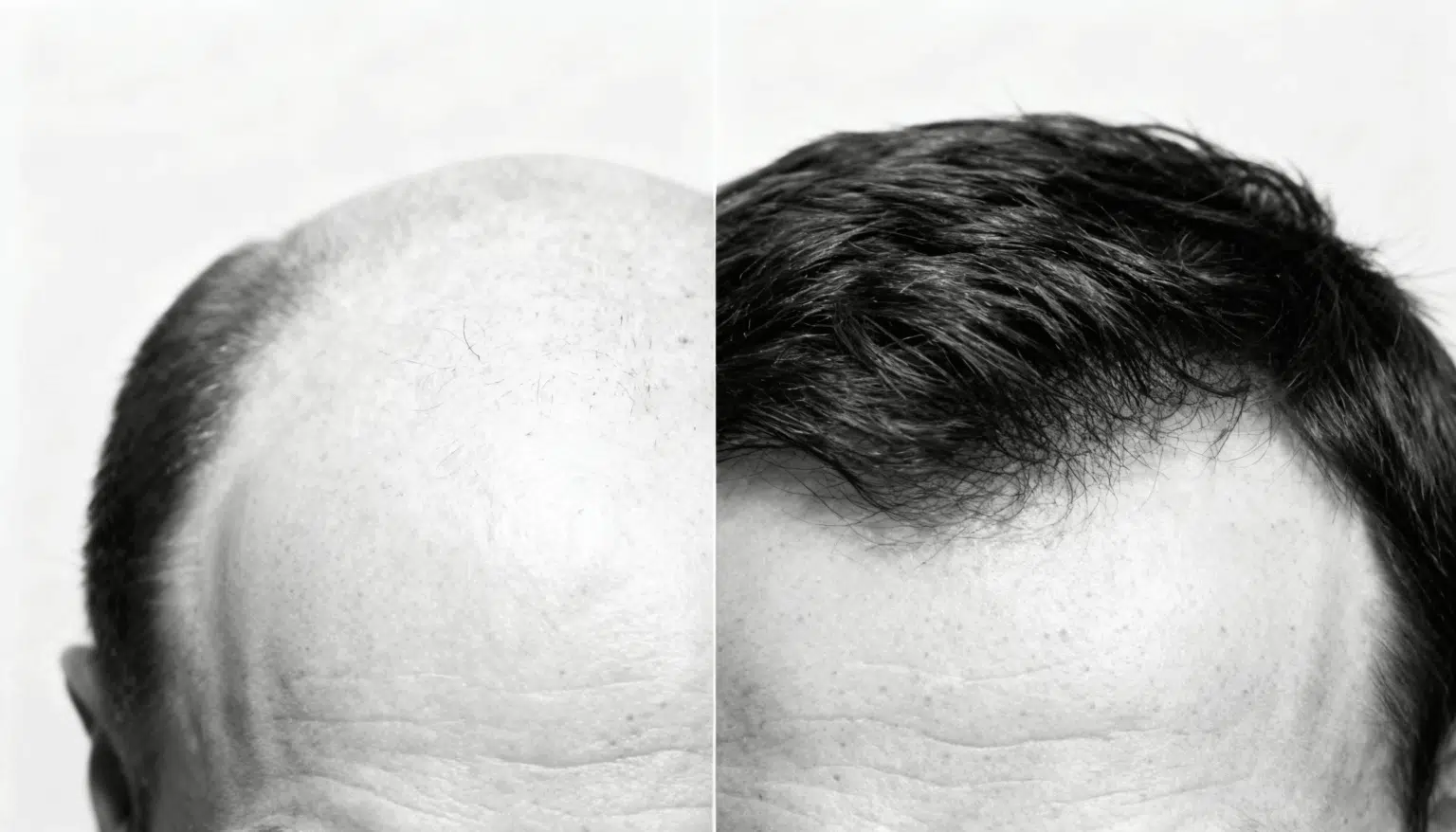
You might have heard about people using a hair plug as a solution.
But what exactly are they? How do they work? And are they still used today? Knowing about hair plugs can help you make better choices about hair restoration.
This blog will walk you through what hair plugs are. You’ll see why they fell out of favor.
You’ll learn what makes them different from the modern method. You’ll know what options work better now.
What Exactly Are Hair Plugs and Why Have They Fallen Out of Use?
Hair plugs were an old hair restoration method from the 1950s to the 1980s.
Doctors would remove round sections of scalp from the back of your head. These sections contained about 10 to 20 hairs each. Then they’d punch holes in balding areas and insert these plugs.
They looked unnatural. You could spot them from across the room.
The plugs created a doll hair effect with visible rows of hair clumps. Your scalp looked like a cornfield instead of natural growth.
Doctors stopped using this technique in the 1990s. Better methods came along. Modern transplants move individual hairs or small groups. They create results that look real. No one can tell you had work done.
Hair Plugs vs Transplant
You will see how these two methods differ. You’ll see why one became outdated while the other is still popular today.
Hair Plugs – The Older Approach
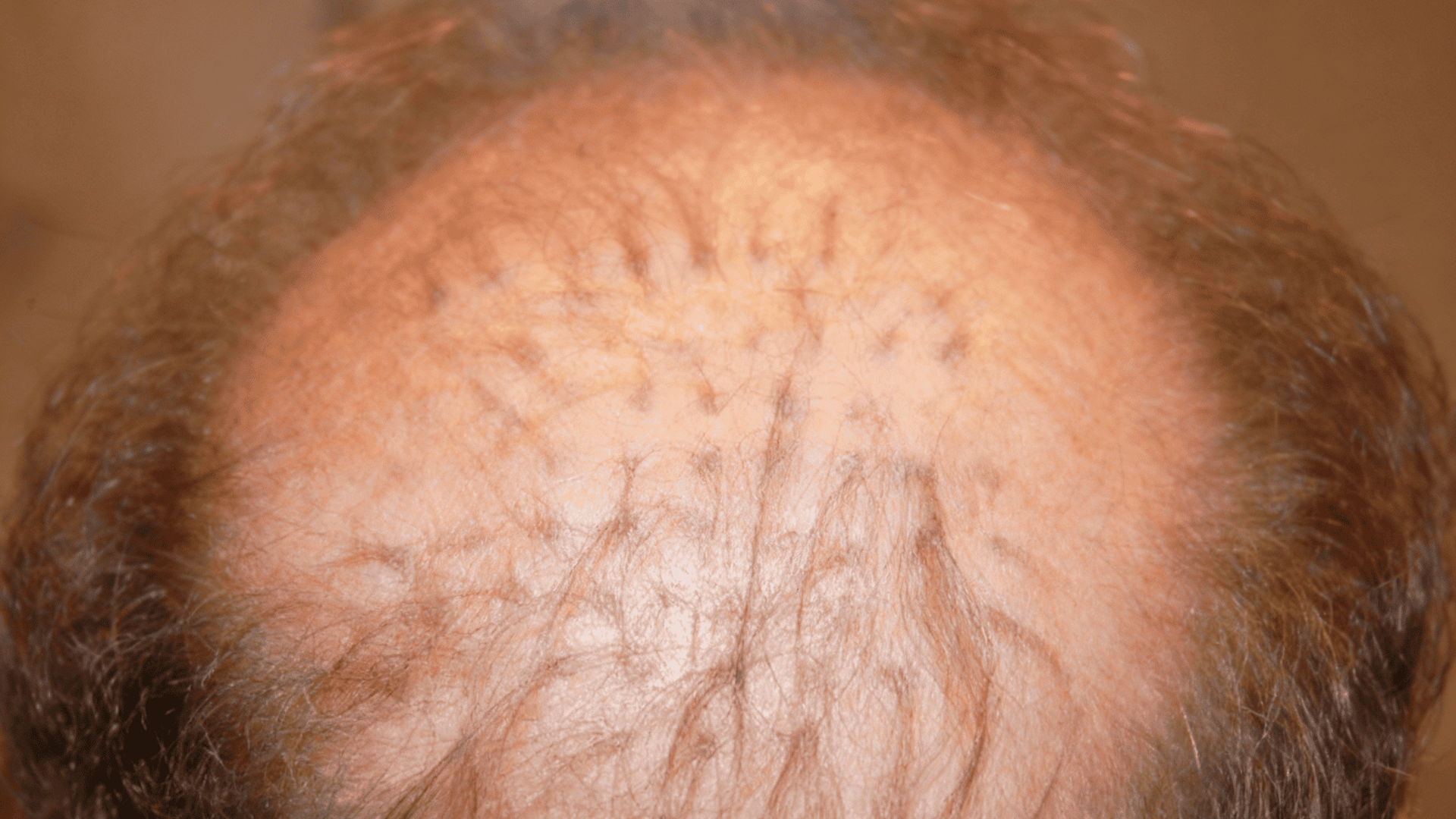
What are hair plugs exactly? Hair plugs were the first attempt at permanent hair restoration.
Here’s what the process involved and why it had serious drawbacks.
1. The Punch Graft Method
Doctors used a circular punch tool to remove plugs from your donor area. Each plug held 10 to 20 hairs. They placed these plugs into holes punched in bald spots. The process was quick but crude.
2. What the Process Looked Like
You’d sit through multiple sessions. The doctor numbed your scalp with local anesthesia. Then came the punching and placing. Each session lasted a few hours. You needed several visits to cover larger areas.
3. Healing Time and Results
Your scalp formed scabs around each plug. Healing took about two weeks. The plugs looked obvious during recovery. Final results appeared after several months. But the unnatural look never really went away.
4. The Upside and Downside
Permanent hair in bald areas. But the negatives were serious. You got a pluggy appearance. Scarring was visible. The hair grew in unnatural clumps. Most people regretted the apparent results.
5. What You Paid and What Could Go Wrong
Sessions cost between $2,000 and $8,000 back then. Infections sometimes happened. Scarring was common. The plugs could die and fall out. Some people experienced nerve damage. The unnatural look was the biggest complaint.
Hair Transplant – The Modern Solution

Today’s hair transplants use advanced techniques. They create natural-looking results that blend with your existing hair.
6. FUT and FUE Methods
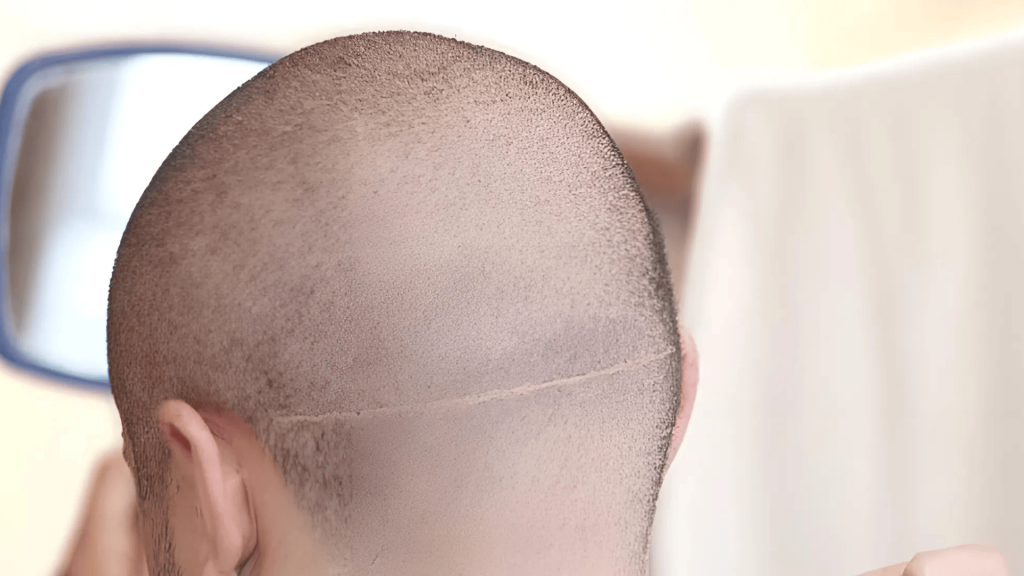
FUT removes a strip of scalp from the back of the scalp. Technicians divide it into tiny grafts. FUE extracts individual follicles one by one. Both methods transplant small, natural-looking hair groups. FUE leaves no linear scar.
7. How Modern Transplants Work
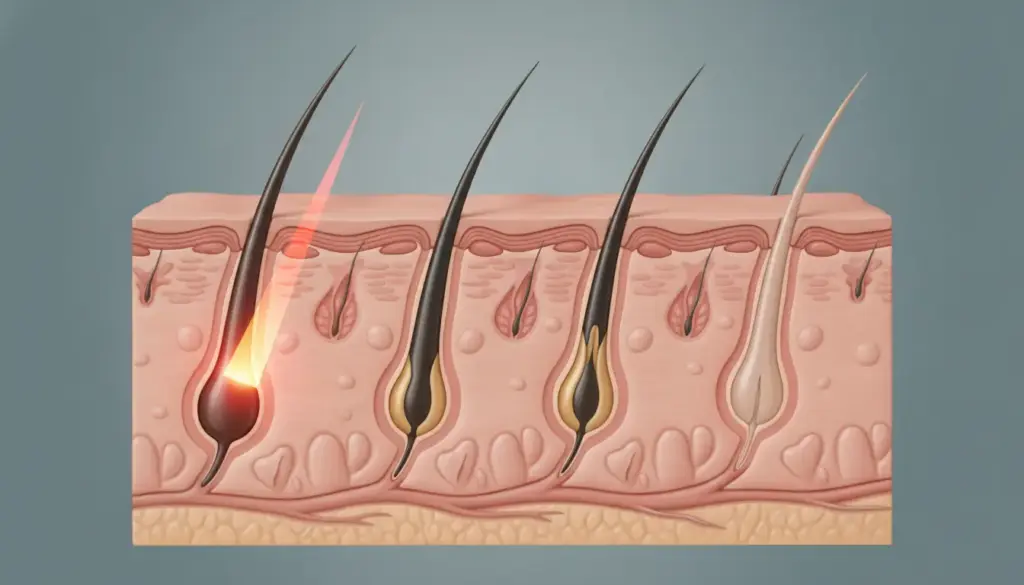
The surgeon marks your hairline first. You receive local anesthesia for comfort. They extract follicles carefully from donor areas. Then they create tiny recipient sites. Finally, they place each graft at the right angle.
8. Getting Back to Normal
Most people return to work within a week. Scabs fall off after 10 days. Transplanted hair sheds initially, then regrows. You’ll see real growth at three months. Full results appear after one year of patience.
9. Why People Choose Transplants
Results look completely natural now. Hair grows in your normal pattern. The density improves immensely over time. You can style it however you want. Modern techniques minimize visible scarring for most patients.
10. Investment and Possible Complications
FUE costs $4,000 to $15,000, depending on the grafts needed. FUT runs slightly less expensive. Temporary swelling can occur. Some numbness fades over months. Infection risk is very low. Shock loss happens, but hair regrows later.
Hair Plugs vs Transplant: Benefits and Side Effects
| Aspect | Hair Plug | Hair Transplant |
|---|---|---|
| Natural Look | No, visible clumps and rows | blends with existing hair |
| Scarring | Round, noticeable scars | often undetectable |
| Hair Density | Low, spaced-out appearance | High, fuller coverage |
| Styling Options | Limited due to unnatural pattern | Normal, style as you wish |
| Permanence | Permanent but obvious | Permanent and natural |
| Infection Risk | Moderate | Low with proper care |
| Swelling | Common after the procedure | Temporary, resolves in days |
| Numbness | Possible, sometimes permanent | Temporary, fades over months |
| Graft Survival | Lower success rate | Higher success rate |
| Shock Loss | Can occur | Temporarily, hair regrows |
| Pain Level | Moderate discomfort | Mild, manageable with medication |
| Social Acceptance | People notice it | No one can tell |
Can You Replace Hair Plugs with a Hair Transplant
Aside from the question of what hair plugs are made of, people also ask if they can be replaced with a hair transplant, so that old hair plugs can be corrected with modern transplant techniques.
Many people do this to correct their unnatural appearance. Surgeons remove the old plugs first.
They extract each plug carefully from your scalp. Then they divide the hair into smaller, natural grafts.
These grafts get redistributed across your balding areas. The doctor fills in gaps between old plugs, too. The process takes longer than a regular transplant. You’ll need enough donor hair available in the back.
Some people require multiple sessions for full correction. The results look much better than before. Your hairline appears natural now.
The clumpy, obvious look disappears completely. Most patients wish they’d done it sooner.
Finding the Right Hair Transplant Clinic
Finding the right clinic takes research.
Use this checklist to make a smart choice.
Check Doctor Credentials
- Is the surgeon board-certified in dermatology or plastic surgery?
- How many years of hair transplant experience do they have?
- Are they members of professional hair restoration societies?
Review Before and After Photos
- Does the clinic show real patient results?
- Do the results look natural and full?
- Can you see photos of patients with your hair type?
Read Patient Reviews
- What do former patients say about their experience?
- Are there complaints about results or care?
- Check multiple review sites for honest feedback.
Ask About Techniques Used
- Does the clinic offer FUE or FUT methods?
- Do they use modern equipment and technology?
- Can they explain which technique suits you best?
Compare Pricing
- Is the cost per graft clearly explained?
- Are there hidden fees for consultations or follow-ups?
Evaluate Facility Standards
- Is the clinic clean and well-maintained?
- Do they follow proper sterilization protocols?
- Is the staff professional and knowledgeable?
Ask About Aftercare Support
- What follow-up appointments are included?
- Can you reach the doctor if problems arise?
- Do they provide clear post-procedure instructions?
Key Takeaway
Now that you know what hair plugs are and they belong to the past. They served their purpose decades ago, but better options exist now.
If you’re dealing with hair loss, modern hair transplant procedures offer more real and lasting solutions. They look natural, and they last forever.
Take your time choosing a clinic. Check credentials and review patient results.
Ask questions during consultations. Don’t rush into surgery without doing your homework. Hair restoration is an investment in yourself.
Your fuller, natural-looking hairline is waiting. Start your research today and make an informed decision.