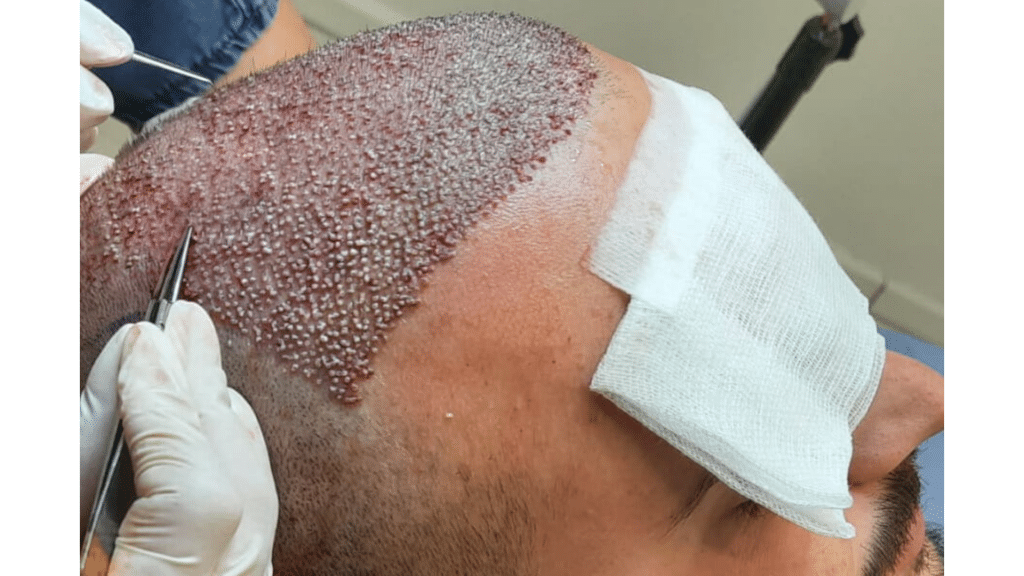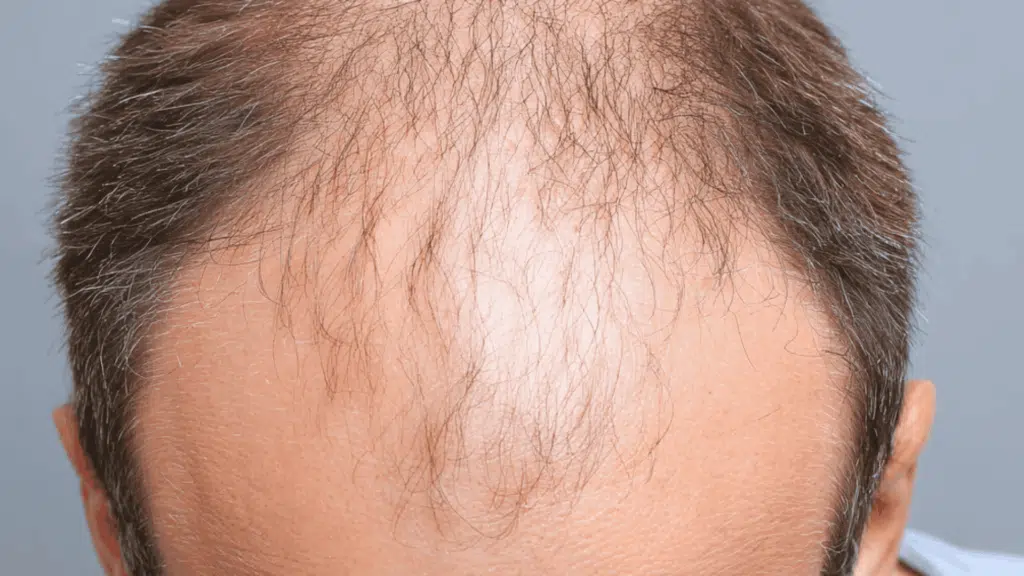


If your hair feels stuck at the same length for months, you’re probably asking Why is my hair not growing? But it may not have stopped growing at all.
In most cases, hair keeps growing from the scalp, but breakage, shedding, or damage at the ends makes it look like nothing is happening.
Genetics, stress, and certain health conditions can slow things down, too.
This breaks down the real reasons hair growth seems to stall, along with what actually helps it grow healthier.
What are the Hair Growth Stages?
Hair growth follows four distinct stages, and knowing them helps set realistic expectations for any hair care routine.
- Anagen (growth phase): The active stage where hair cells divide rapidly. Lasts two to seven years, depending on genetics.
- Catagen (transition phase): A short, two-week stage in which hair stops growing and detaches from its blood supply.
- Telogen (resting phase): Hair sits in the follicle without growing, lasting around three months.
- Exogen (shedding phase): Old hair falls out to make room for new strands. Losing 50 to 100 hairs daily is normal here.
Each strand moves through these stages independently, which is why hair grows and sheds at different times across the scalp rather than all at once.
Why is My Hair Not Growing?
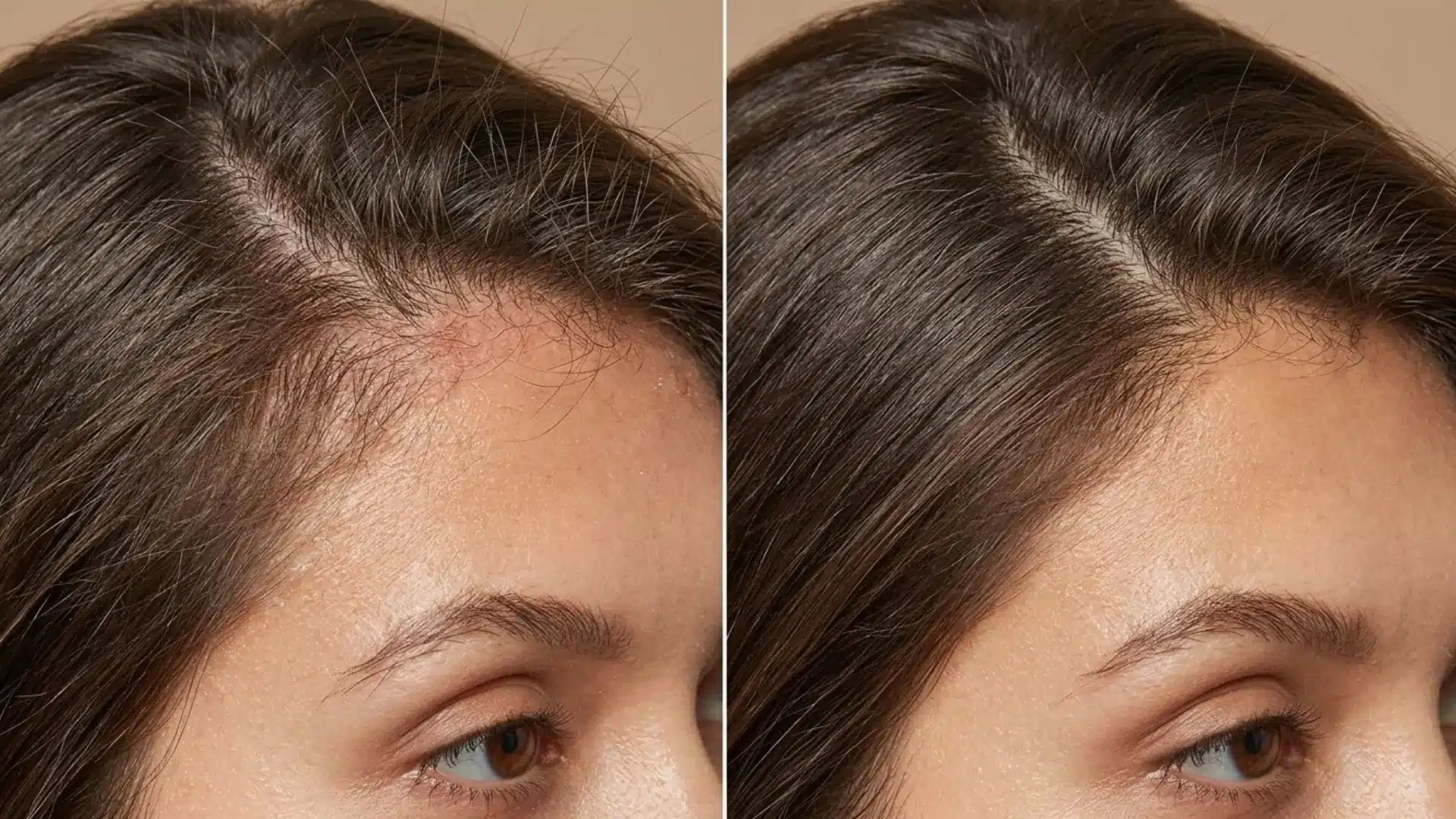
A few habits and health factors tend to recur when hair growth stalls.
1. Heat and Chemical Damage
Flat irons & chemical treatments weaken the protein structure inside each strand over time.
The damage builds up slowly, so it often goes unnoticed until the ends start splitting or breaking off in noticeable amounts.
A common mistake is skipping heat protectant, which leaves hair with little defense against repeated styling sessions.
2. Tight Hairstyles and Rough Brushing
Tight ponytails, braids, and buns pull on the hair shaft and the follicle underneath, which can lead to a type of breakage called traction alopecia over time.
Rough brushing, especially on wet hair, adds to the strain.
- Loosen ponytails and braids when possible.
- Brush from the ends up, not from the scalp down.
- Use a wide-tooth comb on wet hair.
3. Genetics and Natural Growth Cycle
Hair growth speed and thickness are largely determined by genetics, with some people naturally built to grow hair more slowly or more finely than others.
Hair also cycles through growth, rest, and shedding phases, and this cycle shortens with age.
A parent with thinning hair can be a useful clue about what to expect.
4. Stress or Sudden Shedding
High stress can push hair follicles into the shedding phase earlier than normal, a condition known as telogen effluvium.
- Shedding usually shows up two to three months after a stressful event
- It often settles on its own once stress levels drop
- Extra hair in the shower drain or on the brush is the most common sign
5. Poor Diet or Nutrient Deficiency
Hair follicles need a steady supply of protein, iron, zinc, and biotin to grow healthy strands.
Restrictive dieting or an unbalanced diet can slow growth and make hair thinner over time. Iron deficiency is a common, often overlooked cause of thinning in women, and a blood test can confirm it.
6. Hormonal or Thyroid Issues
Thyroid conditions, PCOS, and hormonal shifts from pregnancy or menopause can all affect the hair growth cycle.
- Hypothyroidism often causes thinning, along with fatigue and dry skin
- PCOS can trigger thinning on the scalp alongside extra facial or body hair
- Postpartum shedding is temporary and usually eases within a year
7. Scalp Problems or Product Buildup
A healthy scalp is the foundation for healthy growth, so buildup from dry shampoo, styling products, or excess oil can clog follicles and slow growth.
Dandruff, psoriasis, and other scalp conditions can also get in the way of steady growth.
Washing the scalp regularly and using a clarifying shampoo now and then helps clear buildup before it becomes a bigger problem.
Is Your Hair Not Growing or Just Breaking?
A quick comparison makes the difference easier to spot.
If your hair feels shorter at the ends but thicker near the scalp, breakage is usually the cause, meaning new growth is fine, but the ends are snapping off.
Overall thinning across the scalp often points to a growth or shedding issue, which could be linked to genetics, stress, or an underlying health condition.
Slow but even growth all over is simply part of the normal growth cycle, nothing unusual, just naturally gradual progress.
Sudden clumps of hair falling out usually signal a shedding issue, often linked to stress, hormonal changes, or a health condition that warrants a doctor’s evaluation.
Foods That Will Help You With Hair Growth
| Food | Key nutrient | How it helps |
|---|---|---|
| Eggs | Biotin, protein | Supports keratin production for strong strands |
| Spinach | Iron, folate | Helps oxygen reach hair follicles |
| Salmon | Omega-3s, vitamin D | Nourishes the scalp, reduces thinning |
| Avocados | Vitamin E | Fights oxidative stress on follicles |
| Nuts and seeds | Zinc, selenium | Repairs tissue, supports growth cycles |
| Lentils and beans | Iron, zinc, biotin | Builds blocks for healthy growth |
| Oysters | Zinc | Supports follicle tissue repair |
How to Support Healthier Hair Growth?
Trim damaged ends every 8 to 12 weeks to stop splits from traveling up the strand. Cut back on heat styling, and use a heat protectant on the days you do style.
Protect hair at night with a silk or satin pillowcase or a loose braid. Eat enough protein, iron, and zinc, and add biotin-rich foods like eggs and nuts.
Keep the scalp clean with regular washing and an occasional clarifying treatment. Avoid tight styles that pull on the hairline and scalp.
When to See a Dermatologist?
Most slow growth clears up with a few habit changes, but some signs point to something that needs a professional look.
- Sudden or heavy shedding that does not slow down after a few weeks
- Bald or thinning patches anywhere on the scalp
- An itchy, painful, or flaky scalp that does not improve
- Thinning that is most noticeable at the crown or along the part line
- No visible change after weeks of consistent care
Hair loss has many possible causes, and a dermatologist can run the right tests to find out which one applies.
Final Thoughts
Hair that seems stuck at the same length has not necessarily stopped growing.
In most cases, the reason my hair is not growing lies in breakage, stress, genetics, or a health issue quietly working against new growth.
Cutting back on heat, trimming damaged ends, and caring for the scalp can make a noticeable difference within a few months.
If shedding is sudden or a bald patch shows up, a dermatologist can help pinpoint the cause.
Small, steady changes usually do more for hair health than any single product ever could.
Frequently Asked Questions (FAQs)
1. Does Stress Stop Hair Growth?
Stress can push follicles into a shedding phase called telogen effluvium. Growth usually returns to normal once stress levels settle down.
2. Can Thyroid Problems Affect Hair Growth?
Yes. Thyroid conditions can slow the hair growth cycle and lead to noticeable thinning, often along with fatigue, dry skin, or weight changes.
3. What Vitamins Help Hair Grow?
Iron, zinc, biotin, and protein all support healthy hair growth. A deficiency in any of these can cause hair to grow more slowly or become thinner.