
Have you ever felt uneasy looking at small holes grouped together? Many people feel this way, and it has a name – trypophobia.
Now, imagine facing this fear during a hair transplant procedure. This phenomenon can be called hair transplant trypophobia.
Hair transplants can create patterns that look like tiny holes in your scalp. For some people, this sight can cause real discomfort. Your heart might race. You might feel sick. Some people even avoid getting the hair treatment they need because of this fear.
This guide explains what this condition really is. Most importantly, it shares simple ways to deal with it before, during, and after the procedure.
What is Trypophobia?
Trypophobia is the fear of small holes clustered together. But when it comes to hair transplants, this fear takes on a specific form.
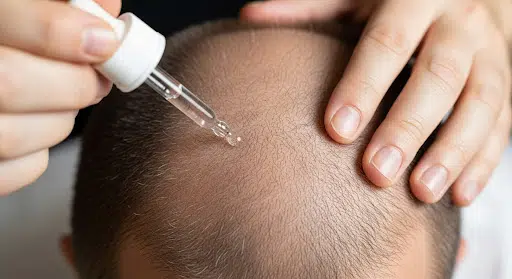
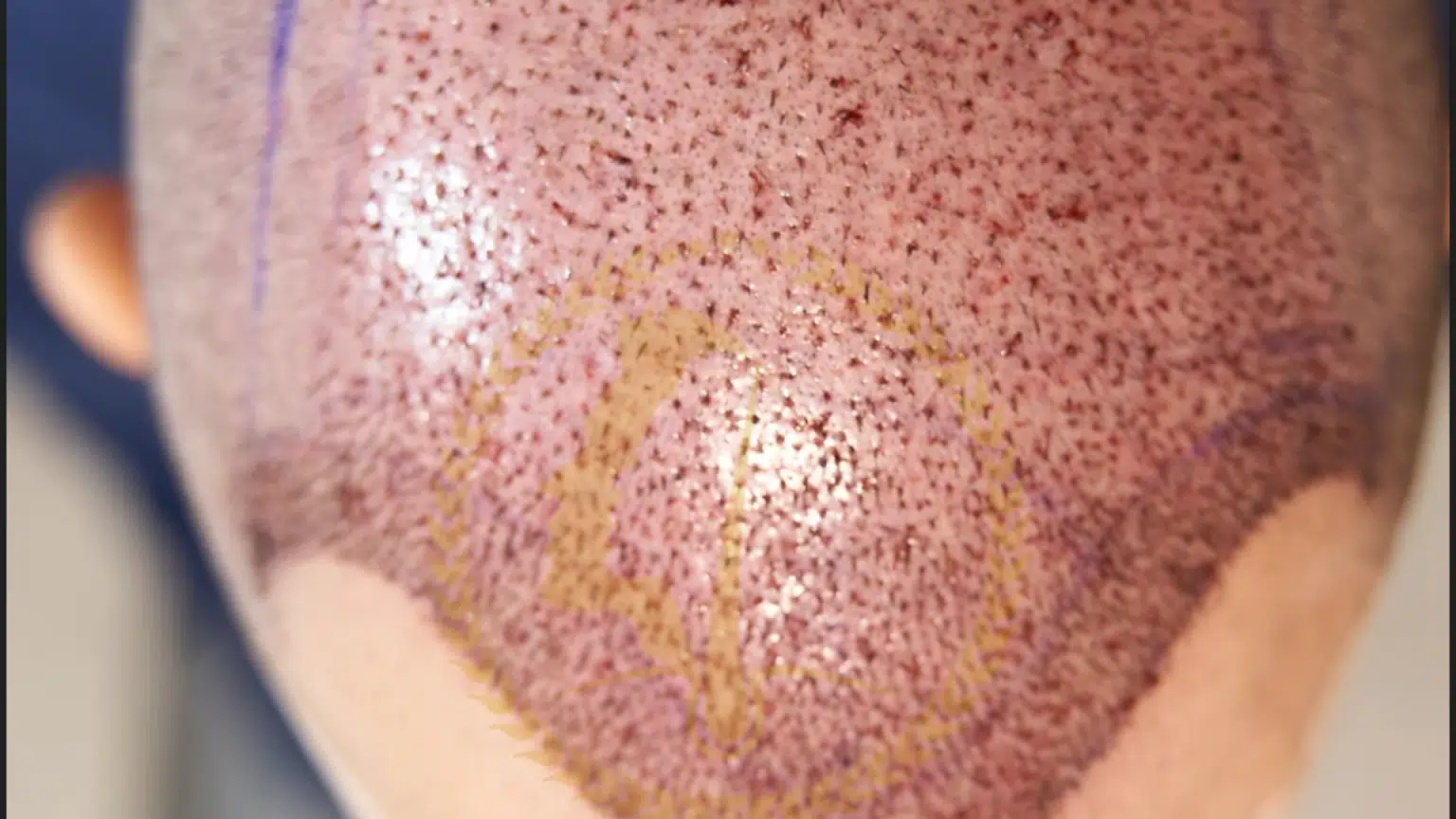
After procedures like FUE, your scalp shows many tiny circular marks where hair follicles were placed. These dots create the exact pattern that triggers trypophobic reactions.
When you see your scalp during healing, your body might react strongly. Your skin could crawl or feel itchy.
Some people get goosebumps or start sweating. You might feel nauseous or want to look away immediately. Emotionally, you could feel anxious or disgusted by your own healing scalp.
This reaction happens because your brain sees the hair transplant dots as threatening patterns. The fear feels very real, even though you know the marks are part of your healing process.
What Triggers Trypophobia and What Are Its Causes?
To better manage your hair transplant trypophobia after your procedure, it helps to understand what sets off these uncomfortable feelings during your recovery.
This section breaks down what people might see and explains why the brain reacts this way.
What You’ll See That Triggers Fear:
- Healing transplant dots – Your scalp shows small circular marks where each hair was placed. These dots create the exact clustered pattern that triggers trypophobic reactions.
- Scab formations – As your scalp heals, tiny scabs form over each transplant site. These bumpy textures can look like threatening patterns to your brain.
- Red healing marks – The combination of redness and dot patterns makes the fear response even stronger during the first few weeks.
Why Your Brain Reacts During Recovery:
- Safety alarm system – Your mind sees the healing dots as signs of skin problems or infection, even though they’re normal healing.
- Medical anxiety – Past scary medical experiences can make you more sensitive to seeing patterns on your own body.
- Recovery stress – The worry about healing properly makes your brain more likely to panic when seeing these patterns.
- Mirror shock – Seeing your own scalp with these patterns feels more threatening than seeing them elsewhere.
Hair Transplant Preparation for Trypophobia
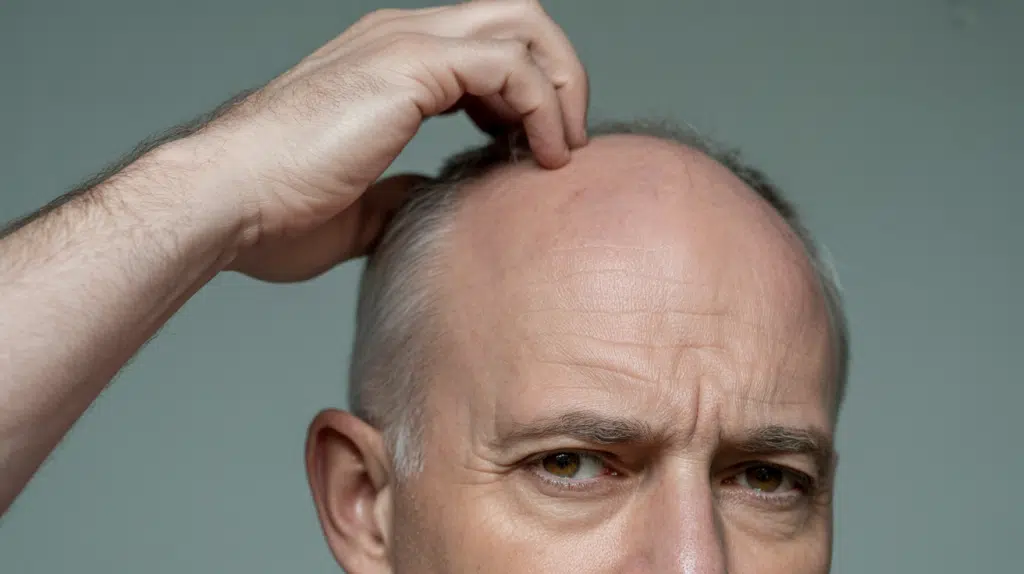
Getting ready for a hair transplant when you have trypophobia takes some extra planning, but the right preparation can make all the difference in your experience.
1. Talk to Your Surgeon About Your Fears
Don’t keep your worries to yourself. Tell your doctor about your trypophobia before the procedure. Most surgeons understand this fear and can help. They can explain what you’ll see during recovery.
Ask them to show you photos of healing stages. Request that they cover mirrors in the recovery room. A good surgeon will work with you to make the experience less stressful.
Being open about your fears helps your medical team support you better. This conversation can reduce your anxiety significantly.
2. Pick a Hair Transplant Method That Works for You
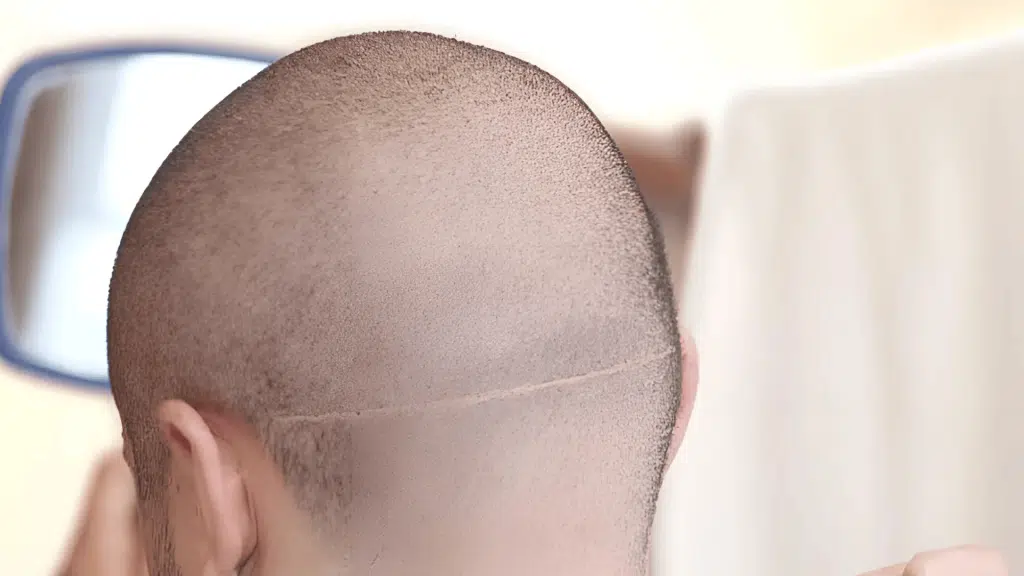
Some procedures create fewer visible patterns than others. FUT (strip method) might be better than FUE if you’re bothered by the hole patterns.
FUE creates many small circular marks, while FUT leaves one long line. Ask your surgeon about modified techniques that space out grafts differently. Some doctors can vary the pattern to make it less regular. DHI (pen method) might also create less obvious hole patterns.
Research different options and discuss which method feels more comfortable for your specific fears.
3. Get Your Mind Ready Before Surgery
Start mental preparation weeks before your procedure. Practice deep breathing exercises daily to calm your nerves. Try meditation apps or relaxation videos.
Plan what you’ll do during recovery to stay distracted. Prepare music, audiobooks, or movies for the healing period. Consider talking to a therapist about coping strategies.
Some people find it helpful to look at healing photos gradually to get used to the sight. Set up a support system of friends or family who understand your fear.
How to Deal with Trypophobia During and After a Hair Transplant
Once your procedure starts, you’ll need practical ways to manage your feelings and avoid triggers during the healing process.
| Mental Coping Strategies | Physical Concealment Methods | Professional Help Options |
|---|---|---|
| Practice deep breathing when feeling anxious | Wear loose bandages over treated areas | Take prescribed anti-anxiety medication if needed |
| Use mindfulness apps to stay calm | Avoid looking in mirrors for the first week | Schedule therapy sessions for severe cases |
| Try CBT techniques to change negative thoughts | Use hats to cover healing patterns | Join online support groups for trypophobia |
| Keep yourself busy with fun activities | Sleep facing away from bathroom mirrors | Consider hypnotherapy for deep-rooted fears |
| Listen to music or podcasts for distraction | Ask family to remove reflective surfaces temporarily | Talk to counselors who understand this condition |
Remember, you don’t have to use all these methods at once. Pick what feels right for you and try different combinations until you find what works best during your recovery.
Healing Timeline and Visual Changes
Right after a hair transplant, the scalp will show many small red dots where each hair was placed.
This looks most like the hole patterns that trigger hair transplant trypophobia. This is completely normal and should not cause panic.
In the first week, patients will see tiny scabs form over each dot. The red marks start to fade, but the pattern is still very visible.
By one month, most scabs fall off, and the redness reduces significantly. The clustered appearance becomes less obvious.
At three months, the dots are much lighter and harder to see. New hair starts growing, which helps hide any remaining marks.
By six months to one year, the pattern almost completely disappears under the new hair growth.
What looks concerning initially is temporary and part of normal healing.
When to Seek Help from a Professional?
While many people can manage hair transplant trypophobia with basic coping strategies, some situations require professional mental health intervention for proper recovery.
• Normal healing patterns on the scalp are temporary after the procedure
• Small marks and redness fade as new hair grows
• Proper aftercare speeds healing and keeps the area clean
• Seek mental health support if trypophobia becomes overwhelming
• Daily panic attacks require immediate therapeutic intervention
• Mental health recovery is equally important as physical healing
Final Thoughts
Living with trypophobia doesn’t mean individuals have to give up on getting the hair they want.
Hair transplants can trigger uncomfortable feelings, but patients now know how to handle them.
People should talk to their doctor about concerns and choose the right procedure for their comfort level. Patients can use effective coping methods, remembering that healing takes time and patterns disappear.
Many people have successfully undergone hair transplants despite this fear. With proper preparation and support, individuals can overcome hair transplant trypophobia.
People shouldn’t let this condition prevent them from having confidence in their appearance. Mental health professionals can provide additional support throughout recovery.