
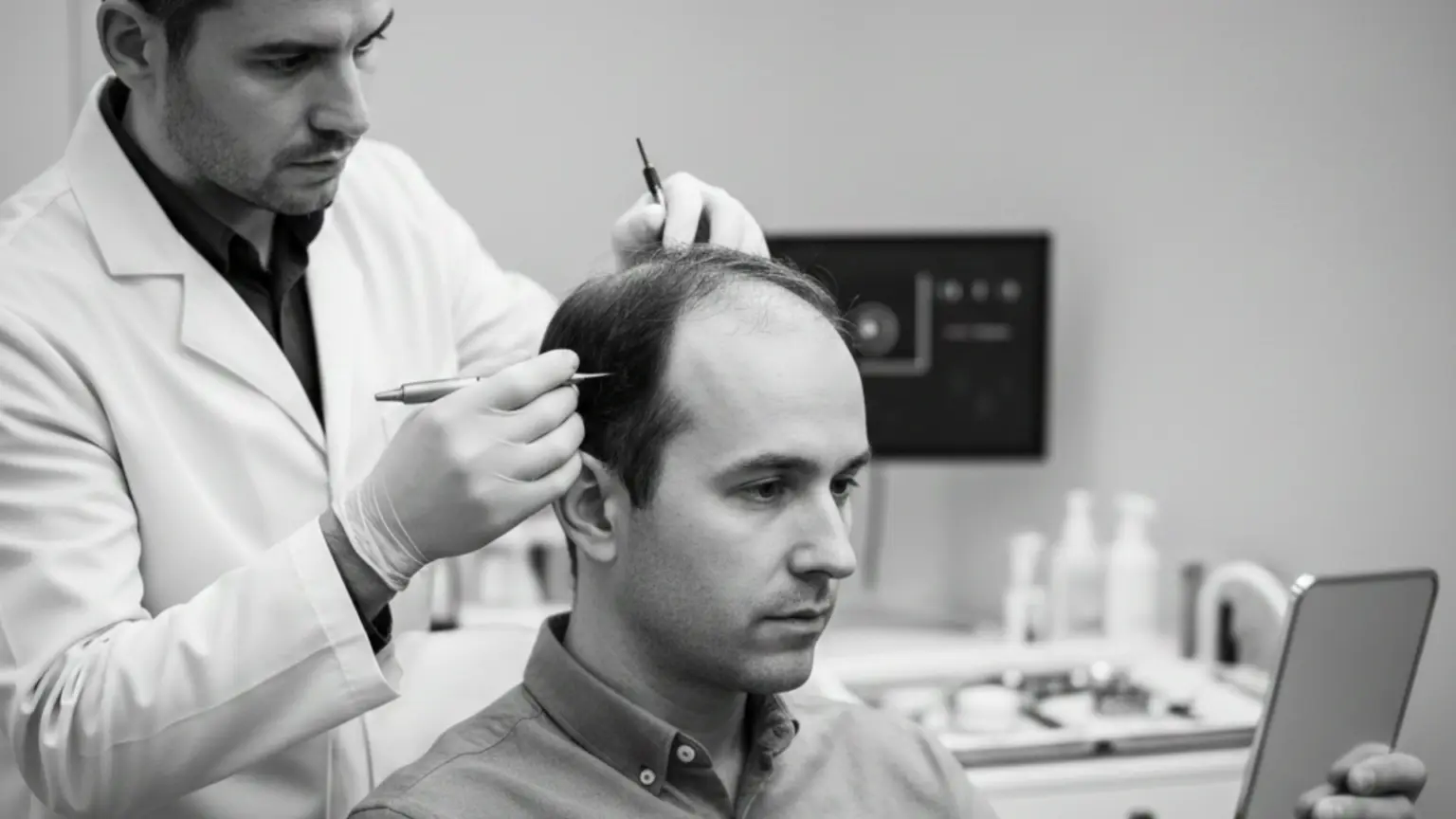
Thinking about a hair transplant but unsure what it will cost?
Thousands of people search for clear, honest pricing every day, and still walk away confused. The cost of 3,000 hair grafts varies more than most clinics will tell patients upfront.
This blog covers everything one needs to know about real prices, key cost factors, and what actually affects the final bill.
What is a 3,000 Grafts Transplant?
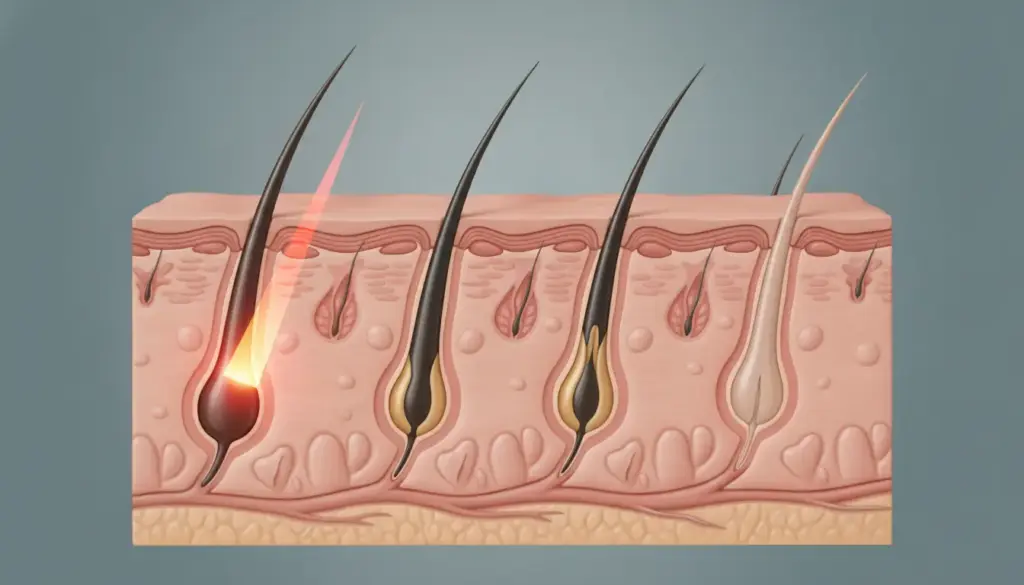
A hair graft is a tiny unit of tissue that holds one to four hair strands.
A 3,000 grafts transplant means a surgeon moves 3,000 of these units from a donor area to a thinning or bald spot.
It is one of the most common procedure sizes requested at hair clinics worldwide. Most patients use it to cover the front hairline, the crown, or both.
Many well-known public figures have undergone hair restoration procedures or are believed to have researched them.
The procedure works well for people experiencing moderate hair loss. It is not too small to make a visible difference, and not too large to complete in a single session.
Most surgeons recommend a graft count after a proper scalp assessment, not just a photo consultation. Go to a professionally verified clinic for a hair transplant.
Hair transplant is often recommended for advanced androgenetic alopecia.
Why 3,000?
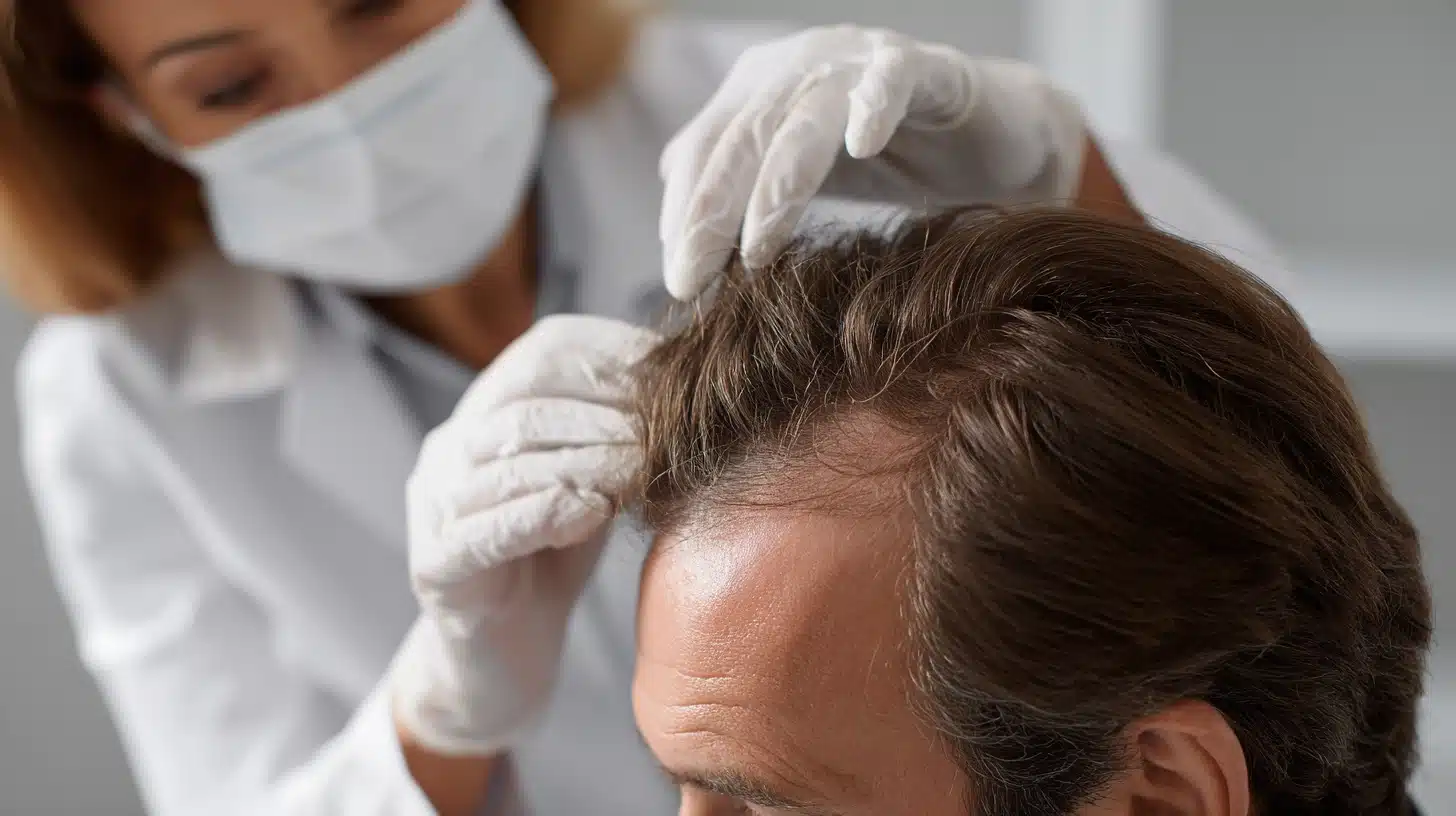
Why do so many people specifically land on 3,000 grafts?
It comes down to coverage. This number works well for people with moderate hair loss, not too early, not too advanced.
It gives the surgeon enough grafts to cover the front hairline and add density to the crown area.
It’s also a realistic amount to transplant in a single session.
Too few grafts and the results look thin. Too many at once, and the graft survival rate can drop. 3,000 hits the right balance for most people.
How Much Does it Cost?
The cost of 3,000 hair grafts isn’t fixed. It changes based on location, the surgeon performing it, and the method used. There’s no single price that fits every clinic or every country.
Average Cost
On average, a 3,000-graft hair transplant in the US costs between $6,000 and $15,000.
In the UK, the price ranges from £5,000 to £10,000. Clinics in Turkey or India often charge far less, sometimes as low as $1,500-$3,000 for the same procedure.
The gap is large and real. Pricing usually falls into one of two categories: a flat package fee or a per-graft rate.
Per-graft costs typically range from $2 to $10, depending on the clinic and location.
Per Graft Cost Range by Country
Per-graft pricing varies widely across the world. The country a patient chooses can make a significant difference to the total bill.
| Country | Per Graft Cost | Key Note |
|---|---|---|
| United States | $4 – $10 | Higher in cities like New York and Los Angeles |
| United Kingdom | $3 – $5 | London clinics charge more than those in smaller cities |
| Canada | $3 – $8 | Close to US rates, varies by province |
| Turkey | $0.50 – $2.50 | One of the most affordable destinations globally |
| India | $0.75 – $5 | Low costs, many clinics offer all-inclusive packages |
| China | $1 – $3 | Pricing varies by city and clinic tier |
How Long Does it Take?
A 3,000-graft transplant is not a quick in-and-out procedure.
Most sessions run between six and eight hours from start to finish. Some clinics choose to split the procedure over two days to maintain graft quality and reduce stress on the extracted units.
Patients spend most of that time in the chair while the surgical team carefully extracts and places each graft one by one.
It is a long day by any measure. However, for most patients, it is a one-time commitment that delivers long-lasting results.
The length of the session depends on the clinic’s approach, the surgeon’s experience, and the technique used during the procedure.
Results and Recovery
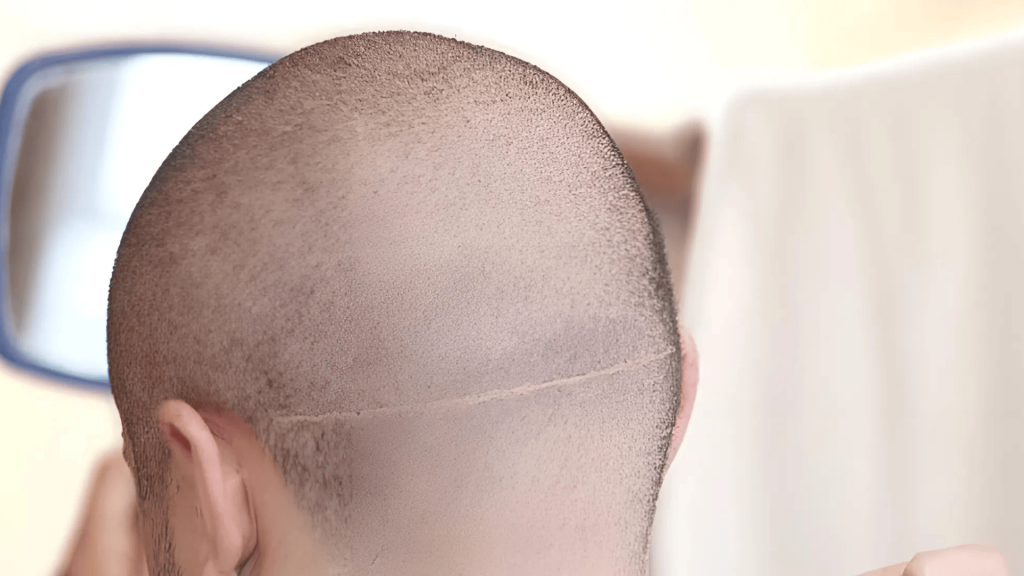
Results from a 3,000-graft transplant don’t show up overnight. Most people see new hair growth starting around three to four months after the procedure.
Full results take up to twelve months. Patience is key here. The final outcome depends on your surgeon’s skill, your hair type, and how well you follow aftercare instructions.
Recovery is simpler than most people expect. The first few days involve some swelling and redness.
Most people return to work within a week.
You’ll need to avoid heavy exercise for about two weeks. The transplanted area will scab and shed; that’s completely normal.
Surgeons typically schedule a follow-up at the one-month and six-month marks to track progress and catch any early complications.
Wrap Up
Now you have a clear view of the 3,000 Hair Grafts Cost: Real Prices and Key Factors that actually shape your bill.
The price you pay depends on your location, your surgeon, and the method used.
Always check if your clinic is registered with a recognised medical board in your country before you book.
Don’t rush this decision. Take your time, compare clinics, and ask the right questions before you book anything. A hair transplant is a long-term investment in yourself.
Still have questions? Drop them in the comments below.
Frequently Asked Questions
1. Can You Get a 500-Graft Hair Transplant?
Yes, a 500-graft transplant is possible. It suits people with very minor hair loss or small patchy areas.
2. Is a Hair Transplant 100% Successful?
No procedure is 100% guaranteed. Success rates are high, but results depend on the surgeon and the aftercare followed.
3. How Many Hair Grafts Fail?
Typically, five to ten percent of grafts may not survive. A skilled surgeon and proper aftercare significantly reduce this number.
4. Which is Better, Fue or Dht?
Both methods work well. FUE is widely used, while DHT offers higher density. The best choice depends on individual needs.
5. What Happens 10 Years After a Hair Transplant?
Transplanted hair usually stays permanent. However, the surrounding natural hair may continue to thin, sometimes requiring an additional procedure over time.