
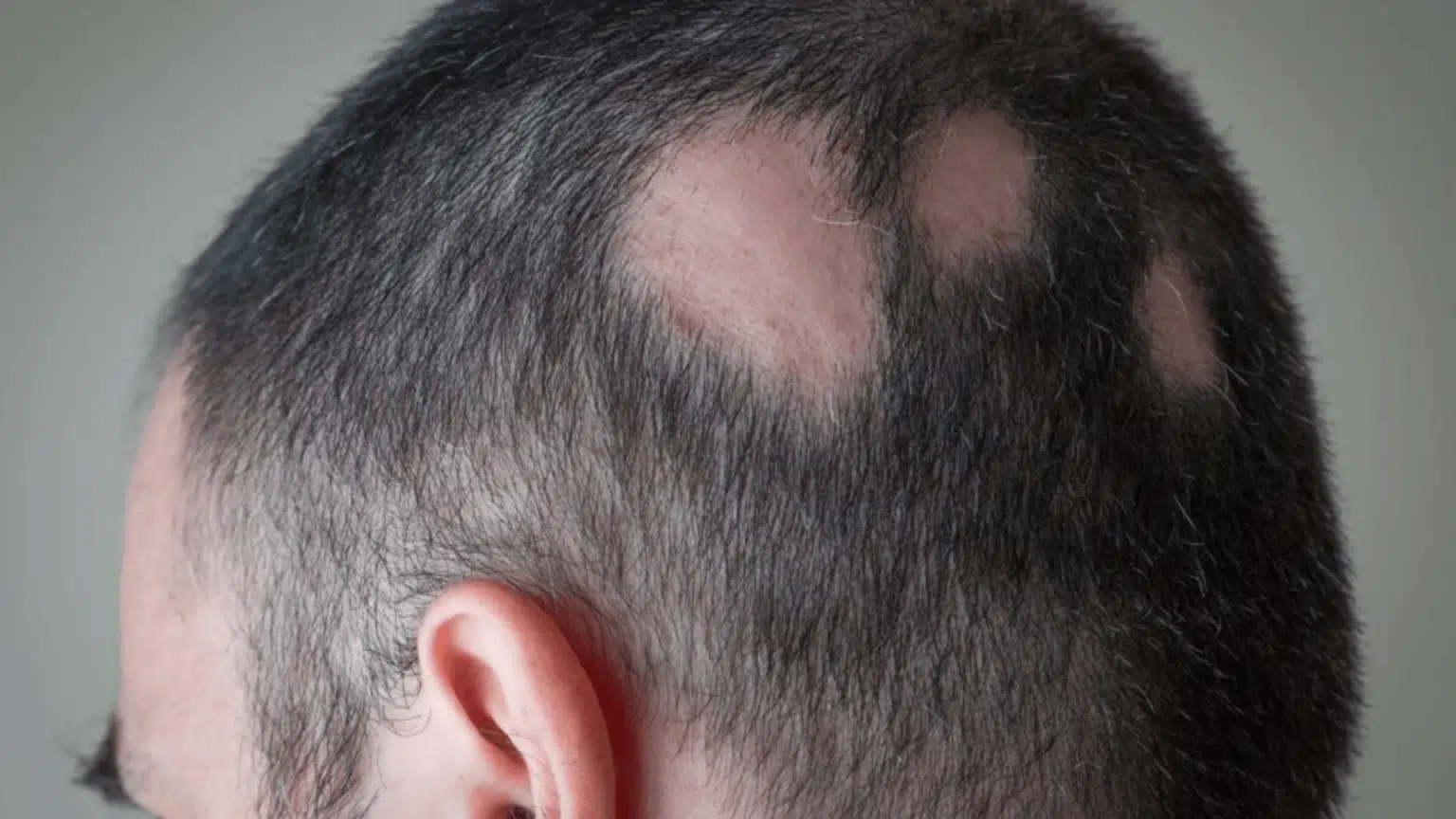
Hair loss can be scary, but scarring alopecia brings extra worry. Unlike regular hair loss, this condition destroys your hair follicles permanently. The smooth, shiny patches it leaves behind won’t grow hair again. Many people feel lost when they get this diagnosis.
But here’s the good news – early scarring alopecia treatment can stop the condition from getting worse. You can keep more of your existing hair and reduce painful symptoms. The key is acting fast and knowing your options.
This article will show you everything about treating scarring alopecia. You’ll learn about different medications, when to see a doctor, and what to expect from treatment.
What is Scarring Alopecia?
Scarring alopecia is a type of hair loss that damages your hair follicles permanently.
When this happens, scar tissue forms where your hair used to grow. This means the hair cannot come back once it falls out.
This condition is different from regular hair loss. With normal hair loss, your follicles stay healthy and hair can grow back. But with scarring alopecia, the follicles get destroyed completely.
You can spot this condition by looking at your scalp. The affected areas often look smooth and shiny. Sometimes you might see redness or small bumps. The skin may feel tight or tender to touch.
Hair loss usually happens in patches rather than all over your head. These patches slowly get bigger over time if left untreated.
What Causes Scarring Alopecia?
Many different factors can damage your hair follicles and create permanent scars. Let me break down the main causes so you know what to watch for.
Main Causes Include:
- Inflammatory conditions – Your immune system attacks healthy hair follicles by mistake, causing swelling and damage
- Autoimmune disorders – Conditions like lupus make your body fight against its own tissues, including hair roots
- Physical damage – Burns from heat, chemicals, or radiation therapy can destroy follicles completely
- Infections – Severe bacterial or fungal infections on your scalp can leave permanent scars
- Genetics – Some people inherit a higher risk for developing these conditions
- Hair practices – Tight braids, chemical treatments, or harsh styling over many years can cause scarring
Available Treatment Options for Scarring Alopecia
When it comes to scarring alopecia treatment, doctors have several options to help slow down hair loss and reduce symptoms. The key is starting treatment early, before more damage happens.
1. Anti-inflammatory medications
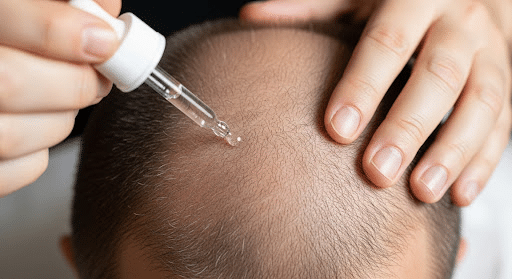
These come as pills, creams, or shots directly into your scalp. They help reduce swelling and stop further damage to hair follicles.
Common options include corticosteroids and immunosuppressive drugs. Your doctor might start with topical creams before moving to stronger oral medications if needed.
2. Antibiotics
If bacteria cause your condition, doctors prescribe these medicines to fight infection and prevent its spread.
Both topical and oral antibiotics can be effective. Some patients need long-term antibiotic therapy to keep inflammation under control and prevent flare-ups.
3. PRP therapy
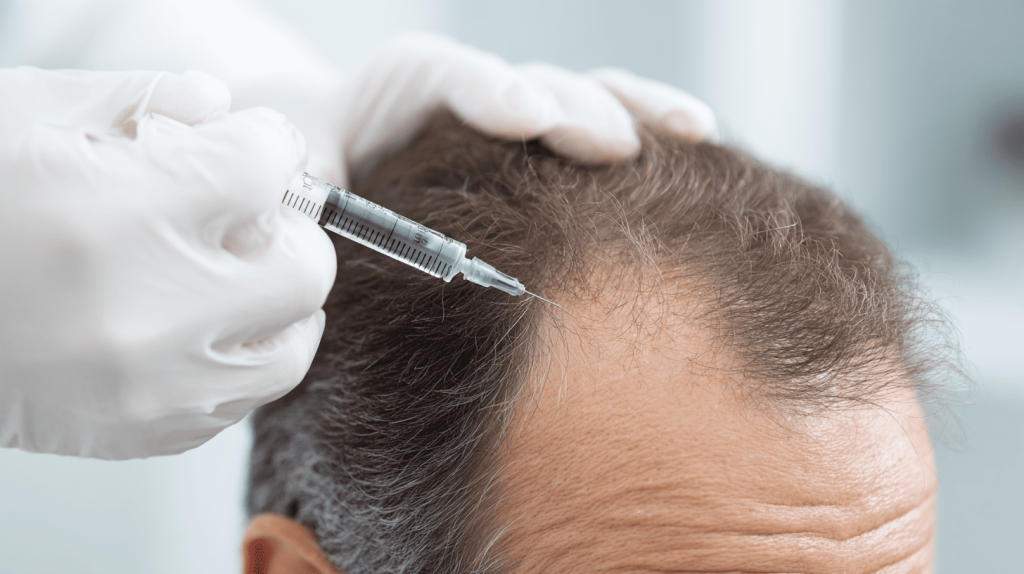
This uses your own blood to help heal damaged areas. It works best for people in early stages of the condition.
The process involves drawing your blood, processing it, and injecting it back into affected areas. Many patients see improvement after 3-4 sessions spaced a few weeks apart.
4. Cosmetic treatments
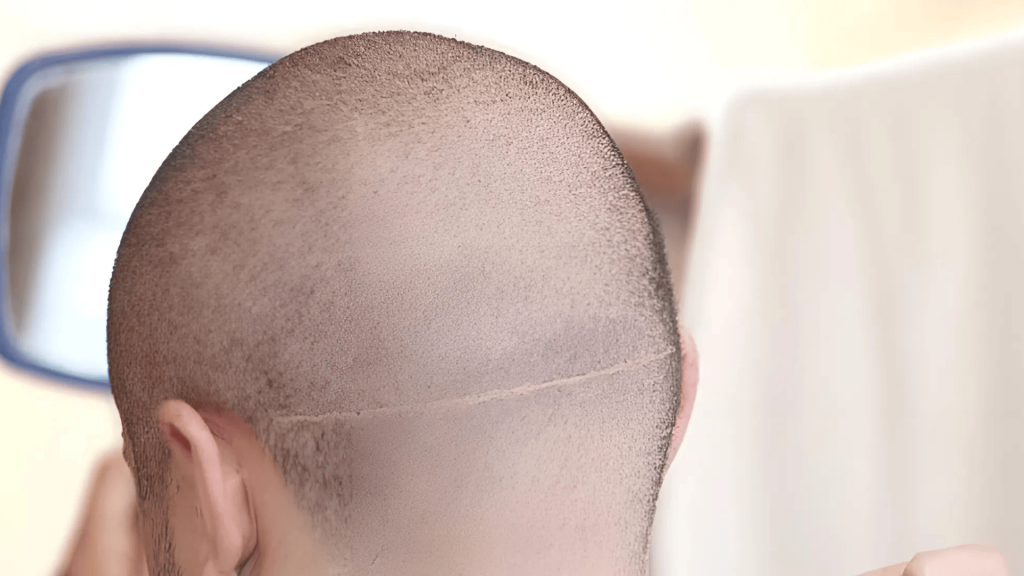
Hair transplants or scalp micropigmentation can help when medical treatments stop working. These options focus on appearance rather than stopping the condition itself.
Hair transplants move healthy follicles to bald spots, while micropigmentation creates the look of hair follicles through specialized tattooing.
Types of Scarring Alopecia
Several different types of scarring alopecia exist, each affecting your hair follicles in unique ways. Understanding these types helps doctors choose the right treatment approach for your specific condition.
| CONDITION | INFLAM. | KEY CLUES | DIAGNOSIS | MAIN TREATMENT |
|---|---|---|---|---|
| CCCA | Lymph. | Crown hair loss, fibrosis | Biopsy, exam | Anti-inflammatory, regrowth |
| LPP | Lymph. | Patchy scarring, redness, scaling | Biopsy, trichoscopy | Immunosuppressants, anti-inflammatory |
| F. Decalvans | Neutro. | Pustules, abscesses, tufted hairs | Clinical, biopsy | Antibiotics, anti-inflammatory |
| CCLE | Lymph. | Scarring lupus lesions, scaling | Biopsy, immunofluorescence | Immunosuppressants, antimalarials |
Several different types of scarring alopecia exist. Each type affects your hair follicles in unique ways. Understanding these types helps doctors choose the right scarring alopecia treatment approach.
Central Centrifugal Cicatricial Alopecia (CCCA)
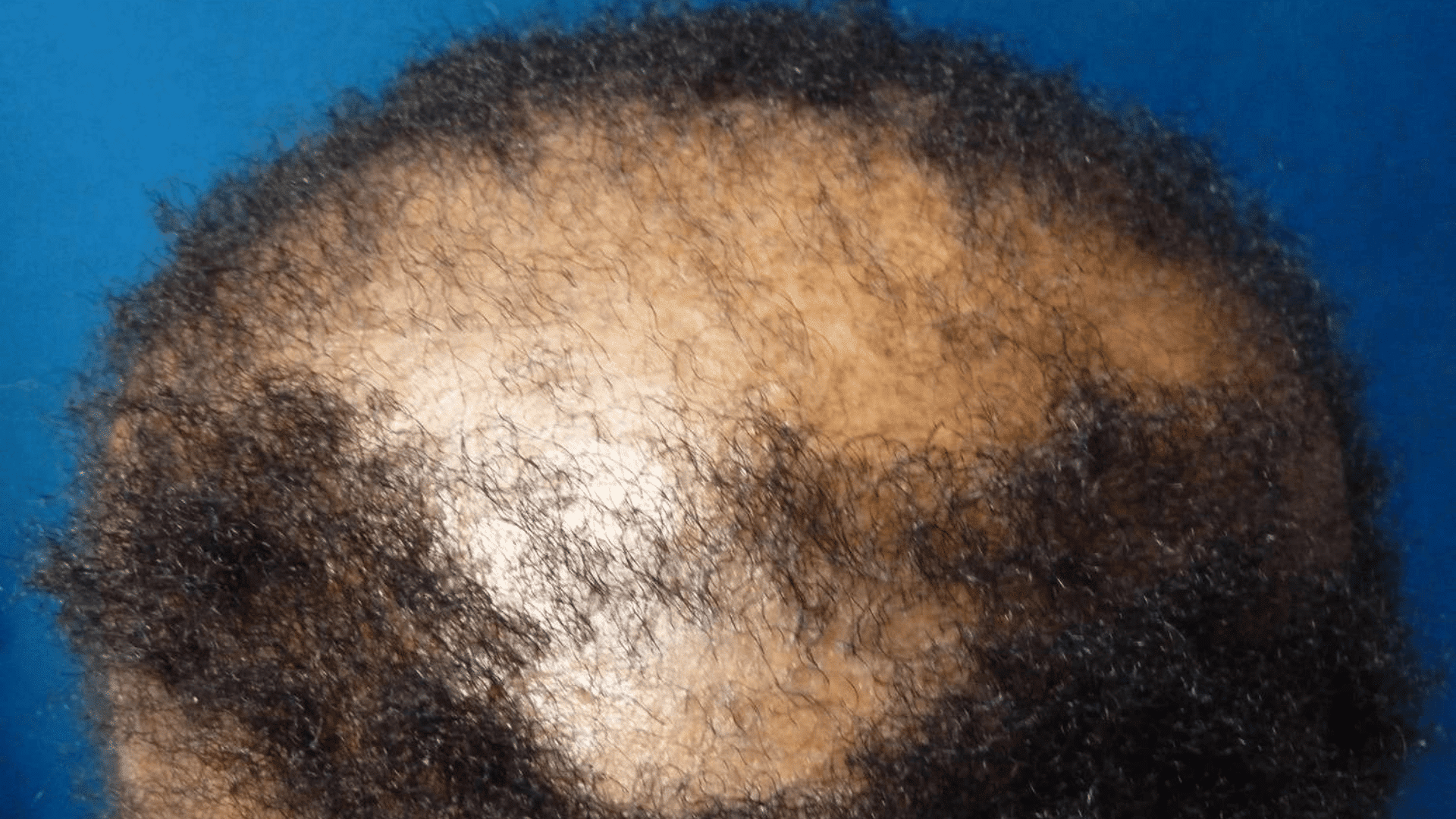
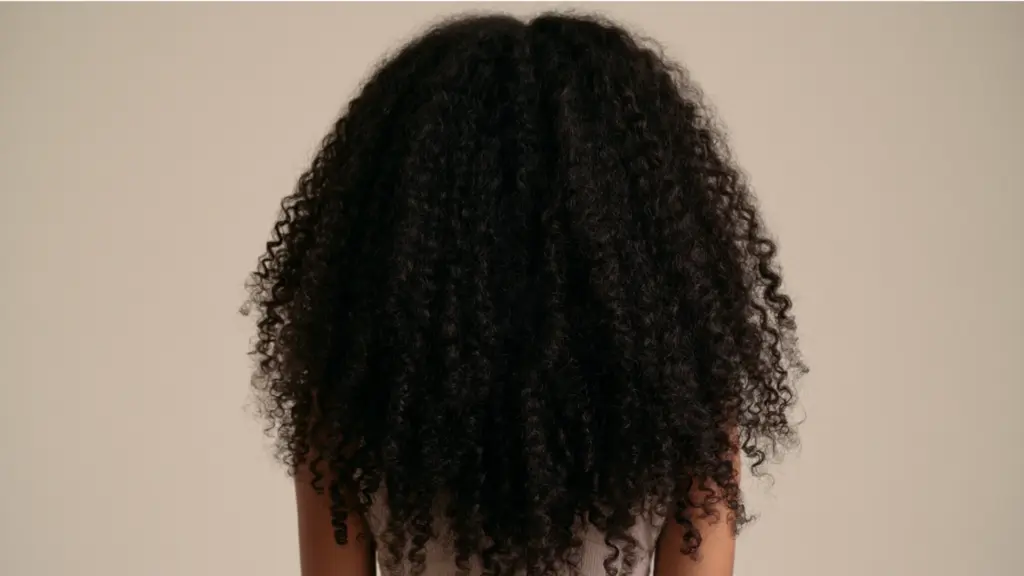
CCCA mainly affects women with textured hair. It starts at the crown of your head and spreads outward in a circle. You might notice your hair breaking easily or feeling tender. The affected area looks smooth and may have some redness.
This type often happens from tight hairstyles or chemical treatments. Early scarring alopecia treatment can slow down the hair loss process.
Lichen Planopilaris
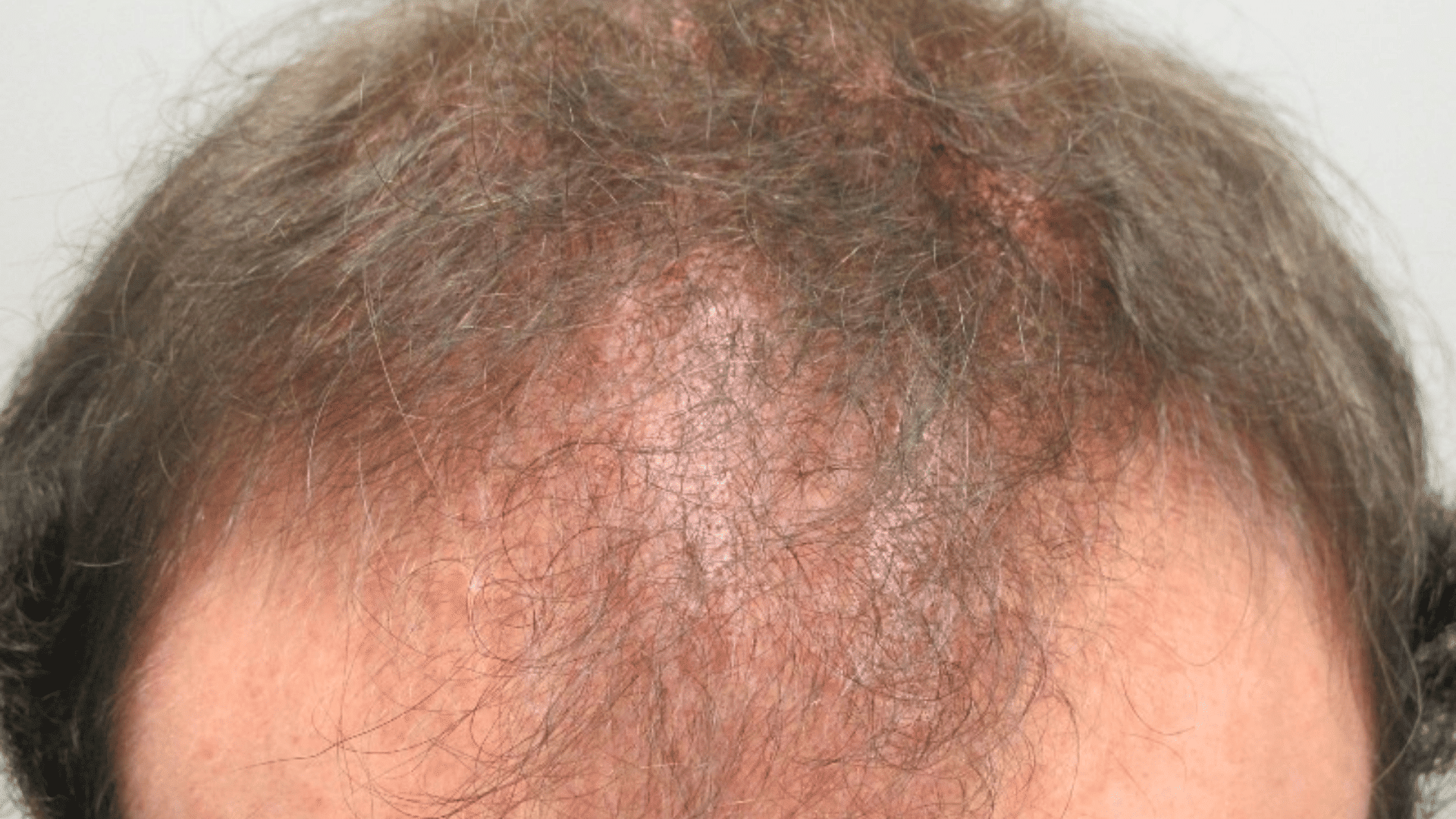
This condition causes small, scaly patches on your scalp. The patches often look purple or red around the edges. You may feel burning or itching in these areas.
Hair falls out in small, round spots that gradually get bigger. Women get this type more often than men. Quick scarring alopecia treatment helps prevent more damage to your follicles.
Folliculitis Decalvans
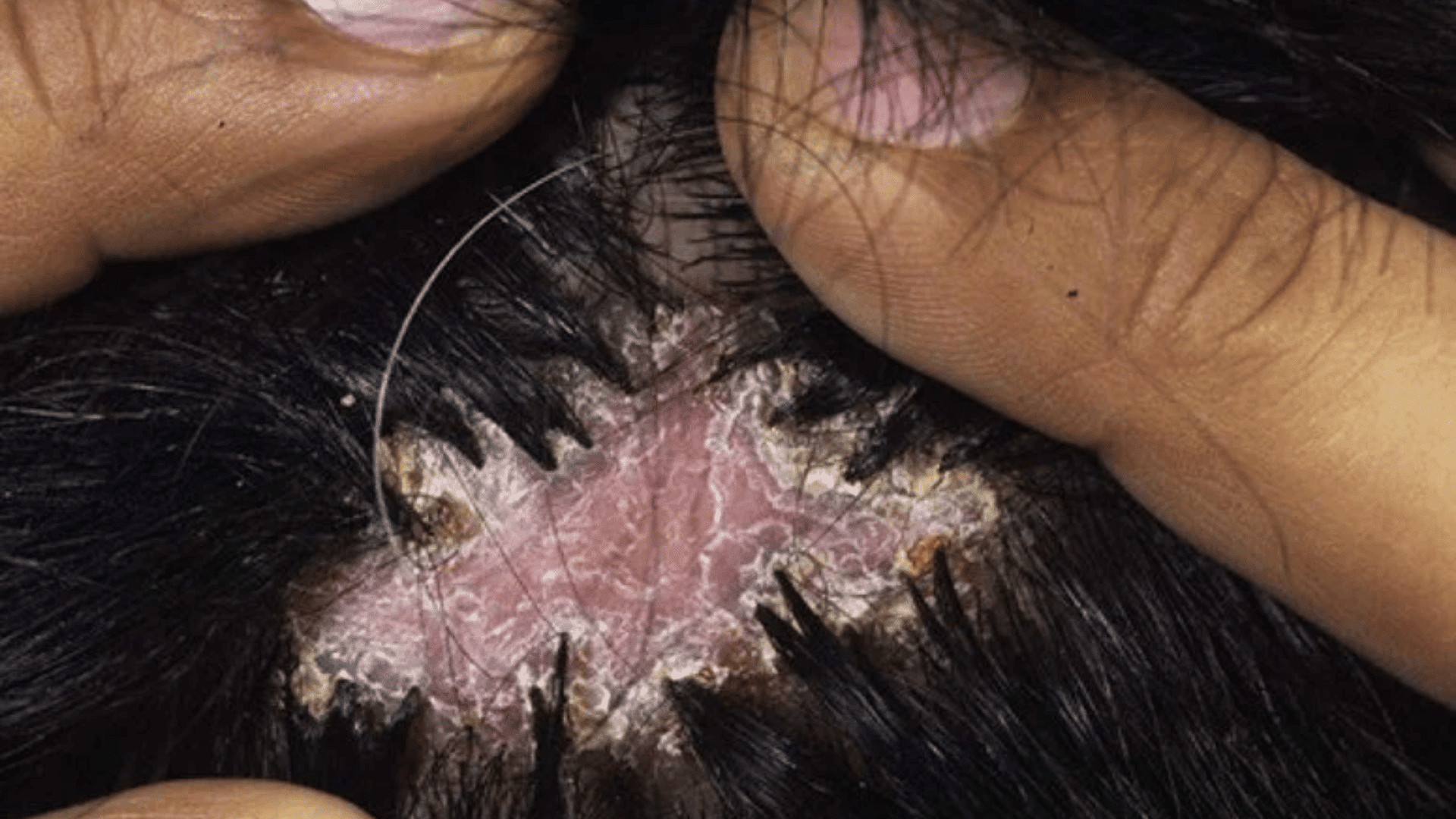
This type creates pus-filled bumps on your scalp. The bumps can be painful and may drain fluid. Hair comes out in clumps, leaving behind scarred areas.
You might see yellow crusts forming on the affected spots. Men and women can both get this condition. The right scarring alopecia treatment can control the infection and reduce symptoms.
Chronic Cutaneous Lupus Erythematosus (CCLE)
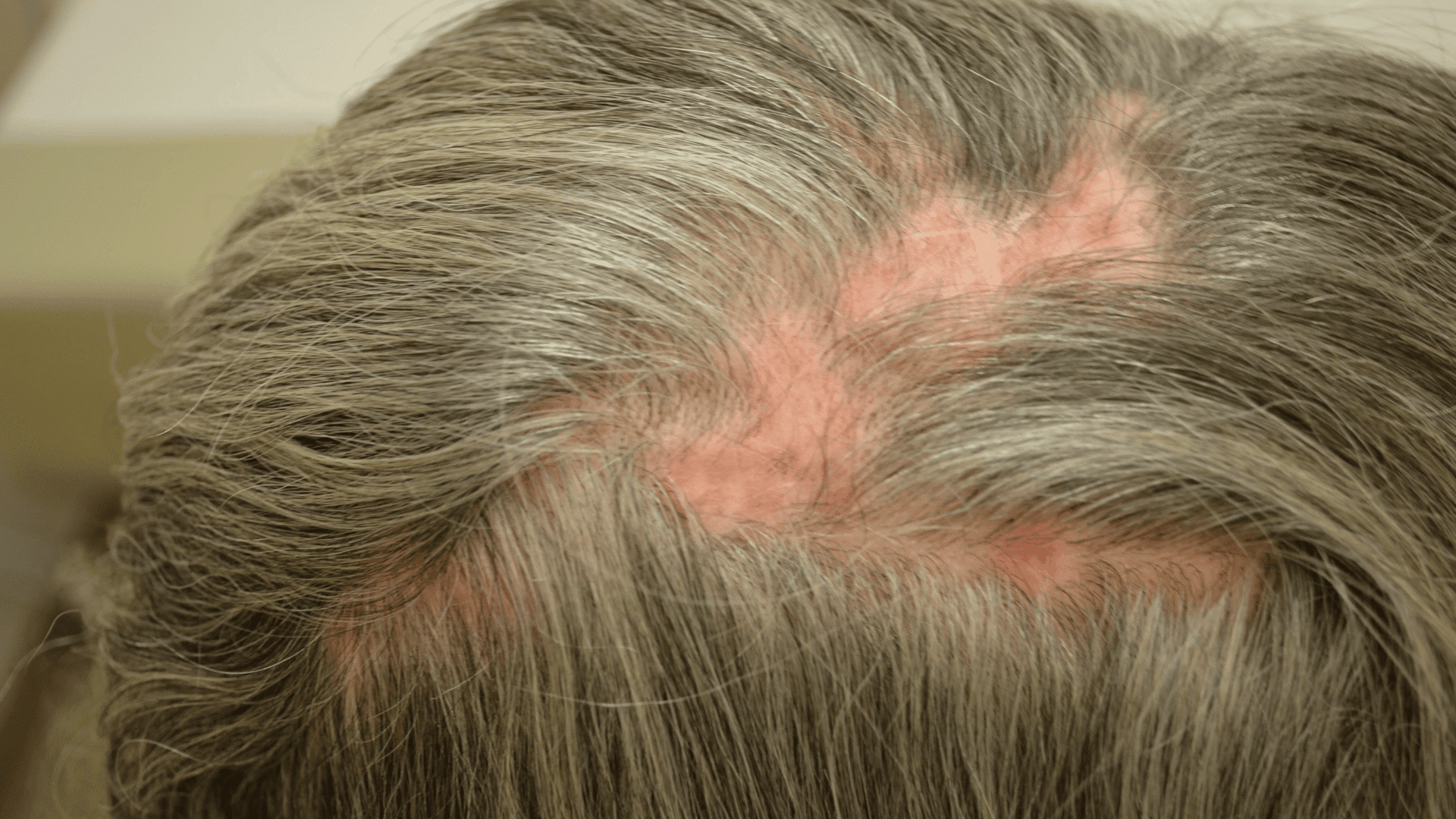
CCLE affects people who have lupus. It creates disc-shaped patches on your scalp that look red and scaly. These patches may also appear on your face or other body parts.
Hair loss occurs slowly over time. Sun exposure can make the condition worse. Early scarring alopecia treatment helps protect your remaining hair follicles from damage.
Non-Scarring Alopecia VS Scarring Alopecia
Non-scarring alopecia involves temporary hair loss where hair follicles remain intact, allowing potential regrowth.
In contrast, scarring alopecia causes permanent destruction of hair follicles, leading to irreversible hair loss due to fibrosis and scar tissue formation.
Understanding these differences is essential for appropriate diagnosis and management.
| ASPECT | NON-SCARRING ALOPECIA | SCARRING ALOPECIA |
|---|---|---|
| Hair Follicle Status | Intact, potential for regrowth | Destroyed and replaced by scar tissue |
| Hair Loss Reversibility | Usually reversible with treatment | Permanent, irreversible |
| Scalp Appearance | Normal or mild irritation | Redness, scaling, inflammation, and possible pus |
| Symptoms | Minimal scalp itching or burning | Itching, burning, pain, blisters, crusting |
| Common Causes | Autoimmune issues, stress, and hormonal imbalance | Follicle stem cell destruction, inflammation |
| Diagnosis | Clinical evaluation, sometimes trichoscopy | Often requires a scalp biopsy |
| Treatment Focus | Stimulate regrowth, address the underlying cause | Reduce inflammation, prevent further loss |
| Treatment Options | Steroids, PRP, minoxidil, immunotherapy | Surgery, hair transplant, symptom management |
Who is Most at Risk?
Scarring alopecia affects certain groups more than others.
Women between ages 40 and 60 face the highest risk. African American women are particularly vulnerable to this condition.
The disease also impacts people with autoimmune disorders more often. If you have lupus or other immune system problems, your chances increase. Some types run in families, so genetics play a role too.
Your lifestyle choices matter as well. Tight hairstyles like braids or ponytails can trigger certain forms. Chemical treatments and excessive heat styling also raise your risk.
Men can get scarring alopecia, but it happens less frequently. Children rarely develop this condition. Early recognition helps because prompt scarring alopecia treatment can slow down or stop further hair loss before permanent damage occurs.
How is Scarring Alopecia Diagnosed?
Getting the right diagnosis helps doctors plan your scarring alopecia treatment effectively.
The process starts with a physical exam where your doctor looks closely at your scalp. They check for smooth, shiny patches and any signs of inflammation.
Your medical history matters too. I recommend telling your doctor about when the hair loss started and if you feel pain or itching. They also ask about family history and any medications you take.
The most important test is a scalp biopsy. Your doctor takes a small piece of skin from the affected area. This sample gets examined under a microscope to confirm the diagnosis.
The biopsy shows if your hair follicles are truly damaged and helps identify the specific type of scarring alopecia you have.
Can Hair Grow Back After Scarring Alopecia?
This is the question most people ask when they first learn about their condition. The answer depends on how much damage has already happened to your hair follicles.
- Destroyed follicles cannot make new hair ever again
- Scar tissue blocks any chance of hair growing back
- Early treatment can save follicles that are not yet damaged
- Quick action helps keep more of your existing hair
- Late treatment focuses on stopping more hair loss
- Advanced cases need cosmetic options instead of regrowth
I know this news can be hard to hear. But remember that early scarring alopecia treatment can make a big difference.
The sooner you start treatment, the better chance you have of keeping the hair you still have.Even if some hair cannot come back, there are ways to help you feel good about how you look.
Lifestyle Changes that Can Help Manage Scarring Alopecia
Scarring alopecia is a challenging condition that requires a comprehensive approach beyond medical treatments.
Adopting healthy lifestyle changes can support scalp health, reduce inflammation, and help manage symptoms effectively.
- Avoid tight hairstyles, harsh brushes, and chemical treatments.
- Use gentle, sulfate-free shampoo with lukewarm water.
- Protect scalp from the sun with hats or SPF sprays.
- Eat a nutrient-rich diet (antioxidants, protein, vitamins A–D, iron, zinc, omega-3s).
- Manage stress with yoga, meditation, or breathing exercises.
- Exercise moderately and regularly.
- Wear soft, non-irritating headwear (cotton scarves, wigs).
Implementing these lifestyle adjustments can complement medical treatments and improve overall quality of life for those with scarring alopecia.
Always consult your dermatologist for personalized advice and care.
When To Call a Doctor
You should call a doctor as soon as you notice strange hair loss patterns. Don’t wait to see if it gets better on its own.
Call right away if you see smooth, shiny patches on your scalp where hair used to be. Also, call if your scalp feels sore, burns, or itches in these areas. Red bumps or swelling around hair loss spots are warning signs too.
If you notice your hair coming out in clumps or circles, this is not normal.
The most important thing to remember is that time matters. Early scarring alopecia treatment works much better than waiting.
Wrapping It Up
Scarring alopecia treatment is not something you can put off. I’ve seen too many people wait and wish they had acted sooner. The truth is, once those hair follicles are gone, they’re gone for good.
But here’s what I want you to remember – early treatment can save the hair you still have. Whether it’s anti-inflammatory medicines, antibiotics, or PRP therapy, these options work best when you start them quickly.
Don’t feel embarrassed about hair loss. It’s a medical condition, and doctors are there to help.
Call your doctor if you notice smooth patches, pain, or unusual hair loss patterns.