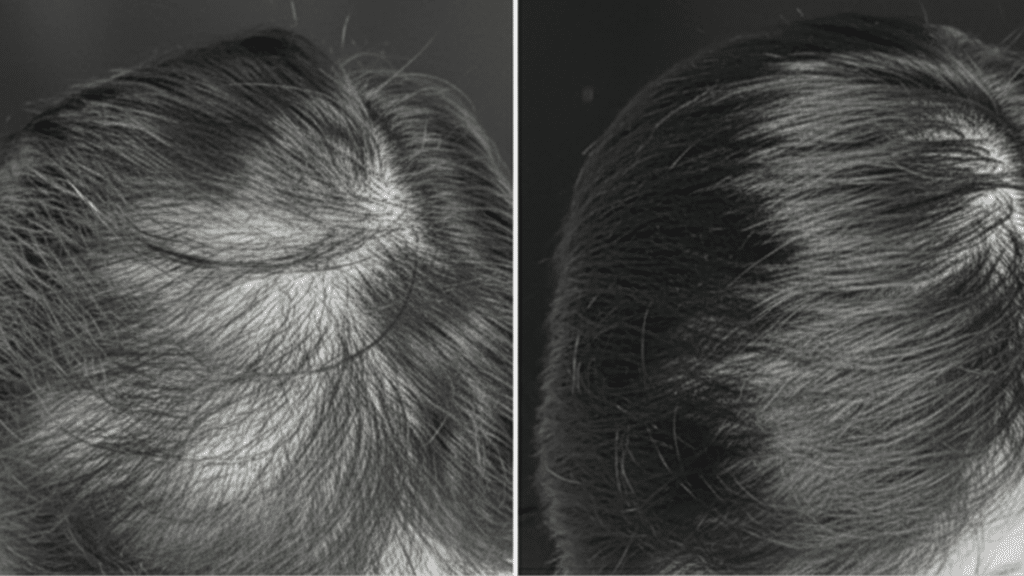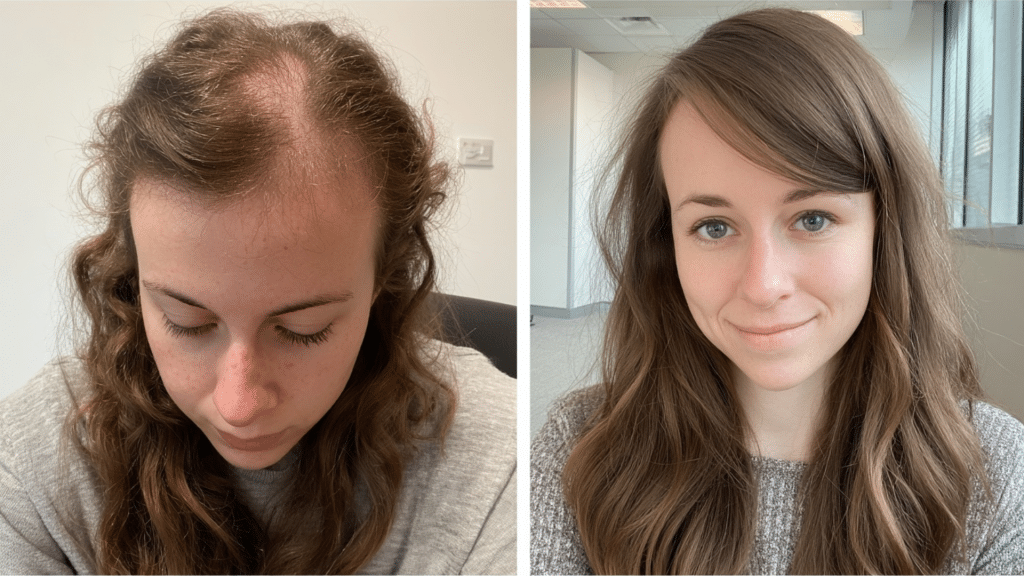

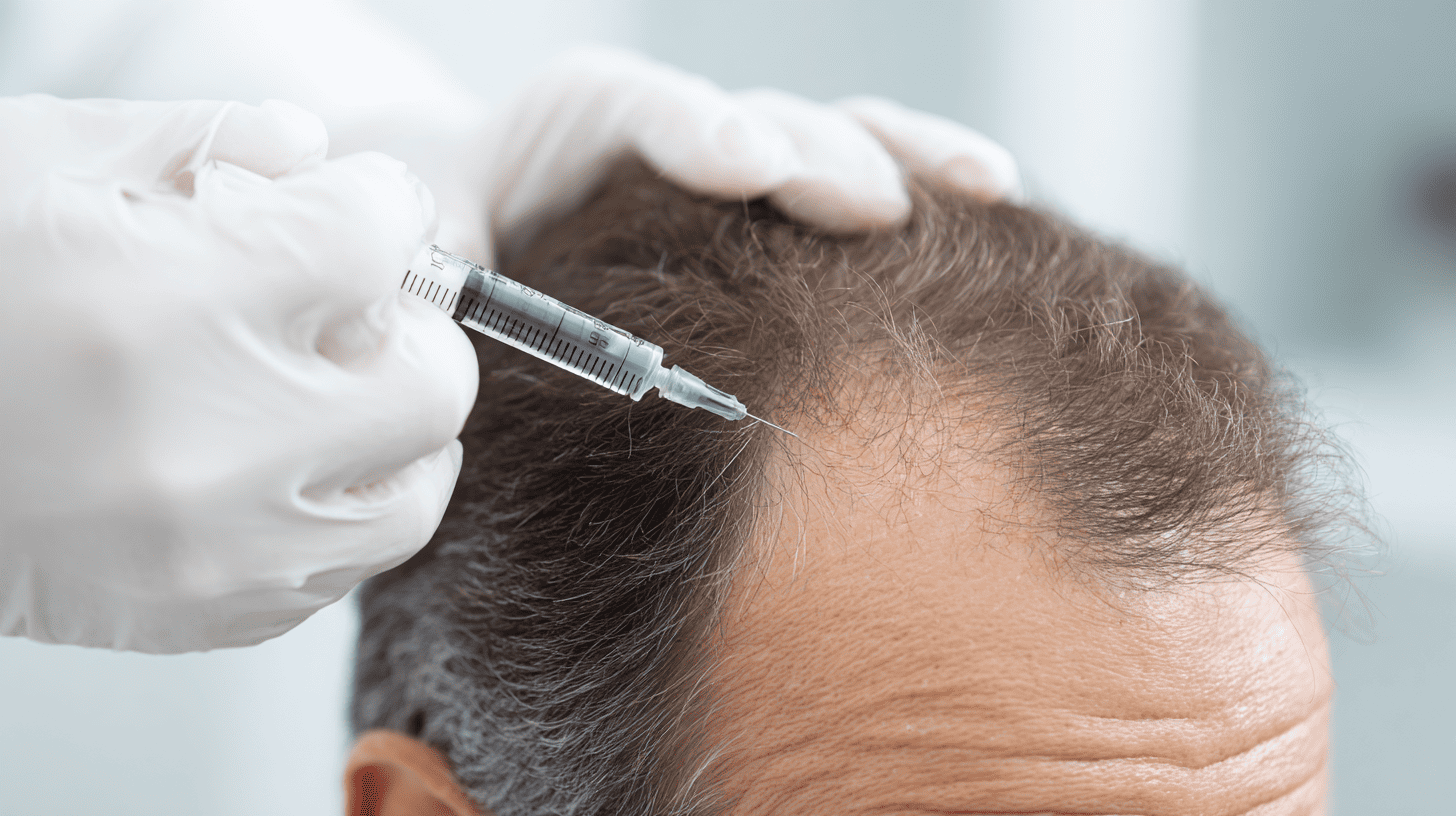
Hair loss can be frustrating, and many people agree that it’s not just about looks; it’s about confidence, too. Treatments have come a long way, and today, there’s more than one option to help bring back fuller hair.
One of the most talked-about solutions today is scalp injections for hair growth, which use your body’s own healing factors to stimulate follicles.
In this guide, we’ll look at two popular choices: PRP (Platelet-Rich Plasma) and PFP (Platelet Fibrin Plasma).
We’ll break it down in a way that’s easy to understand, even if you’re new to hair restoration.
By the end, you’ll know exactly what PFP is, how it compares to PRP, the benefits of each, safety factors, costs, and how to decide which treatment fits your hair goals best.
What Does PFP Mean in Hair Treatment?
In hair restoration, PFP meaning refers to Platelet Fibrin Plasma, a concentrated platelet preparation that also contains a fibrin matrix.
The fibrin structure creates a gel-like consistency, which may allow a slower, sustained release of growth factors into the scalp.
This gradual release is thought to keep stimulating dormant hair follicles for longer compared to standard PRP, potentially helping to improve hair thickness and density over time.
What Does PRP Mean?
PRP stands for Platelet-Rich Plasma. It is a concentration of platelets and plasma derived from your own blood, rich in growth factors that play a role in healing and tissue regeneration.
In hair restoration, PRP is injected into the scalp to stimulate follicles, increase blood supply, and encourage new hair growth.
Originally used in sports medicine and wound healing, PRP has become a popular, minimally invasive option for treating thinning hair and early-stage hair loss.
How PFP & PRP Scalp Injections Work

Both PFP and PRP scalp injections work in a similar way, using your own blood to deliver powerful growth factors directly to thinning areas of the scalp.
This process is the foundation of modern scalp injections for hair growth treatments.
Step 1: Blood Collection
A small sample of the patient’s blood is drawn, usually from the arm.
This simple step is quick and painless for most people, forming the starting point for both PFP and PRP treatments by providing the raw material needed for platelet concentration.
Step 2: Centrifugation
The collected blood is placed in a centrifuge, which spins it at high speed. This separates the red cells from the plasma and platelets.
For PFP, a fibrin matrix forms, creating a thicker consistency compared to the liquid form of PRP.
Step 3: Preparation of Concentrate
The concentrated platelet-rich layer is carefully extracted.
In PRP, this remains a liquid, while in PFP, it takes on a gel-like texture. Both contain growth factors intended to support scalp health and stimulate active hair follicles for regrowth.
Step 4: Targeted Injections
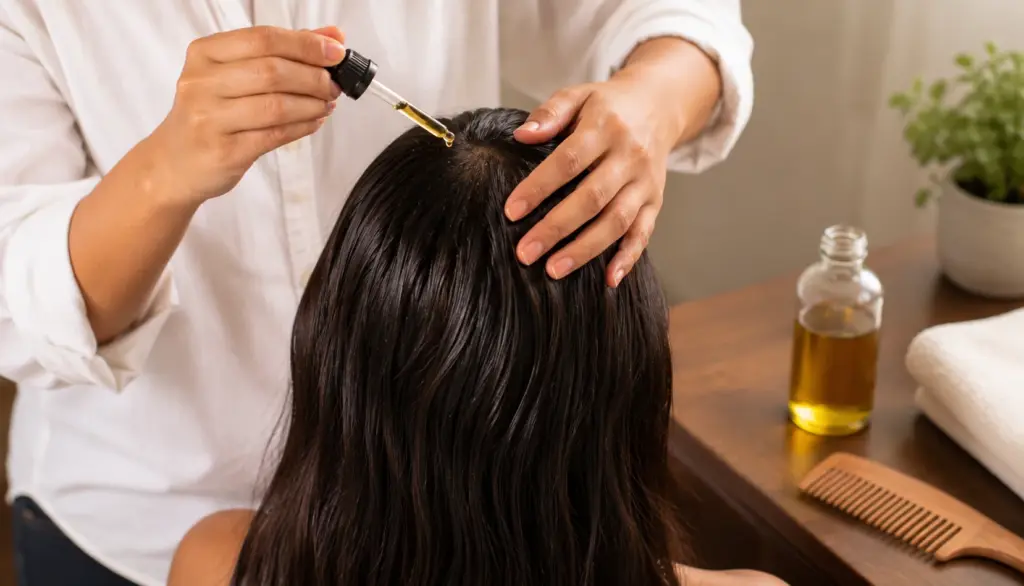
Using fine needles, the prepared PRP or PFP is injected into the areas of the scalp experiencing thinning.
Multiple small injections cover the treatment area, delivering growth factors directly to the follicles for targeted stimulation and improved blood flow.
Step 5: Post-Treatment Action and Care
Once injected, the growth factors begin signaling tissue repair and follicle activation.
Patients are typically advised to avoid strenuous activity, hot showers, and hair products for the first day. Follow-up sessions are planned to maintain and build upon the results.
Session time lasts for 30–60 minutes, with minimal downtime.
Benefits of PFP and PRP for Hair Growth
Both PFP and PRP scalp injections aim to stimulate active hair follicles, improve hair density, and reduce shedding. While they share similar benefits, each offers unique qualities that may suit different treatment goals.
- Slows shedding: Supports healthier follicle cycles to reduce hair loss.
- Enhances thickness: Promotes fuller, more resilient strands over time.
- Growth factor delivery: PRP offers a quick release, while PFP may provide sustained stimulation.
- Natural and low risk: Both use your own blood, minimizing adverse reactions.
- Combination-friendly: Can be paired with microneedling, laser therapy, or each other for better results.
Effectiveness, Research & Ideal Candidates

PRP is well-studied and benefits those with early to mid-stage hair loss when follicles are active. Research shows it slows shedding, boosts density, and strengthens hair over time.
PFP, on the other hand, is a newer treatment with a growing but smaller body of research.
Early findings and patient experiences suggest that the fibrin matrix in PFP may provide longer-lasting follicle stimulation compared to PRP. However, more large-scale, peer-reviewed studies are needed to confirm its long-term effectiveness and fully match PRP’s strong scientific foundation.
Good candidates:
- Men/women with thinning hair but active follicles.
- Those seeking to delay maintenance sessions.
- People are avoiding surgical hair restoration.
Caution: Avoid it if you have clotting disorders, low platelet counts, scalp infections, uncontrolled health conditions, or are pregnant/breastfeeding.
Treatment Timeline & Maintenance
Seeing results from PFP scalp injections takes time, and knowing what to expect can keep you motivated throughout the process. A clear timeline also helps you plan follow-up sessions for lasting improvements.
PRP Protocol: 3–4 initial sessions, spaced 4–6 weeks apart, and Maintenance every 4–6 months.
PFP Protocol: 2–3 initial sessions, spaced 4–6 weeks apart, and Maintenance every 6–12 months.
Typical results:
- Month 1–2: Less shedding
- Month 3–6: Thicker, fuller hair
- Month 6–12: Peak results with maintenance
Following the recommended schedule and attending maintenance sessions helps keep your scalp injections for hair growth results lasting. Consistency is key to achieving the best outcome.
Safety and Possible Side Effects of PFP and PRP Treatments
Both PFP and PRP treatments for hair restoration are generally considered safe because they use your own blood, minimizing the risk of allergic reactions or rejection.
However, like any medical procedure, there are some possible side effects and safety considerations to be aware of:
Common and Rare Side Effects
- Mild pain or tenderness at injection sites.
- Minor swelling, redness, or light bruising that fades quickly.
- Temporary itching, dryness, or flaking of the scalp.
- Short‑term shedding 2–6 weeks post‑treatment before regrowth.
- Rare infections or allergic reactions can usually be prevented with proper care.
- Very rare small nodules, scars, or temporary numbness.
Safety Tips
- Always seek treatment from a qualified and experienced provider who follows strict hygiene and injection protocols.
- Disclose your full medical history, medications, and allergies to your practitioner.
- Follow post-treatment care instructions carefully to reduce risks and enhance healing.
Overall, PFP and PRP scalp injections offer a minimally invasive, low-risk approach to stimulating hair growth with side effects that are typically mild, short-lived, and manageable.
Cost of PFP and PRP Hair Treatments
Understanding the cost of PFP and PRP hair treatments can help you plan your hair restoration journey more effectively. Prices vary depending on your location, clinic expertise, and the complexity of the procedure.
| City / Metro Area | Average PRP Cost | Average PFP Cost |
|---|---|---|
| Cleveland, OH | $750 | $900 |
| Washington, DC | $900 | $1,080 |
| Los Angeles, CA | $1,000 | $1,200 |
| Detroit, MI | $1,640 | $1,970 |
| Atlanta, GA | $1,800 | $2,160 |
| New York City, NY | $2,733 | $3,280 |
| Boston, MA | $3,700 | $4,440 |
| Typical U.S. Range | $400 – $2,500 | $600 – $3,000 |
By comparing both treatments and factoring in maintenance needs, you can make an informed decision that balances your budget with the results you want to achieve.
Wrapping it Up
When it comes to hair restoration, PFP, meaning Platelet Fibrin Plasma, is a newer approach that may keep stimulating your hair follicles for a longer time than traditional PRP.
PRP, or Platelet-Rich Plasma, has been used for years and is backed by solid research showing it can reduce shedding, boost thickness, and improve scalp health.
Both work by using your own platelets to naturally encourage hair regrowth, but they differ in texture, how growth factors are released, and how much research supports them.
If you’re considering scalp injections for hair growth, the best approach is to consult a qualified hair restoration specialist who can provide personalized guidance based on your hair loss stage, expectations, and budget.