
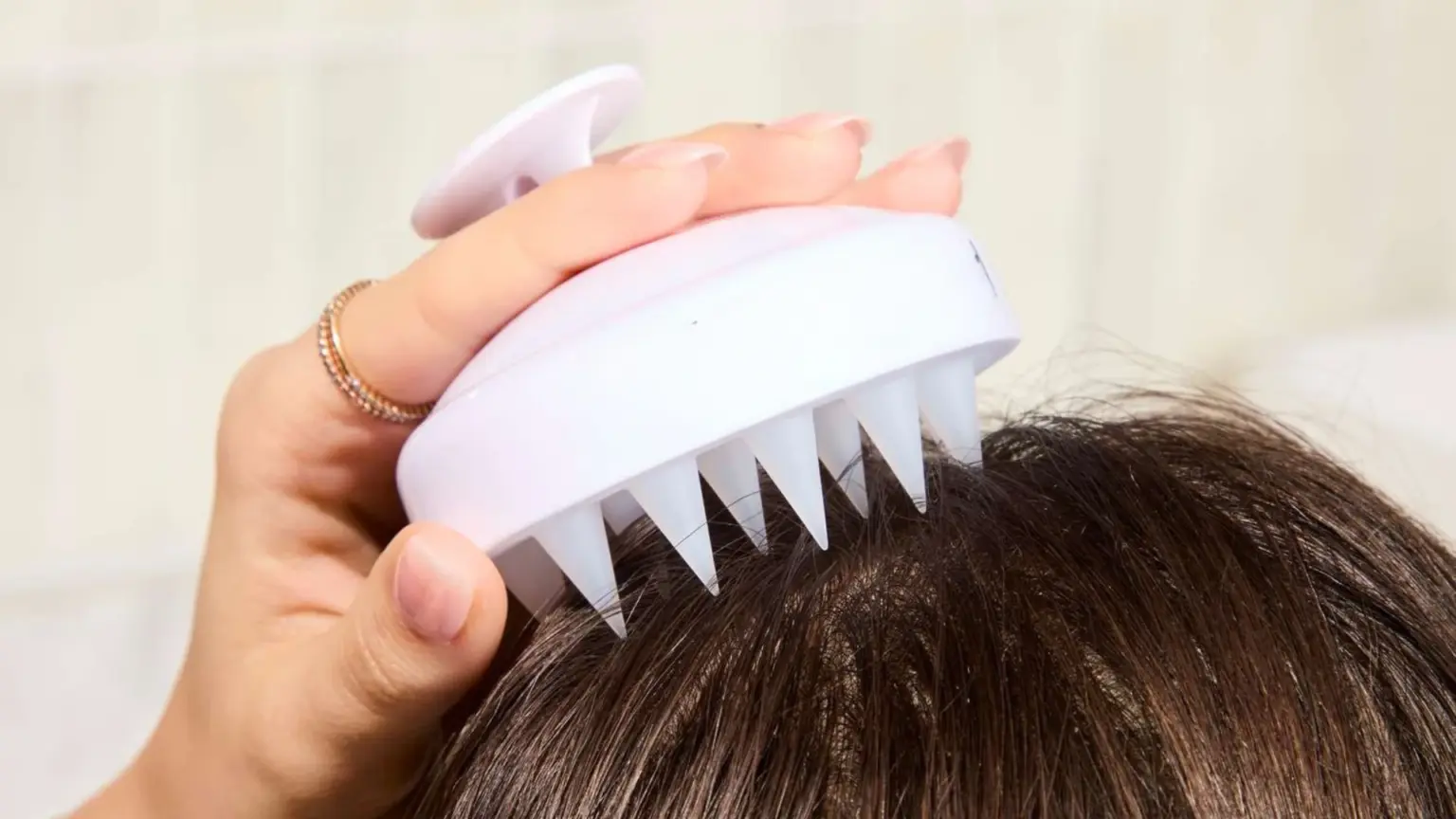
Millions of people rub a small silicone tool on their scalp every day, hoping for thicker hair.
But do scalp massagers actually work, or is this just another trend that fades fast?
We’ll break down the benefits of scalp massagers for hair growth and explain what the evidence really shows, what these tools can’t do, and how to use one the right way.
Scalp Massager Benefits: For Your Hair and Beyond
Benefits from a scalp massager go beyond just feeling nice. Here’s what’s actually happening under the surface, along with a few perks you might not expect.
1. Better Blood Flow to the Roots
Massage moves blood to your scalp, delivering more oxygen and nutrients to hair roots. This feeds follicles from the inside out, helping them grow stronger hair.
2. Mechanical Stretching of Hair-Producing Cells
Gentle pressure stretches dermal papilla cells at the base of each hair root. This stretching signals your body to produce thicker strands.
3. Clearing Buildup so Follicles Can Breathe
Dead skin and product residue can clog follicles over time. Massage loosens this buildup, giving follicles room to function properly again.
4. Better Absorption of Oils and Serums
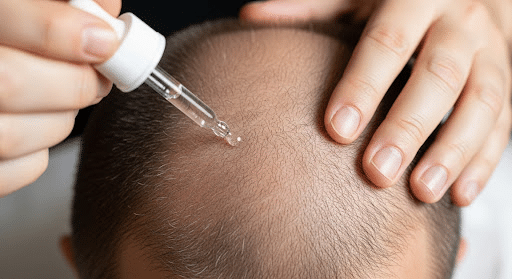
Massaging a product into your scalp helps it absorb more deeply rather than sit on the surface. Apply serum first, then massage it in for best results.
5. Helps Distribute Natural Scalp Oils Evenly
Massage spreads your scalp’s natural oils down the strands instead of leaving them stuck at the roots. This reduces greasiness, adds shine, and supports a healthier scalp overall.
6. Stress Relief and A Calmer Mood
The gentle pressure and motion calm your nervous system and ease tension. Even five minutes can shift a stressful mood into a relaxed one.
7. Fewer Tension Headaches
Massage eases tight muscles around the head and neck, a common trigger for headaches. This can reduce the frequency of headaches and ease existing pain.
8. Better Sleep Through Relaxation
The repetitive motion signals your body to relax. A short massage before bed can become part of a calming nighttime routine.
Types of Scalp Massagers
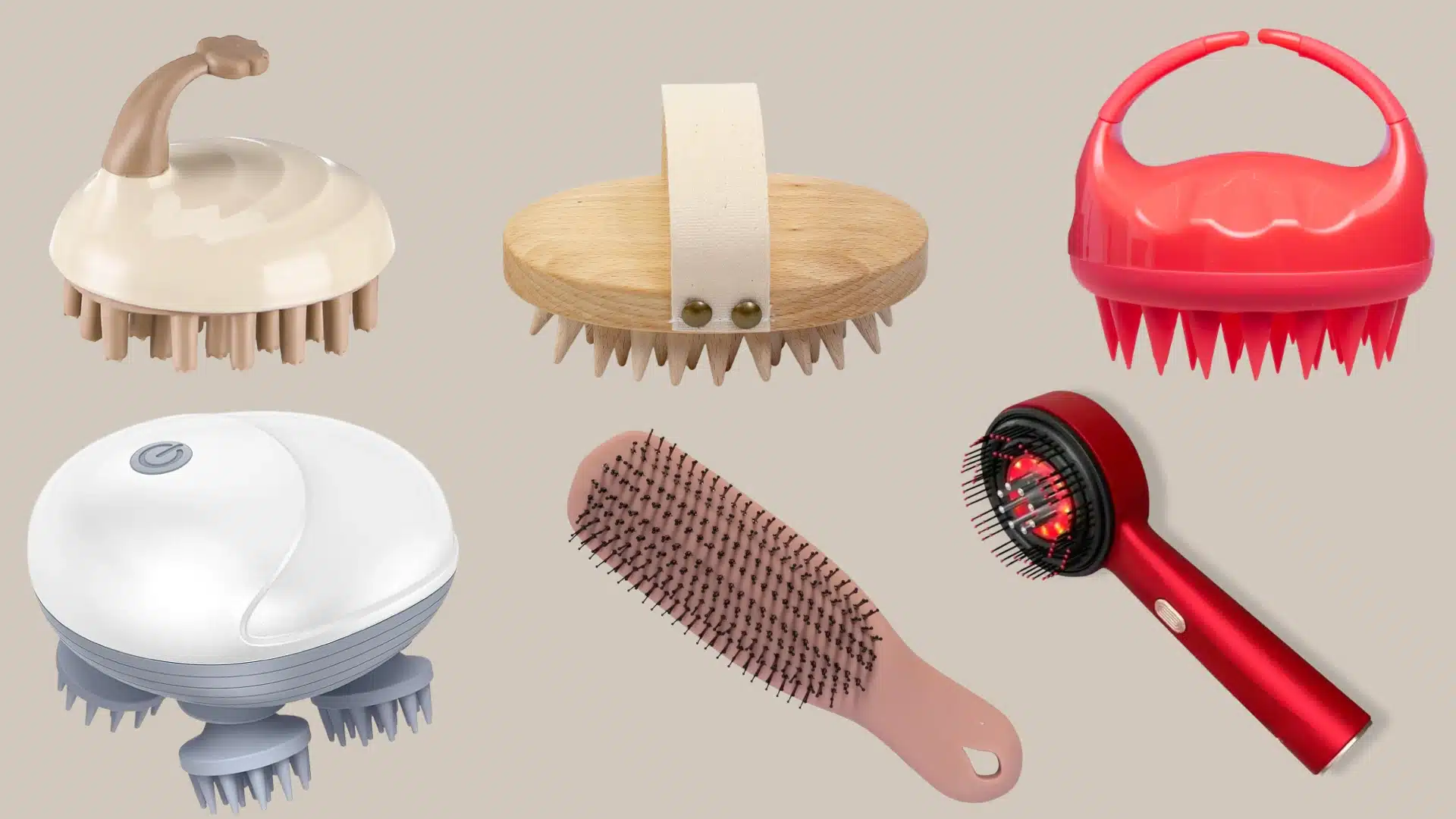
Scalp massagers come in a few different types, each suited to different needs and scalp conditions.
Silicone Bristle Massagers
Silicone bristles work well for most people. They’re soft, flexible, and gentle on the scalp, making them a safe choice for sensitive skin or fine hair that breaks easily.
If you’re looking for a solid option, this Silicone Bristles Massager is a popular pick with soft bristles built for everyday use.
Firm Bristle Massagers
Firm bristles suit thicker hair or oilier scalps better. They dig in deeper and remove buildup more effectively, but they can feel too harsh for delicate scalps or those prone to irritation.
If you want a firmer option, this Firm Bristles Massager features sturdier bristles for deeper stimulation.
Choosing between silicone and firm bristles comes down to scalp sensitivity and hair type. When in doubt, softer bristles are the safer starting point.
Manual Brushes
Manual brushes require no batteries and offer full control over pressure and speed. They’re simple, affordable, and easy to travel with, suiting anyone who wants simplicity and control.
This Manual Brush is a solid pick if you want a no-fuss, budget-friendly option for everyday use.
Electric Massagers
Electric massagers do the work for you. They often include vibration or rotating heads, which can feel more relaxing and require less effort.
This makes them a good option for anyone who wants a deeper massage without hand fatigue.
If you’re looking for a hands-free, more intense massage experience, this Electric Massager is a great choice.
Scalp Brushes
Scalp brushes usually have thinner, pointed bristles designed to exfoliate and lift away flakes and product buildup.
They focus more on cleaning the scalp surface than on deep stimulation, making them a good fit for anyone dealing with dandruff or oiliness.
This Scalp Brush works well if scalp exfoliation is your main goal.
Hybrid Brush-Massagers
Hybrid tools combine both bristle types in one design, letting you exfoliate and massage without switching tools.
Some sections handle buildup removal, while others focus on circulation, providing a more complete scalp-care experience in a single brush.
Hybrid Brush-Massager that is worth considering if you want exfoliation and massage benefits in one tool.
What Scalp Massagers Cannot Do?
Scalp massage helps, but it has real limits.
It won’t reverse genetic hair loss, since that comes from hormones and family history, not scalp health alone.
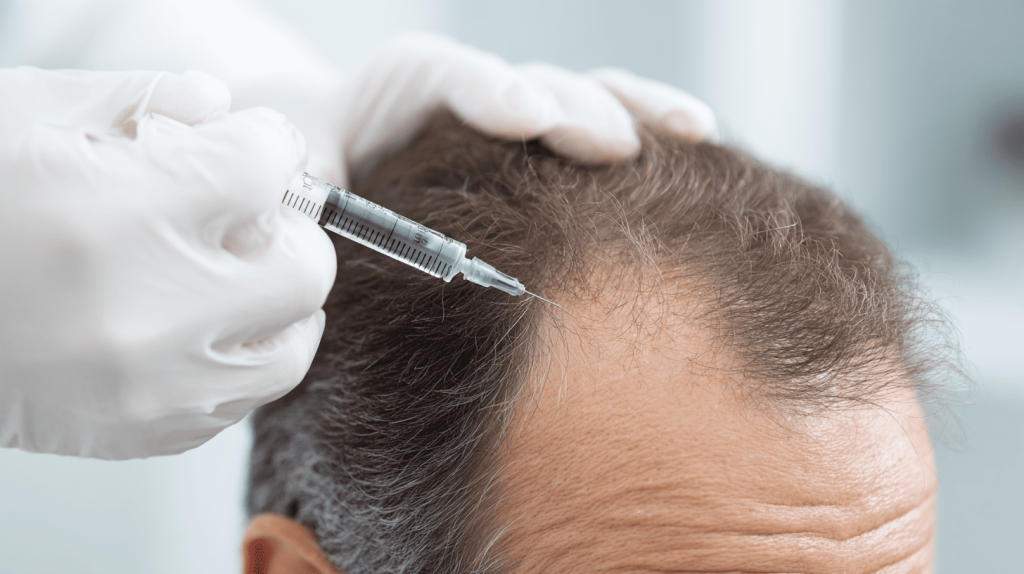
It also isn’t a substitute for proven medical treatments like prescription medications or dermatologist-approved solutions; massage works better as an addition to your routine, not a replacement.
And if hair loss is sudden or severe, with clumps falling out or bald patches appearing quickly, that calls for a doctor, not a massage.
Conditions like thyroid issues, nutrient deficiencies, or scalp infections need proper diagnosis.
Knowing these limits keeps expectations realistic, so a scalp massager stays a helpful habit rather than a promised fix.
Use Scalp Massagers in The Right Way
Getting a scalp massage right isn’t complicated, but a few simple habits make a big difference in results and comfort.
1. Choose the right method
Fingertips or a tool both work well. Fingertips give you full control over pressure, while a tool covers more area and reduces hand fatigue.
2. Apply oil or scalp serum first
Put a small amount directly onto the scalp before massaging, so it absorbs as you work it in. A little goes a long way, and too much can leave hair greasy.
3. Massage your whole scalp
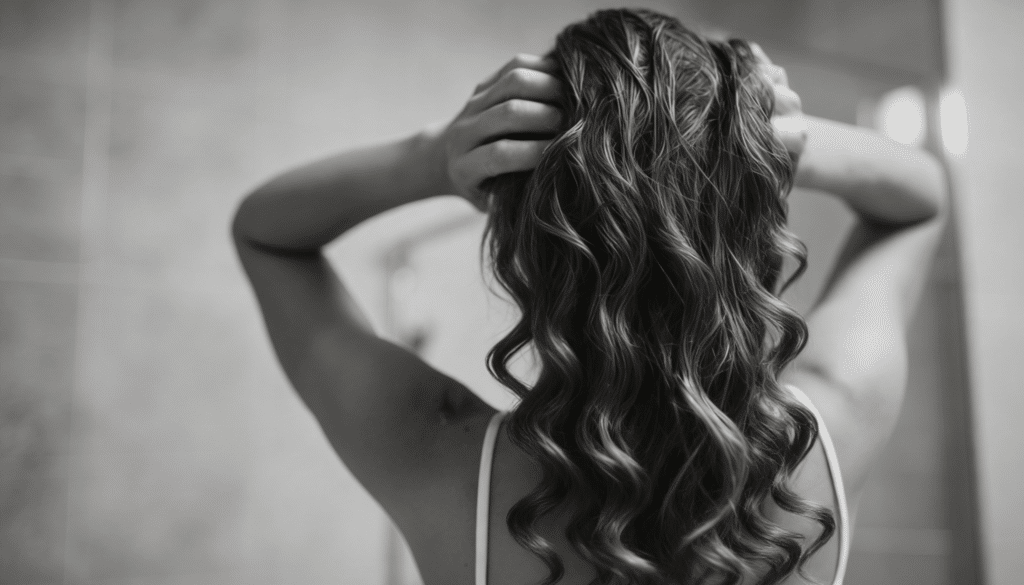
Move section by section instead of rushing through it all at once. Gentle, steady pressure helps you avoid irritation while still getting the full benefit.
4. Keep each session relatively short
A few minutes is usually enough to see benefits over time, so there’s no need to stretch sessions out longer than necessary.
5. Stay consistent
Aim for a daily habit, or three to four times a week if that fits better. Sticking with a routine matters more than the exact time you spend.
Can Scalp Massage Actually Grow Hair?
Yes, scalp massage can help your hair grow. But it won’t turn thin hair into a thick mane overnight. Here’s a breakdown of what the evidence really says, so you know what to expect.
The Evidence Leans Toward Yes
A study published in Eplasty found that men who massaged their scalp for about four minutes daily over 24 weeks saw real, measurable changes: their hair grew visibly thicker by the end of the study period.
This isn’t just a feel-good claim; it’s backed by peer-reviewed research, even if the study size was small.
So if you’ve been wondering whether this trend is worth your time, the evidence leans toward yes. Just don’t expect magic.
Expect steady, small improvement instead. [Source: National Library of Medicine]
Results Vary from Person to Person
Scalp massage works well for most people, but not everyone. If your scalp is healthy, it’s a safe addition to your routine for thinning hair or simple relaxation.
Skip it if you have an infection, an open wound, or high sensitivity until it heals first. Results vary too.
Some notice a difference in weeks; others take months. Genetics or hormonal thinning won’t respond to massage alone. Staying consistent matters more than trying it once and quitting.
Watch for mild side effects like soreness from too much pressure, irritation from dirty hands or rough tools, or greasy buildup from overusing oil.
Keeping pressure light and tools clean avoids most of these.
Red Flags that Mean a Tool Will Snag or Tug
Watch out for stiff, sharp, or unevenly spaced bristles. They often catch hair and pull at strands instead of gliding smoothly.
Cheaply made tools with rough edges can scratch the scalp, so test gently on a small area first.
A good scalp massager should glide easily through hair. If it snags right away, it’s not the right fit.
Final Thoughts
Scalp massager benefits go beyond just a nice head rub. Regular use can support thicker, healthier-looking hair by boosting blood flow and clearing buildup that slows growth.
It also brings perks like stress relief and better sleep.
So, does scalp massage actually help hair growth? The evidence says yes, though it works best when paired with a full routine rather than as a stand-alone fix.
Give it a few consistent minutes a day, and let your scalp show you the results.
Frequently Asked Questions (FAQ’s)
1. Is It Normal for Hair to Shed More Right After a Scalp Massage?
Yes, a little extra shedding is normal. Massage loosens hair that was already ready to fall out naturally.
2. Can Scalp Massage Help with An Itchy or Flaky Scalp?
Yes, it can help. Massage loosens flakes and boosts circulation, which may ease itchiness over time.
3. Should You Massage Your Scalp Before or After Applying Minoxidil?
Massage before applying minoxidil. This first clears the scalp surface, helping the treatment absorb more effectively.
4. Can Men and Women Use the Same Scalp Massage Techniques?
Yes, the technique stays the same. Hair thickness and styling habits may differ, but the method doesn’t change.
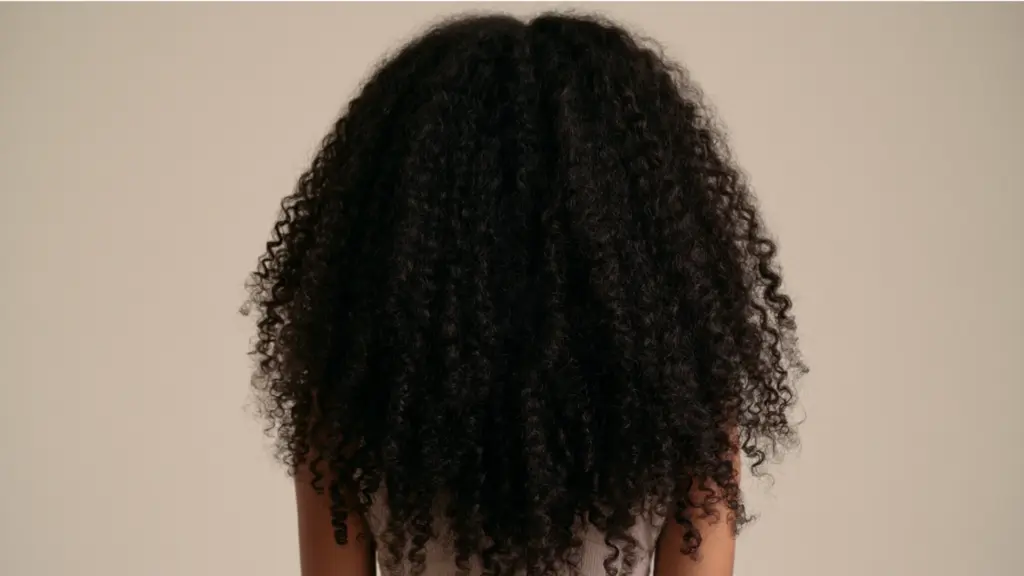
5. Does Scalp Massage Work for Curly or Textured Hair Too?
Yes, it works for all hair types. Curly hair may need gentler pressure and a wider tool.