

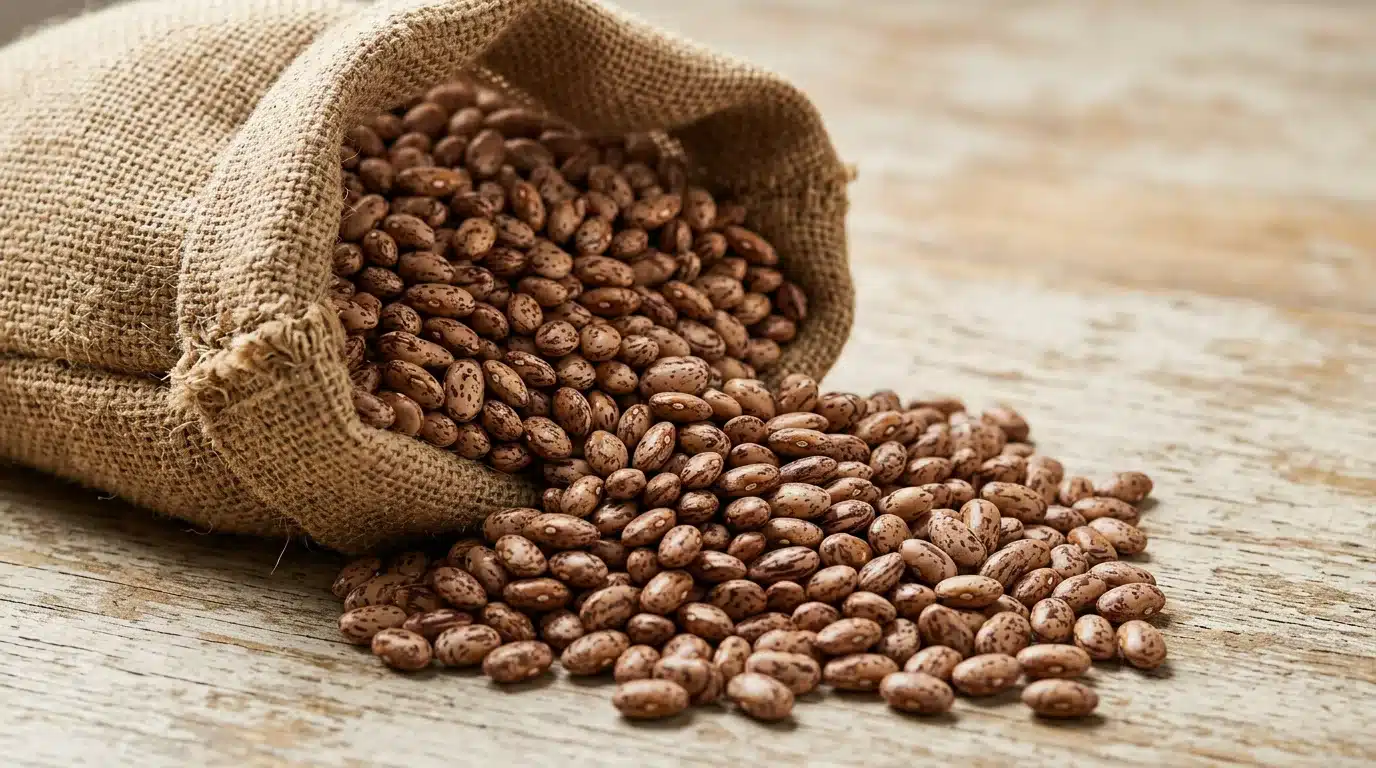
Pinto beans sit quietly in your pantry, easy to overlook.
But, they might be doing more for your body than you think. People grab them for tacos or soups without a second thought. Yet these small, speckled beans pack a surprising amount of nutrition into every serving.
Protein, fiber, vitamins, they bring a lot to the table. They’re cheap, filling, and easy to cook.
So before you reach for that can again, take a moment to see what’s really inside.
This blog gathers the main pinto beans nutrition and benefits, and it deserves a real spot in your weekly meals.
Why Pinto Beans Deserve More Attention than They Get
Pinto beans never really get talked about.
Other food trends get shared and end up in every recipe. Pinto beans just sit on the shelf.
They’re packed with protein, fiber, and key minerals all at a very low cost. They work well for vegetarians, busy families, and anyone trying to eat better without spending more.
Easy to cook, easy to store, and they go with almost any meal.
Harvard’s School of Public Health even lists legumes as a top protein source for long-term health.
Pinto Beans Nutrition Facts
One cup of cooked pinto beans gives your body a lot to work with. Here’s why it actually matters.
| Nutrient | Amount (per 1 cup cooked) | What It Does |
|---|---|---|
| Calories | ~245 | Provides steady energy without overloading |
| Protein | ~15g | Repairs muscles and keeps you feeling full |
| Carbohydrates | ~45g | Fuels your body and brain throughout the day |
| Fiber | ~15g | Supports digestion and controls blood sugar |
| Fat | ~1g | Almost none is great for a low-fat diet |
| Iron | ~3.6mg | Carries oxygen through your blood |
| Folate | ~294mcg | Supports cell growth and brain function |
| Magnesium | ~85mg | Helps muscles and nerves work properly |
| Potassium | ~746mg | Keeps blood pressure in a healthy range |
The fiber slows digestion down.
It keeps your blood sugar steady after a meal and helps you stay full longer. It also keeps your gut moving the way it should. The protein helps your muscles recover after a workout, a long day, or just regular wear and tear.
For anyone not eating meat, that’s a big deal.
The carbs give you steady energy. Not a quick spike. Just fuel that lasts.
All of that from one cup. That’s a solid return for such a simple food.
What Makes Pinto Beans Nutritionally Powerful
Pinto beans do more for your body than most people realize. Here’s a straight look at what they actually deliver.
- High fiber content keeps your gut moving regularly and reduces bloating over time.
- Their low glycemic index of around 39 means slower sugar absorption and fewer energy crashes.
- Regular consumption helps lower bad cholesterol and keeps blood pressure in a healthy range.
- A solid plant-based protein source that supports muscle repair and daily recovery.
- Magnesium and folate contribute to stronger bones and healthier cell function.
- Folate supports healthy brain activity and is especially important during pregnancy.
- Their prebiotic fiber feeds good bacteria in the digestive system, supporting long-term gut health.
- A good non-meat source of iron pairs with vitamin C foods to absorb it better.
No single food fixes everything, but pinto beans come closer than most. Add them regularly, and your body will feel the difference over time.
Pinto Beans VS Other Beans
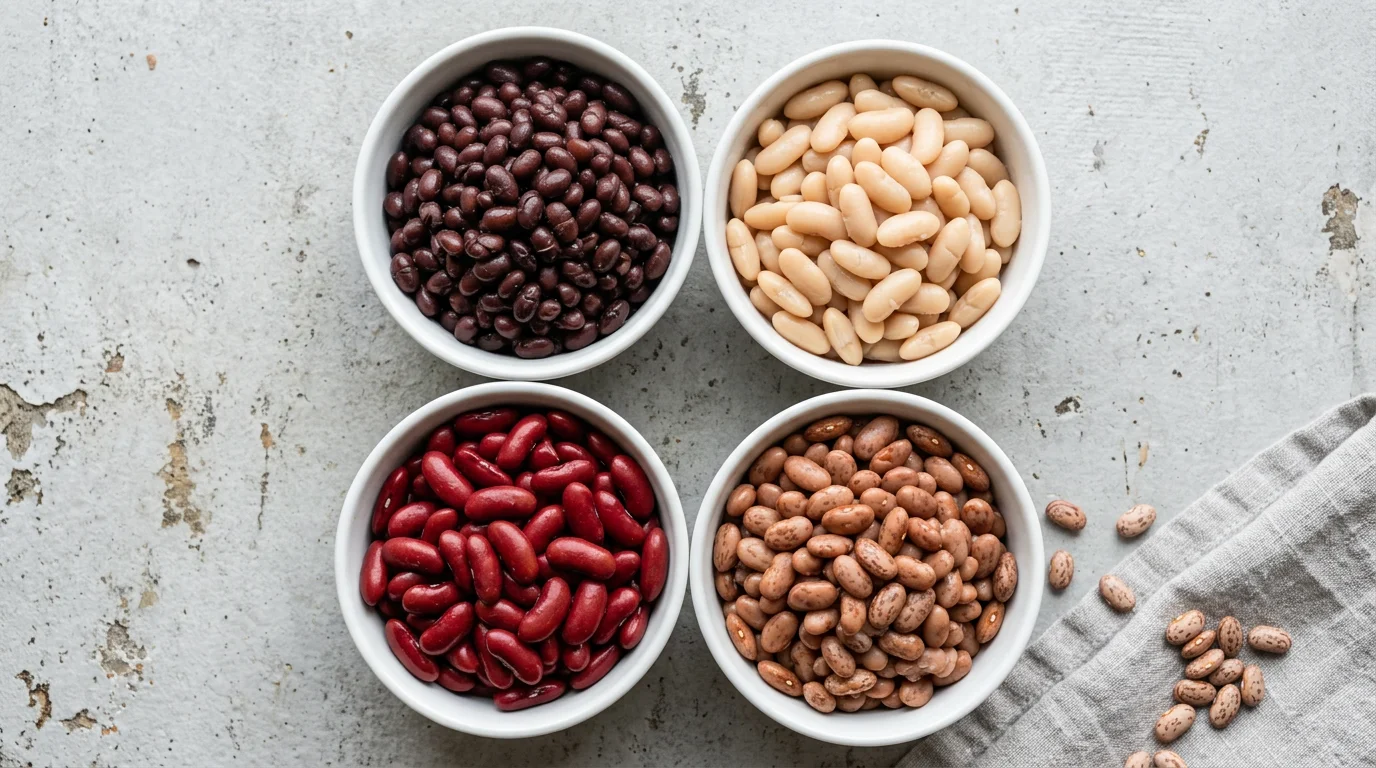
Each type of bean brings something a little different to the table.
Pinto Beans vs Black Beans
Both are high in fiber and protein. Black beans have slightly more protein per cup.
But pinto beans are softer, easier to digest, and work better for people with sensitive stomachs. For everyday meals, pinto beans are the more universal pick.
Pinto Beans vs Kidney Beans
Kidney beans are bigger and hold their shape well in stews and slow-cooked dishes. Pinto beans are creamier and break down faster during cooking.
For quicker meals or mashed preparations, pinto beans are simply easier to work with.
Pinto Beans vs Cannellini Beans
Cannellini beans are mild, white, and popular in Italian cooking.
They’re smooth and work well in soups. But pinto beans bring more fiber to the table and cost less.
For gut health and budget cooking, pinto beans have the clear edge.
Which Bean Wins for What?
| Goal | Best Choice |
|---|---|
| Digestion | Pinto Beans |
| Highest Protein | Black Beans |
| Hearty Stews | Kidney Beans |
| Mild, Creamy Taste | Cannellini Beans |
| Budget Cooking | Pinto Beans |
| Gut Health | Pinto Beans |
Are Pinto Beans Actually Healthy for Everyone?
For most people, yes. Pinto beans are good for the heart, gut, and blood sugar levels.
They work well for vegetarians, budget eaters, and anyone trying to eat more whole foods. That said, people with irritable bowel syndrome may find high-fiber foods harder to tolerate.
People with kidney disease should watch their potassium intake.
Anyone on a low-carb diet may need to limit portions.
For everyone else, pinto beans are a safe, filling, and genuinely nutritious choice.
The Hidden Downsides Most People Ignore
These beans are healthy, but they’re not perfect for everyone. A few things to know before you make them a daily staple.
They Can Cause Gas and Bloating
The fiber and natural sugars in them ferment in the gut.
This can cause gas, bloating, and discomfort, especially if your body isn’t used to high-fiber foods yet.
Some People Are Allergic
Bean allergies are rare but real.
Symptoms can include itching, swelling, or stomach cramps. Anyone with a legume allergy should check with a doctor before regularly adding pinto beans.
They Contain Lectins When Raw
Raw or undercooked pinto beans contain lectins, natural compounds that can upset your stomach.
Always cook them thoroughly. Canned beans are already cooked, so they’re safe to use straight away.
They’re High in Potassium
For most people, potassium is great. But for those with kidney disease or on certain medications, too much potassium can be a problem.
Portion control matters here.
They May Interfere With Iron Absorption
Pinto beans contain phytic acid, which can reduce how well your body absorbs iron.
Pairing them with vitamin C-rich foods helps your body get the most out of every meal.
How to Cook Pinto Beans to Maximize Nutrition
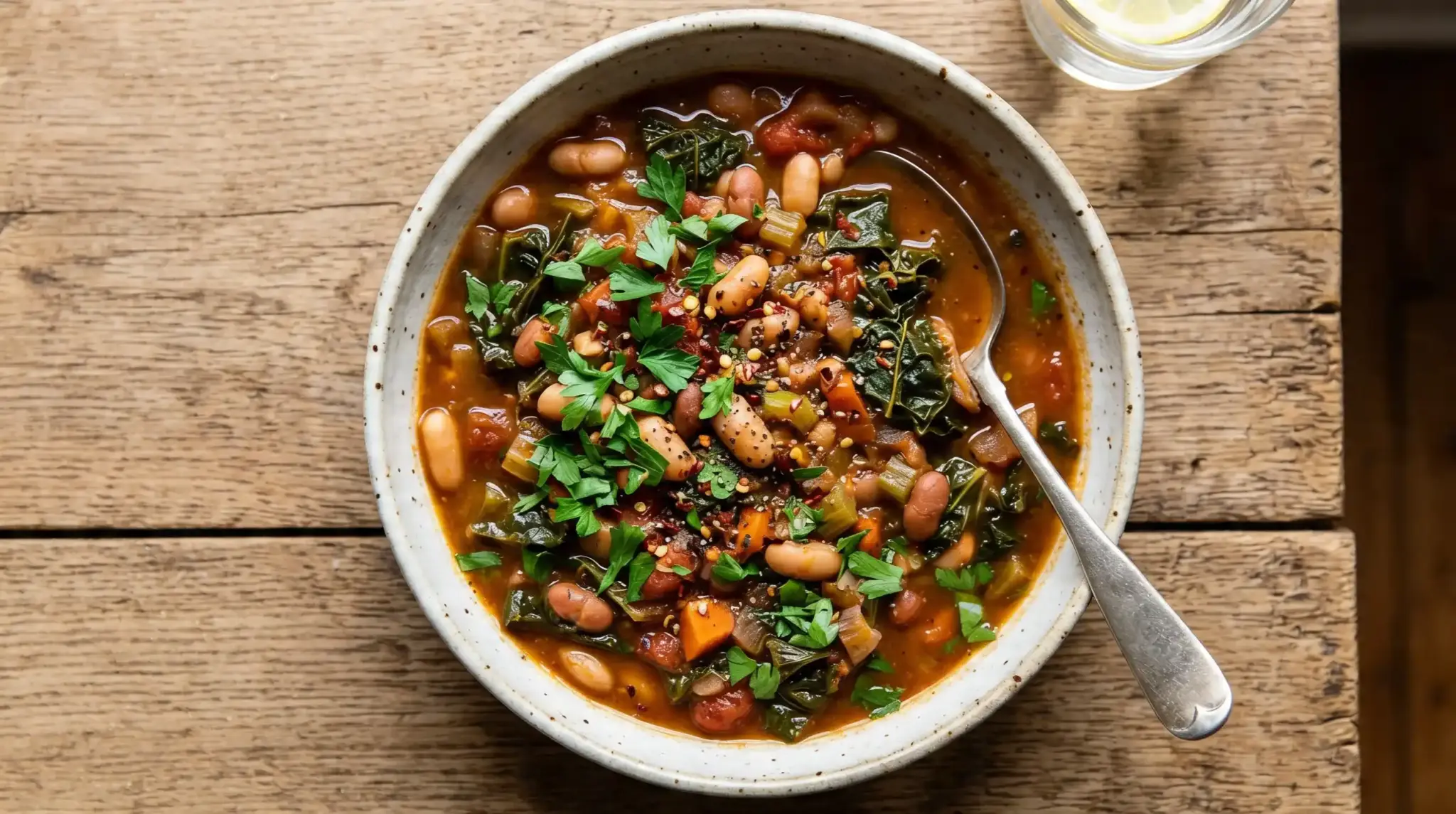
Cooking pinto beans the right way makes a real difference in both taste and the amount of nutrition your body actually absorbs.
Using Dried Pinto Beans
- Sort through the beans and remove any small stones or shriveled ones.
- Rinse them well under cold running water.
- Soak them in water overnight. This reduces cooking time and gas use.
- Drain and rinse again before cooking.
- Add fresh water and bring to a boil, then reduce to a simmer.
- Cook for 1.5 to 2 hours until soft and tender.
- Add salt only at the end, adding it too early toughens the beans.
Using Canned Pinto Beans
- Drain the liquid from the can completely.
- Rinse under cold water to reduce sodium by up to 40%.
- Heat gently on the stove, avoiding overcooking to preserve nutrients.
- Add directly to soups, salads, or rice dishes.
Quick Tips to Keep the Nutrition Intact
- Avoid cooking at very high heat for long periods, as it breaks down heat-sensitive vitamins.
- Pair with vitamin C-rich foods, such as tomatoes or bell peppers, to boost iron absorption.
- Don’t throw out the cooking liquid if making soups; it holds nutrients, too.
The Right Way to Add Pinto Beans to Your Diet
Start small. If your body isn’t used to high-fiber foods, jumping straight to a full cup can cause bloating.
Begin with half a cup a few times a week.
Then slowly increase from there. Add them to soups, salads, rice dishes, or wraps. They work well as a meat substitute, too. Canned beans make it easy on busy days.
Dried beans are cheaper and just as good when you have the time.
A Simple 3-Day Pinto Beans Meal Plan
Not sure how to fit pinto beans into your week?
Here’s a simple starting point, no complicated recipes, just practical meals that work.
| Breakfast | Lunch | Dinner | |
|---|---|---|---|
| Day 1 | Veggie omelet with pinto beans on the side | Pinto bean and vegetable soup with whole-grain bread | Rice and pinto beans with grilled chicken or tofu |
| Day 2 | Avocado toast with seasoned pinto beans on top | Pinto bean salad with cucumber, tomato, and lemon dressing | Pinto bean tacos with shredded cabbage and salsa |
| Day 3 | Breakfast burrito filled with pinto beans and eggs | Pinto bean and brown rice bowl with roasted vegetables | Lentil and pinto bean stew with warm flatbread |
Fresh vs Canned Pinto Beans: What’s Better?
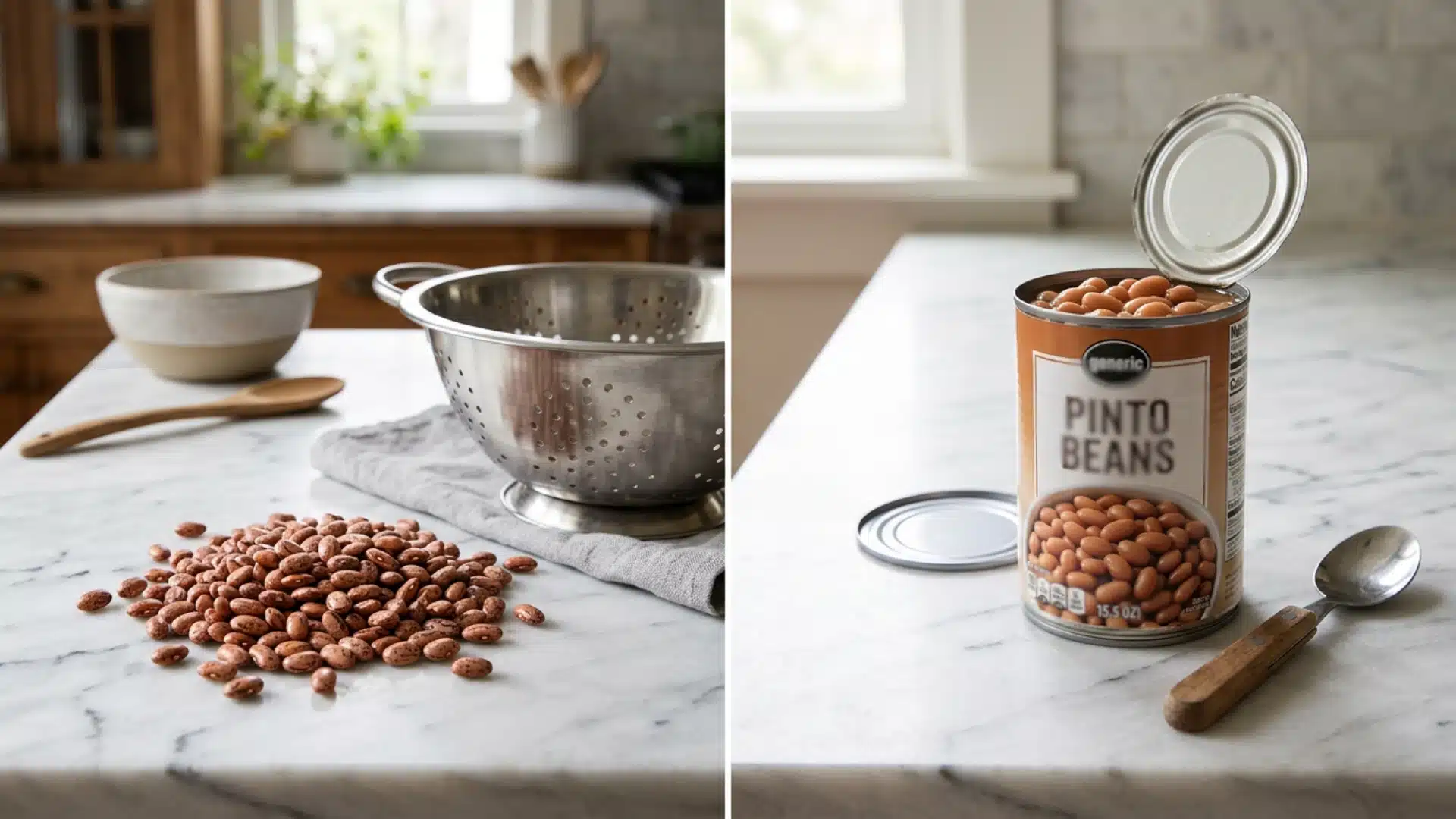
Dried pinto beans are cheaper and let you control sodium levels.
They take longer to prepare but hold their texture well. Canned beans save time and work great for quick meals. The nutritional difference is small; canned beans just tend to have more sodium.
A quick rinse under cold water fixes most of that.
So neither is a bad choice. It really comes down to how much time you have on a given day.
What Nutrition Experts Say About Pinto Beans
Nutrition experts consistently point to legumes as one of the most underrated food groups.
Pinto beans, in particular, come up often in conversations about affordable, whole-food nutrition.
- Dietitians recommend them as a reliable plant-based protein source for vegetarians and vegans.
- Heart health specialists point to their fiber content as a natural way to support healthy cholesterol levels.
- Diabetes educators often suggest pinto beans as a smart carbohydrate choice due to their low glycemic index.
- Gut health researchers highlight their prebiotic fiber, which feeds good bacteria in the digestive system.
The general agreement is that eating beans regularly is good for long-term health.
Final Thoughts
Pinto beans are simple, affordable, and genuinely good for your body.
They support digestion, help control blood sugar, feed your muscles, and keep your heart healthy, all from one humble ingredient. You don’t need a complicated diet plan to benefit from them.
Just start adding them to meals you already cook. A few times a week is enough to make a difference.
Small, consistent changes are what actually stick. So next time you’re at the store, grab a can or a bag.
Frequently Asked Questions (FAQ’s)
1. Are Pinto Beans a Good Source of Protein?
Yes, one cup delivers around 15 grams of solid plant-based protein.
2. Can I Eat Pinto Beans Every Day?
Yes, in moderate portions, they are safe and beneficial for most people.
3. Are Canned Pinto Beans as Nutritious as Dried Ones?
Yes, just rinse them well to significantly reduce the sodium content.
4. Do Pinto Beans Help with Weight Loss?
Yes, their fiber and protein keep you full and naturally reduce overeating.
5. Are Pinto Beans Safe for Diabetics?
Yes, their low glycemic index makes them a smart choice for blood sugar control.