
Ever wondered why your hair doesn’t quite fit the typical “straight” or “wavy” categories? You’re not alone.
The hair typing system helps us navigate different hair types, and two that often get confused are 1C and 2A. While 1C sits at the edge of straight hair with just a hint of wave, 2A marks the beginning of truly wavy territory.
These types of wavy hair might look similar at first glance, but they have distinct characteristics that affect how you should care for and style them.
Understanding these differences can change your hair routine and help you embrace your natural texture.
Quick Comparison Table of 1C vs 2A Hair
| Feature | 1C Hair | 2A Hair |
|---|---|---|
| Pattern | Straight with slight bends | Loose S-shaped waves |
| Texture | Medium to coarse | Fine to medium |
| Volume | Full from mid-length down | Flat at the roots |
| Oiliness | Oily roots, dry ends | Oil spreads evenly; it can go limp |
| Frizz | Puffy, especially at the ends | Wave loss or flattening |
| Porosity | Moderate to high | Low to normal |
| Styling | Resists curls and flat styles | Easily styled; needs light products |
What is 1C Hair?
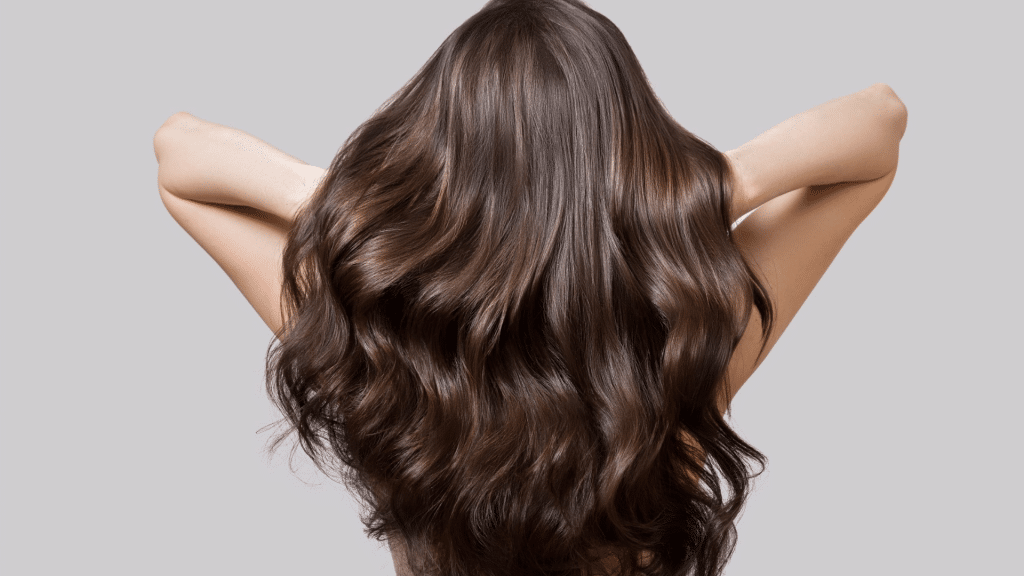
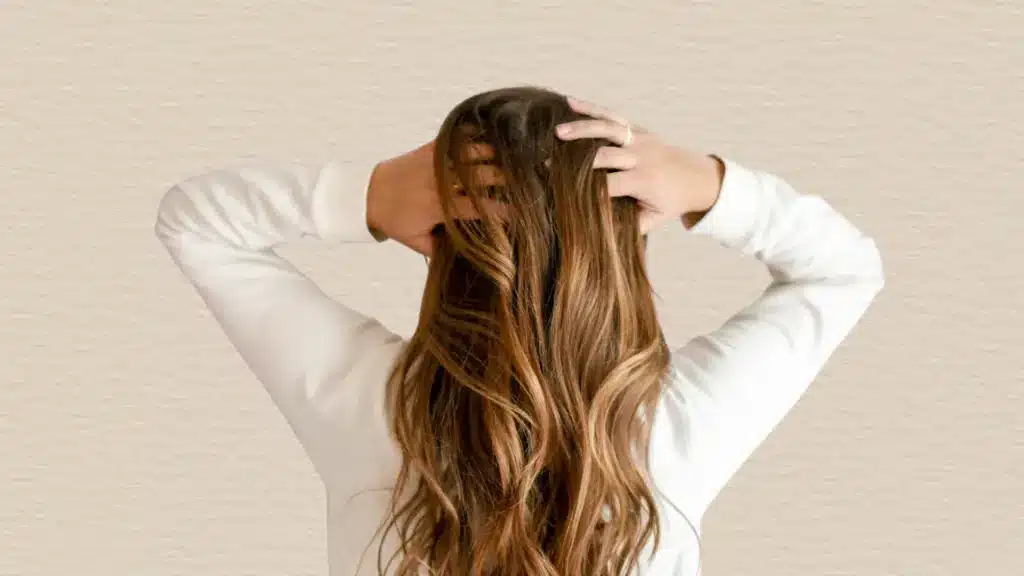
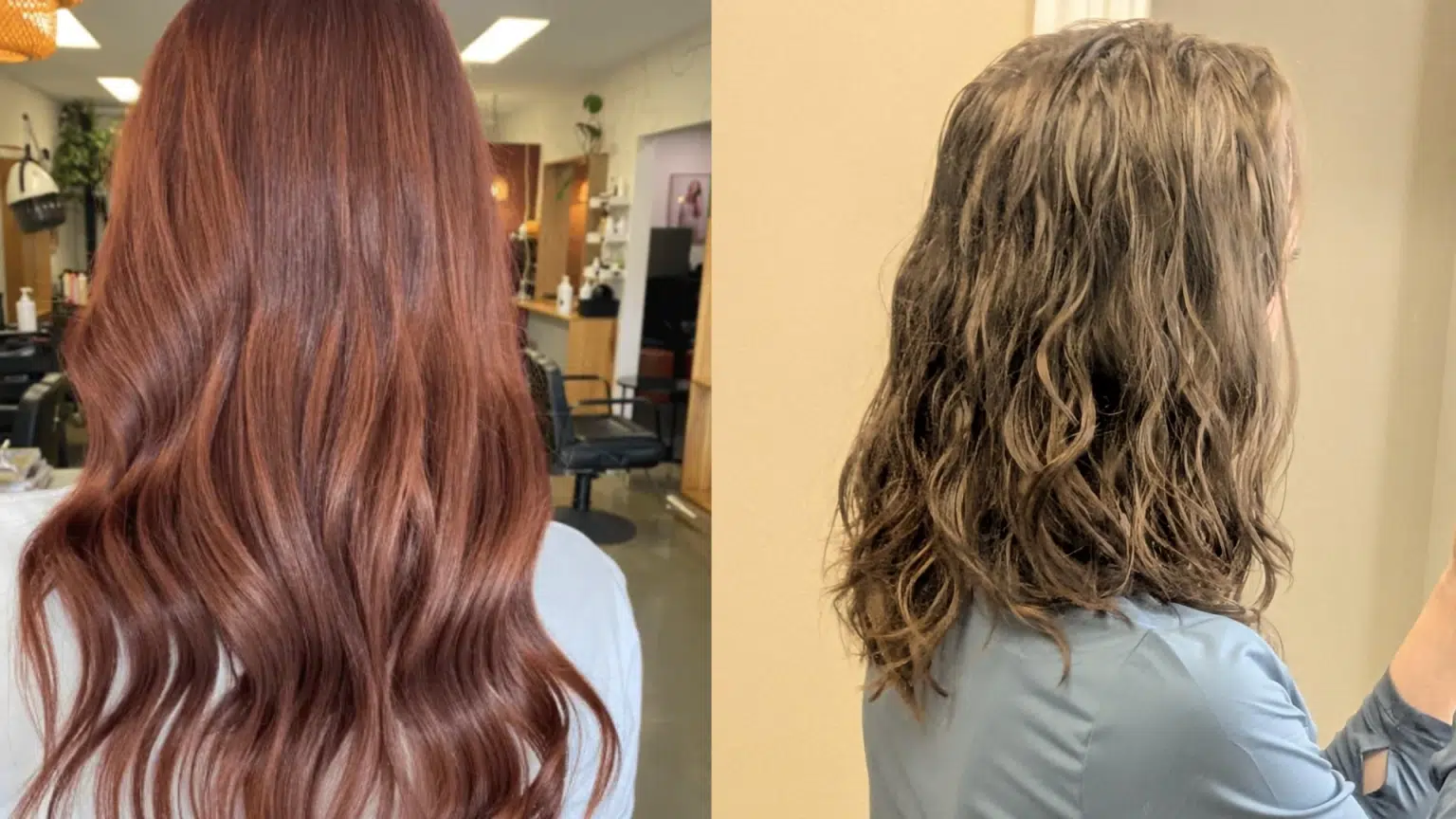
Type 1C hair is the straightest hair type that edges right up to the wavy spectrum, featuring subtle bends or gentle “S” curves that are most pronounced from the mid-length to the ends.
Visually, it gives a tousled, fuller, and thicker look than other straight types (1A or 1B), with body and movement but no clearly defined waves. This unique combination often leads to confusion; many people mistake 1C for either very straight hair (1B) or faintly wavy hair (2A).
The most common misconception is that 1C is just straight hair, but in reality, it hides soft movement and sometimes seems wavy after washing or air drying.
What is 2A Hair?
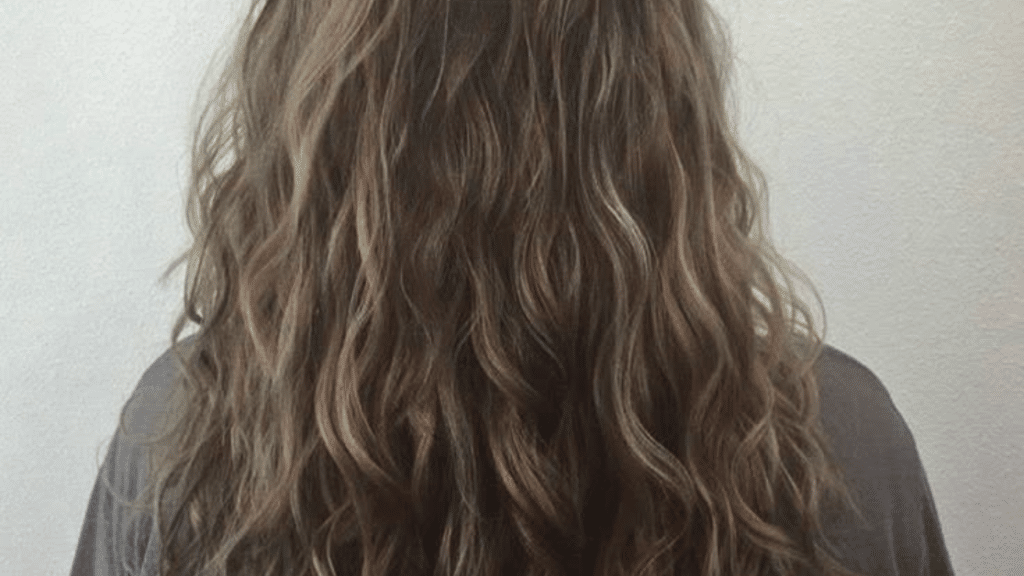
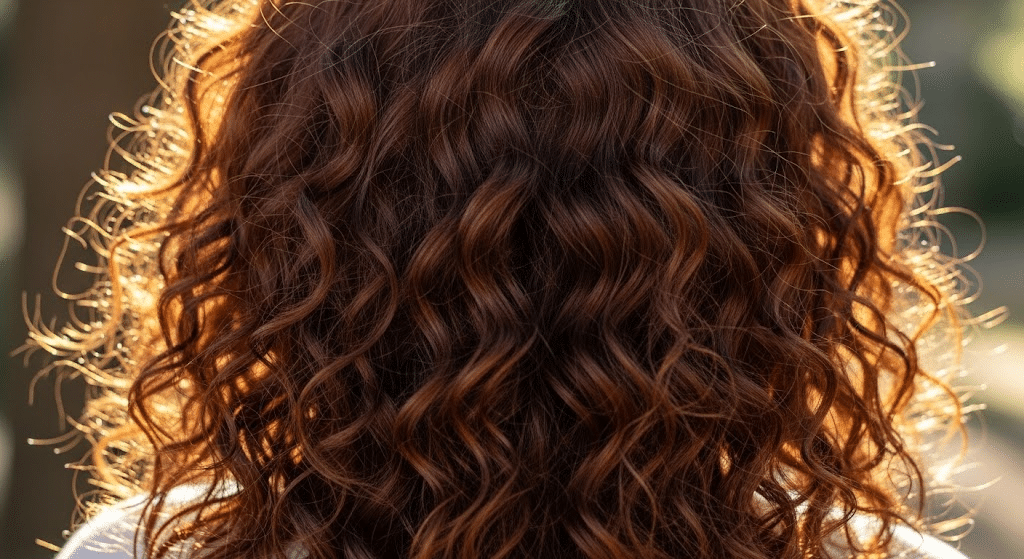
2A hair marks the beginning of the wavy hair category on the widely used hair-typing scale. It has a distinctive, soft “S” wave shape that typically starts from the mid-lengths down to the ends, while the roots remain quite flat.
Visually, 2A hair often looks loose, tousled, and effortlessly textured; frequently described as “beachy waves.” The waves are more understated than other wavy types, lacking strong definition or uniformity.
This makes 2A hair easy to brush straight or style wavy, depending on your routine.
1C vs 2A Hair: Key Characteristics
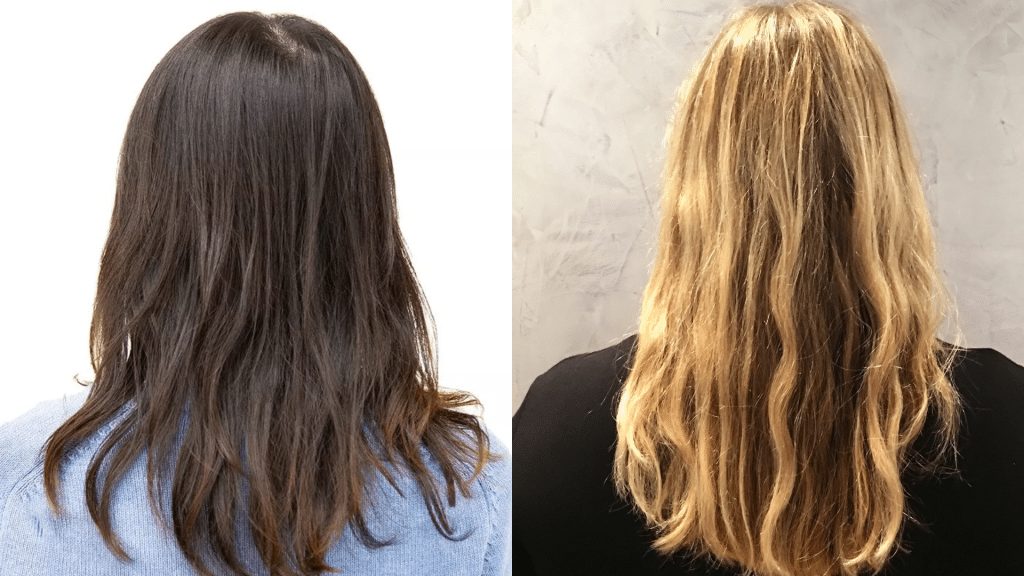
Find the distinct traits that set 1C and 2A hair apart, from texture and volume to oiliness and curl pattern. Understand how these key differences influence hair care and styling for each unique hair type.
Texture & Curl‑pattern
The most defining characteristic that separates 1C from 2A hair lies in the texture and curl pattern; how the hair looks and behaves in its natural, product-free state.
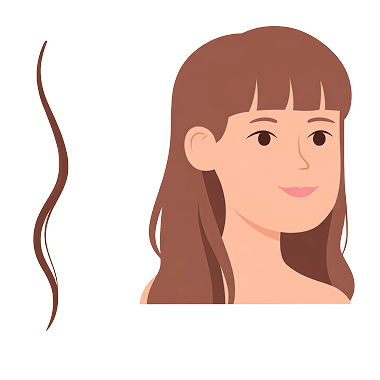
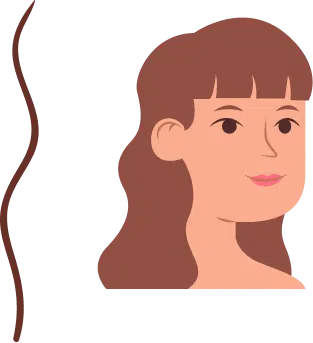
1C Hair: Straight with Gentle Irregular Bends
1C hair is mostly straight, but with subtle bends or kinks that usually appear from the mid-shaft down. These bends are not uniform, and they don’t follow a full S-pattern, which makes them distinct from true wavy textures.
The texture tends to be medium to coarse, which gives the strands body and resistance to styling. Because there’s no consistent wave shape, this texture can be frustrating; it looks “not quite straight,” yet doesn’t curl either.
2A Hair: Defined Loose S-Waves
In contrast, 2A hair is the beginning of the wavy category, and it shows consistent, loose S-shaped waves from mid-length to ends. These waves are soft, pliable, and can be straightened easily depending on the styling approach.
2A strands are generally finer in texture than 1C, making them more responsive to curl-defining or volumizing products. It typically lies flatter at the roots and then gently curves outward in flowing S-shapes.
Volume, Body & Oiliness
Beyond texture and curl pattern, the overall look and feel of your hair, especially its volume, strand density, and oil behavior, can give valuable clues about whether you’re dealing with 1C or 2A hair.
| Aspect | 1C Hair | 2A Hair |
|---|---|---|
| Appearance | Naturally full and voluminous | Flat, lies close to the scalp |
| Strand Thickness | Thicker, coarser strands | Finer, lower-density strands |
| Oil Distribution | Oil struggles to travel down the shaft | Oil glides down easily |
| Root Issues | Greasy roots within 1-2 days | Shows oiliness quickly |
| End Condition | Ends stay dry or frizzy | Less prone to dry ends |
| Volume | Bulky feel, natural fullness | Needs volumizing products |
| Cuticle Structure | Tighter cuticle layer | Smoother cuticle layer |
Porosity, Frizz & Moisture Behaviour
Understanding porosity, how well your hair absorbs and retains moisture, is crucial for managing frizz, hydration, and overall hair health.
1C Hair: Coarse Strands with High Porosity and Frizz Risk
- Porosity Level: Moderate to high porosity due to coarser strand structure.
- Moisture Retention: Struggles to lock in moisture once it enters the hair shaft.
- Frizz Behavior: Highly frizz-prone, especially in humid weather conditions.
- Product Response: Heavy products cause buildup, making hair greasy and lifeless.
- Care Challenge: Needs moisture to smooth cuticles, but can’t handle heavy formulas.
2A Hair: Low Porosity with Subtle Frizz and Moisture Slippage
- Porosity Level: Low to normal porosity with finer, smoother strands.
- Humidity Response: Better at repelling excess humidity than 1C hair types.
- Moisture Absorption: Takes in light hydration easily but doesn’t retain it well.
- Frizz Pattern: Shows frizz as loss of wave shape rather than volume puff.
- Care Needs: Requires lightweight products that won’t weigh down fine strands.
Scientific Explanation: Under the Microscope
The scientific differences between 1C and 2A hair types can be understood by looking at the role of the hair follicle shape, cuticle layers, and microscopic hair structure, such as cortex and protein arrangement:
Follicle Shape and Hair Fiber Formation
Your hair follicle shape directly determines your strand pattern. 1C hair comes from mostly round follicles with slight irregularities, creating gentle arcs instead of true waves. 2A hair grows from more oval follicles, which naturally curve the hair cortex and produce soft S-shaped waves.
Cuticle Layers and Surface Texture
The cuticle is your hair’s outer protective layer. 1C hair has a thicker, rougher cuticle that gives more volume but increases frizz. 2A hair features a smoother cuticle surface, making it lightweight but easily weighed down by products.
Cortex and Protein Structure
1C hair has a thicker, denser cortex that creates a coarse texture and holds gentle bends without forming defined waves. 2A hair has a thinner cortex with fewer protein cross-links, making strands more pliable but causing waves to flatten easily.
Oil Distribution Patterns
1C’s rougher cuticle causes oil to accumulate near roots, leading to faster greasiness there. 2A’s smooth cuticle lets oil spread quickly down fine strands, creating overall scalp oiliness but a lighter feel through the lengths.
Hair Care Tips for 1C and 2A Hair
Proper care can bring out the best in your hair texture, whether you’re dealing with subtle bends or soft waves. Here’s how to treat 1C and 2A hair for optimal results.
- Use clarifying shampoos 1-2 times per week to remove oil buildup, but follow with a lightweight conditioner to prevent overdrying.
- Apply texturizing sprays to damp hair to enhance those natural bends and add definition without heaviness.
- Avoid heavy oils and creams near the roots – instead, focus conditioning treatments on mid-lengths to ends only.
- Incorporate sea salt sprays or curl-enhancing creams to define waves – apply to soaking wet hair for best results
- Sleep on silk pillowcases or use a silk scrunchie to prevent wave disruption and reduce friction damage overnight.
Wrapping It Up
Now that you understand the science and styling differences between 1C and 2A hair, you’re equipped to make better choices for your unique texture.
1C thrives with oil control and lightweight enhancement, while 2A needs gentle volume without the weight.
The key isn’t fighting your natural pattern – it’s working with what you’ve got. If you’re dealing with stubborn bends or delicate waves, the right approach makes all the difference. Your hair type isn’t a limitation; it’s a roadmap to healthier, happier styling.
Embrace those quirks and watch your confidence grow along with your hair knowledge.