
You wash your hair. You follow every tip you know. Your hair still feels dry, frizzy, or just off. Sound familiar?
Most people skip one basic step. They never check their hair porosity. That one oversight can make all the difference. It can also define why hair curls and flips at the ends even after a fresh wash day.
Why do some products sit on your hair like a coat of paint? Why does moisture never seem to stay?
Why your wash days feel like a waste of time. In this blog, you will learn how to test your hair porosity at home.
And know everything through the best ways to treat both high and low-porosity hair.
What is Hair Porosity?
Hair porosity is simply how well your hair absorbs and holds moisture.
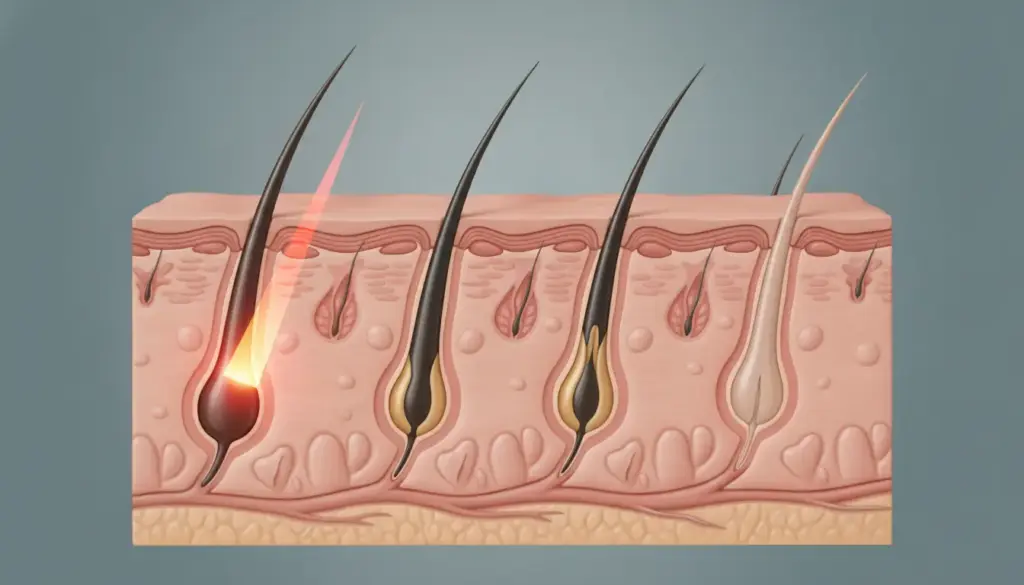
Consider each strand as a tube covered in tiny flaps, called cuticles. When those flaps lie flat, moisture struggles to get in. When they’re wide open, moisture gets in fast but escapes just as quickly.
This matters more than you think.
It affects how your hair soaks up water, how well products actually work, and even how long your hair takes to dry.
So what decides your porosity level? A big part comes down to genetics.
But heat styling, chemical treatments, and even the weather can all shift things over time.
Low vs High vs Medium Porosity Hair: Key Differences
| Feature | Low Porosity | Medium Porosity | High Porosity |
|---|---|---|---|
| Water Absorption | Slow | Moderate | Fast |
| Product Behavior | Sits on hair | Absorbs well | Absorbs too fast |
| Drying Time | Takes long | Dries normally | Dries very fast |
| Frizz | Less frizz | Minimal frizz | More frizz |
| Breakage | Less prone | Least prone | Most prone |
What Does Low Porosity Mean?
Alt text: A woman lifting her hair, reflecting on the concept of low porosity in hair health
Low-porosity hair has tightly closed cuticles that make it hard for moisture to penetrate.
Key Characteristics of Low Porosity Hair:
- Water beads up on the hair
- Products build up easily
- Takes a long time to get fully wet
- Slow to dry
- Feels healthy but lacks moisture inside
Common Struggles
Product buildup is the biggest issue. Since the cuticles stay shut, products just sit on top.
Your hair may look fine, but feel dry underneath. Getting enough moisture in takes real effort. Lightweight products work better here. Heavy creams and butters tend to make buildup worse.
Heat or steam helps open the cuticles a little, so deep conditioning with a heat cap can actually make a difference.
Without that extra step, moisture rarely gets where it needs to go.
What is High Porosity?

High-porosity hair has open or damaged cuticles that quickly absorb moisture but can’t hold it in.
Key Characteristics of High Porosity Hair
- Absorbs water very quickly
- Dries faster than normal
- Feels rough or tangled often
- Prone to frizz in humidity
- Breaks more easily
Common Problems
Keeping moisture in is the real challenge. Your hair drinks it up fast but loses it just as quickly. Frizz and dryness often show up, especially in humid weather.
High porosity hair also tends to feel brittle and can break with too much handling or heat.
Protein treatments can help fill in the gaps in the cuticle. But overdoing it leads to stiffness and more breakage.
Many people with high-porosity hair constantly seek the right balance between moisture and protein.
How to Test Hair Porosity at Home
You don’t need a salon visit to figure out your hair porosity. Try one of these simple tests at home.
The Float Test
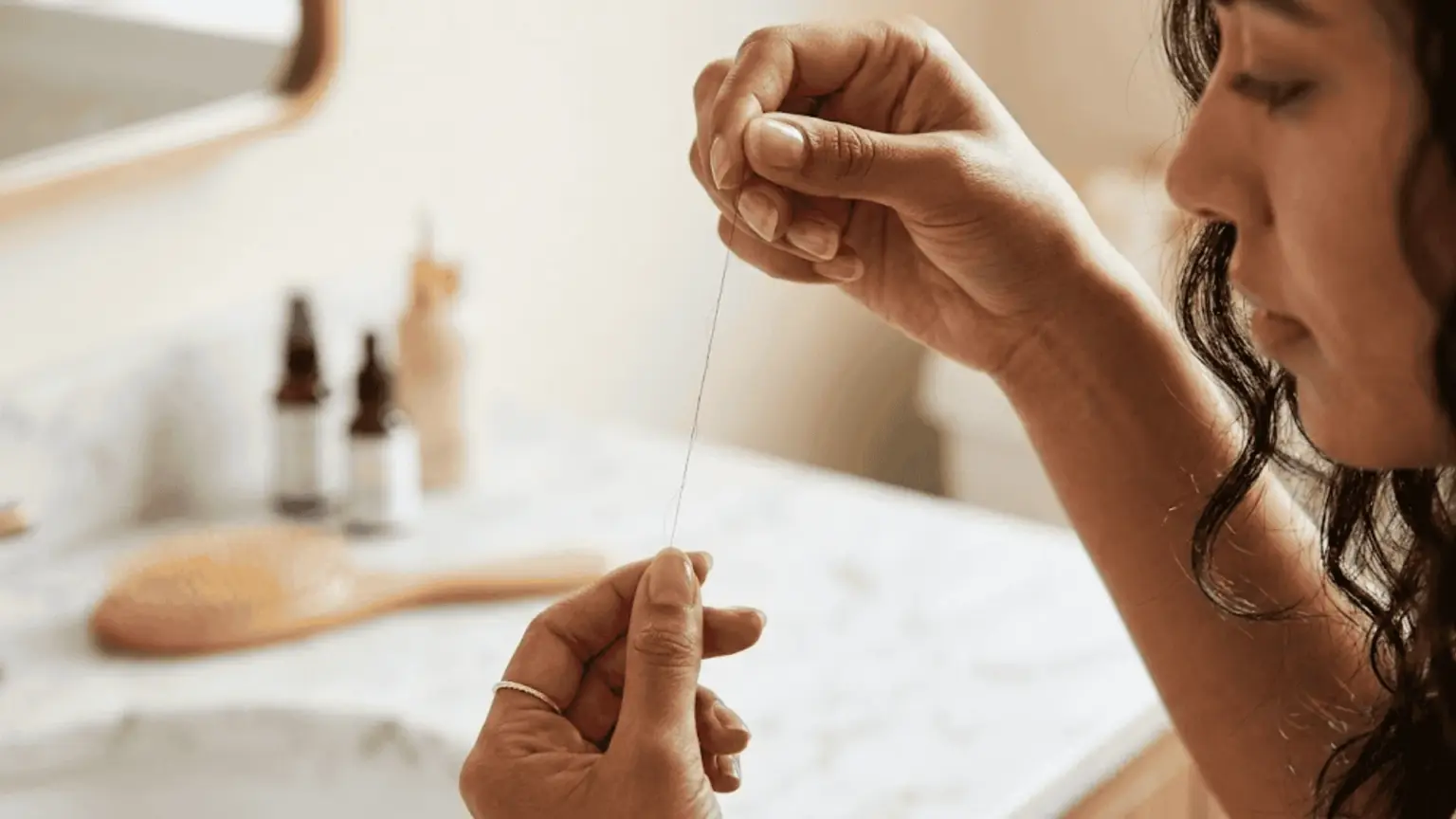
Drop a clean strand of hair into a glass of water. Watch what happens over two to four minutes.
If it floats, you likely have low porosity hair. If it sinks slowly, you’re in the medium range. If it sinks fast, your hair is probably high porosity.
Make sure the strand is clean for accurate results.
The Slip and Slide Test
Take a single strand and slide your fingers up toward the root.
If it feels smooth, your cuticles are tight, that’s low porosity.
If it feels bumpy or rough, your cuticles are raised that points to high porosity. It’s quick, easy, and needs no tools at all.
The Spray Bottle Test
Spray a small section of dry hair with water. Watch how fast it absorbs. If water sits on top and takes time to soak in, you have low porosity.
If it absorbs almost instantly, your hair has high porosity. Medium porosity hair will fall somewhere in between.
How to Treat Porosity Hair at Home
Treating your hair at home doesn’t have to be complicated. Here’s what actually works for each porosity type.
Low Porosity Hair Treatment
- Using steam or a heat cap opens cuticles so moisture gets in properly.
- Go for lightweight oils, jojoba, and argan oil, which absorb without buildup.
- Clarifying every two weeks removes product buildup sitting on the hair.
- Applying products to damp hair helps ingredients absorb more effectively.
- Avoid protein overload. Low porosity hair doesn’t need much protein.
High Porosity Hair Treatment
- Protein treatments strengthen and fill gaps in the cuticle, and knowing your porosity is key to an effective edge control routine.
- Use thick, creamy conditioners to seal and soften dry, brittle strands.
- Rinse with cold water to help close the cuticle after washing.
- Layer your products, always moisturize first, then seal with oil.
- Limiting heat styling reduces further cuticle damage over time.
Can You Have Mixed Porosity?
Yes, and it’s more common than you’d think. Different sections of your hair can have different porosity levels.
Your ends, for example, may be high in porosity due to heat or color damage.
But your roots stay closer to low porosity. This makes product application tricky. What works for one section may not work for another.
Focusing moisture on your ends and keeping roots light usually helps.
Can Porosity Change Over Time?
It can, and it often does. Your hair doesn’t stay the same forever. Regular heat styling, coloring, or chemical treatments can open up the cuticle over time. Even sun exposure and hard water play a role.
Genetics sets your baseline, but your habits shape things going forward.
If you’ve noticed your hair behaving differently than it used to, a change in porosity could be the reason.
Hair Care Products to Control Porosity
| Product Type | Low Porosity | High Porosity |
|---|---|---|
| Shampoo | Clarifying shampoo | Moisturizing shampoo |
| Conditioner | Light, liquid conditioner | Heavy, creamy conditioner |
| Deep Conditioner | Heat-activated mask | Protein-based mask |
| Leave-in | Water-based leave-in | Creamy leave-in |
| Sealant | Light oil (argan, jojoba) | Heavy oil (castor, coconut) |
| Styling Product | Light mousse or gel | Butter or cream styler |
Wrapping It Up
Knowing your hair porosity changes how you care for it.
You stop guessing and start making choices that actually work. Low-porosity hair needs help retaining moisture. High porosity hair needs help keeping its moisture there.
The tests are simple. The fixes are straightforward. The results are consistent over time.
Start with one change, whether that’s switching your conditioner or trying a steam treatment.
Frequently Asked Questions (FAQ’s)
1. Is Olaplex Good for High Porosity Hair?
Yes, Olaplex helps repair broken bonds and restore strength to high porosity hair.
2. What L’oréal Shampoo is Best for High Porosity Hair?
L’Oréal Elvive Hyaluron Plump Shampoo works well for dry, high-porosity hair.
3. Which is the Best Conditioner for High Porosity Hair?
A thick, protein-rich conditioner helps seal moisture into high porosity hair effectively.
4. What Vitamins are Good for High Porosity Hair?
Biotin, Vitamin E, and Vitamin D support stronger, healthier, more moisturized hair.
5. What Deficiency Caused Hair Porosity?
Low iron, zinc, and Vitamin D levels can weaken hair and raise porosity.