
Bad hair days happen to all of us. One day your hair feels dry; the next it looks dull and lifeless.
You try product after product, but nothing seems to work for long.
Your hair might just need something simpler. A homemade hair mask made with everyday ingredients can do wonders.
Stick around and I will show you the best ones for every hair type.
What is a Homemade Hair Mask and How Does it Help?
A homemade hair mask is a simple mixture of natural ingredients applied to your hair and scalp.
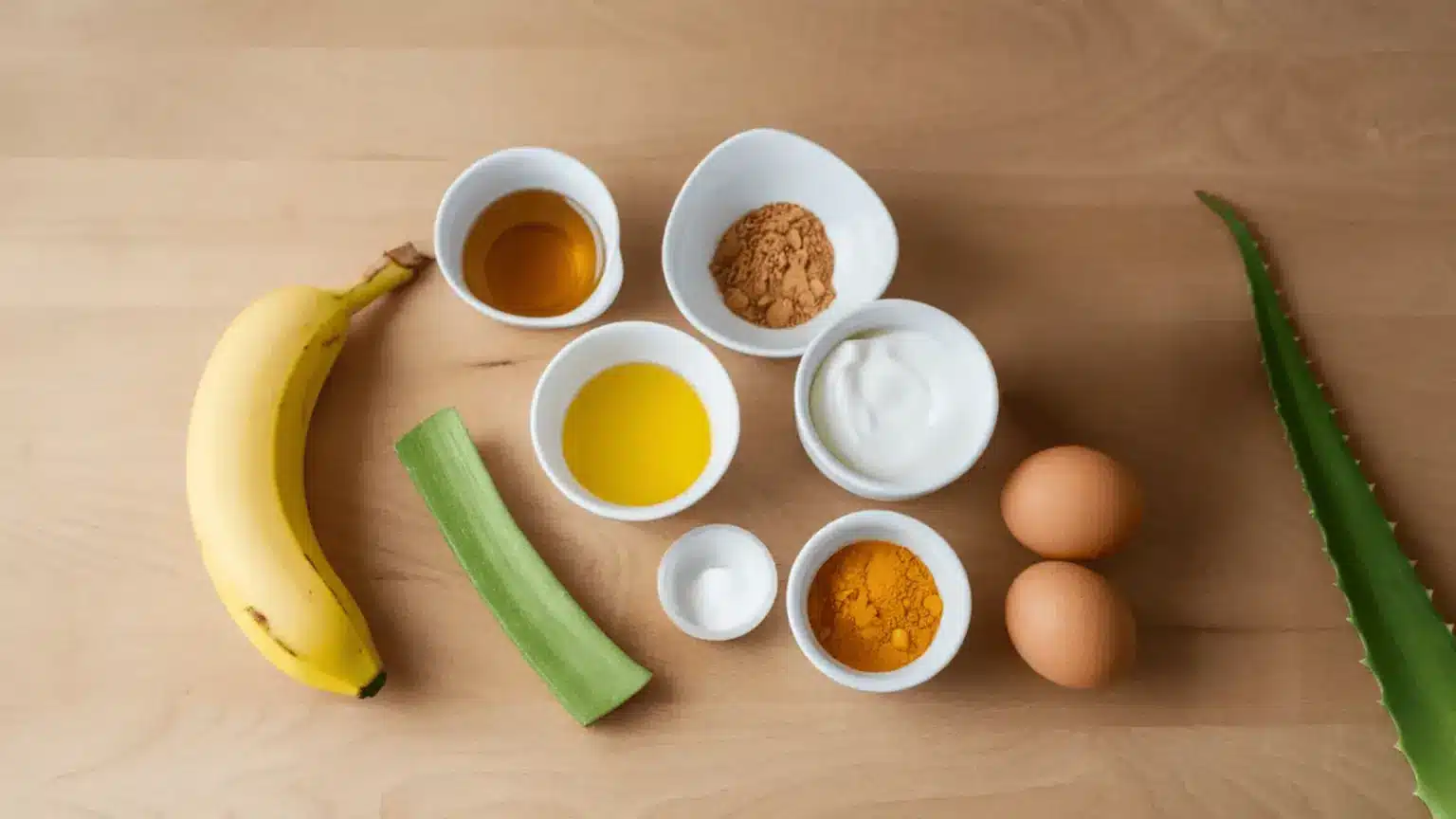
You make it using things already in your kitchen, like eggs, yogurt, honey, or oils.
These masks work by giving your hair what it is missing. Some add moisture. Some strengthen the hair shaft. Some calm an irritated scalp.
Here is something useful to know:
- Hair is made mostly of a protein called keratin
- When hair loses moisture or protein, it becomes weak and dull
- Natural ingredients like eggs, yogurt, and oils help restore that balance
One thing many people get wrong is expecting results after just one use. Your hair responds to consistency.
Using a mask once a week for a few weeks will show far better results than one heavy application.
Homemade Hair Mask for Different Hair Needs
Different hair types need different care. Here are five simple recipes based on common hair concerns.
1. For Dry and Frizzy Hair: Banana, Honey, and Coconut Oil
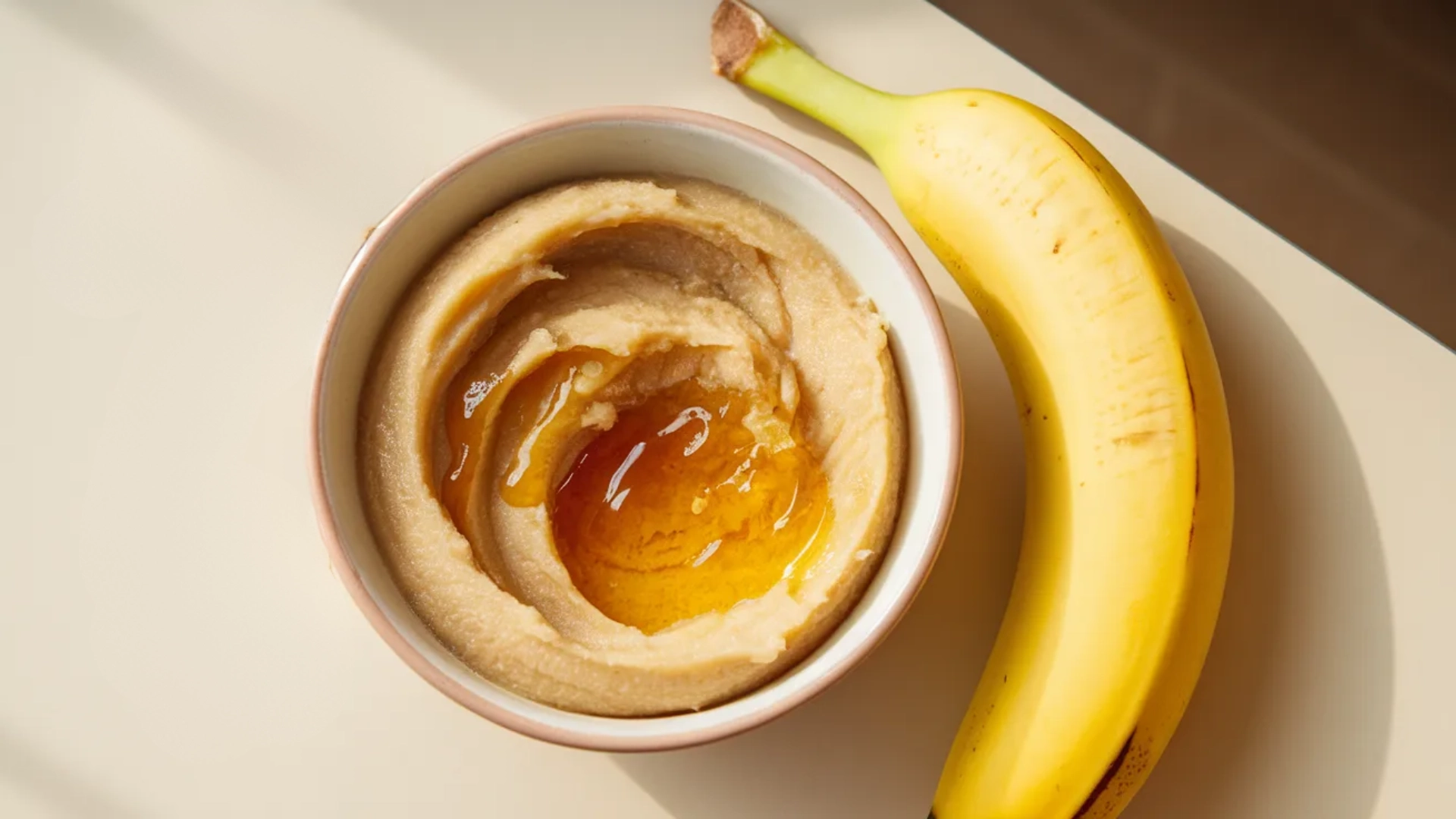
Ingredients:
- 1 ripe banana
- 1 tablespoon honey
- 1 tablespoon coconut oil
How to make it:
Mash the banana until smooth. Mix in honey and coconut oil. Apply from roots to ends and leave for 25 to 30 minutes. Rinse with lukewarm water.
Look for: Make sure the banana is fully mashed. Chunks left in the hair are hard to rinse out.
2. For Oily Scalp: Multani Mitti, Lemon, and Yogurt
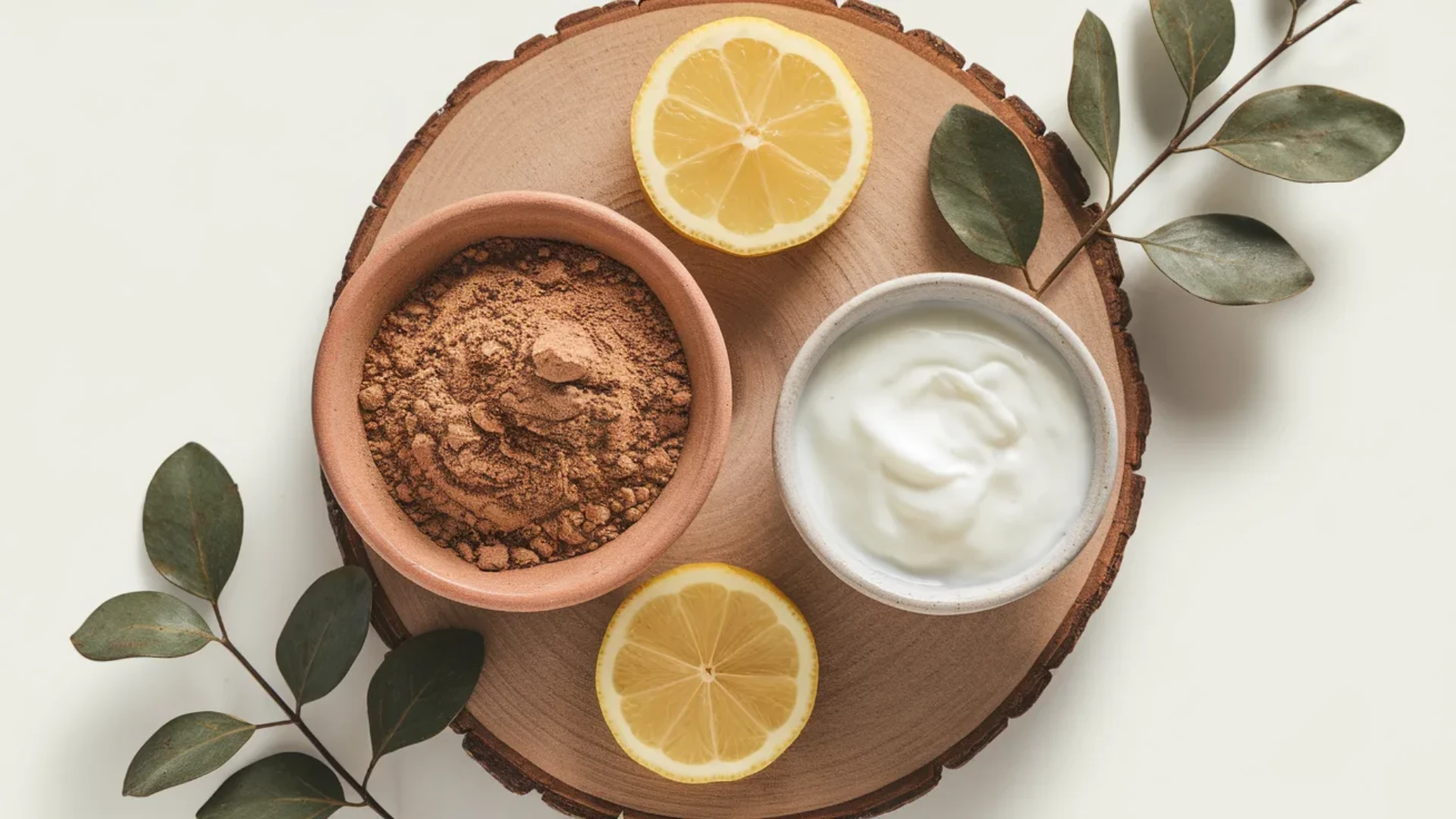
Ingredients:
- 2 tablespoons multani mitti
- 1 tablespoon plain yogurt
- 1 teaspoon lemon juice
How to make it:
Mix two tablespoons of multani mitti with one tablespoon of plain yogurt and one teaspoon of lemon juice. Apply mainly to the scalp and leave for 20 minutes.
Tip: Multani mitti absorbs excess oil, yogurt soothes the scalp, and lemon helps clear buildup. Do not leave lemon on too long, as it can cause dryness with overuse.
3. For Dandruff and Itchy Scalp: Neem Powder and Yogurt
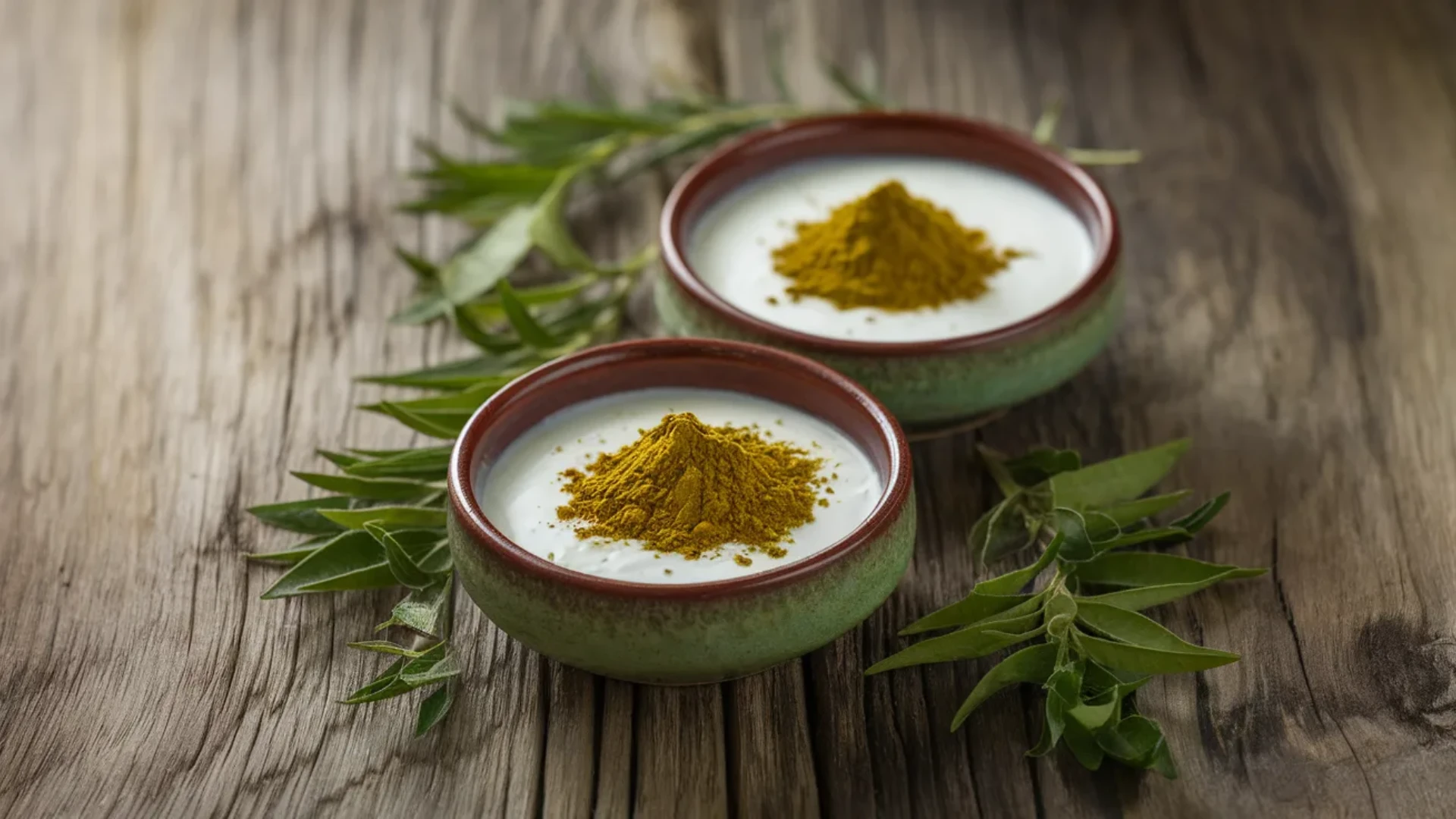
How to make it:
Mix one tablespoon of neem powder with three tablespoons of plain yogurt.
Apply to the scalp and leave for 20 minutes. Neem helps reduce dandruff, and yogurt soothes itchiness.
Neem has a strong smell, so adding a few drops of lavender oil can help with that.
4. For Hair Fall and Weak Roots: Onion Juice and Aloe Vera
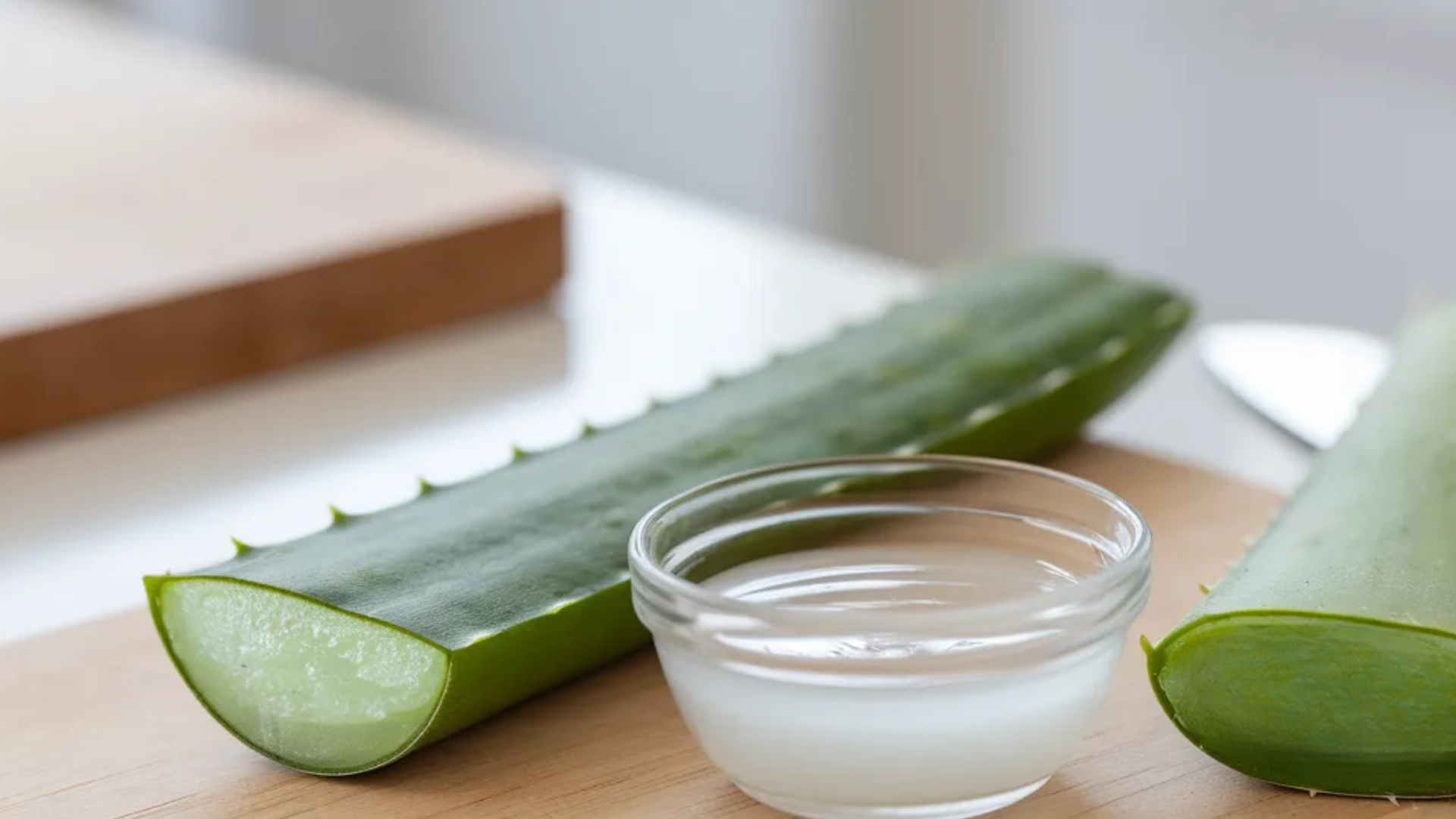
Ingredients:
- 2 tablespoons onion juice
- 2 tablespoons fresh aloe vera gel
How to make it:
Mix onion juice and fresh aloe vera gel.
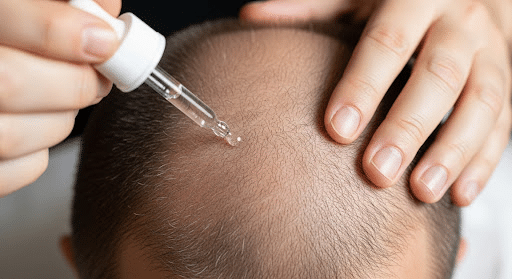
Apply to the scalp, massage gently, and leave for 20 to 30 minutes before washing off. Onion juice is rich in sulfur, which supports stronger roots.
Aloe vera calms irritation.
Give this mask at least four to six weeks of regular use before judging results.
5. For Dull Hair: Egg and Olive Oil
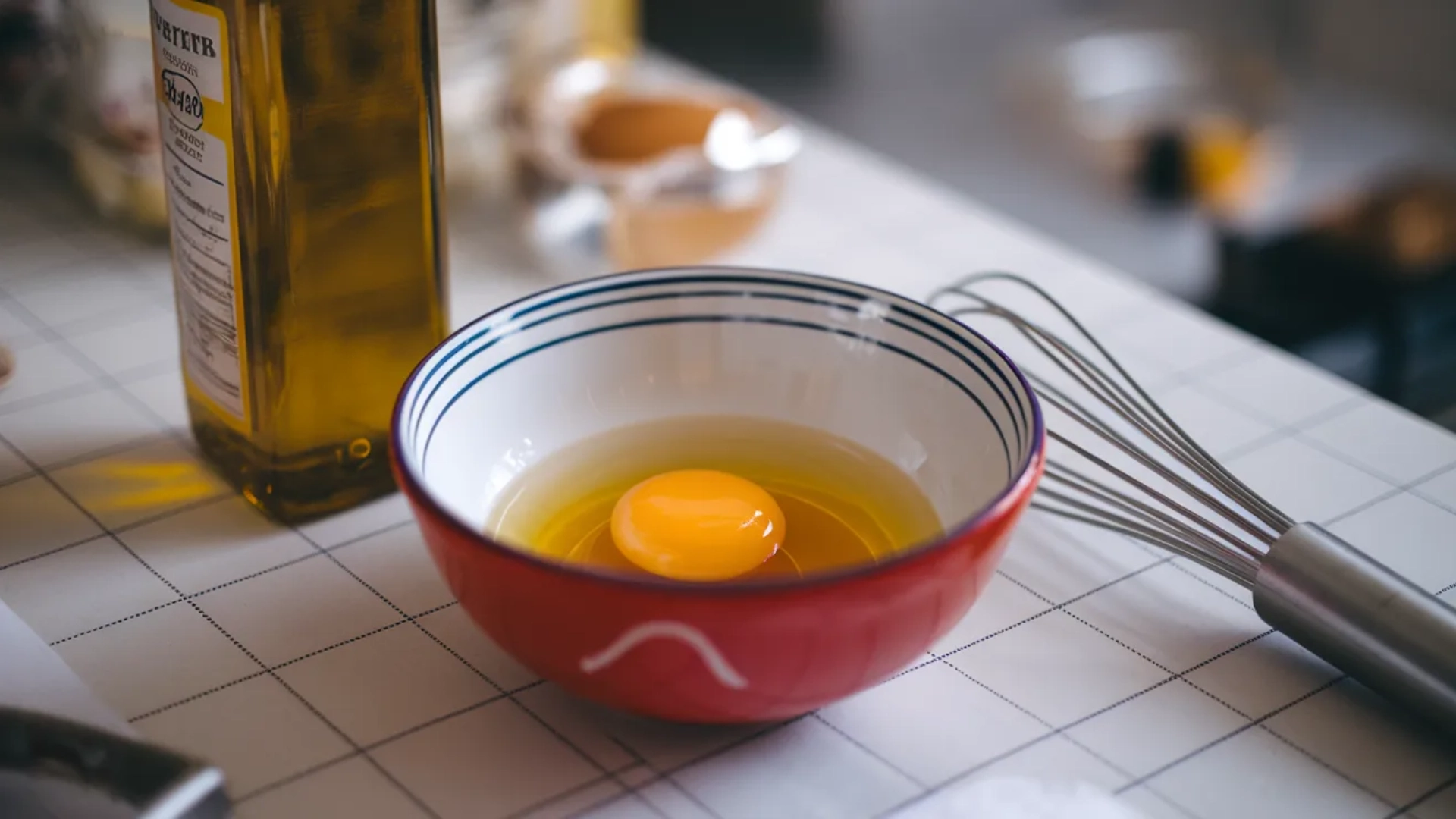
How to make it:
Beat one whole egg and mix in one tablespoon of olive oil. Apply to the full length of your hair and leave for 20 minutes.
Eggs provide protein that brings back shine and strength. Olive oil adds softness and reduces breakage over time.
Tip: Always use cool water to rinse. Hot water will cook the egg and make it very hard to wash out.
Types of Homemade Hair Masks and Their Benefits
Not all masks work the same way. Here is a quick look at what each type does:
| Mask Type | Key Ingredients | Benefit |
|---|---|---|
| Moisturizing Mask | Oils, honey, banana | Locks in moisture and reduces dryness. Best for rough or dull hair. |
| Protein-Based Mask | Egg, yogurt | Strengthens weak hair and reduces breakage over time. |
| Scalp Cleansing Mask | Clay, lemon, neem | Removes oil buildup, reduces dandruff, and soothes the scalp. |
| Growth-Focused Mask | Castor oil, aloe vera, onion juice | Improves scalp health and strengthens roots for better hair growth. |
How to Use a Homemade Hair Masks?
Getting the application right is just as important as the recipe. Follow these simple steps:
- Start with clean or slightly damp hair
- Apply to the scalp first if targeting oil or dandruff
- Apply from mid-length to ends if targeting dryness or dullness
- Leave on for 20 to 30 minutes
- Rinse with lukewarm water and follow with a mild shampoo if needed
For best results, use your mask one to two times per week. Oily scalps do well with it once a week.
Very dry hair can handle twice a week. Stick with it for at least three to four weeks before deciding if it works.
Applying a mask every day is a common mistake. It can overload the scalp and cause buildup.
Is a Homemade Hair Mask Worth Trying?
Yes, it really is. It will not fix everything overnight.
But with the right ingredients and regular use, it can actually make a visible difference.
Your hair gets softer, your scalp feels calmer, and breakage reduces over time.
The key is choosing the mask that fits your hair type and sticking with it. Give it a few weeks and let the results speak for themselves.
Frequently Asked Questions (FAQs)
1. What Hair Mask is Best for an Itchy Scalp?
A neem powder and yogurt mask works best. It soothes irritation and helps reduce dandruff effectively.
2. How Often Should I Use a Homemade Hair Mask?
Once or twice a week is enough. Using it too often can cause buildup on the scalp.
3. Can I Use a Homemade Hair Mask on Oily Hair?
Yes, you can. Choose clay- or lemon-based masks that control oil without drying the scalp out