
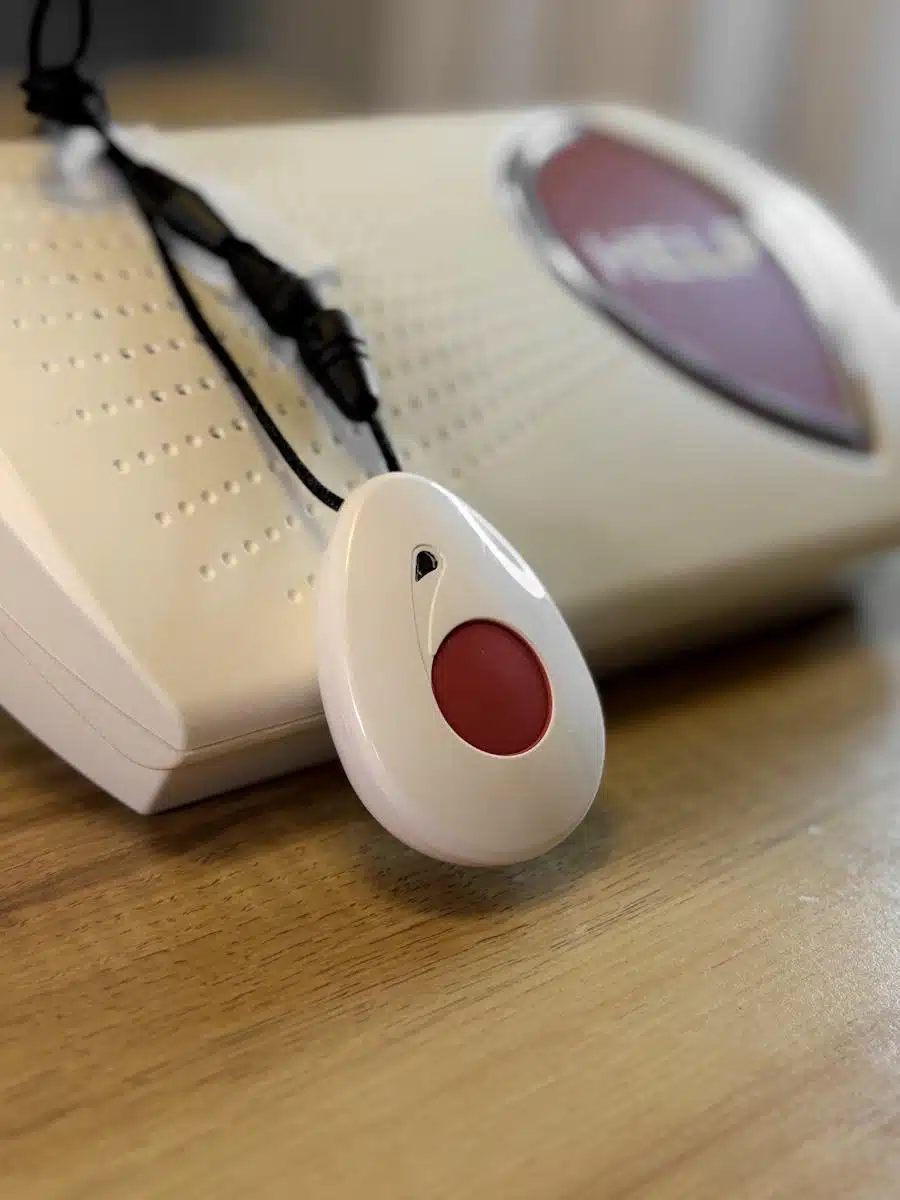
Aging touches more than the mirror. The choices around appearance and the choices around safety often arrive in the same season, and they push against each other in small ways. The grooming routine wants to feel normal; the safety device should not feel like a marker.
The good news is that the modern medical alert necklace category has grown up. A well-chosen pendant looks like everyday jewelry while keeping the safety features the family relies on. The senior medical alert necklaces category includes options that fit cleanly inside an aging adult’s normal style. The framework below covers how families pick the right one.
Why Has the Medical Alert Necklace Form Factor Become a Style Decision?
The medical alert necklace has become a style decision because the wearer’s daily comfort with the device shapes whether they wear it at all. A pendant that feels heavy, looks medical, or hangs awkwardly comes off after a few days. A pendant the wearer accepts stays on through every routine.
Three structural shifts explain the new attention. First, the average wearer is younger than the category once assumed. The US Census Bureau’s older population growth report covers the broader demographic framework that informs why the wearable arrives earlier in the aging timeline now.
Second, the design language has changed. Modern pendants use slimmer profiles, softer edges, and clearer-finished metals. The look is closer to everyday jewelry than to clinical equipment.
Third, the wearer has more say. Family members now check with the aging adult on form factor before they commit, the same way they would on any other personal-care choice.
What Six Features Anchor a Modern Medical Alert Necklace?
Six features reliably anchor a modern medical alert necklace.
- Weight under 1 ounce. Heavier pendants come off within the first month.
- Lanyard or chain with breakaway clasp. Prevents snags while the wearer is dressing or sleeping.
- Auto fall detection. The pendant detects a real fall and triggers the monitoring center.
- Two-way voice. The wearer talks to the monitoring center through the pendant without reaching a separate device.
- Water resistance. The pendant stays on during showers and morning grooming.
- Battery life over 24 hours. A daily charge cycle keeps the device on the wearer most of the time.
The hair-care side of senior grooming runs on parallel discipline. The same small-decision-stack shows up in the curly-hair daily routine guide for the morning, and the necklace choice fits the same logic.
How Should Families Approach the Selection Conversation?
The selection conversation works best as a joint decision. The aging adult sees three or four pendant options, picks the form factor that feels closest to everyday jewelry, and the family lines up the monitoring details around that choice.
Three patterns help the conversation go well. The first is the comfort trial. The wearer keeps the pendant on for a week before the family commits. Most form-factor concerns surface inside the first three days.
The second is the wardrobe match. The pendant should pair with the wearer’s typical neckline, color palette, and chain length. A pendant that hides under a usual shirt collar gets worn more than one that sits visibly above it.
The third is the routine alignment. The pendant goes on at the start of the morning routine, alongside hair styling and other grooming steps. Coverage of growing hair out covers the related grooming-discipline practice the aging adult already runs on. The pendant slots into the same sequence.
What Are the Common Mistakes Families Make Around Medical Alert Necklaces?
Five recurring mistakes show up in the family-medical-alert-purchase pattern.
- The medical-aesthetic default. Picking the most clinical-looking pendant produces a device the wearer resists from day one.
- The chain length oversight. A standard chain often sits at the wrong neckline for the wearer’s wardrobe; adjustable lengths solve this cleanly.
- The single-style shortlist. Showing the wearer only one form factor (pendant only, no wristband alternative) forces a choice that may not fit.
- The skipped trial. Locking the contract before the wearer has worn the pendant for at least a week produces a device that gets abandoned.
- The maintenance gap. Pendants need cleaning, charging, and periodic chain replacement. A small care cadence keeps the device on the wearer.
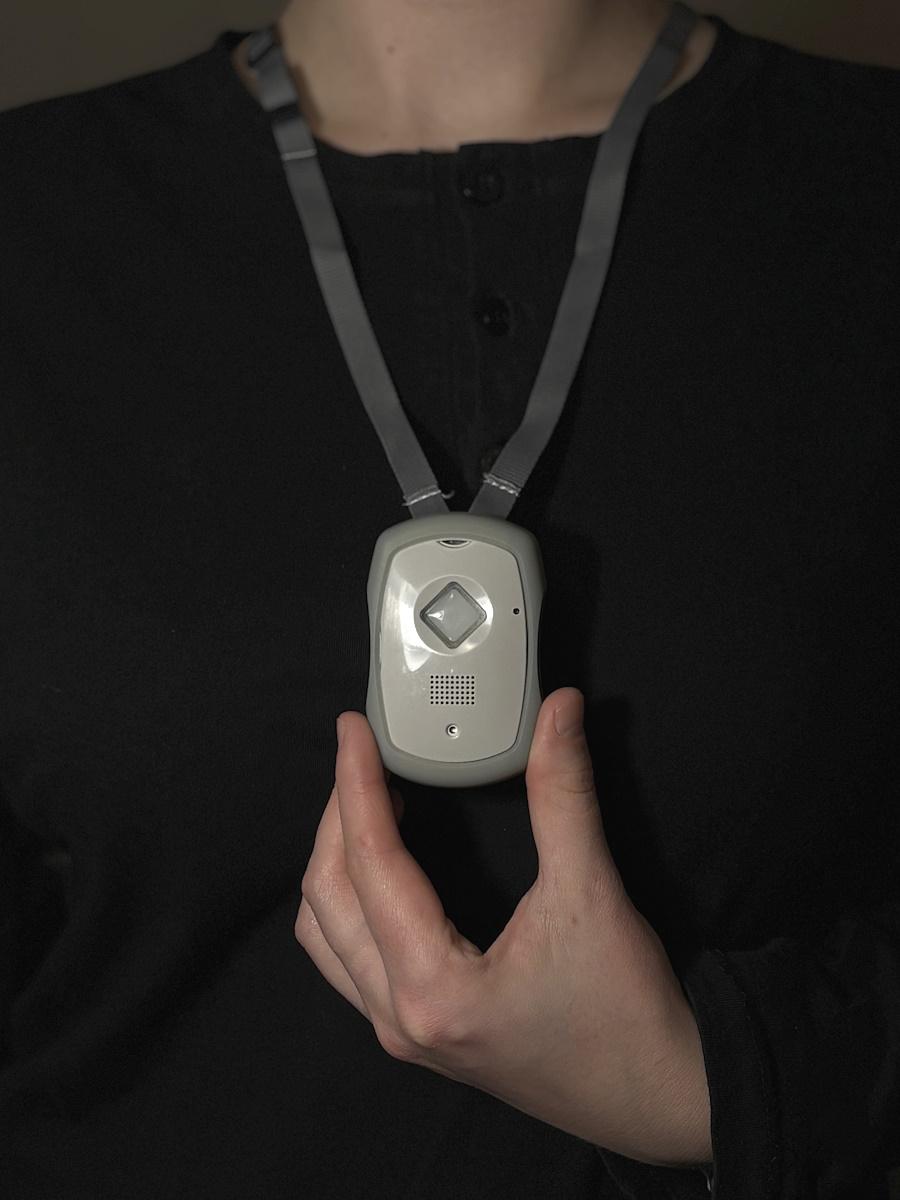
Image courtesy of lifeassure.com
Alt text: Six Features Anchor a Modern Medical Alert Necklace Choosing Discreet Medical Alert
The HHS Administration for Community Living’s strengthening aging and disability networks covers the broader aging-in-place context that informs how families think about every senior-appearance and senior-safety decision together.
A Quick Reality Check Before the Purchase
A short pre-purchase pass covers the form-factor questions any family benefits from running.
- Confirm pendant weight under 1 ounce
- Verify auto fall detection toggle is enabled
- Check the chain length fits the wearer’s usual neckline
- Confirm the pendant survives a shower without removal
- Run a 1-week comfort trial before locking the contract
- Brief the wearer on cleaning and charging cadence
The Bottom Line on Medical Alert Necklaces for Aging Adults
A medical alert necklace works because the wearer actually wears it. The choice of pendant, chain, weight, and finish matters as much as the underlying monitoring service.
A family that treats the necklace selection as a joint style decision usually lands a setup the aging adult accepts. The monthly cost runs $25 to $50. The peace-of-mind impact across a year is significant when the device stays on instead of sitting in a drawer.
Frequently Asked Questions
How Long Should the Comfort Trial Last?
One week is the practical minimum. Most form-factor concerns surface inside the first three days. A longer trial catches edge cases like sleeping comfort and how the pendant feels during exercise.
Can the Pendant Be Worn With Other Necklaces?
Yes, in most cases. The pendant sits at a specific length set by the chain. Layering above or below the pendant works as long as no other piece interferes with the fall sensor.
Does the Pendant Survive a Shower?
Most modern medical alert pendants are water resistant and rated for daily showering. Bath submersion varies by model. Families check the IP rating before assuming full water survival.
Is the Necklace Form Factor Better Than a Wristband?
It depends on the wearer. Wristbands feel less visible but can interfere with hand washing and typing. Pendants stay clear of hand-based tasks but show on certain necklines. The wearer’s preference is the right tiebreaker.