
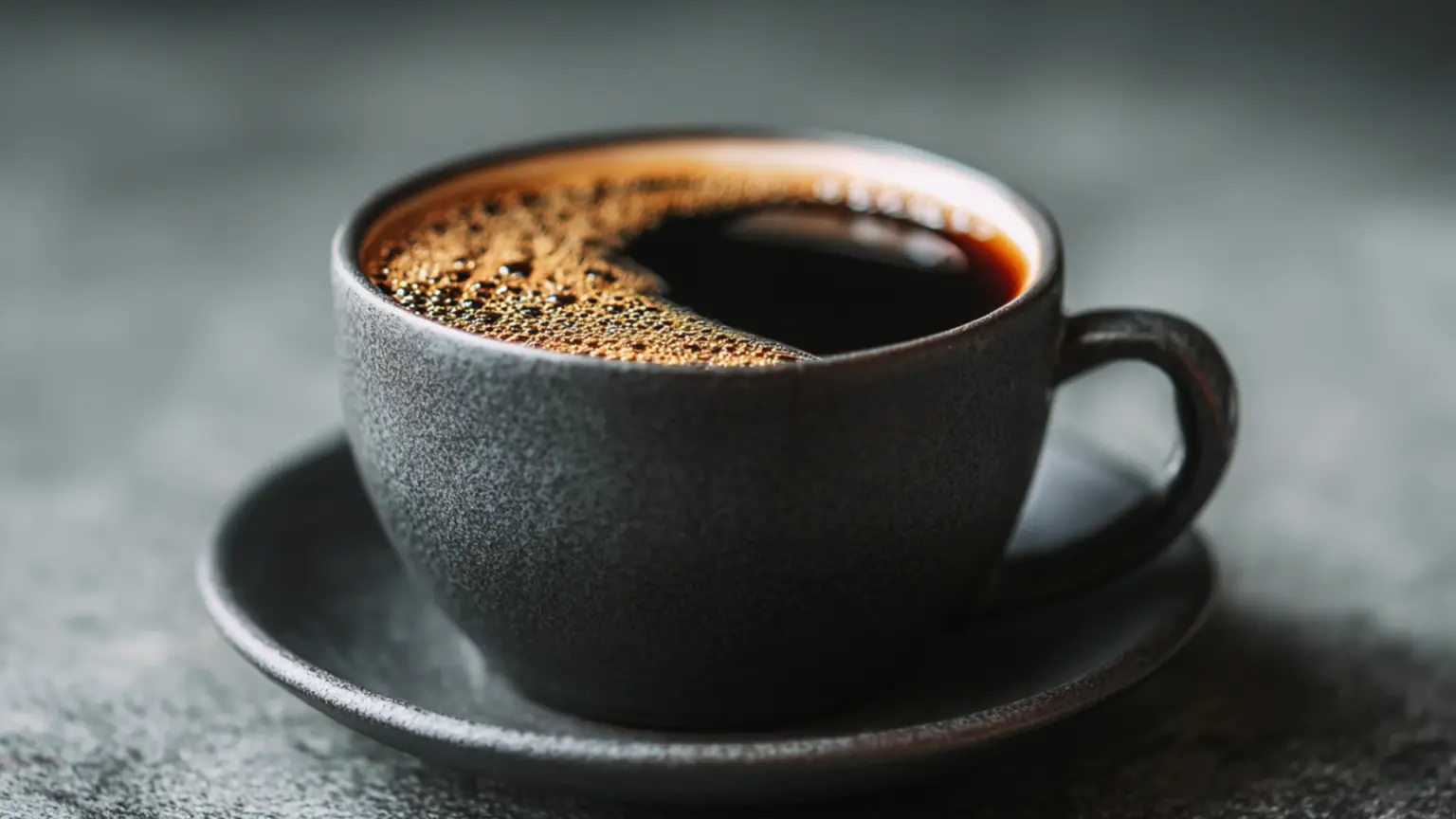
Black coffee has almost zero calories. But that changes fast once something goes into the cup.
Milk, sugar, cream, flavored syrups, and that extra pump of vanilla all add up quietly.
Most people are surprised when they find out their daily latte carries as many calories as a full snack.
The calories in coffee are not just about the coffee itself.
They are about everything that comes with it. So, before you take that next sip, this is exactly what your cup is actually carrying, calorie wise.
Calories in Coffee: How Much Does Your Cup Actually Have?
On its own, coffee has almost no calories. A standard cup of black coffee made from ground beans and water contains roughly 2 to 5 calories.
That is close to nothing. So why do people associate coffee with weight gain?
Because of what goes into it after brewing.
The coffee bean itself contributes almost zero energy to your body. The calories come from milk, sugar, cream, syrups, and other add ins.
A teaspoon of sugar adds around 16 calories. Full fat milk adds more. Flavored syrups used in cafe drinks can add 50 to 100 calories per pump.
Calories in Coffee Based on What You Add
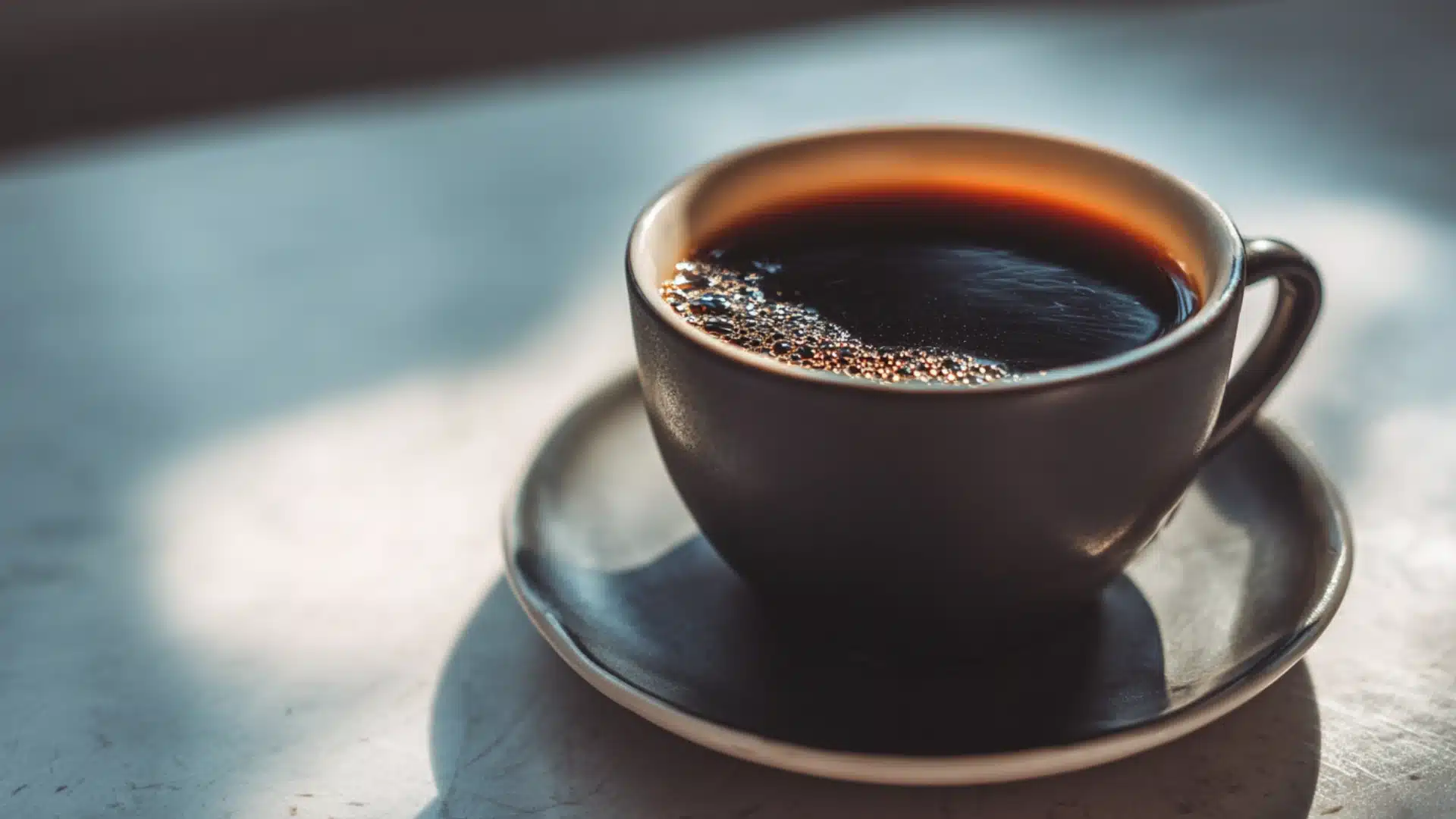
Plain coffee does almost nothing to your calorie count. It is what goes in after brewing that does the damage.
Milk, sugar, jaggery, syrups, creamers, each one adds up on its own.
1. Black Coffee
That drink that hits the caffeine spot just at the right corner actually sits around 2 to 5 calories per cup.
Calories in coffee without milk and sugar are genuinely that low. No fat, no dairy, nothing extra in the cup. If you are watching your weight, this is the version that works in your favor.
Calories in coffee without sugar only stay this low when nothing else goes in, not even a small splash.
A single spoon of sugar or a splash of milk does not feel like much, but across two or three cups a day it adds up faster than you think.
2. Coffee With “Just Milk”
Milk changes things. As soon as it goes into the cup, the drink is no longer near zero calories.
Calories in coffee with milk can range from 20 to over 100, depending on the type of milk and how much you pour.
The fat content is what drives the number:
- Whole milk adds 18 to 20 calories per two tablespoons
- Skimmed milk brings that down to around 10 for the same amount
- Condensed milk or cream pushes it significantly higher
Most people pour without measuring, and that is where the calories quietly build up without anyone noticing.
3. Coffee With Milk and Sugar
This is how most people drink their coffee, and it is also where the calorie count takes its first real jump.
A standard cup of whole milk with two teaspoons of sugar is easily between 50 and 80 calories.
Milk brings fat, sugar brings empty calories, and together they turn a near zero calorie drink into something that adds up fast across the day.
4. Coffee With Milk and Jaggery
Jaggery feels like the smarter swap!
And in some ways it is, it is less processed and has small amounts of iron and minerals.
But the calories in coffee with milk and jaggery are still close to those of regular sweetened coffee. One teaspoon of jaggery contains 15 to 20 calories, which is nearly the same as sugar.
The trap with jaggery is using more of it because it feels natural and healthy. That is one of the most common ways people end up drinking more calories than they planned without realizing it.
5. Calories in Coffee with Add Ons
A syrup pump here, a spoon of creamer there, none of it feels like a big deal in the moment.
But add-ins are exactly where coffee’s calories start climbing fast.
One ingredient alone is manageable. Two or three together, and the cup is carrying far more than most people would guess.
The small things that add up:
- Flavored syrups: 50 to 80 calories per pump
- Liquid creamers: 30 to 50 calories per tablespoon
- Whipped cream topping: 50 to 100 calories per dollop
- Condensed milk: 60 to 65 calories per tablespoon
- Vanilla or caramel sauce: 20 to 30 calories per teaspoon
A coffee with full-fat milk, two spoons of sugar, and one pump of flavored syrup can easily cross 150 calories.
Calories in Your Favorite Cafe Coffee Orders
Cafe drinks carry far more calories than home coffee. Larger portions, steamed milk, and built-in syrups change the count fast.
| Coffee Type | Calories (Approx) | Key Factor |
|---|---|---|
| Espresso (single shot) | 1 to 3 | Pure coffee, no add-ins |
| Black Coffee | 2 to 5 | No milk or sugar |
| Cappuccino | 80 to 120 | Whole milk and foam |
| Latte (whole milk) | 150 to 200 | High milk content |
| Latte (skimmed milk) | 90 to 110 | Lower fat milk |
| Iced Coffee (plain) | 2 to 5 | No add-ins |
| Iced Coffee (sweetened) | 100 to 200 | Syrups and milk |
| Blended Frappe | 300 to 400 plus | Cream, syrups, sugar |
Is Coffee Good for Weight Loss?
Black coffee on its own is one of the most weight-friendly drinks out there.
Pairing it as a healthy drink in the morning is something a lot of people do to support their overall health without adding extra calories
It has almost no calories, can mildly boost metabolism, and helps with focus during workouts. That is where the benefit sits.
The problem starts when sugar, milk, syrups, and creamers are added to the cup. At that point, coffee stops working for you and starts working against your calorie goals.
The more you add, the less weight-loss-friendly it becomes.
How to Enjoy Coffee Without Increasing Your Calorie Intake
Cutting calories from coffee does not mean giving up the cup.
It means making small, practical swaps that actually stick. Most people do not need to quit coffee to manage their calorie intake.
Choose Black Coffee: Start with plain black coffee at least once a day. It sits at 2-5 calories and gives you the full caffeine hit with nothing extra added.
Reduce Sugar Gradually: Start with 2 spoons, then drop to 1, then to half. Your taste adjusts faster than you think.
Switch Your Milk Type: Skimmed milk cuts calories nearly in half. Oat milk and almond milk keep the creaminess without the extra fat.
Control Your Portion Size: A large cafe coffee is closer to two servings. Ordering smaller or making less at home brings the count down without changing anything else.
Conclusion
Coffee itself is not the issue. A plain black cup has almost no calories and fits into any diet without a second thought.
The calories come from the extras. Milk, sugar, syrups, and creamers each add up separately.
Combining them is where most people quietly go over without realizing it.
You do not need to give up coffee to keep the calories low.
Know what is going into your cup, make small swaps where you can, and the numbers take care of themselves.
Frequently Asked Questions
1. How Many Calories Are in a Teaspoon of Coffee Powder?
Plain instant coffee powder has fewer than 2 calories per teaspoon with nothing added.
2. Does Decaf Coffee Have the Same Calories as Regular Coffee?
Yes, decaf black coffee sits at the same 2 to 5 calorie range as regular black coffee.
3. Does the Temperature of Coffee Change its Calorie Count?
No, whether you drink it hot or cold, the calorie count stays the same if the ingredients are identical.
4. How Does Drinking Coffee on an Empty Stomach Affect Your Body?
Black coffee on an empty stomach does not add calories, but it can spike cortisol, which may increase hunger later.
5. Do Sugar Substitutes like Stevia Actually Keep Coffee Calories Low?
Stevia adds close to zero calories, making it one of the better options for keeping sweetened coffee low in calories.