
Hair Porosity Explained: How to Find Yours and Build the Right Routine
If you’ve ever wondered why a product that transformed your friend’s hair does nothing for yours, porosity is a likely culprit. It’s one of the most useful ideas in hair care and also one of the most over-hyped, so let’s learn the real facts.
What hair porosity is, how to figure out yours, and how to actually put that knowledge to work.
What Porosity Means
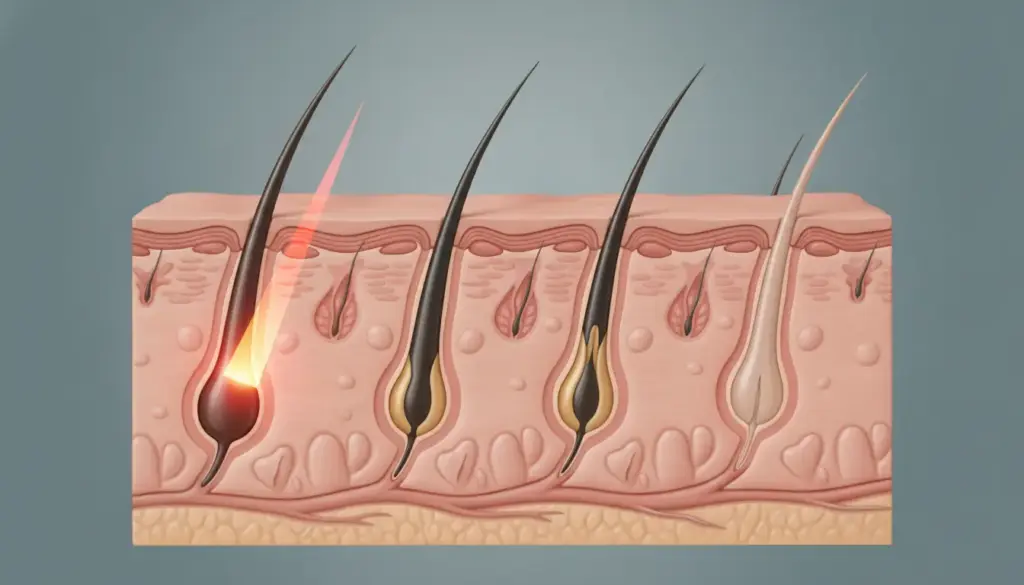
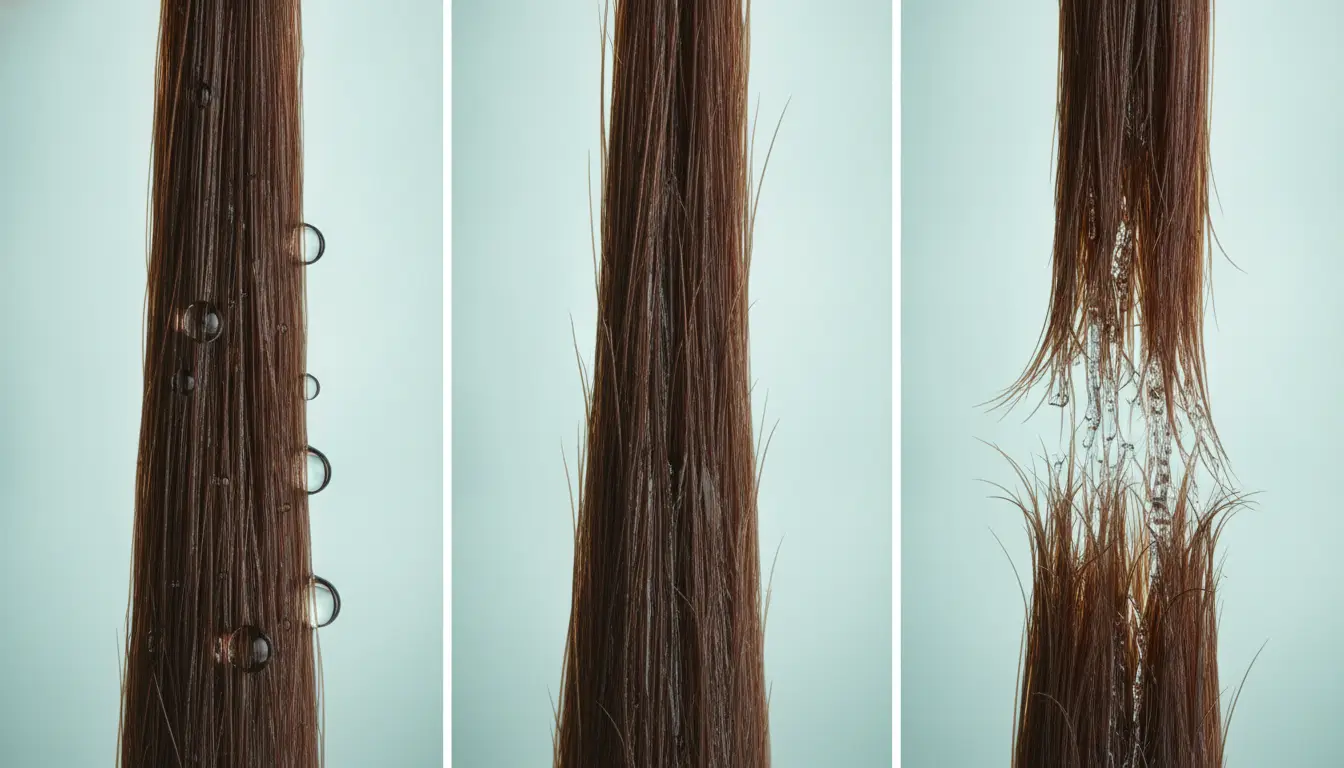
Hair porosity describes how easily moisture moves into and out of your hair. The gatekeeper is the cuticle, the outer layer of overlapping scales that wraps each strand. When those scales lie flat and tight, water has a hard time getting in or out. When they’re raised or damaged, water rushes in and escapes just as fast. Heat styling, bleaching, chemical treatments, and even sun exposure lift and wear down the cuticle over time, which is why porosity isn’t fixed for life.
But even without any external impact, porosity isn’t always low, and hair can have one of the three types: low, medium, and high. None is better than the others. Each just wants a different routine.
Finding Yours (and Why the Famous Test Is Shaky)
You’ve probably seen the float test: drop a clean strand into a glass of water and see if it floats (low), hovers (medium), or sinks (high). It’s popular because it’s simple. The problem is that it isn’t very reliable. Cosmetic chemists point out that surface tension, leftover product or oil, and even water temperature can all skew the result, so a floating strand might just be coated in conditioner. Think of it as a loose hint, not a diagnosis.
A better approach is to watch how your hair behaves, since that’s the thing you’re actually trying to manage. Ask a few questions:
- In the shower, does your hair take a long time to get fully wet, or soak through instantly?
- After washing, does it air-dry quickly or stay damp for hours?
- When you apply a leave-in, does it sink in or sit on top and leave your hair greasy?
Here’s how the common signs line up across the three types:
What you notice | Low porosity | Medium porosity | High porosity |
|---|---|---|---|
Getting wet in the shower | Water beads up; slow to fully saturate | Wets easily and evenly | Soaks through almost instantly |
Air-dry time | Stays damp for a long time | Dries in a reasonable window | Dries very quickly |
How products behave | Sit on top and build up | Absorb well and act predictably | Drink in fast, then hair feels dry again |
Humidity and texture | Can go flat or limp | Generally stable | Frizzes and tangles readily |
Usual cause | A naturally tight, sealed cuticle | A balanced, healthy cuticle | Often damage from heat, color, or bleach |
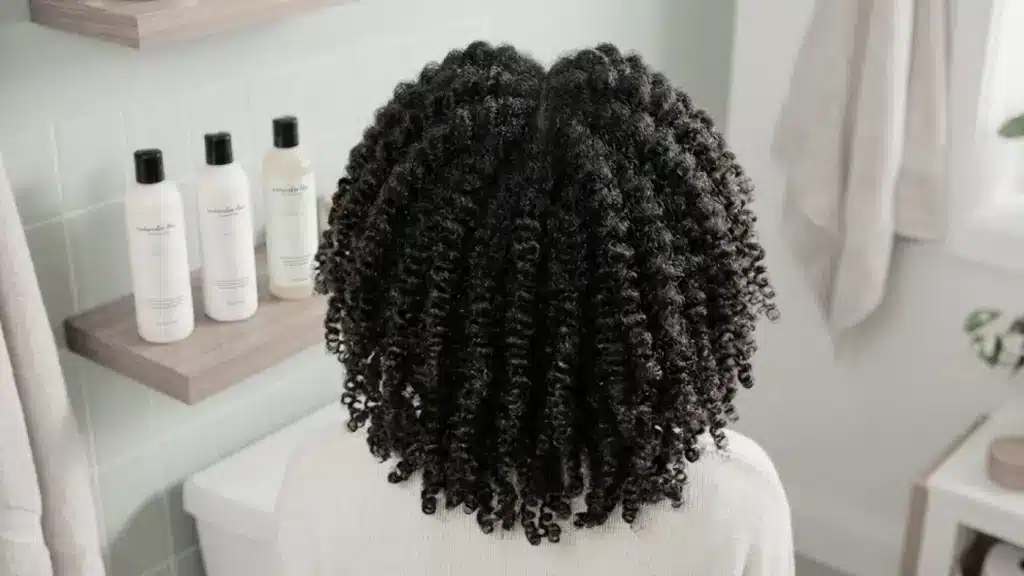
Your curl pattern is another clue. Curlier hair tends to run higher porosity, since the twists keep the cuticle from lying flat, while straight hair more often sits at the low end. But it’s a tendency, not a rule: porosity comes down to the condition of the cuticle, so bleach or heat can push straight hair into high porosity, and healthy curls can stay low. When the signs are mixed, let the table decide and choose your routine accordingly.
Low Porosity Routine
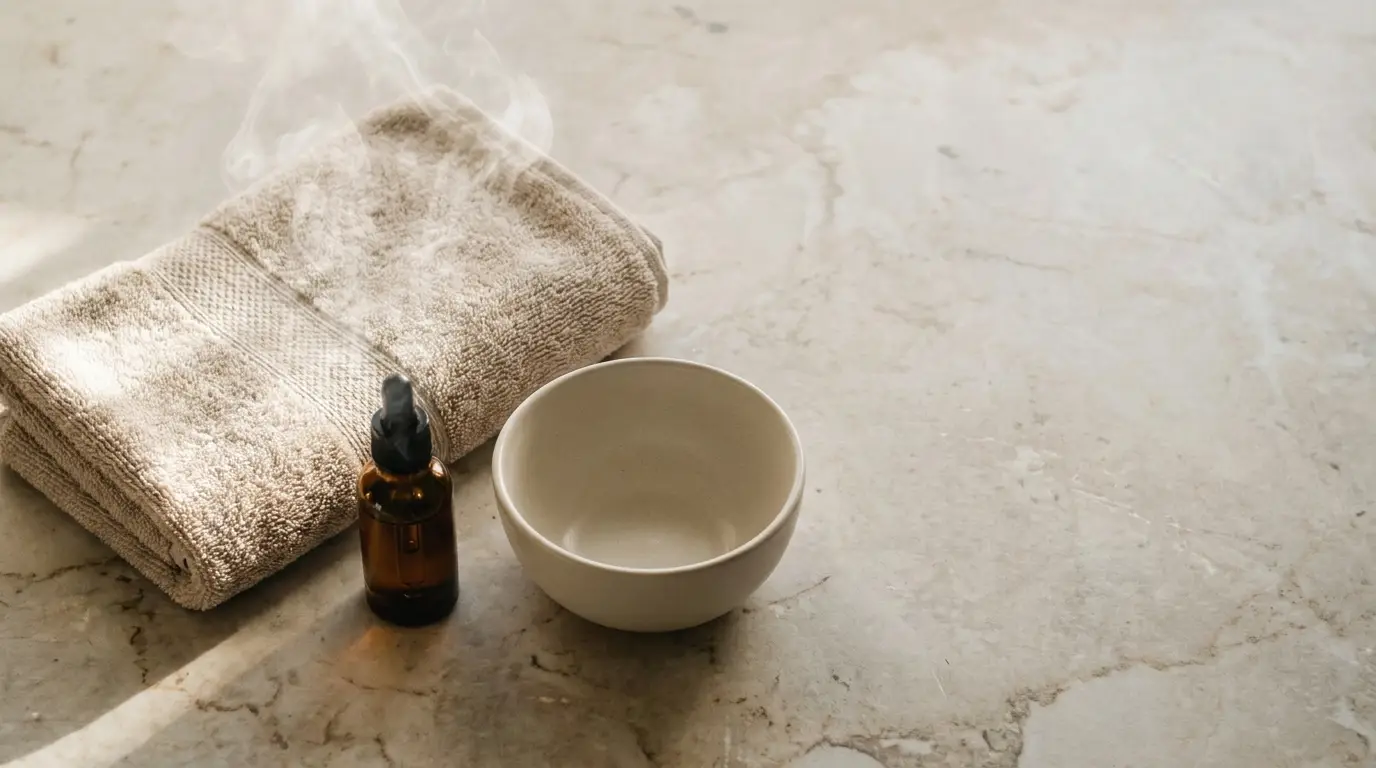
Low porosity hair repels water, so the goal is to help moisture get in and keep buildup from blocking it. Warmth is your best friend: use warm water to coax the cuticle open, deep-condition under a warm towel, shower cap, or steam, and apply products to damp rather than soaking hair so they aren’t competing with water already in the strand. Work in small sections, and emulsify products in your hands or dilute a thick conditioner with a little water so it spreads evenly.
Reach for:
- Lightweight, water-based leave-ins, milks, and watery serums
- Humectants like glycerin, aloe, and honey, eased off on very humid or dry days when they backfire
- Light, penetrating oils such as argan, jojoba, grapeseed, or squalane
- A clarifying or chelating wash every two to four weeks to clear film
Go easy on:
- Heavy butters and thick sealing oils like coconut, castor, and shea, which tend to sit on top
- Frequent or heavy protein, which can leave low porosity hair feeling stiff rather than stronger
Medium Porosity Routine
Medium porosity is the sweet spot: a cuticle that lets a balanced amount of moisture in and holds it well. It sits at roughly the balance the other types are chasing, so most products simply work, and your routine can stay light.
Keep it to:
- Regular conditioning and an occasional deep conditioner
- A light protein treatment every few weeks if your hair starts to feel soft or limp
- Heat protection whenever you reach for hot tools
The main job here is preservation. Too much bleaching, coloring, or high heat will gradually push medium hair toward high porosity, so the smartest move is not to overdo it.
High Porosity Routine
High porosity hair drinks moisture in and loses it just as fast, usually because the cuticle is raised from damage or naturally lifted along curls and coils. The winning formula is moisturize, then seal, which is what the LOC and LCO methods do: a liquid or leave-in, an oil, and a cream, layered to lock hydration in place.
Reach for:
- Rich, creamy leave-ins and deep conditioners with real slip
- Sealing butters and heavier oils such as shea, mango, castor, or olive to cap the cuticle
- Regular protein or bond-building treatments, which temporarily fill gaps in a worn cuticle and add strength
- A cool-water or diluted apple cider vinegar rinse to help smooth the cuticle down
Handle with care:
- Minimize heat and bleach, and always use a heat protectant
- Swap a rough towel for a microfiber cloth or cotton tee, and sleep on satin
- Watch your protein-to-moisture balance: too much protein turns hair brittle, too little leaves it mushy and weak
Use It as a Starting Point, Not a Rulebook
Porosity is a lens, not a law. Experts are quick to note that the home tests are imprecise and that the most reliable feedback comes from your own head. So pick the routine that matches how your hair behaves, give it a few weeks, and pay attention.
And don’t stress if your hair doesn’t look like a shampoo commercial every time. Make the whole thing its own small spa ritual: give your scalp a slow massage as you shampoo or scrub, sit back, play BTC slot machine or read a book while a mask does its work, and enjoy the scent of your heat-protect spray on the way out the door.
If a product genuinely leaves your hair softer and easier to manage, it’s right for you, no matter what a strand does in a glass of water. That kind of observation, repeated over time, will teach you more than any single test ever could.