
For many, getting hair lightened for the first time comes with zero warning about the stages hair goes through.
It feels confusing and a little scary, especially when your hair turns orange.
Not everyone knows that the orange phase is completely normal. But if you learn about the stages of lightening hair, it can save a lot of stress.
Once you know what each stage means, the whole process makes so much more sense.
What is Hair Lightening?
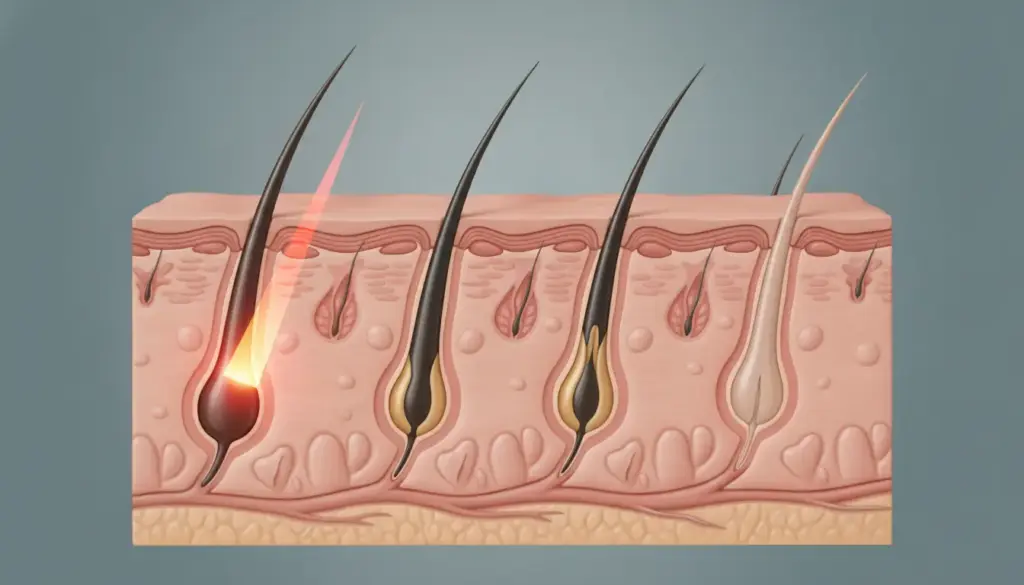
Hair lightening is the process of removing the natural color from the hair to make it lighter.
This usually involves a bleaching agent that breaks down the natural pigment in the hair.
The darker the hair, the more work it takes to lift the color. Think of it like peeling back layers; each layer reveals a lighter shade underneath.
It can take one session or several, depending on the starting color.
Some people get hair highlights if they are not sure about hair lightening, as highlights are less damaging.
What are the Seven Stages of Hair Lightening?
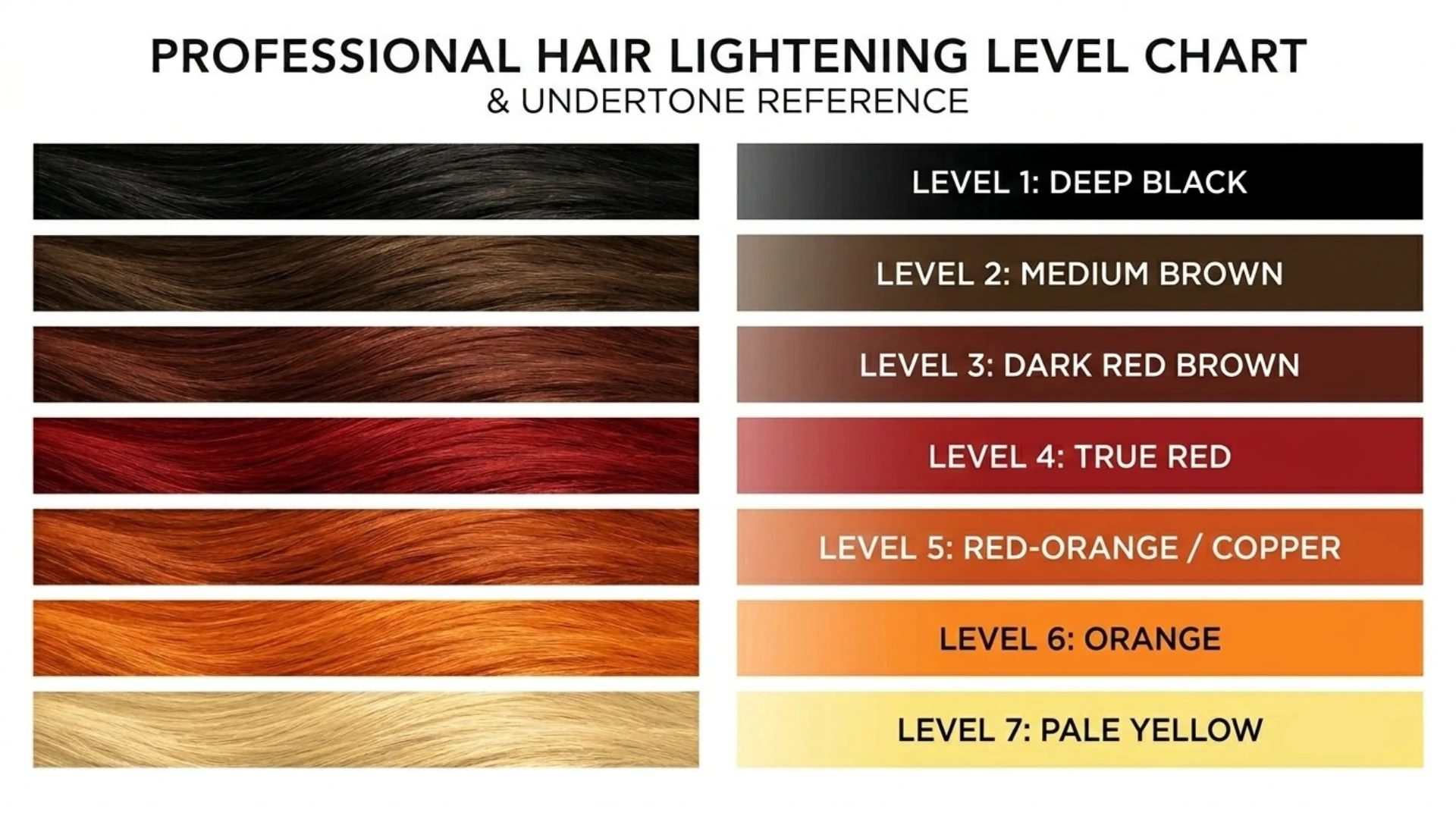
Hair doesn’t go light in one shot. It moves through seven stages, each with its own color.
Stage 1: Deep Black
For those starting with black hair, this is where it all begins. The bleach starts working, but there won’t be much change right away.
The hair may look like a very dark brown at first.
This stage is all about the bleach breaking down the deepest pigment layers in the hair.
Stage 2: Medium Brown
Once the black pigment lifts, the hair shifts to a warm brown. This is a sign the bleach is doing its job.
The color looks richer and warmer than the natural black. There’s still a long way to go before reaching a lighter blonde shade.
Stage 3: Dark Red-Brown
Here, the hair takes on a reddish-brown tone. The remaining pigment is still quite strong at this point.
It can look like a deep auburn shade. Some people actually love stopping here because it’s a rich, warm color that works well on its own, with no further lighting needed.
Stage 4: True Red
This stage shows the underlying warm tones coming through strongly. The hair now looks clearly red.
It’s one of the most noticeable shifts in the process. For those who want a red look, this is a great place to stop and tone it down.
Otherwise, the process continues to lift further.
Stage 5: Red-Orange
This is where many people start to panic, but there’s no need to.
Red-orange is a completely normal part of the process. The pigment is still breaking down. The hair is not damaged or stuck.
It just needs more time or another bleach session to move past this warm, fiery stage.
Stage 6: Orange
Orange is probably the most talked-about stage. It’s bold, it’s bright, and it can feel alarming. But it means the bleach is working well.
The deeper pigments are nearly gone at this point. A toner or another round of bleach can move the hair past orange into a much softer, lighter shade.
Stage 7: Pale Yellow
This is the lightest stage before reaching platinum or white blonde. The hair looks yellow or pale yellow here. Most of the color pigment has been lifted.
A purple or blue toner at this stage can cancel out the yellow and give that clean, bright blonde finish.
How Long Does It Take to Completely Lighten the Hair?
It depends. Some people reach their goal in one session.
Others need two, three, or even more. It really comes down to how dark the starting color is and how light the goal is.
Each bleach session usually takes about 30 to 60 minutes. But waiting at least two weeks between sessions is important to avoid serious damage.
Anyone going from black to blonde, expect the process to take a few months. Patience here is everything.
Methods for Hair Lightening
There are a few ways to go lighter. Some are gentle and gradual, others are faster and more direct.
Natural Ways
Lemon juice, honey, and sunlight are popular natural options.
They work slowly and give subtle results. These methods are best for those who only want to go a shade or two lighter.
This method works best on blonde and light brown hair. It barely affects dark brown or black hair.
Professional Ways
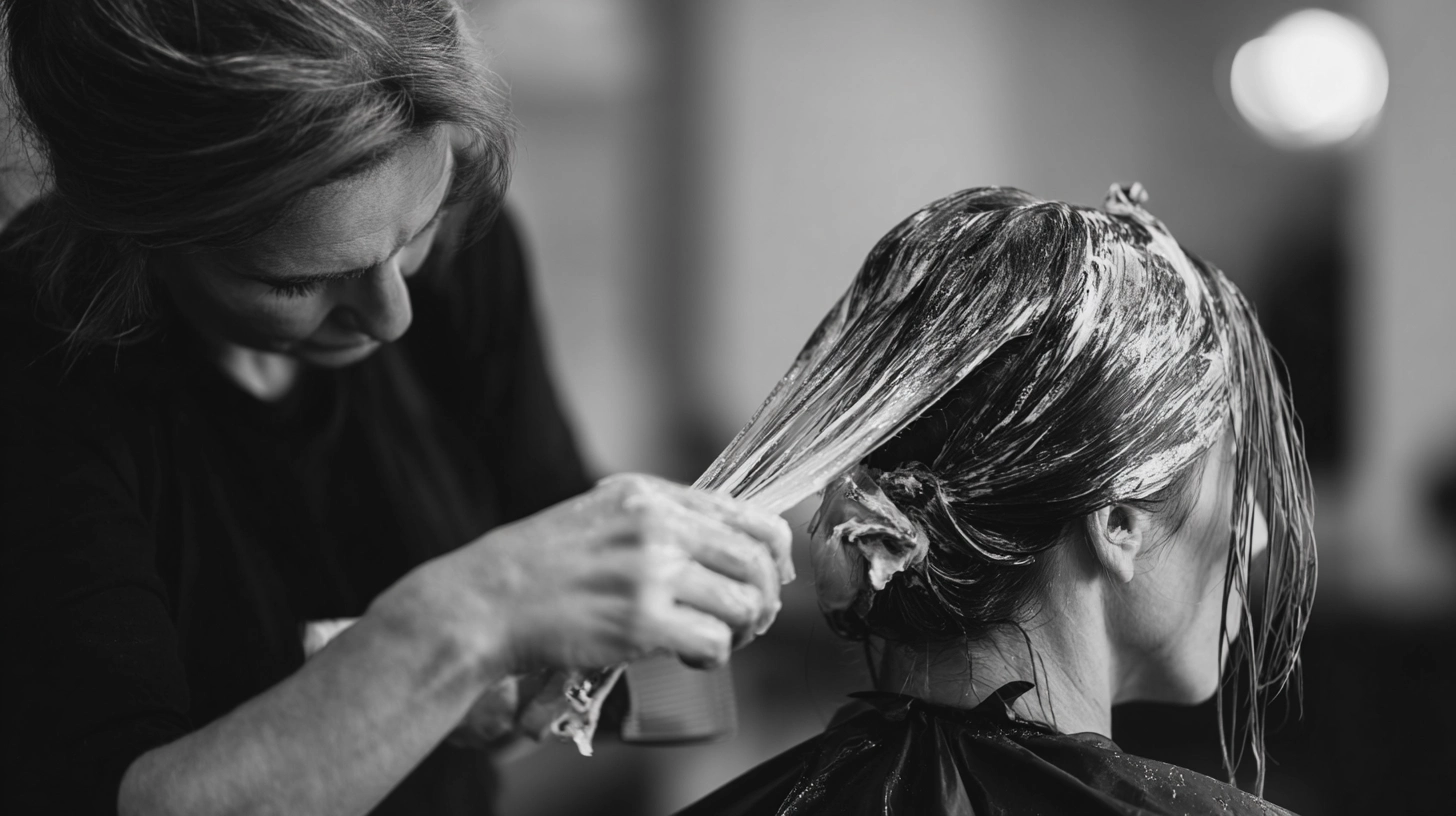
Bleach, highlights, and balayage are the most common salon methods. They work faster and give more noticeable results.
Bleach is the strongest option, and lifts color the most effectively.
For those who decide to go lighter, going straight for bleach gives a clearer, more visible lift, not just a subtle change. Bleach offers the most control over the results.
Yes, it requires some aftercare, but it is worth it for the color most people are aiming for.
Is it Different for Virgin Hair and Treated Hair?
Yes, it is.
Virgin hair is hair that has never been coloured or chemically treated, and tends to respond to bleach more evenly and predictably.
Treated hair, on the other hand, has already been through chemical treatments.
And this makes it more sensitive and harder to predict. It can also be more prone to damage during lightening.
For those with already processed hair, a stylist will usually do a strand test first. This helps check how the hair will react before committing to a full application.
Wrapping Up
Learning about the stages of lightening hair changes everything for anyone going through the process.
There is no need to panic every time the hair turns a new shade. Knowing what is coming next makes the whole process so much less stressful.
So the next time the hair turns orange or yellow, there is no need to freak out. It just means things are right on track.
Frequently Asked Questions (FAQs)
1. What Hair Color Ages You the Most?
Very dark or jet black hair can age a person by making the skin look pale and drawing out fine lines.
2. How Many Levels Can You Lighten Hair in One Session?
Most people can lift around two to four levels in one session, depending on hair type and condition.
3. Is Lightening the Same as Bleaching?
Not exactly. Bleaching is one method of lightening hair. Lightening is the broader term covering all methods used.