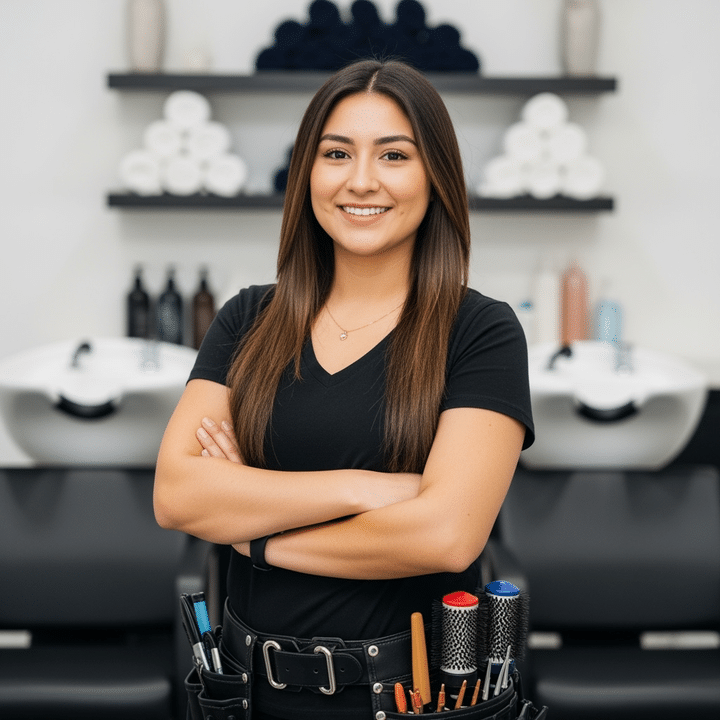

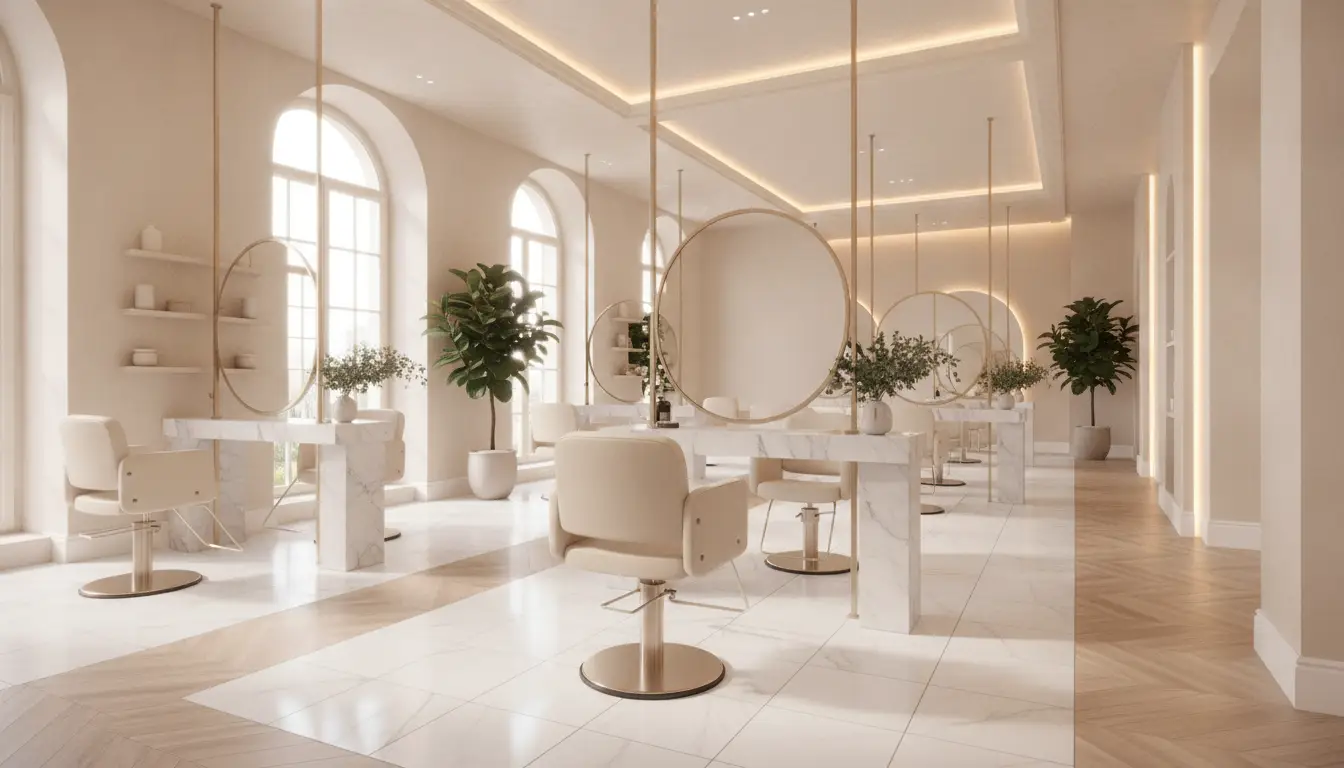
When you step into a high-end salon, something shifts. The air feels different. The energy feels intentional. But this sensation isn’t accidental—it’s the result of carefully considered design, professional standards, and an unwavering commitment to creating an environment where both stylists and clients thrive.
The difference between a basic hair facility and a luxury salon extends far beyond price tags and cutting techniques. It runs through the walls, reflects in the mirrors, and resonates in the overall atmosphere. Professional spaces matter profoundly. They influence everything from how stylists perform to how clients feel about their experience.
Understanding the Professional Salon Environment
A high-end salon isn’t simply a room with chairs and scissors. It’s a carefully orchestrated environment designed to support excellence at every level.
Professional salons invest heavily in their infrastructure. The lighting systems are calibrated to show true hair color and skin tone. The temperature remains consistent. The flooring is selected for both aesthetics and practicality, designed to reduce fatigue during long service hours. These details might seem minor individually, but collectively they create conditions where quality work becomes possible.
The layout of a salon matters tremendously. Stylists need proper spacing between stations to work effectively without feeling cramped or interrupted. Clients need to feel comfortable without being directly exposed to the activities of neighboring stations. When a salon’s layout respects these needs, the entire experience improves—clients relax more deeply, and stylists focus more intently on their craft.
The Psychological Impact of Professional Spaces
Design influences psychology. This is a well-established fact in environmental psychology research. When clients enter a well-designed, professional salon, their nervous system registers safety and quality. They’re more likely to trust the stylist. They’re more likely to relax into the experience rather than remain tense.
The visual presentation of a high-end salon communicates something concrete. It says: “We take this seriously. We invest in quality. Your experience matters here.” These unspoken messages affect how clients perceive their service, often even before the stylist touches their hair.
Color psychology plays a role too. Professional salons typically use calming neutrals with strategic accent colors that energize without overwhelming. The overall aesthetic isn’t trendy or dated—it’s timeless. This approach ensures the space feels sophisticated and current, regardless of passing fads.
Natural light, when available, makes a tremendous difference. High-end salons often position their washing stations and treatment areas to maximize natural light. When this isn’t possible, professional lighting systems mimic natural daylight, preventing the color distortions that cheap fluorescent lighting creates.
Quality Equipment and Tools
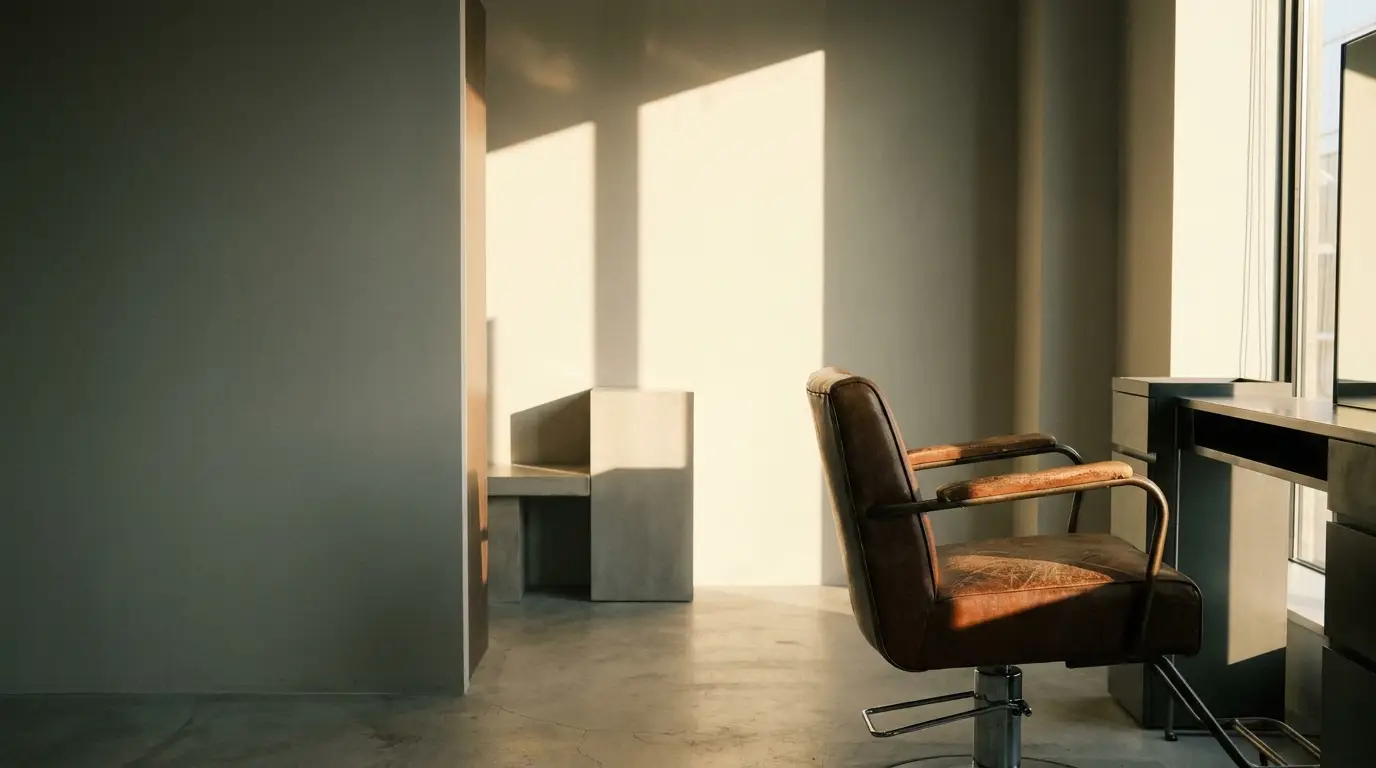
You might not think about what sits behind the scenes, but professional salons maintain different standards for their tools and equipment.
High-quality chairs provide proper ergonomic support for clients during potentially long sessions. They’re adjustable, durable, and comfortable. Professional salon chairs cost significantly more than standard alternatives because they’re engineered to last years under constant use while maintaining comfort and functionality.
Similarly, styling stations in professional salons feature quality mirrors with proper framing and lighting. The products stocked at these stations are professional-grade. The scissors, clippers, and styling tools are maintained regularly and replaced when they show wear.
This commitment to quality equipment extends the lifespan of results. A client’s cut or color lasts longer when created with professional-grade tools and products. This longevity reinforces the value proposition of visiting a high-end salon—clients get better results that justify the investment.
The Critical Role of Facility Design and Privacy
Professional spaces understand that privacy and comfort are interconnected. Clients need to feel that their experience is personal and protected, even within a shared environment.
This is where thoughtful facility design becomes essential. Proper partitioning systems create visual separation between stations while maintaining the open, welcoming feeling that makes salons feel sophisticated rather than clinical. These systems serve both practical and psychological purposes.
Consider the practical aspects first. Partitions reduce dust and product spray from traveling between stations. They minimize noise transmission between areas. They create defined workspaces that feel organized and intentional.
For salons that invest in quality bathroom partitions, particularly those serving clients in urban areas like Chicago, companies like OnePoint Partitions offer solutions that combine durability with elegant design—and Chicago bathroom partitions from such providers are engineered specifically for the moisture-heavy, high-traffic environment that salon bathrooms represent. These systems keep facilities looking pristine while withstanding constant use.
The psychological impact of proper partitioning matters equally. Clients feel more private during their service. They’re less self-conscious. They relax more completely. This comfort level allows stylists to work with clients who are genuinely at ease rather than anxious or distracted.
Professional-grade partitioning also extends the perceived luxury of a space. Quality partitions communicate that management cares about both function and aesthetics. They’re not an afterthought—they’re part of the overall design strategy.
Cleanliness Standards and Hygiene Protocols
High-end salons maintain rigorous cleanliness standards. This goes beyond simply appearing clean; it’s a commitment to genuine hygiene that protects client health and safety.
Professional salons implement systematic cleaning protocols throughout the day, not just at opening and closing. Stations are sanitized between clients. Tools are sterilized in professional-grade equipment. Bathrooms receive frequent attention and are maintained to hospitality-level standards.
This commitment to cleanliness affects both reality and perception. Clients can visibly see the attention to detail. They notice clean floors, organized product displays, and spotless mirrors. These observations build confidence in the salon’s overall standards, including aspects clients can’t directly see, like tool sterilization practices.
Proper facility design supports these hygiene standards. Professional spaces include dedicated areas for cleaning and sanitizing. They have adequate ventilation to manage product fumes and moisture. The materials used throughout are chosen partly for their durability and cleanability.
The Skill Premium of Professional Stylists
Here’s an often-overlooked connection: the quality of the physical space directly influences the quality of stylists attracted to work there.
Professional stylists choose to work in professional spaces. They seek environments that allow them to do their best work. A stylist working in a cramped, poorly lit, inadequately equipped facility will likely be less engaged and produce less impressive results than the same stylist working in a professional salon.
High-end salons attract experienced stylists who’ve honed their craft over years. These professionals demand proper tools, adequate space, and a clientele that values quality. By investing in professional facility standards, salons attract and retain the skilled stylists who make the entire operation successful.
This creates a virtuous cycle. Better stylists produce better results. Better results attract more discerning clients. More discerning clients support higher prices and better facility investments. Professional spaces and professional stylists reinforce each other.
Creating the Full Experience
Ultimately, professional salons succeed because they understand that every detail contributes to the overall experience.
The waiting area sets the tone. The music playing in the background. The temperature of the water during washing. The final presentation of the finished style. Each element either reinforces or undermines the message of professionalism and quality.
When salons invest in professional spaces—proper lighting, thoughtful layout, quality materials, effective partitioning, and rigorous maintenance—they create an environment where excellence becomes the baseline. Clients feel this difference immediately. They experience better results. They return more frequently. They recommend the salon to friends.
Conclusion
The difference between a basic hair service and a transformative salon experience starts with space. It begins with decisions about how to design, equip, and maintain a professional environment. These aren’t luxuries or aesthetic indulgences—they’re foundational elements that make quality work possible.
When you choose a high-end salon, you’re investing in more than a stylist’s skill. You’re investing in an entire ecosystem designed to support that skill. You’re choosing a space that respects both your time and your appearance. You’re entering an environment where details matter because the people running it understand that excellence requires intention at every level.
This commitment to professional standards is what separates truly exceptional salons from everything else. It’s visible, it’s measurable, and it’s absolutely worth experiencing firsthand.