
Dealing with thinning hair, a flaky scalp, or dandruff that never seems to go away, no matter what shampoo you try? You’re not the only one.
When the usual hair care routines stop working, it might be time to turn to someone who truly understands hair and scalp science. That’s where a trichologist comes in.
If you’ve ever searched for what is a trichologist, the short answer is: a specialist who focuses on hair and scalp health. They work in the space between a hairstylist and a dermatologist, helping people who feel stuck with ongoing issues like shedding or itching.
This guide explains what is trichology , what a trichologist does, and how they may help you finally get answers and relief.
What is Trichology and What Does a Trichologist Do?
Trichology is the scientific study of hair and scalp problems. The word comes from the Greek “trikhos,” which means hair. While it’s closely related to dermatology, most trichologists are not medical doctors.
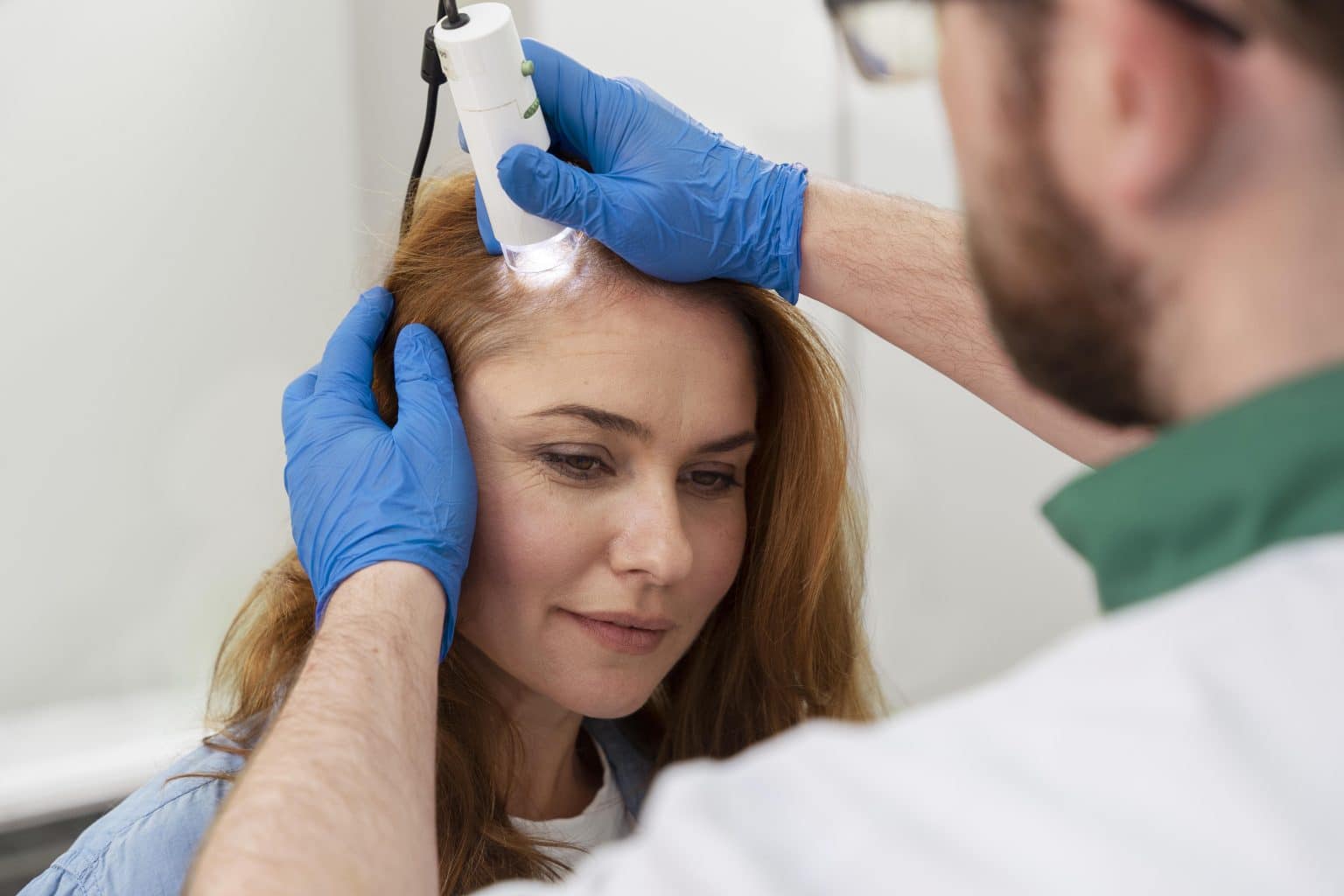
A trichologist is trained to look at issues like thinning, breakage, shedding, and scalp discomfort. They often use tools like trichoscopes, which zoom in on the scalp or even microscopes to study what’s going on.
Unlike dermatologists who treat many skin conditions, trichologists focus only on hair and scalp.
They consider diet, stress, and hormones when figuring out what’s causing your problem, and build a treatment plan that fits your needs. While they can’t give prescriptions, they often work closely with doctors when needed.
Does Everyone Need to See a Trichologist?
Not everyone needs a trichologist, but understanding trichology helps decide if it’s right for you.
Routine hair care can be handled at home or with your stylist, but persistent or worsening problems may need a trichologist’s expertise.
Consider seeing a specialist for sudden hair loss, chronic scalp issues, or unresponsive problems. They can identify causes like nutritional deficiencies or hormonal imbalances and develop targeted treatments.
Trichologists are recommended for people dealing with conditions like alopecia, stubborn dandruff, or scalp irritation. They fill the gap between hairstylists and dermatologists.
In short, you might not need one unless your hair or scalp health requires professional assessment and specialized care.
Common Conditions Treated by Trichologists
Trichologists often treat problems that people deal with for years without answers. These include:
| Condition | Symptoms & Focus Area |
|---|---|
| Hair Loss (Alopecia) | Thinning, bald patches, shedding |
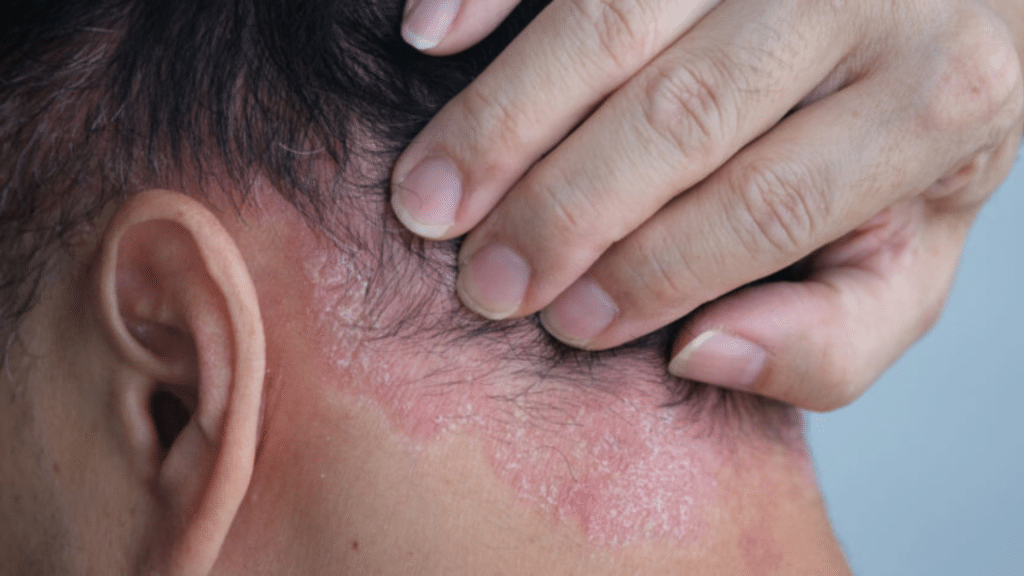
| Dandruff/Seborrheic Dermatitis | Flaky, itchy scalp |
| Scalp Psoriasis | Thick scales, irritation |
| Telogen Effluvium | Post-stress or illness hair shedding |
| Traction Alopecia | Hairline recession from tight styles |
| Oily/Dry Scalp | Imbalanced scalp environment |
If any of these sound familiar, a trichologist can help figure out what’s causing the problem and how to treat it.
When to See a Trichologist and What to Expect at Your First Visit
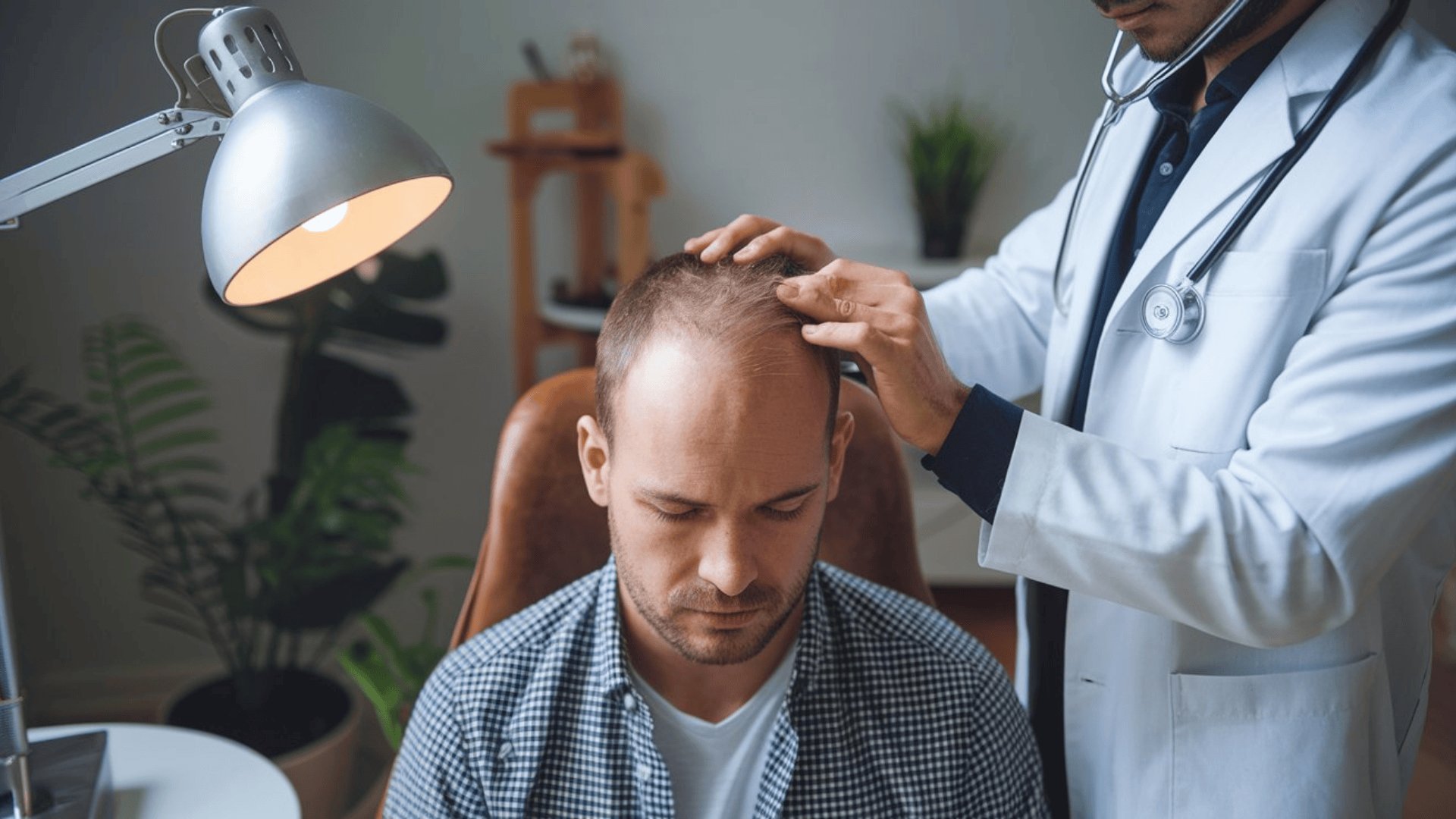
Not sure if your hair issues need more than a new shampoo? If thinning, flaking, or breakage don’t improve, consider seeing a trichologist, who specializes in scalp and hair health between a stylist and dermatologist.
Here’s how to know it’s the right move and what that first appointment typically looks like.
- Hair loss that’s sudden or gradually worsening
- Itchy, flaky, or inflamed scalp that doesn’t improve with drugstore treatments
- Localized thinning, breakage, or visible bald spots
- Scalp bumps, irritation, or persistent discomfort
- You want a personalized approach that combines science and holistic care
During your first appointment, you can expect:
- A detailed scalp and hair analysis using tools like a trichoscope
- A review of your health history, including diet, stress, medications, and hormone levels
- An assessment of your current hair care routine
- Potential referrals for lab testing or further diagnostics
- A customized treatment plan that may include product recommendations, supplements, or lifestyle changes
Many people leave their first trichologist visit feeling hopeful, with a clear plan for moving forward.
Dermatologist vs Trichologist
When dealing with hair or scalp issues, knowing who to turn to, a trichologist or a dermatologist, can help you get the right care faster.
| Feature | Trichologist | Dermatologist |
| Credentials | Non-MD, specialized certification | Licensed medical doctor |
| Treatment Focus | Hair & scalp care | Skin, nails, hair, and diseases |
| Can Prescribe Medication | No | Yes |
| Uses Natural Products | Often | Not always |
| Referral Role | Refers to MD when needed | Can refer to other specialists too |
Choosing between the two depends on your needs. For medical skin concerns, see a dermatologist. For hair-focused care, a trichologist might be ideal.
How Trichologists Assist with Hair Loss and Their Treatments
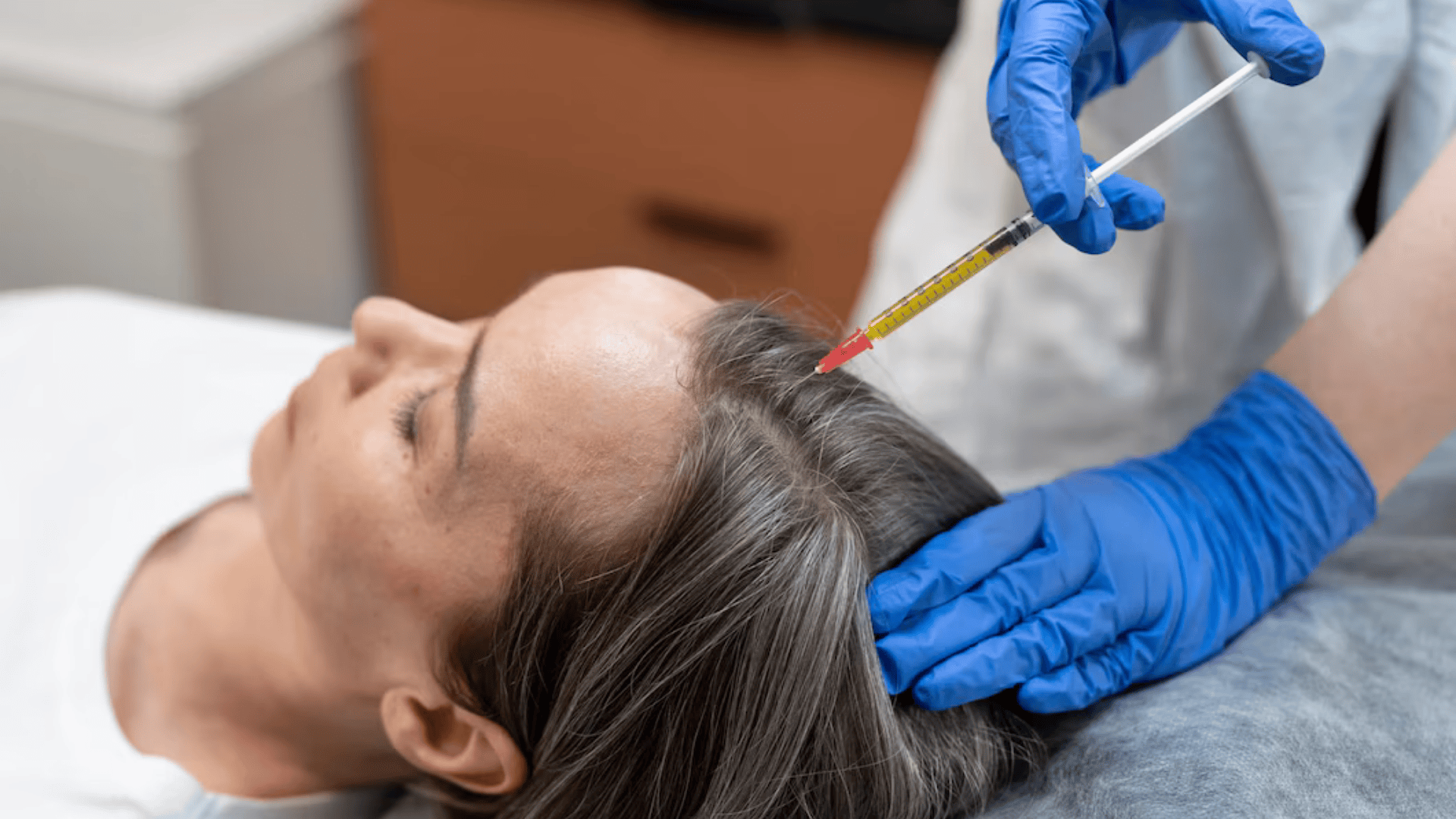
Hair loss can stem from many causes, and trichologists are trained to look at the full picture. They help by:
- Identifying the type of hair loss (alopecia areata, telogen effluvium, etc.)
- Tracking progress through photos and follow-ups
- Offering non-pharmaceutical treatments
- Guiding patients toward medical referrals if autoimmune or hormonal issues are suspected
They may also offer or recommend treatments such as:
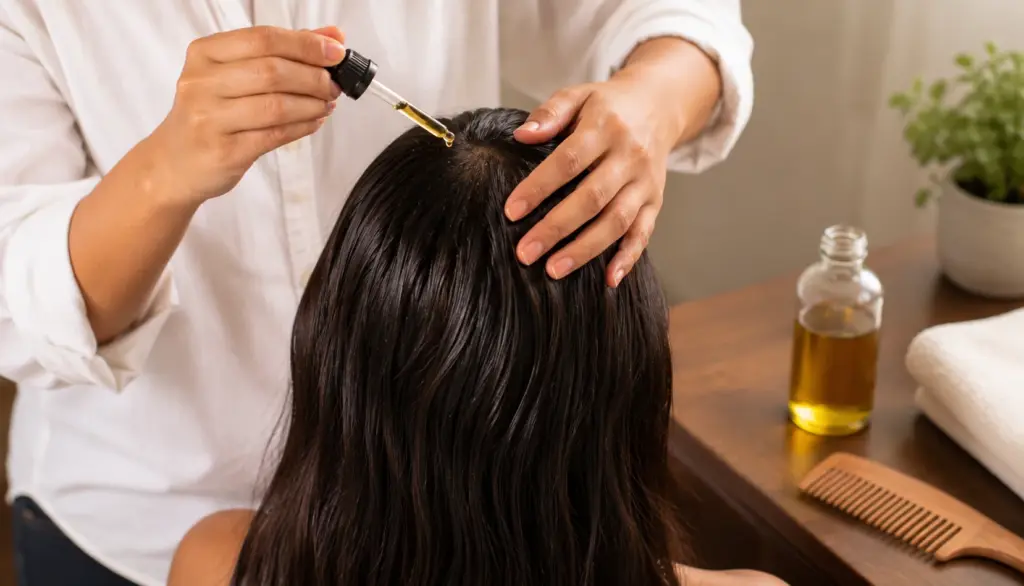
- Deep scalp cleansing and detox
- Microneedling or LED light therapy
- Low-Level Laser Therapy (LLLT)
- PRP (Platelet-Rich Plasma) referrals
- Herbal or natural topical formulas
- Nutritional support to address deficiencies
They help make sense of what’s going wrong and build a plan that fits your hair type, habits, and health history.
How to Find a Certified Trichologist
To find a trusted certified trichologist, check if they have credentials from reputable organizations like the International Association of Trichologists (IAT) or the World Trichology Society (WTS), which ensure proper training and ethics.
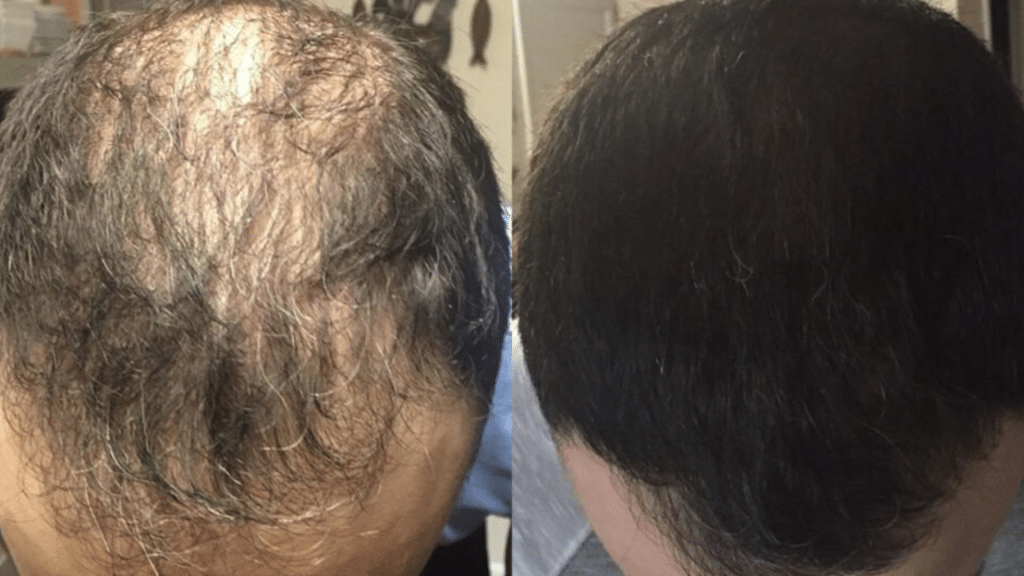
Next, browse through patient reviews and testimonials to understand their track record. It also helps to ask for before-and-after photos of previous cases to gauge their treatment success.
If you have complex medical concerns, confirm whether the trichologist collaborates with dermatologists or doctors.
Lastly, during your initial contact, inquire about their consultation process, the diagnostic tools they use, and what kind of ongoing follow-up care they offer.
Trichology as a Career
Trichology is not a licensed medical field in most countries, but it is recognized as a complementary specialty.
While trichologists can’t diagnose serious medical diseases or prescribe medications, their deep focus on hair and scalp health fills a much-needed niche in the wellness space.
More health professionals are partnering with trichologists to offer integrative care for patients struggling with chronic hair loss or scalp disorders.
If you’re interested in becoming a trichologist:
- Start with a background in cosmetology, nursing, or biology
- Enroll in a trichology certification program (IAT, WTS, etc.)
- Expect 6 months to 2 years of study plus hands-on training
- Continuing education is encouraged
- Some professionals choose to specialize further in transplant support or holistic scalp care
Trichology may not be a medical degree, but it offers a specialized, rewarding path for those passionate about hair and scalp health.
Wrapping it Up
If you’ve been struggling with hair loss or scalp issues that persist, a trichologist could be the expert you’ve been missing.
They don’t just guess what’s wrong; they take a close look at your hair, habits, and health to find real solutions. They also create personalized treatment plans instead of one-size-fits-all advice.
And perhaps most importantly, they listen, really listen, to your concerns.
Now that you know what is trichology and what is a trichologist, you can decide if this type of care is the right fit for your needs. For many people, it’s the first time someone has taken their hair concerns seriously.