

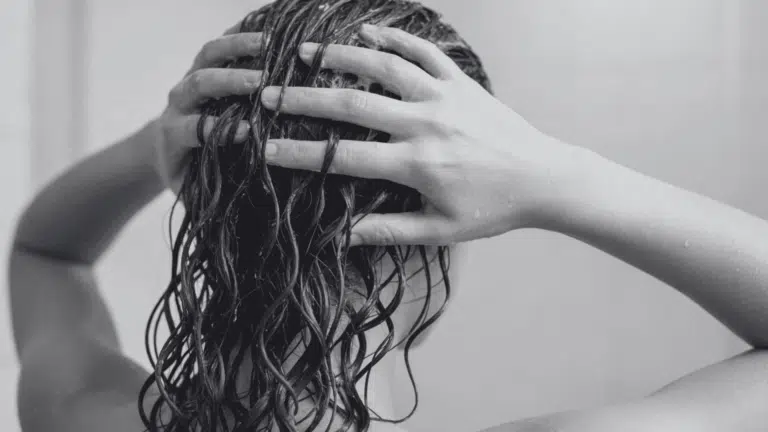
Does your hair also feel like straw after washing it?
Mine used to tangle so badly that brushing felt like a full arm workout. For the longest time, I thought its either my hair type or my shampoo.
But it turns out, I was using conditioner wrong or skipping it because I was lazy!
Once I finally learned what conditioner does and how to use it right, my hair became manageable.
So what does conditioner do, exactly? And what is conditioner for if shampoo already cleans your hair?
Let’s find out.
Let’s Start with the Benefits of Conditioner
Conditioner does way more than soften your hair.
It fights frizz, prevents breakage, and protects your strands from daily damage.
1. Brings Back Lost Moisture
Conditioner refills dry strands with hydration, leaving your hair feeling soft rather than rough and scratchy.
It fights frizz, prevents breakage, and protects your strands from daily damage.
Shampoo strips away natural oils, and conditioner puts moisture back where it belongs.
2. Makes Detangling Way Easier
It smooths down the outer layer of each strand so your brush glides through instead of getting stuck in knots.
Less tugging means way less breakage when you’re getting ready in the morning.
3. Boosts Shine Like Crazy
Smooth hair reflects way more light than damaged, rough hair ever could, giving you that glossy look.
Conditioner seals the cuticle so your hair catches light from every angle.
4. Strengthens Weak Strands
Proteins and nutrients in conditioner patch up damage and help hair stretch without snapping when you style it.
Over time, your hair becomes more resistant to everyday stress and heat tools.
The conditioner added moisture to my hair, reducing breakage when I combed it.
5. Shuts Down Frizz for Good
It locks moisture inside your hair, so humidity can’t sneak in and turn everything into a frizzy mess.
These benefits stack up fast when you use conditioner consistently.
What Does Hair Conditioner do for Different Hair Types?
Those benefits sound great, but how you use conditioner really depends on your specific hair needs.
1. Fine or Oily Hair
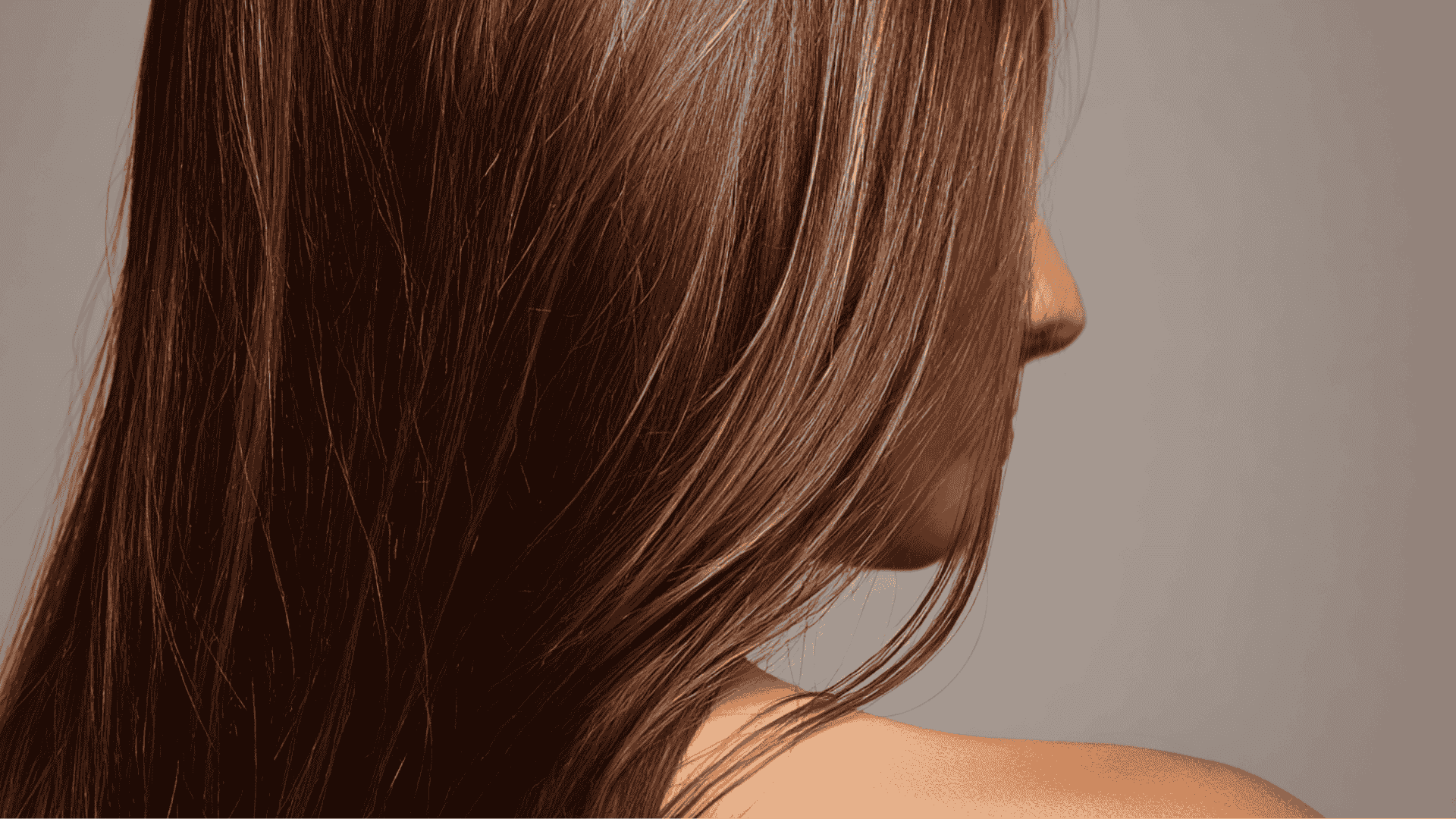
Lightweight formulas work best, as heavy conditioners can make fine strands look flat and greasy.
Only apply to the ends, not on your scalp, to avoid weighing down your roots.
Volumizing or clarifying conditioners give you moisture without the heaviness that kills your hair’s natural bounce.
My fine hair would go completely flat whenever I used my thick, creamy conditioner.
Recommended Product:Kristin Ess The One Signature Conditioner
It offers a lightweight formula that won’t flatten fine hair while still providing enough moisture to prevent tangles.
2. Dry or Frizzy Hair
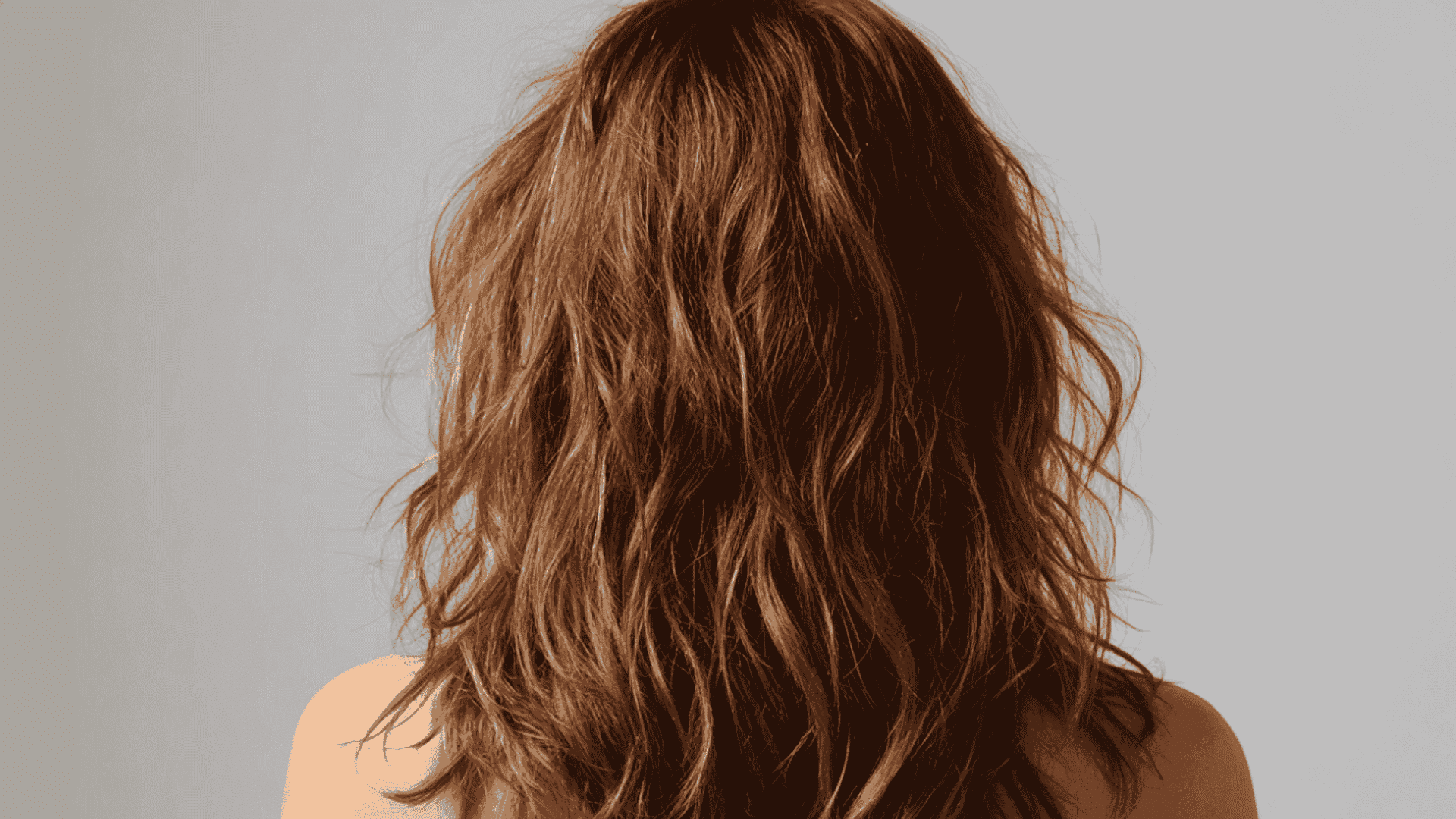
Creamy, moisturizing conditioners with shea butter or natural oils tame frizz and bring back softness.
Slather it on generously from mid-length to tips and let it sit for a few minutes before rinsing so your thirsty strands can soak up all that hydration.
Recommended Product:Redken All Soft Conditioner
It delivers serious moisture, smoothing frizz without leaving hair feeling heavy or greasy.
3. Curly or Textured Hair
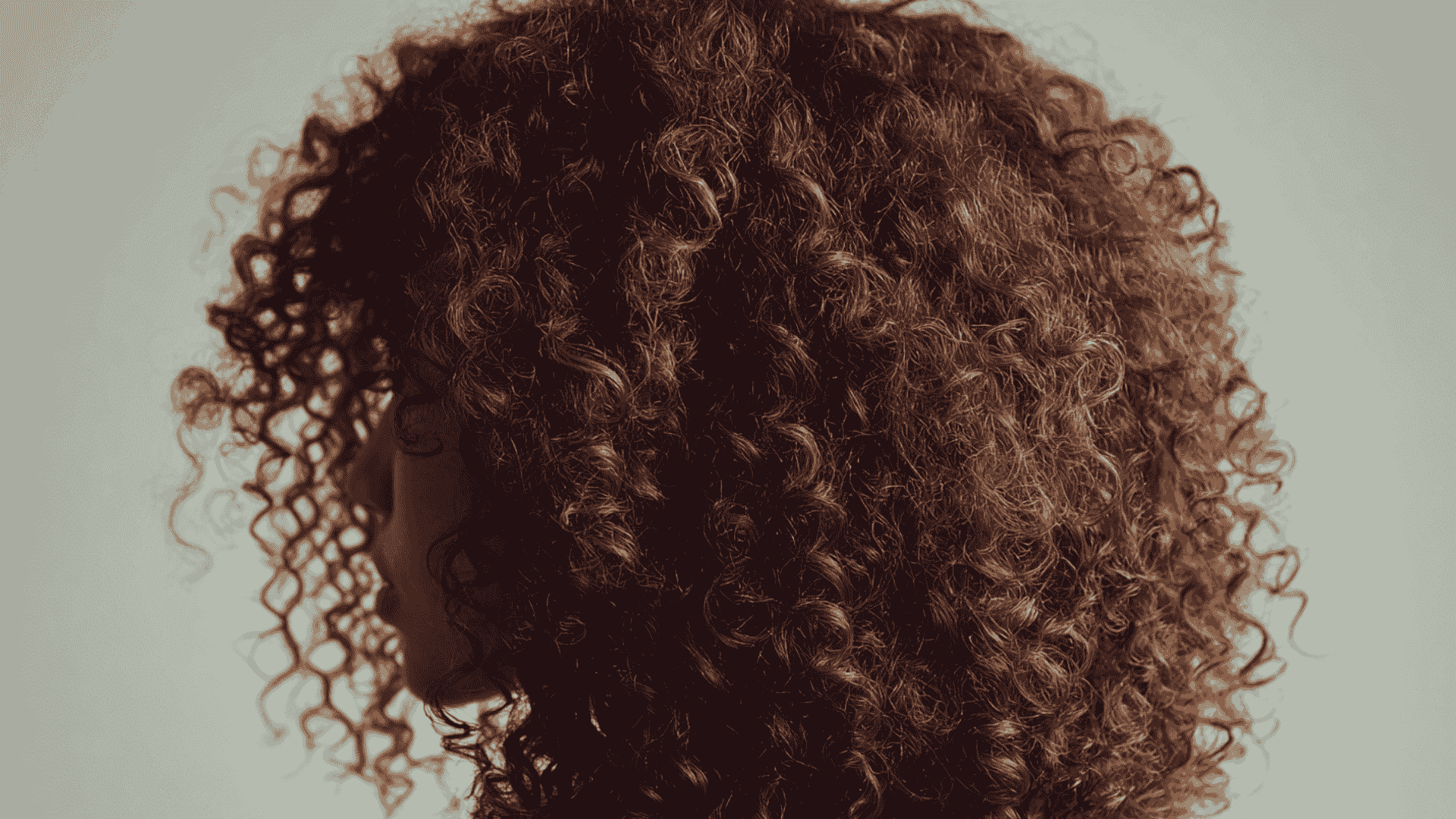
Rich, thick conditioners define your curl pattern and lock in the extra moisture curls desperately need.
Many people with curly hair condition every wash, but shampoo only once or twice a week.
Co-washing (cleansing with conditioner) keeps natural oils intact instead of stripping them away.
Recommended product:Briogeo Curl Charisma Rice Amino + Avocado Leave-In Defining Crème
My sister has curly hair, totally opposite of my fine hair, and this conditioner hydrates textured hair, defines curls, fights frizz, and doesn’t leave crunchy buildup.
4. Color Treated or Damaged Hair
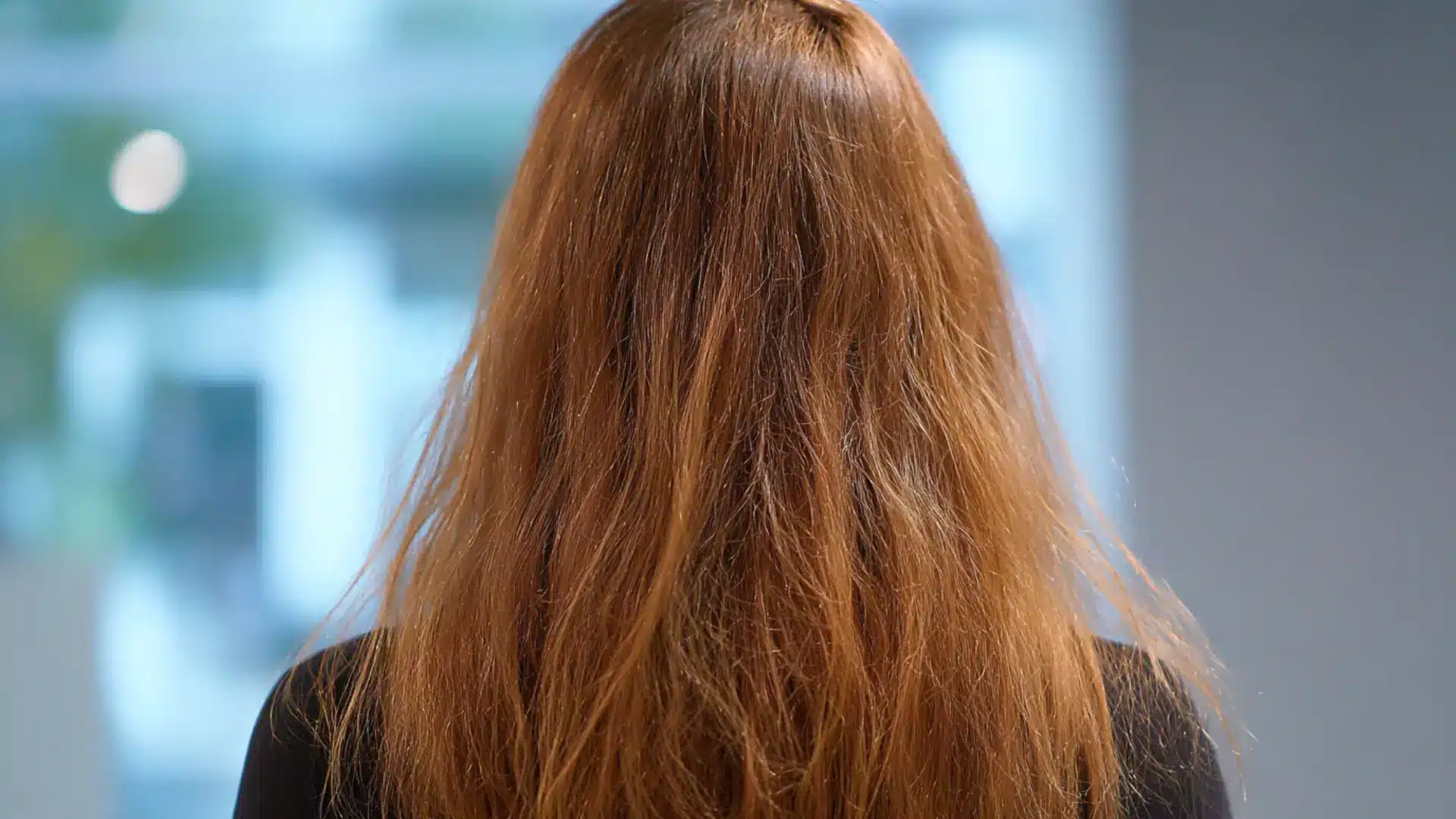
Color-safe formulas with proteins rebuild strength in chemically processed hair, helping your color last longer.
Deep conditioning masks, used once a week, give damaged strands the extra repair time they need to recover from bleaching, dyeing, or heat damage.
Recommended products:Olaplex No. 5 Bond Maintenance Conditioner
This repairs broken bonds in damaged hair and strengthens strands from the inside out.
For daily hydration, Moroccanoil Hydrating Conditioner uses argan oil to add moisture and shine without weighing down compromised hair.
How to Use Conditioner Properly?
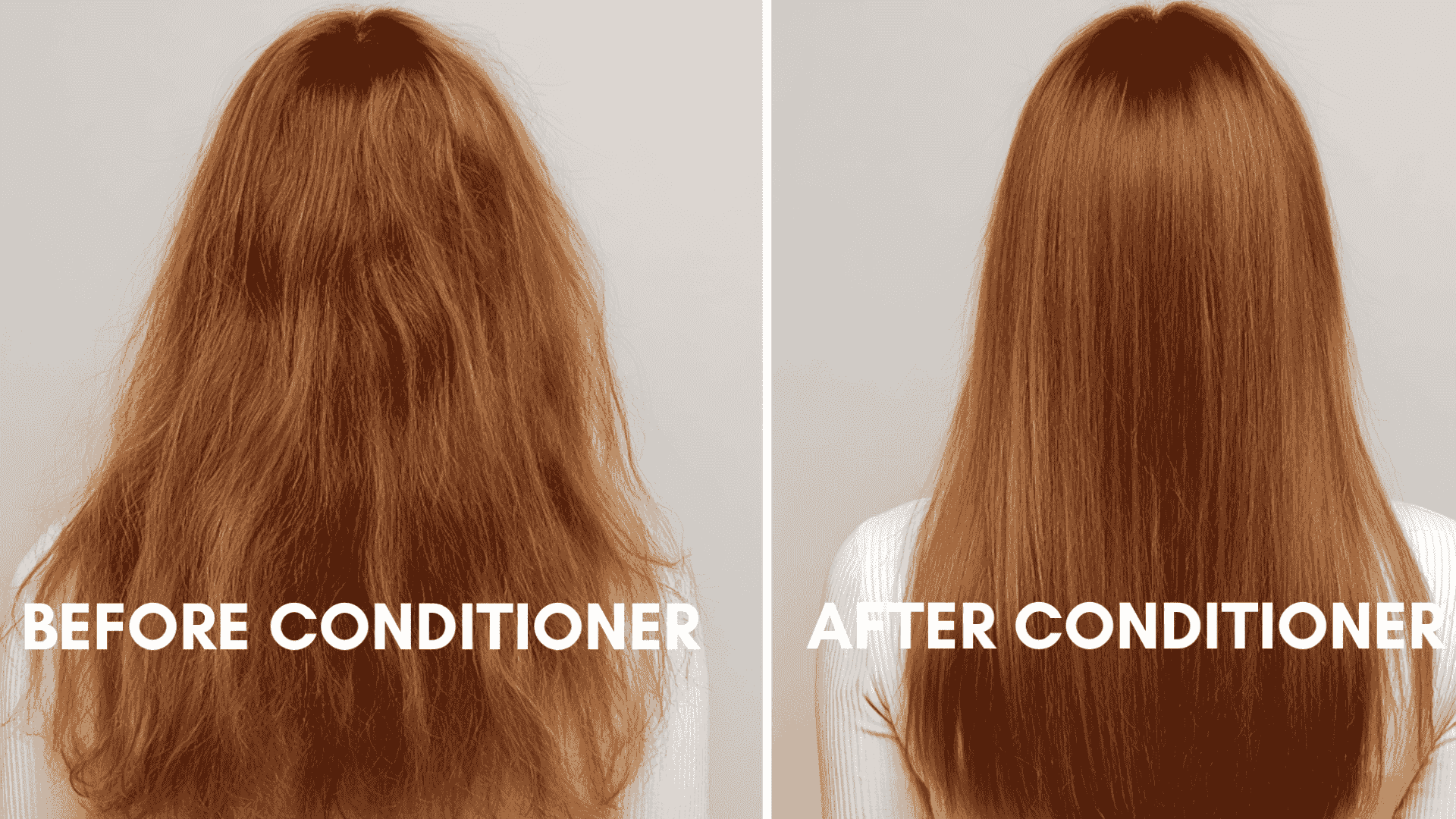
You’d think knowing what conditioner does would make applying it straightforward, but getting the technique down made a noticeable difference in how my hair looks and feels.
Step 1: Squeeze Out Excess Water
After shampooing, gently squeeze water from your hair before applying conditioner.
Soaking wet hair can’t absorb product as well because the water takes up space in the strands.
Step 2: Use the Right Amount
- Short hair: Quarter-sized dollop
- Medium hair: Nickel to quarter size
- Long hair: Half-dollar size or slightly more
I take a quarter size because I have fine hair.
You can always add more if needed, but too much can weigh hair down and waste product.
Step 3: Focus on Ends and Mid-Lengths
Work conditioner through your ends and mid-lengths only, keeping it away from your scalp.
Your roots already produce natural oils, so adding conditioner there can make your hair greasy and flat, with zero volume.
Concentrate on the parts that actually need moisture and repair.
Keeping conditioner off your scalp is literally the secret to avoiding greasy hair.
Step 4: Let it Sit
Two to three minutes works for regular conditioner since your hair absorbs what it needs quickly.
Deep treatments and masks need longer, though, around 10 to 20 minutes, to really penetrate and fix damage.
Step 5: Rinse with Cool Water
Rinse the conditioner throughout your hair.
Use cool water, as it seals the cuticle and locks in the moisture you just added.
Hot water opens everything up and washes the good stuff right down the drain, so keep the temperature down for better results.
Can Conditioner Damage Your Hair?
Conditioner helps most people, but using it wrong can backfire.
Using too much or applying it incorrectly can actually create problems rather than solve them.
Too much makes hair limp, greasy, and weighed down since strands can only absorb so much before getting oversaturated.
Stick to two or three times a week unless your hair is extremely dry or curly.
I used to think more meant better, but my hair just looked weighed down and unwashed.
Some ingredients, such as sulfates, fragrances, and proteins, can trigger scalp irritation, redness, or breakouts.
If you notice itching or rashes, switch to a different formula or do a patch test first.
Dry Your Hair Without Frizz
The way you dry your hair can make or break your whole look.
Rubbing a regular towel over the hair creates friction that roughs up your hair and invites frizz.
Microfiber towels or old t-shirts beat regular towels because the smooth fabric doesn’t irritate your cuticles and helps tame frizz.
Just squeeze sections to soak up water.
Crank down that blow dryer heat. Medium or cool air takes longer, but saves you from the frizz monster later. Point the nozzle down your hair shaft and keep it moving.
Air drying works great, too, if you’re patient and your hair plays nice.
I keep switching between air-dry and blow-dry, but microfibre towels are my constant.
Other Types of Conditioner
Regular rinse-out conditioner isn’t your only option.
Different formulas tackle specific hair problems and fit into various routines depending on what your hair needs most.
Leave-In Conditioner
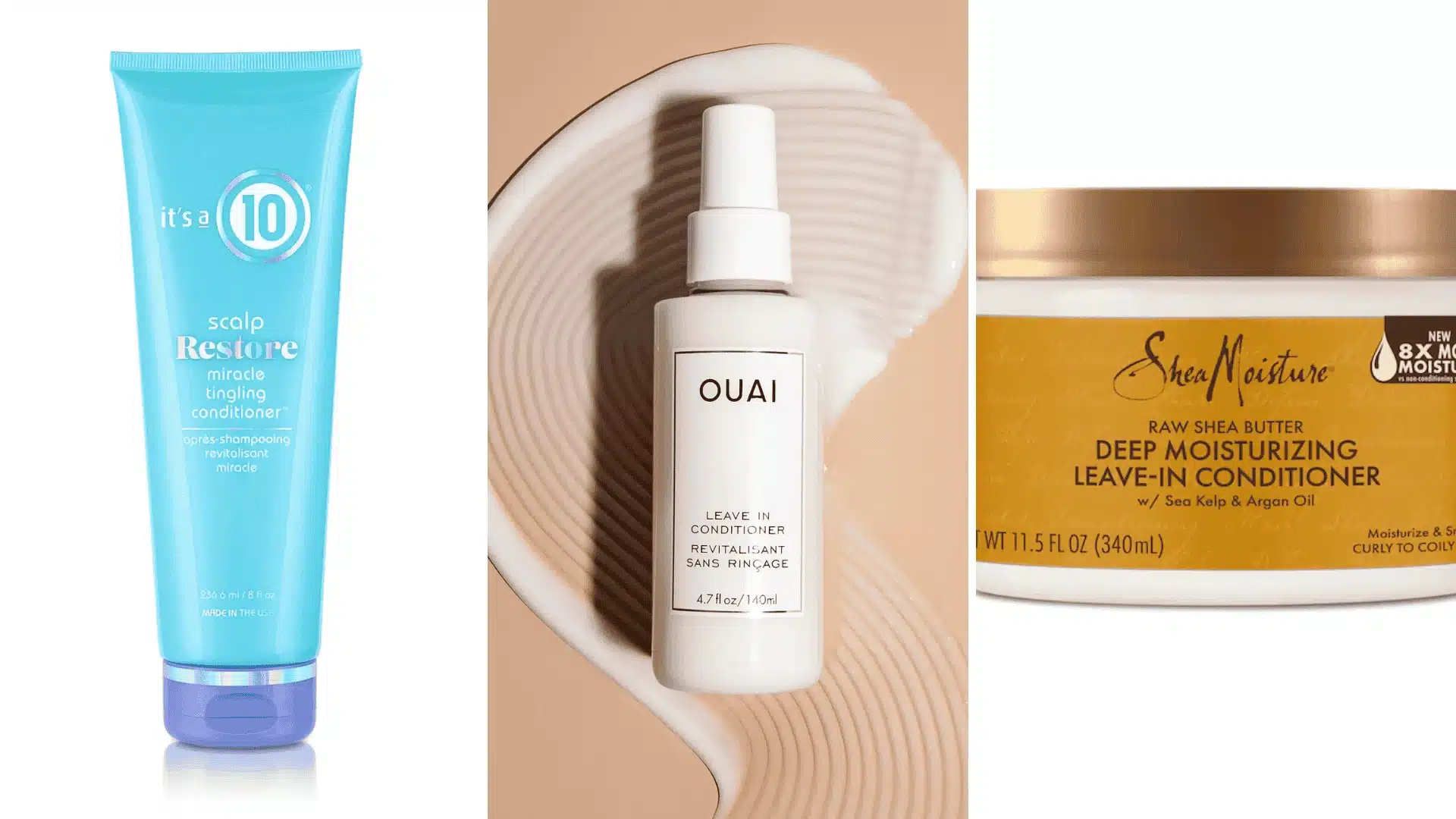
Leave-in conditioner formulas stay in your hair all day rather than being rinsed out.
They provide ongoing protection against heat styling, humidity, and environmental damage.
Spray or cream versions work great for detangling and adding extra moisture without the weight of traditional conditioner.
From my point of view, one should start using leave-in conditioner on days when hair feels extra dry, and it makes styling so much easier
Recommended Products
1. It’s a 10 Haircare
It’s a 10 Haircare is a lightweight leave-in formula that helps detangle, protect against heat, and control frizz, without feeling heavy or greasy across many hair types.
2. OUAI
OUAI Salon-quality leave-in conditioner delivers a smooth, lightweight finish that’s ideal for fine to medium hair that needs moisture without losing volume.
3. SheaMoisture
SheaMoisture Nourishing leave-in conditioner is designed for dry, curly, and textured hair with moisture-rich formulas made from natural ingredients.
Deep Conditioning Masks
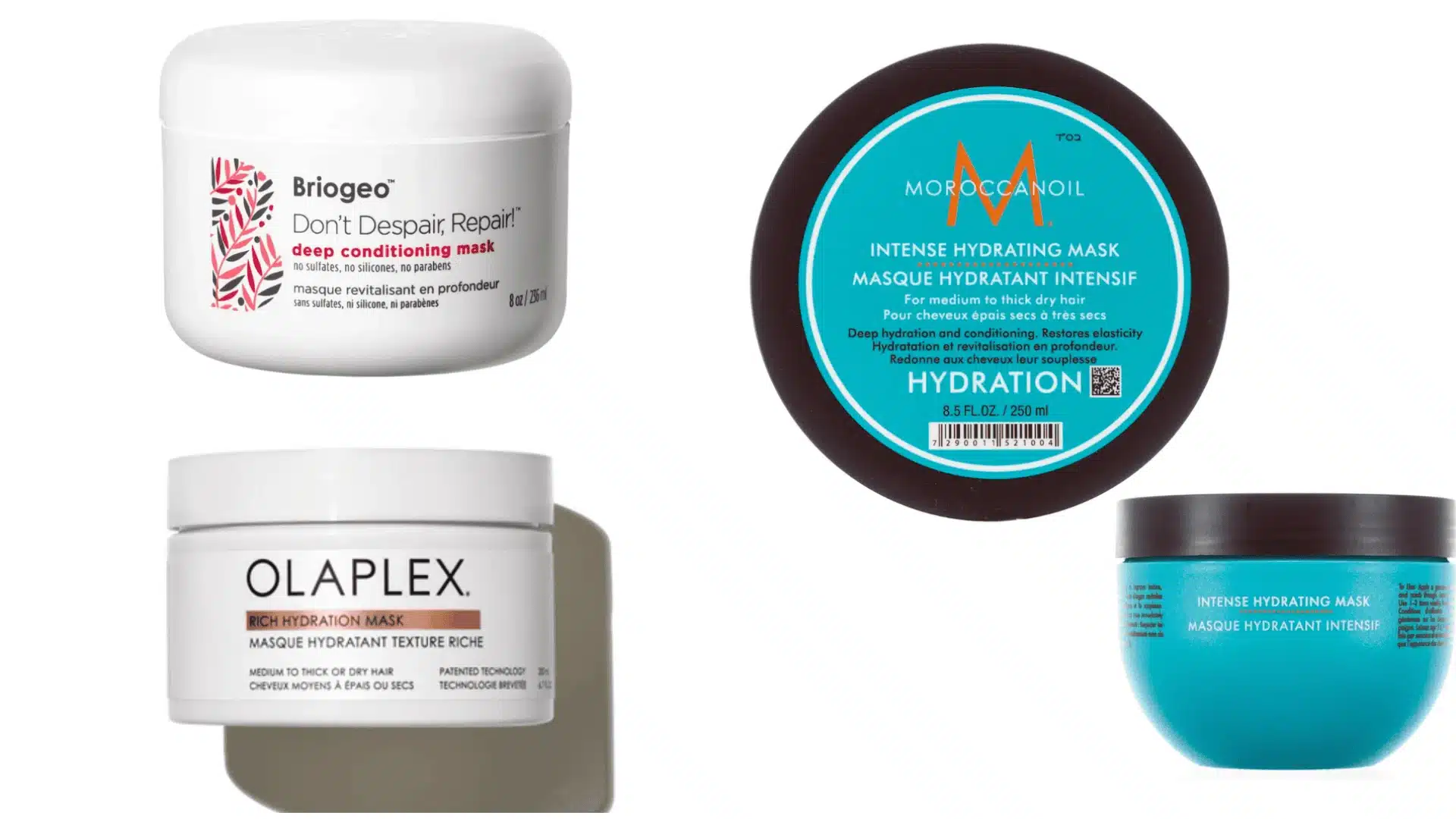
Hair masks pack way more concentrated ingredients than regular conditioner and need 10 to 20 minutes to work their magic.
Use them once a week or whenever your hair feels especially dry or damaged.
Sunday night, I realized how much damage I had, and deep masks helped my hair recover.
Recommended Products
1. Olaplex:
Olaplex masks repair damaged and chemically treated hair by strengthening hair bonds, especially helpful for hair affected by coloring or heat styling.
2. Briogeo:
Briogeo mask is an ingredient-focused deep conditioner that restores moisture, strengthens hair, and balances hydration without weighing hair down.
3. Moroccanoil:
Moroccanoil mask is a rich conditioning mask that softens dry, frizzy hair and improves manageability, popular for thicker or coarser hair textures.
Co Wash
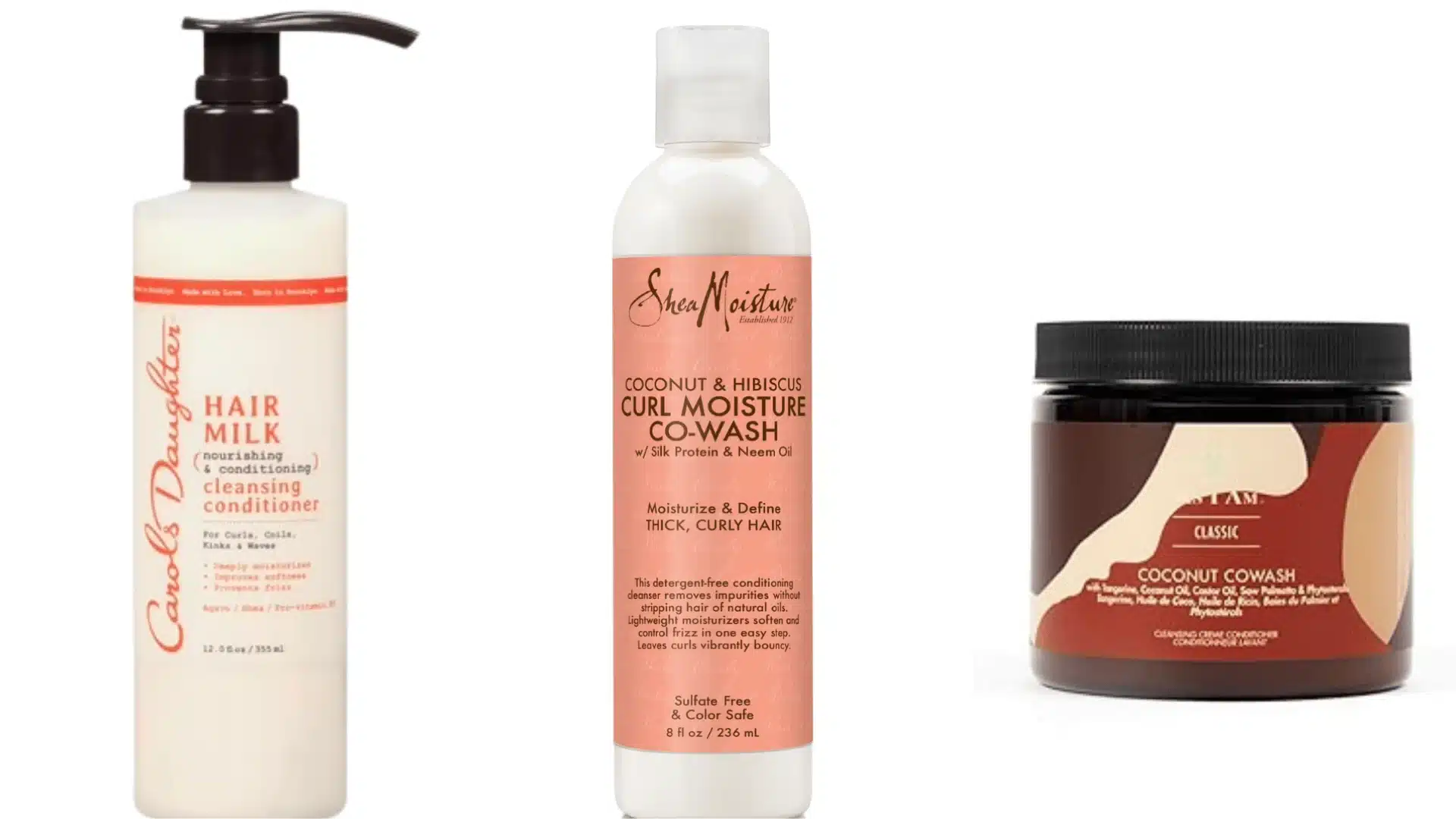
Co-wash products clean your hair without the harsh sulfates found in shampoo.
They’re popular with curly and textured hair types because they remove buildup while preserving natural oils.
Some people skip shampoo entirely and use co-wash between regular washes.
Recommended Products
1. As I Am
As I Am is a gentle cleansing conditioner that removes buildup while keeping hair moisturized, and is widely trusted in curly and textured hair communities.
2. Carol’s Daughter
Carol’s Daughter is a moisture-focused co-wash that helps maintain softness and reduce dryness between washes, designed with natural hair needs in mind.
3. SheaMoisture
SheaMoistureoffers sulfate-free co-wash options that cleanse without stripping natural oils, suitable for curls, coils, and dry hair types.
Protein Treatments
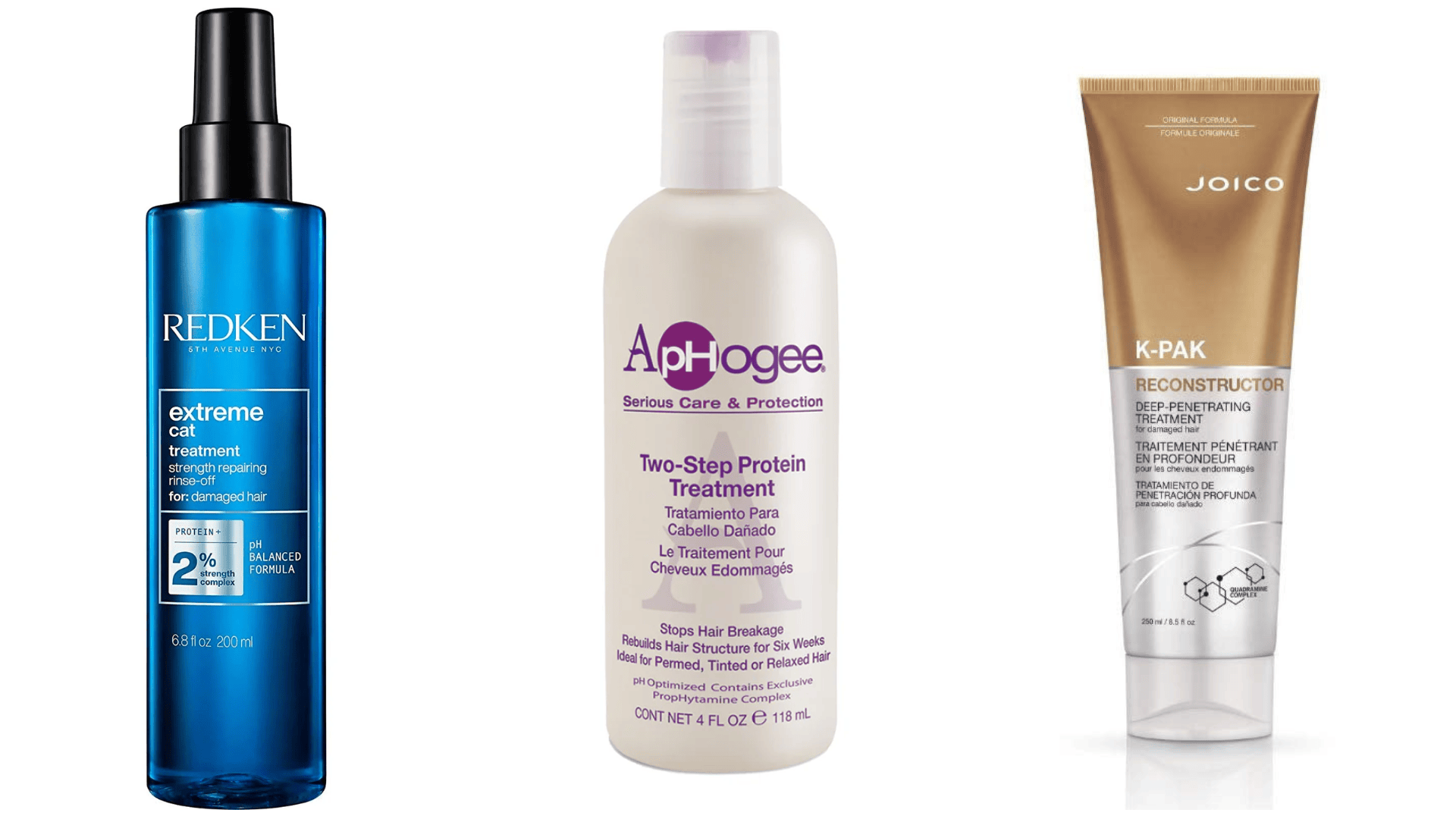
They work best for hair that’s been bleached, colored, or heat-styled too much.
Use them sparingly, though, because too much protein can make hair stiff and brittle rather than strong and flexible.
I made this mistake after bleaching my hair and went overboard with protein treatments. My hair felt like straw for two weeks.
Recommended Products
1. Aphogee
Aphogee is a well-known protein treatment that strengthens weak or over-processed hair and is best suited for occasional use rather than frequent application.
2. Redken
Redken is a professional-grade protein conditioners that improve strength while keeping hair flexible, often recommended for color-treated or heat-styled hair.
3. Joico
Joico isa keratin-based treatment that helps strengthen hair and reduce breakage, trusted by stylists to repair damaged hair.
What Ingredients to Avoid in Conditioner?
Not all conditioners are created equal, and some ingredients do more harm than good.
Checking labels saves your hair from unnecessary damage.
| Ingredient | Why Avoid It |
|---|---|
| Sulfates (SLS and SLES) | Strip natural oils, dry out hair, and make color fade faster |
| Heavy Silicones (Dimethicone) | Build up over time, block moisture, and leave hair dull |
| Parabens | Can irritate sensitive scalps and trigger allergic reactions |
| Synthetic Fragrances | Hide unlisted chemicals that cause headaches or skin irritation |
| Alcohols (Isopropyl, SD) | Dry out hair and make it brittle, especially for curly or textured types |
Wrapping It Up
Conditioner isn’t just an optional extra in your shower routine.
It’s what keeps your hair soft, manageable, and protected from daily wear and tear.
For a while, I applied it wrong and ended up with greasy hair by midday, but now I know the right technique, and so do you.
Whether you have fine strands or thick curls, nailing your conditioner routine makes all the difference.
Frequently Asked Questions
1. Can Conditioner Cause Hair Loss?
No, but applying it to your scalp can clog pores and cause buildup that makes hair look thinner.
2. Can I Leave Regular Conditioner in My Hair Overnight?
No, regular conditioner isn’t meant to stay in that long and can cause buildup or irritation.
3. Does Conditioner Help with Split Ends?
It temporarily smooths split ends but can’t repair them permanently; only scissors can fix that.
4. Does Conditioner Expire?
Yes, most conditioners last 12 to 18 months after opening before ingredients start breaking down.