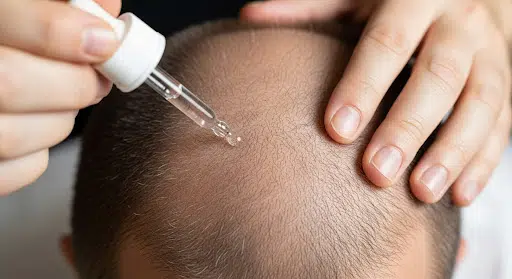


You have tried the serums, the supplements, the scalp massages. The shedding slows, then returns. What most people never consider is that the problem may not start at the scalp at all — it starts in the liver. The connection between liver health and hair growth is one of the least discussed but most clinically significant factors in unexplained hair loss, particularly when topical treatments and standard nutritional advice produce limited results. The liver sits at the center of nearly every process hair follicles depend on, and when it underperforms, the scalp is often one of the first places to show it.
What Role Does the Liver Play in Hair Growth?
The liver performs over 500 functions, many of which directly support hair follicle activity. It processes and stores the vitamins and minerals hair needs, synthesizes the proteins that form the hair shaft, metabolizes the hormones that regulate the growth cycle, and filters the toxins that, when left to accumulate, create systemic inflammation damaging to follicles.
When liver function declines — whether through alcohol use, fatty liver disease, chronic inflammation, or poor diet — this entire support system weakens simultaneously. The follicle does not receive adequate nutrition, the hormonal environment shifts unfavorably, and the body deprioritizes hair growth as a non-essential function under metabolic stress. Many of the nutrient shortages associated with hair loss — including low iron, zinc, and vitamin D — mirror exactly which vitamin deficiencies cause hair loss, not because the diet is poor, but because a stressed liver cannot process and deliver what is consumed.
How Does Liver Dysfunction Lead to Hair Loss?
Liver dysfunction disrupts hair growth through several interconnected pathways. The most immediate is protein synthesis. Hair is composed almost entirely of keratin, a protein the body must build from amino acids. The liver produces albumin and other carrier proteins that transport nutrients to follicles. When liver function declines, protein synthesis slows, and follicles receive less of what they need to produce strong, dense strands.
Alcohol is a significant driver of this decline. It depletes B vitamins, disrupts zinc absorption, and generates toxic byproducts that the liver must work to clear — diverting resources away from normal metabolic functions, including those that support hair. The benefits of quitting alcohol extend well beyond general health; for people experiencing unexplained hair thinning, removing alcohol gives the liver the recovery window it needs to restore normal nutrient processing and hormonal clearance.
Which Nutrients Does the Liver Process That Hair Depends On?
The liver’s role in nutrient metabolism makes it a central gatekeeper for follicle health. When it functions poorly, the following nutrients become depleted or poorly delivered regardless of dietary intake:
- Iron — the liver stores ferritin, the form of iron most directly linked to hair cycling; low ferritin is one of the most common findings in diffuse hair loss
- Zinc — processed and distributed by the liver; essential for follicle repair and the regulation of DHT, the androgen most associated with pattern hair loss
- Vitamin A — stored in the liver and released as needed; both deficiency and excess (which occurs when the liver cannot regulate release) cause shedding
- Vitamin D — activated through a liver conversion step before it can support follicle cycling
- Vitamin B12 — dependent on liver storage; deficiency reduces red blood cell production and oxygen delivery to follicles
- Protein and amino acids — the liver coordinates their synthesis and transport; inadequate delivery means insufficient keratin production
These are the same deficiency patterns consistently identified in hair loss cases — vitamin and mineral deficiencies causing hair loss often trace back to absorption and delivery failures rather than dietary gaps alone.
How Does the Liver Regulate the Hormones That Control Hair Cycles?
The liver is the body’s primary site of hormone metabolism. It breaks down excess estrogen, converts thyroid hormones into their active forms, and clears DHT — the androgen responsible for follicle miniaturization in androgenetic hair loss. When the liver underperforms, these processes slow or fail.
Excess estrogen, which the liver would normally clear, can accumulate and disrupt the hair growth cycle by shortening the anagen phase. Elevated DHT, which the liver would partially metabolize, accelerates follicle shrinkage. Impaired thyroid hormone activation produces the same diffuse thinning seen in clinical hypothyroidism, without the thyroid itself being the problem.
A review published in PMC by the National Institutes of Health on the influence of sex hormones in liver function and disease documents how the liver metabolizes testosterone, estrogen, and DHT through phase I and phase II pathways — and how hepatic dysfunction systematically alters that clearance, creating hormonal imbalances with downstream effects on tissues, including the scalp.
What Can You Do to Support Both Liver and Hair Health?
Supporting liver function is one of the most direct ways to address hair loss that has not responded to conventional treatments. The liver has significant regenerative capacity, and meaningful functional improvement is possible through consistent lifestyle changes.
The most evidence-backed steps include:
- Reducing or eliminating alcohol
- Increasing intake of cruciferous vegetables (broccoli, kale, Brussels sprouts), which support liver detoxification pathways,
- Prioritizing adequate protein
- Maintaining stable blood sugar to reduce fatty liver progression
The American Liver Foundation’s guidance on liver health and diet identifies reducing alcohol, increasing fiber from whole foods, limiting saturated fats, and maintaining a healthy weight as the foundational steps for supporting liver function — the same changes that create the conditions for follicle recovery downstream.
Start With the Organ Your Hair Depends On
The connection between liver health and hair growth rarely appears on the checklist when people first investigate hair loss, but it deserves to be near the top for anyone who has ruled out genetics, thyroid dysfunction, and obvious nutritional deficiencies without finding a satisfying answer. If unexplained shedding persists, ask your doctor for a liver function panel alongside the standard hair loss bloodwork. Once liver function stabilizes, supporting faster and healthier hair growth through targeted nutrition and scalp care accelerates the recovery you have already set in motion internally.