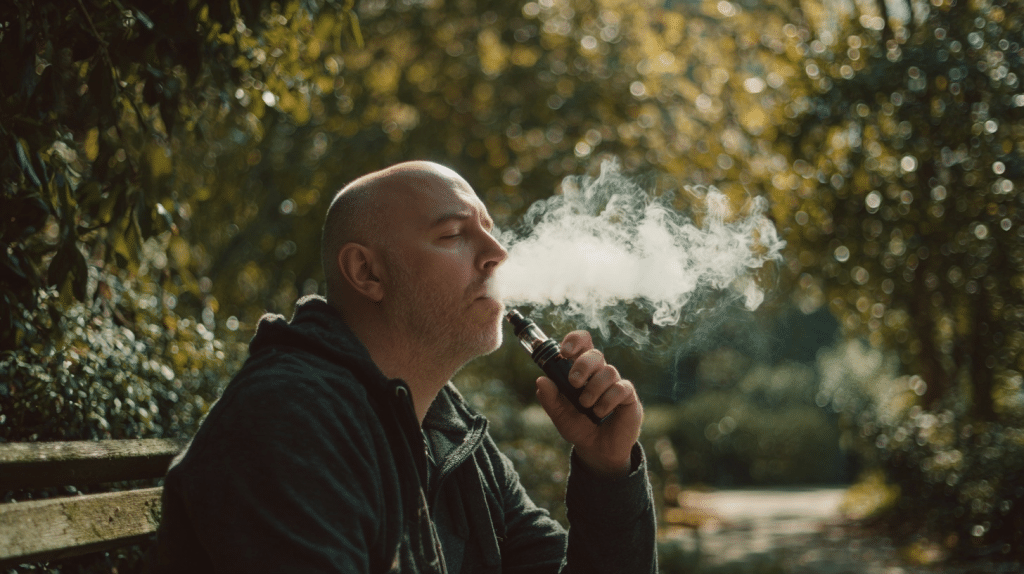


Health is often shaped by small decisions repeated every day rather than one dramatic choice. That is why reviewing your routines can be more useful than chasing a quick fix. For adults looking to remove nicotine from their vaping routine, alt. offers a collection of nicotine free vape products with a stated strength of 0 mg/mL. This may suit someone working toward less nicotine, but nicotine free does not mean risk free. The World Health Organization also notes that electronic delivery systems are not harmless. With that in mind, here are ten everyday habits worth reconsidering if you want to protect your health for the long term.
1. Sitting for Most of the Day
A desk job, long commute and several hours of evening streaming can create a very sedentary routine. Even occasional exercise may not fully offset long periods of sitting. The World Health Organization explains that physical inactivity is linked with poorer health outcomes and that any amount of movement is better than none. Read its physical activity fact sheet for broader guidance. Try standing during calls, walking during breaks or adding short movement sessions between tasks.
2. Treating Sleep as Optional
Staying up late to finish work, scrolling in bed or changing your sleep schedule every night can leave your body without enough recovery time. Poor sleep may affect mood, concentration, appetite and energy. Start with a consistent wake time and create a short wind down routine without bright screens. If sleep problems continue, speak with a qualified health professional.
3. Drinking Your Calories
Soft drinks, sweetened coffees, energy drinks and large servings of juice can add considerable sugar to an ordinary day. Liquid calories are quick to consume and may not feel as filling as food. Water is a simple default, while unsweetened tea or coffee can add variety. Making sugary drinks occasional rather than automatic can improve the overall quality of your diet.
4. Eating Without Enough Fibre
A routine built around refined snacks and convenience foods may leave little room for fibre. Fibre supports digestion and can be found in vegetables, fruit, beans, lentils, nuts, seeds and whole grains. Add it gradually and drink enough water as your body adjusts. Try adding vegetables to one meal, choosing whole grain bread or keeping fruit where you can see it.
5. Relying on Caffeine to Cover Exhaustion
Caffeine can be useful, but using it to mask constant tiredness may hide the real problem. Extra coffee or energy drinks can also affect sleep, creating a cycle of fatigue and more caffeine. Notice when you reach for another drink and ask whether you need rest, food, water or a short break. Keeping caffeine earlier in the day may help protect your sleep routine.
6. Ignoring Hydration
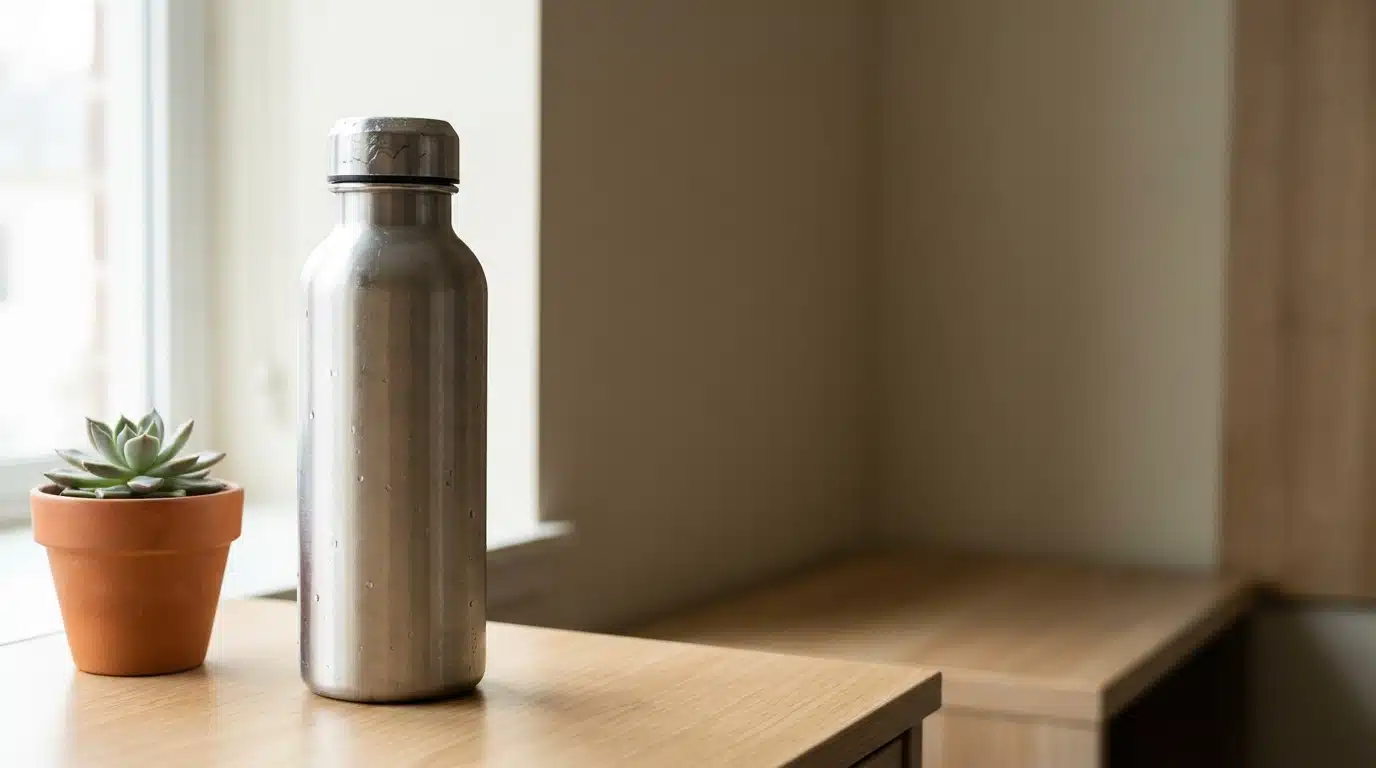
A busy day, warm weather, travel and exercise can all increase your need for fluids. Many people wait until they feel thirsty before drinking, then try to catch up quickly. Keep a reusable bottle nearby and drink regularly. Your needs will vary depending on activity, climate, body size and medical conditions, so seek professional guidance if you have a condition that affects fluid balance.
7. Assuming Nicotine Free Means Harmless
Removing nicotine can be a meaningful step for an adult trying to reduce nicotine exposure, but it does not make vaping a health product. The World Health Organization says electronic nicotine and non nicotine delivery systems are not harmless, while their long term effects are still being studied. Read its brief on electronic delivery systems for more context. Do not add substances to a device, follow product instructions and keep vaping products away from children. People who do not use tobacco or vaping products should not start.
8. Spending Every Break on a Screen
Checking messages during breakfast, lunch and downtime can make it difficult for your brain to switch off. Constant notifications may also encourage you to remain seated and postpone meals, movement or genuine rest. Create a few phone free moments during the day, such as the first fifteen minutes after waking or the final thirty minutes before bed. Keeping your phone out of reach can make this change easier.
9. Skipping Sun Protection
Sun exposure is easy to underestimate when you are driving, walking to work or sitting outdoors for a short time. Repeated exposure can contribute to premature skin ageing and skin damage. Make sunscreen, protective clothing, shade and sunglasses part of your normal outdoor routine rather than something reserved for beach days. Ask a clinician to assess any skin spot that changes, bleeds or does not heal.
10. Treating Stress as Normal
A demanding schedule can make constant stress feel ordinary, but ongoing tension deserves attention. It may affect sleep, appetite, concentration, relationships and motivation to care for yourself. Build small recovery habits into your week, such as walking outdoors, speaking with someone you trust, enjoying a hobby or practising slow breathing. If stress feels overwhelming or affects daily function, contact a qualified health professional or local support service.
Make One Change at a Time
The habits that affect your health are not always dramatic. Often, they are the defaults you repeat when you are busy, tired or distracted. Choose one realistic change, attach it to an existing routine and review how you feel after a few weeks. A healthier life is built through consistent choices, informed adjustments and professional support when needed.