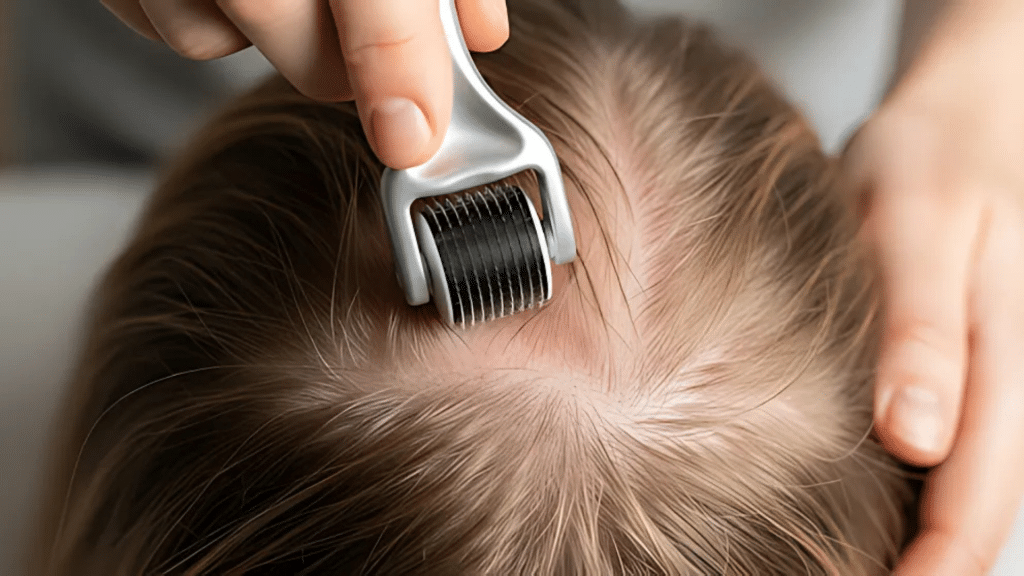

Hair loss affects millions of people all over the world. It can make you feel stressed and hurt your confidence. Many people have tried different shampoos, vitamins, or home treatments without seeing real results.
The thought of getting hair transplant surgery can feel scary because of the high cost, pain, and long recovery time.
Non surgical hair restoration gives you safe and helpful options to get back your hair thickness and confidence. You don’t need cutting, stitches, or weeks of healing time.
These treatments work with your body naturally and fit into your daily life easily. You can choose from simple at-home options or more advanced treatments at clinics.
The best part? You can see real results and feel better about yourself without the risks that come with surgery.
What Causes Hair Loss?
Hair loss happens for many different reasons. Finding out what’s causing yours is important before trying non surgical hair restoration treatments.
The most common cause is genetics, specifically male and female pattern baldness, which causes hair to thin over time. Hormone changes during pregnancy, menopause, or thyroid problems can also trigger loss.
Lifestyle factors like stress, poor nutrition, medications, heat styling, or tight hairstyles can weaken hair roots, too.
Understanding your specific cause helps you choose the best non surgical hair restoration treatment, whether it’s PRP therapy, laser treatment, or topical solutions.
What is Non-Surgical Hair Restoration?
Non surgical hair restoration means treatments that help you grow back hair without any surgery. These methods don’t need cutting or stitches. They work either on the outside of your scalp or inside your body.
Lots of people choose these treatments because they’re much safer than surgery. You usually don’t need to go to a hospital. You can do some treatments at home or visit a clinic. The best part is you don’t need much time to recover.
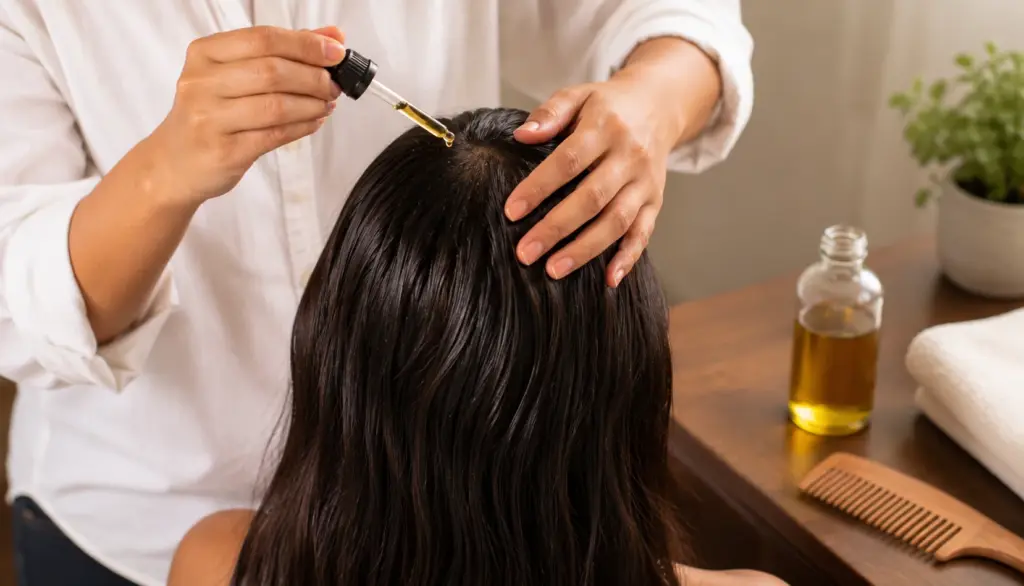
These treatments include special shampoos, medicines, light therapy, shots, vitamins, and creams you put on your scalp. The goal of non surgical hair restoration is to make your existing hair stronger and help new hair grow.
These options usually cost less than surgery and don’t cause as many problems. Most people can go back to their normal activities right away.
Popular Non Surgical Hair Restoration Treatments
Several effective non-surgical treatments can help restore your hair without going under the knife. These options range from medical procedures like PRP therapy to at-home devices and medications.
Each treatment works differently and offers unique benefits for various types of hair loss.
1. Platelet-Rich Plasma (PRP) Therapy
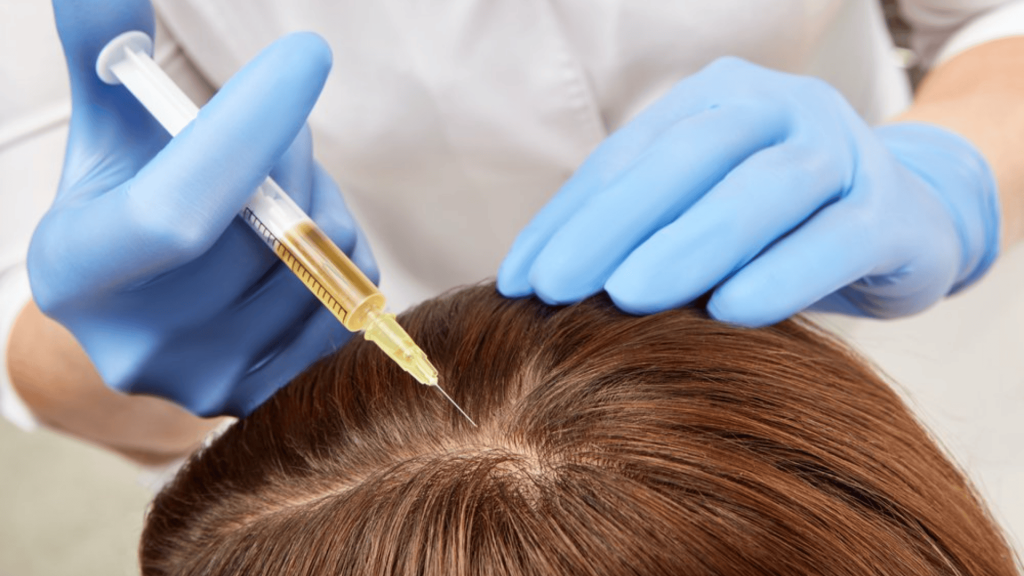
PRP therapy uses your own blood to stimulate hair growth.
Doctors draw your blood, separate the platelets, and inject them into your scalp. The growth factors in platelets help wake up sleeping hair follicles. Most people need three sessions spaced one month apart, then maintenance treatments every six months.
Studies show 60-70% of patients see improvement. The main benefits include natural results and minimal side effects. However, it can be expensive and requires multiple visits.
The average cost for PRP therapy ranges from $1,500 to $3,500 per treatment cycle.
2. Low-Level Laser Therapy (LLLT)
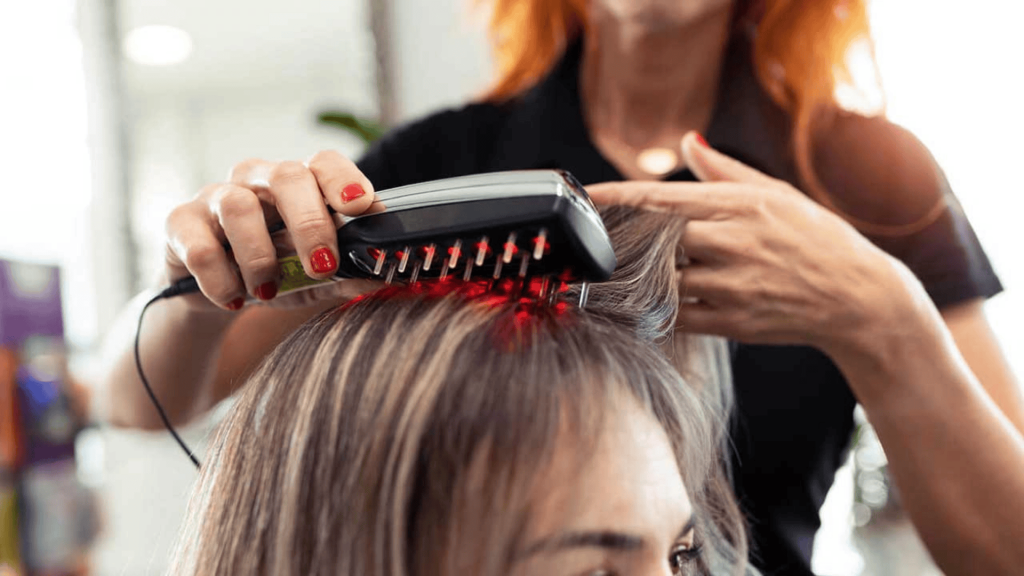
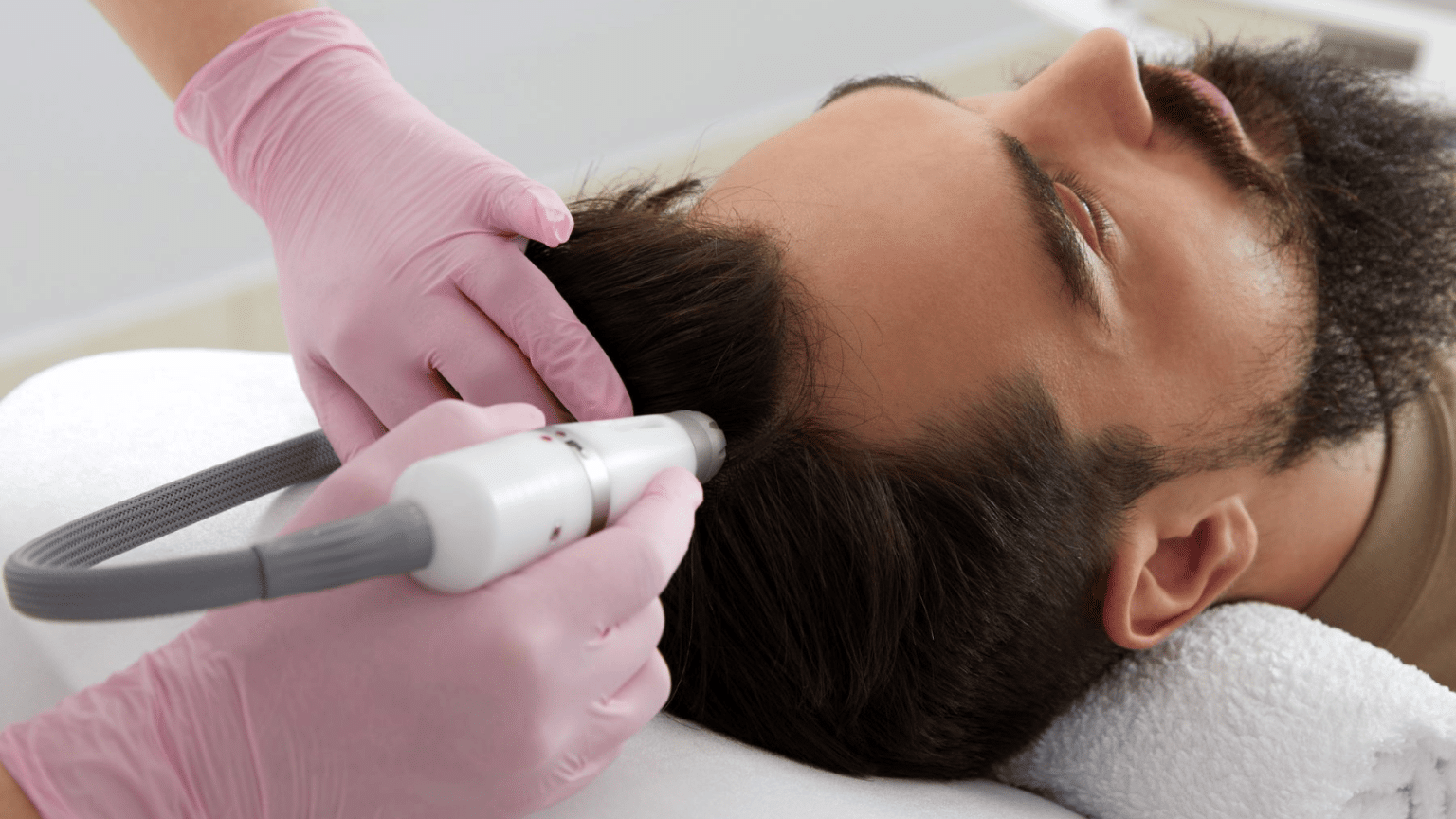
LLLT uses red light to stimulate hair follicles at the cellular level. The light increases blood flow and cellular activity in your scalp.
You can get treatments at clinics or use home devices like laser combs, helmets, or caps. Home devices need 20-30 minutes of use every other day.
The best candidates are people with early-stage hair loss or thinning. Results typically appear after 3-6 months of consistent use. It’s painless and safe, but requires long-term commitment.
The average cost for LLLT ranges from $200 to $3,000, depending on whether using home devices or clinic treatments
3. Topical and Oral Medications
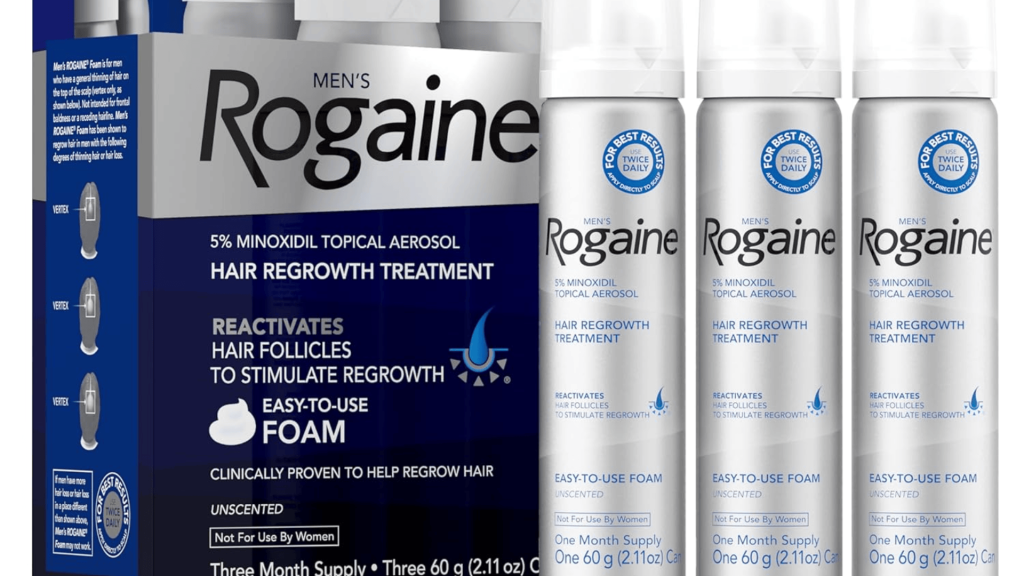
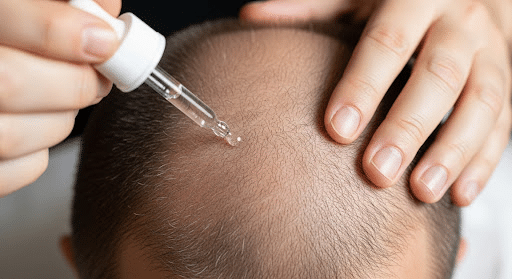
Minoxidil (Rogaine) widens blood vessels in your scalp, bringing more nutrients to hair follicles. It works best for crown thinning and helps both men and women.
Finasteride (Propecia) blocks the DHT hormone that causes male pattern baldness. It’s only for men and prevents further loss while promoting some regrowth.
Low-dose oral minoxidil is becoming popular for both genders as an alternative to topical forms. All medications require daily use and can cause side effects like scalp irritation or sexual dysfunction.
4. Scalp Micropigmentation (SMP)
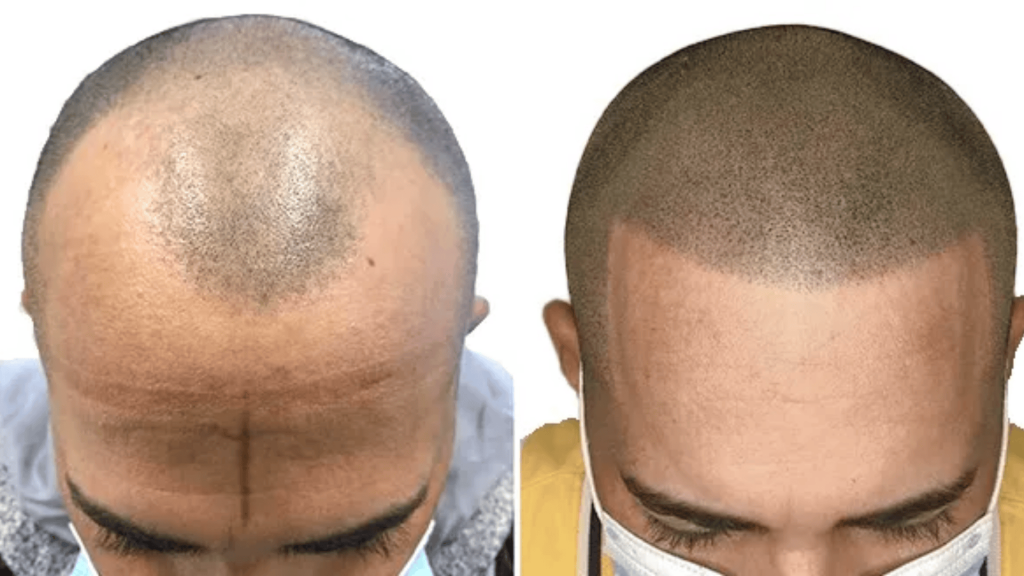
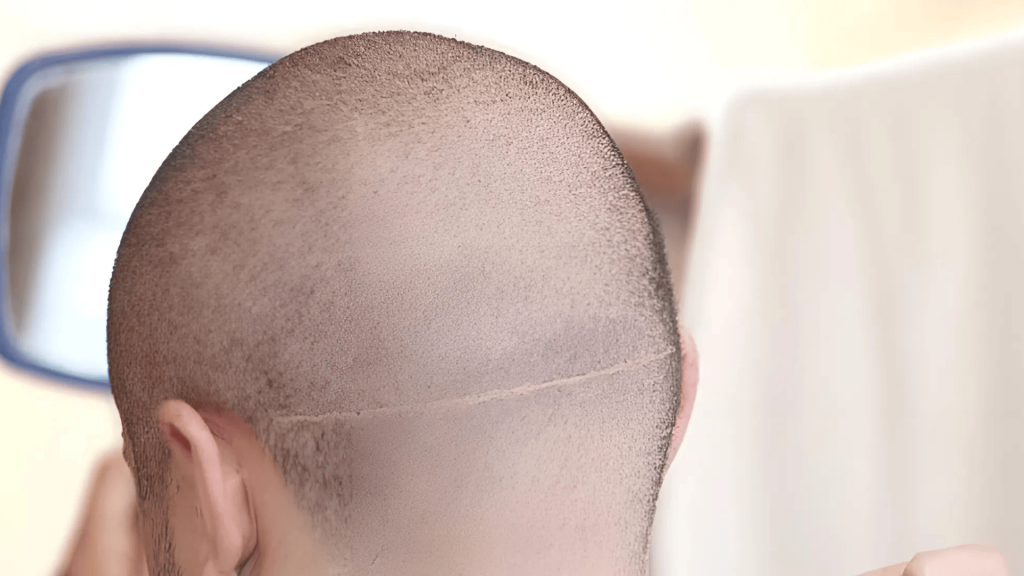
SMP is like getting a tattoo on your scalp that looks like tiny hair follicles.
A specialist uses special ink and needles to create the appearance of hair stubble or density. It works great for completely bald heads, thinning areas, or covering scars from hair transplants.
The process takes 2-4 sessions over several weeks. Results last 3-5 years before needing touch-ups. It provides immediate visual improvement but doesn’t actually grow real hair. The procedure requires an experienced practitioner for natural-looking results.
The average cost for SMP ranges from $2,000 to $4,000, depending on the extent of treatment and practitioner expertise.
5. Hair Fibers and Concealers
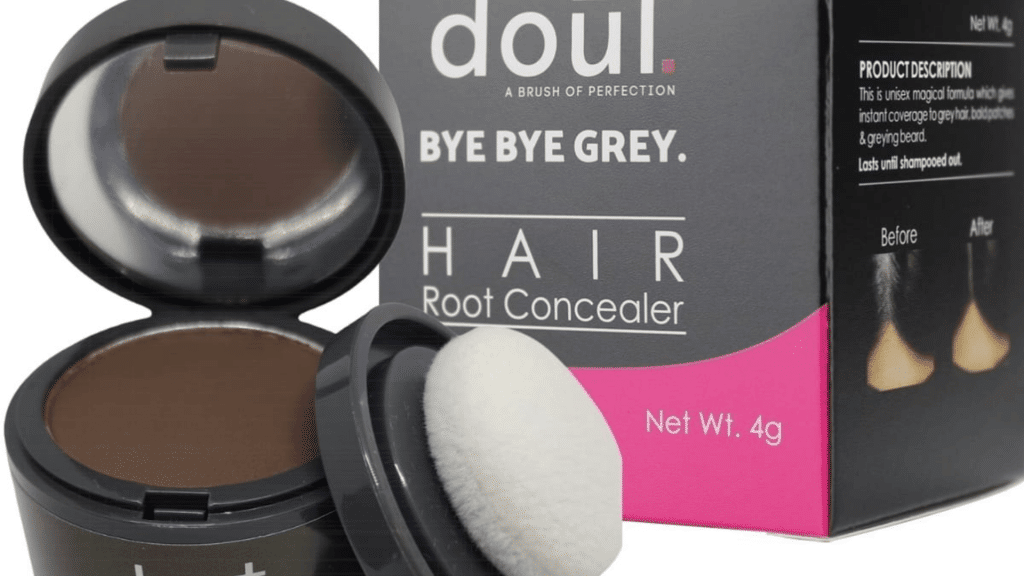
Hair fibers are tiny cotton or keratin particles that stick to existing hair to create thickness.
You sprinkle them on thinning areas and they bond electrostatically to your hair. They work best for mild to moderate thinning, not complete baldness.
The results wash out with shampoo, so you need daily application. They’re affordable and give instant results for special occasions.
Who Benefits from Non-Surgical Hair Restoration Treatments?
Non-surgical hair restoration treatments are most effective for individuals in the early to middle stages of hair loss.
- Ideal for those experiencing thinning, receding hairlines, or patchy bald spots.
- Suitable for individuals seeking to avoid the risks, costs, and downtime associated with surgery.
- Helpful for individuals needing maintenance between surgical hair restoration procedures.
- Recommended for those with health conditions that make surgery unsafe or inadvisable.
- Provides flexible, affordable options that improve hair density and fit various lifestyles.
These treatments offer an accessible solution for many seeking to manage hair loss without invasive surgery
Comparing Surgical vs Non-Surgical Hair Restoration
When you’re dealing with hair loss, you have two main paths to choose from. Let me break down the key differences between surgical and non-surgical options.
This comparison will help you understand which approach might work better for your situation.
| Factor | Surgical Hair Restoration | Non-Surgical Hair Restoration |
|---|---|---|
| Cost | $4,000 to $15,000 | $50 to $500 per month |
| Recovery Time | 2-4 weeks | None to minimal |
| Pain Level | Moderate to high | Little to no |
| Results Timeline | 6-12 months | 3-6 months |
| Permanence | Long-lasting | Requires ongoing treatment |
| Side Effects | Scarring, infection risk | Mild irritation possible |
| Maintenance | Minimal after healing | Regular use needed |
Both options have their benefits. Your choice depends on your budget, time, and personal preferences. Consider talking to a specialist to find the best solution for your specific hair loss pattern.
How to Choose the Right Treatment for You
Selecting the best hair restoration treatment depends on several key factors tailored to individual needs and circumstances.
- Consider your age, as younger individuals may respond better to certain medications.
- Assess the extent of hair loss to match treatment intensity with severity.
- Factor in your lifestyle and daily routine for treatment ease and commitment.
- Evaluate your budget, balancing cost against desired results and maintenance.
- Consult a hair specialist to receive personalized recommendations based on your scalp and hair condition.
Careful consideration of these elements will help ensure the chosen treatment aligns with goals and expectations for optimal results
Wrapping It Up
Non surgical hair restoration gives you many real, effective choices without the risks and recovery that come with surgery.
From PRP therapy to simple hair fibers, there’s a solution that fits different stages of hair loss and personal preferences. Success depends on picking the right treatment for your condition, being patient, and staying consistent.
While results take months to show up, many people see big improvements and get their confidence back when they stick with their chosen non-surgical treatments.