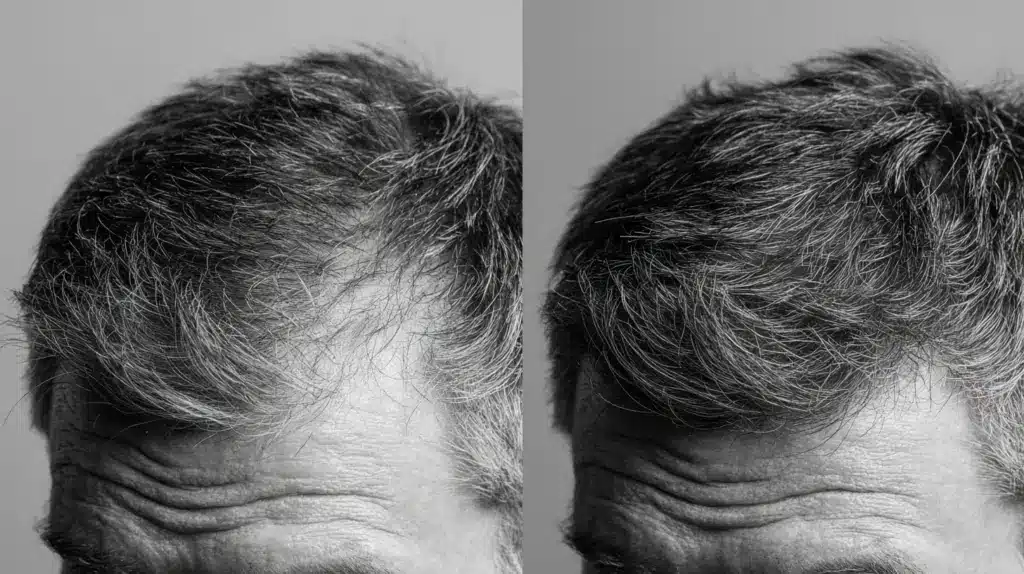



Hair botox does sound like a magic fix for damaged hair.
People see before-and-after photos online and want the same transformation. But people don’t realize that the disadvantages of hair botox treatment can catch users off guard.
The treatment isn’t suitable for everyone.
This blog breaks down the real downsides of hair botox. You will learn what can go wrong, who should avoid it, and how to make a smart choice.
What is Hair Botox Treatment?
Hair botox is a deep conditioning treatment for damaged hair. It fills in gaps and cracks in hair strands. The treatment uses a mix of proteins, vitamins, and amino acids.
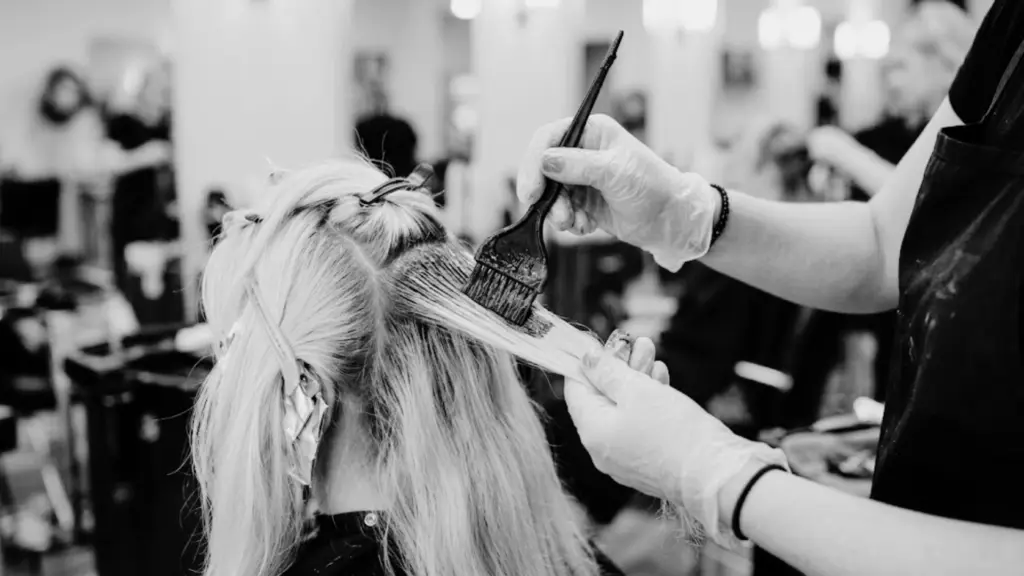
Stylists apply the product to clean hair. They let it sit for a while. Then they rinse and blow-dry it. Some treatments need heat styling too.
It smooths and repairs hair similar to how facial botox smooths skin.
The treatment also aims to restore shine and softness. It can reduce frizz. Results typically last two to four months, and after that, people need another session to maintain the look.
What Should You Expect from this Treatment?
Hair botox is a deep conditioning ritual that floods your hair strands with proteins, vitamins, and fatty acids to restore years of heat styling, coloring, and environmental damage.
In this treatment, a rich, active formula is applied to your hair and worked into every section.
Then heat is used to seal the treatment deep into the hair shaft.
Resulting in healthy-looking strands that look smoother, fuller, and glossier
Most people notice their hair feels dramatically softer immediately after rinsing.
Results from a hair botox treatment typically last between two to four months, depending on your hair type and how often you wash it.
Remember, if you are a curly head, your curls might loosen into soft waves.
Biggest Disadvantages of Hair Botox
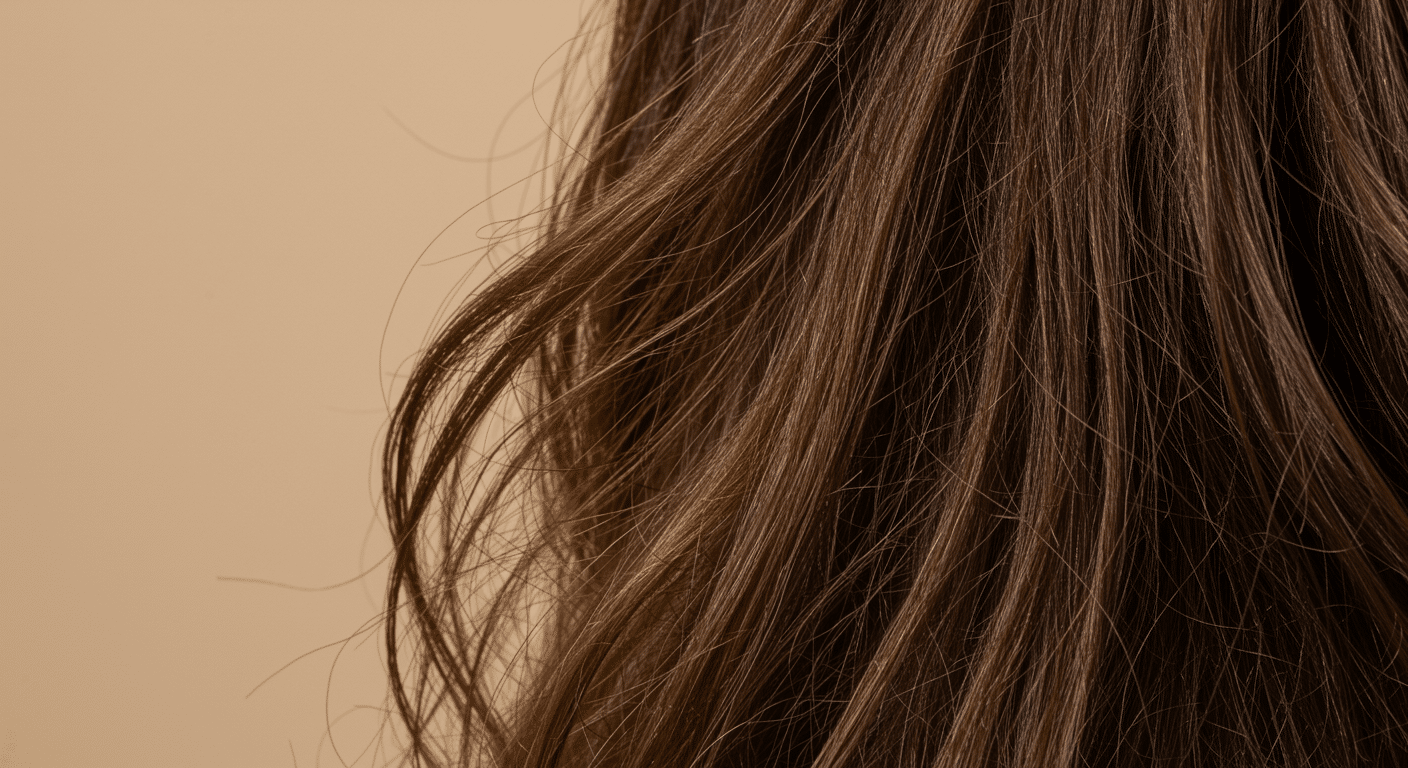
Below are some of the hair botox treatment disadvantages.
1. Temporary Results
The effects don’t last forever. Hair botox wears off gradually. Most treatments last only eight to twelve weeks.
After that, hair returns to its previous condition. People must continue treatment to maintain results. This becomes a never-ending cycle.
2. Risk of Allergic Reactions
Some people react badly to the ingredients. Common reactions include itching and redness. The scalp might feel irritated or burn. Severe cases can cause swelling or rashes.
Anyone with sensitive skin faces higher risks. A patch test helps, but not everyone does one.
3. Not Suitable for All Hair Types
Hair botox doesn’t work the same for everyone.
Very curly or coily hair may not get good results. Fine hair can become limp and greasy. Some hair types lose volume after treatment. People might end up disappointed with the outcome.
4. Possible Hair Damage
The wrong application can harm hair.
Too much heat during styling causes breakage. Overuse of the treatment weakens strands. Some people notice increased hair fall. Poor quality products make things worse. The damage can take months to repair.
5. Maintenance Requirements
Hair needs special care after treatment. People must use sulfate-free shampoos. Regular deep conditioning becomes necessary. Heat styling should be limited.
Swimming in chlorinated pools is discouraged. These rules feel restrictive to many.
Side Effects You Should Know Before Trying It
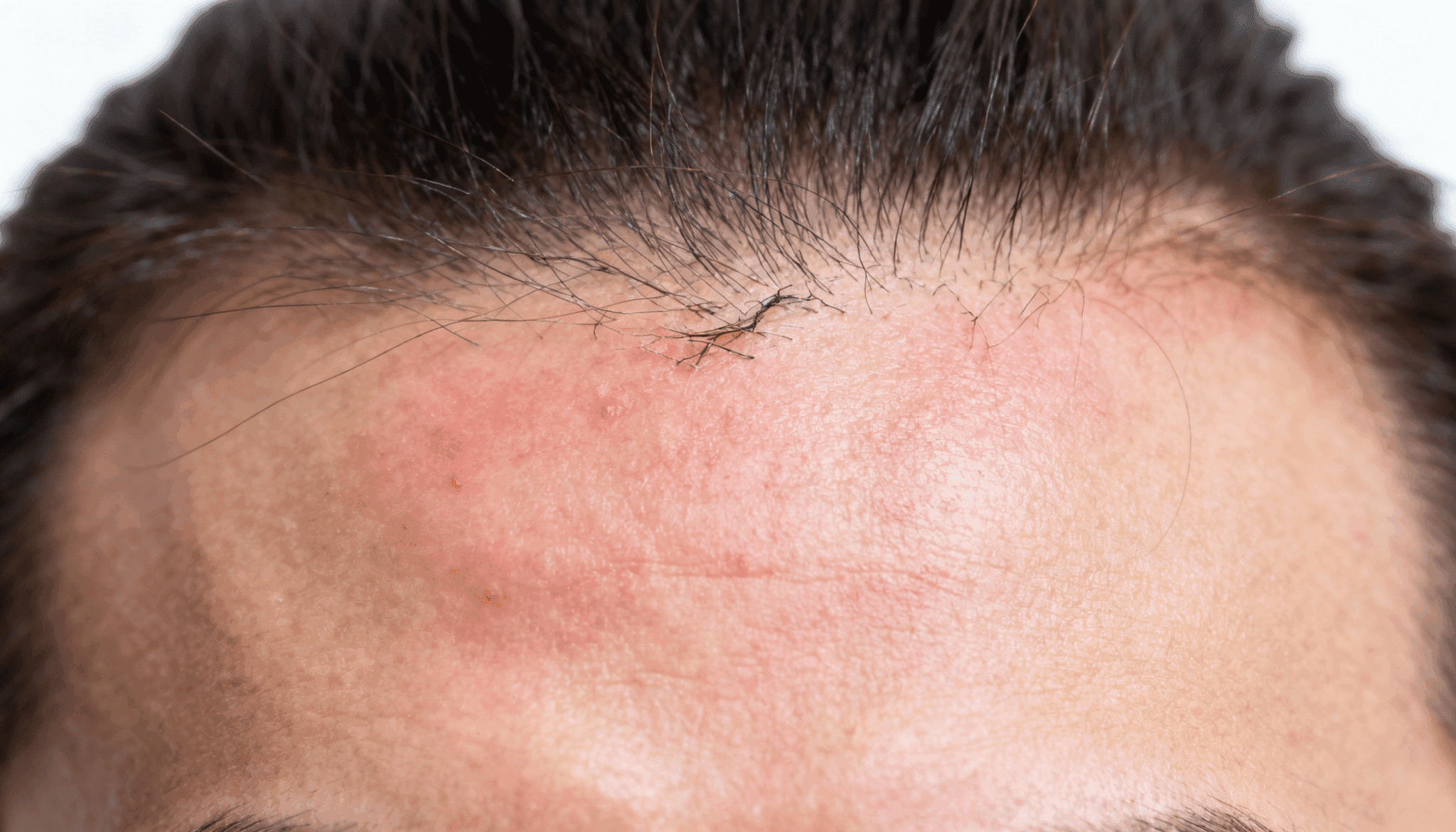
Before booking a hair botox appointment, people should understand the possible side effects.
Not everyone experiences these, but they happen often enough to warrant caution.
1. Scalp irritation – Redness, itching, or burning sensations on the scalp during or after treatment
2. Allergic reactions – Skin rashes, hives, or swelling around the hairline and face
3. Respiratory issues – Difficulty breathing, coughing, or throat irritation from chemical fumes
4. Headaches – Persistent headaches during treatment, especially with formaldehyde-containing products
5. Eye irritation – Watery, red, or stinging eyes from product exposure
6. Greasy or flat hair – Hair loses volume and feels heavy or oily after treatment
7. Hair breakage – Increased splitting and snapping of hair strands
8. Scalp sensitivity – Increased sensitivity to heat, sun, or other hair products
9. Color fading – Previously dyed hair may lose color or change tone
Why People Still Choose Hair Botox Despite the Risks
Hair botox treatment has real downsides. But it also offers benefits that keep people coming back.
The treatment repairs damaged hair by filling cracks in strands. It works well on hair harmed by coloring or heat styling.
Proteins and vitamins penetrate deep, making hair feel softer and look healthier. Frizzy hair becomes smoother and more manageable, too.
The treatment adds noticeable shine to dull hair. It seals the hair cuticle and keeps moisture locked inside.
Tangled, unruly hair becomes easier to style and brush. Unlike chemical straightening, hair botox is temporary. Hair gradually returns to its natural state.
People can stop treatments at any time without permanent effects.
Aftercare Requirements Most People Don’t Realize
Hair botox demands more care than most people expect. The treatment doesn’t end when someone leaves the salon.
Regular shampoo won’t work anymore. People must switch to sulfate-free products. Sulfates strip the treatment away faster. This means buying new hair care products, which costs extra money.
Washing hair too often shortens the life of the treatment. Most stylists recommend washing only two to three times per week. Hot water should be avoided, too.
Chlorine and salt water are enemies of treated hair. Swimming pools and ocean water cause damage. Heat styling tools need lower temperature settings. High heat can completely reverse the benefits.
Who Should Avoid Hair Botox Treatment?
Hair botox isn’t safe for everyone. Some people face higher risks and should skip this treatment entirely.
- Pregnant and breastfeeding women – Many products contain formaldehyde that can harm the baby
- People with sensitive skin or scalp conditions – Eczema, psoriasis, or dermatitis can worsen
- Anyone with respiratory problems – Asthma sufferers struggle with the chemical fumes
- People allergic to common ingredients – Keratin, proteins, and preservatives cause reactions
- Those with very fine hair – Treatment can make thin hair look greasy and flat
How Often Can You Get Hair Botox?
There are instances where some people either overdo it or completely miss out on the benefits.
It is not something you book every other week, as you would do for a blowout.
Your hair actually needs time to absorb and respond to the treatment before you layer on another round.
For most hair types, once every two to three months is perfect.
If your hair is severely damaged, color-treated, or extremely dry, your stylist might recommend starting with two sessions closer together, say about six to eight weeks apart.
It helps to build up a stronger foundation before settling into a regular schedule.
Too much of it can lead to product buildup, weighed-down strands, and, in some cases, increased brittleness.
The exact opposite of what you need.
Listen to your hair. When the frizz creeps back, and that glassy shine starts to fade, go for your session.
Hair Botox Treatment vs. Keratin
These two treatments are most commonly done around, and both of them promise smoother, shinier, more manageable hair.
But they are not the same.
Hair Botox Treatment
Despite the name, there is no actual Botox involved.
Hair botox is a deep conditioning treatment packed with proteins, collagen, vitamins, and fatty acids.
Its main job is to repair and restore, filling in gaps along the hair shaft, reducing frizz, and adding serious shine.
It works on all hair types, including color-treated and chemically processed hair, without altering your natural curl pattern.
Keratin Treatment
Keratin helps strands with keratin protein and uses heat to bond it in place, delivering longer-lasting smoothness and frizz reduction.
However, many keratin formulas contain formaldehyde or formaldehyde-releasing chemicals.
This is a real disadvantage for hair, often tipping people toward the Botox option.
Keratin also tends to relax curls more aggressively, which is not always what every person wants.
If your goal is restoration and hydration, hair botox treatment is.
Some More Alternatives to Hair Botox
Comparison table of the best alternatives to Hair Botox, highlighting which option is best for your hair goals.
| Treatment | What It Does | Best For | How Long Does It Last | Why It May Be Better |
|---|---|---|---|---|
| Keratin Treatment | Smooths, straightens, and reduces frizz | Thick, frizzy, coarse hair | 3–5 months | Gives stronger straightening than Hair Botox |
| Nanoplastia | Chemical-free smoothing + shine | Those wanting safer, gentler smoothing | 4–6 months | Longer-lasting + less harsh than Keratin |
| Deep Conditioning / Hair Spa | Hydrates, softens, repairs dryness | Dry, brittle, damaged hair | 1–4 weeks | Safest and budget-friendly; no chemicals |
| PRP (Platelet-Rich Plasma) | Stimulates hair growth | Hair thinning, early hair loss | Months (needs multiple sessions) | Better for bald spots and hair regrowth |
| LLLT (Laser Therapy) | Improves density, reduces thinning | People are avoiding injections/chemicals | Continuous use needed | Non-invasive way to boost growth |
| Chemical Straightening / Rebonding | Permanently straightens hair | Wanting pin-straight hair | Until new hair grows | Strongest straightening vs all options |
Final Thoughts
Hair botox offers real benefits for damaged hair. But the disadvantages deserve serious consideration.
The treatment is expensive and requires ongoing maintenance. People need to weigh their options carefully.
Consider personal hair type, budget, and health conditions. Alternatives like deep conditioning masks or Olaplex might work better for some. Others may find hair botox worth the investment.
Read reviews from real customers. And remember, healthy hair starts with proper daily care, not just salon treatments.
Frequently Asked Questions (FAQs)
1. How Expensive is Hair Botox?
Hair botox typically costs between $100 and $300 per session, depending on your salon, location, and hair length.
2. Can I do Hair Botox at Home?
Yes. At-home hair botox kits are available and more affordable. However, results are usually less dramatic.
3. Is Hair Botox Treatment Good for Rebonded Hair?
Yes, it works well on rebonded hair. It restores moisture and shine lost during the rebonding process.
4. Which is Better, Brazilian or Botox?
Brazilian keratin lasts longer and smooths more aggressively. Hair botox is gentler, nourishing, and better for damaged or color-treated hair.