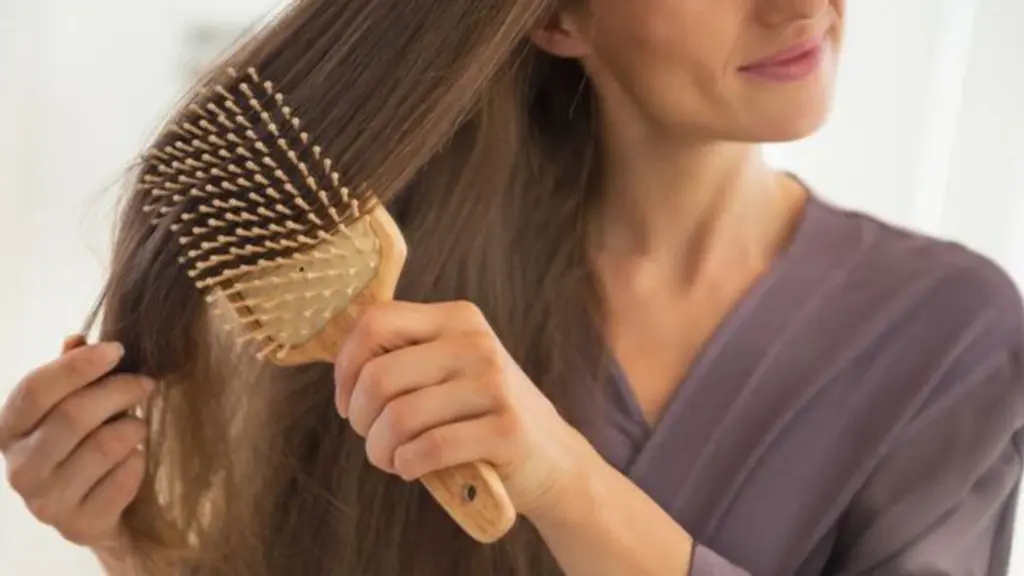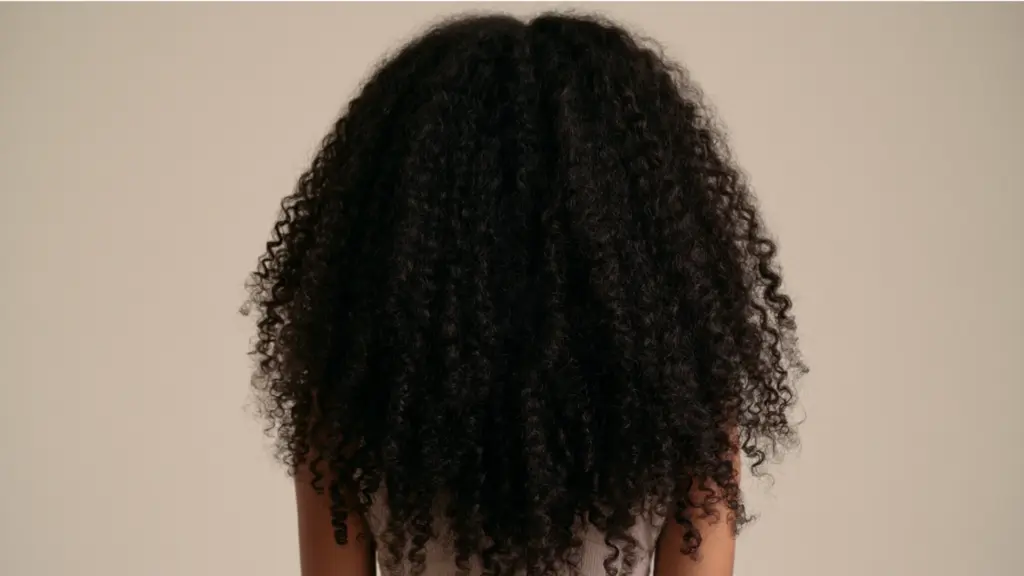


You applied your leave-in conditioner. You waited. And somehow, your hair looks more frizzy than before. Sound familiar?
You’re not alone. So many people run into this exact problem, and it’s honestly frustrating when a product meant to help ends up making things worse.
For the longest time, I couldn’t figure out why my hair kept frizzing up after every wash.
But once I made a few simple changes, the right amount, the right method, and the right formula, everything settled down. My hair finally started behaving.
And these 9 fixes are the only thing you need.
Why is my Hair Frizzy After Using Leave-In Conditioner?

You’re not imagining it. Frizzy hair after leave-in conditioner is a real thing, and it happens more often than you’d think.
The most common reason? Too much product. When you apply more than your hair needs, it weighs down the strands and disrupts the moisture balance. That leads straight to frizz.
Another reason could be the formula itself. Not every leave-in conditioner works for every hair type.
Some ingredients can actually pull moisture out of your hair instead of locking it in.
Application method matters too. If your hair isn’t damp enough or is too wet, the product won’t absorb properly. And that’s when frizz shows up uninvited.
Common Mistakes That Cause Frizz After Leave-In Conditioner
Using Too Much Product:
Applying too much leave-in conditioner overwhelms your hair. It blocks moisture, causing frizz instead of controlling it.
Applying It on Dry Hair:
Leave-in conditioner works best on damp hair. Putting it on dry hair means it won’t absorb the way it should.
Skipping the Sectioning Step:
Not sectioning your hair means uneven product distribution. Some strands get too much, while others get barely any.
Using the Wrong Formula:
I have done this, too. Not every product suits every hair type. Using the wrong leave-in conditioner for your hair can make frizz significantly worse.
Rubbing Instead of Scrunching:
Rubbing product into your hair roughens the cuticle. That’s one of the fastest ways to invite frizz in.
9 Fixes that Work for Frizzy Hair
Fixing frizzy hair after leave-in conditioner isn’t as hard as it sounds.
Start by cutting back on overwashing, which strips your hair of its natural oils and makes frizz worse. Small changes can go a long way.
1. Use the Right Amount of Product
Less is more when it comes to leave-in conditioner.
Start with a small, coin-sized amount. Work it through your hair evenly. If your hair still feels dry, add a little more.
Overdoing it is one of the biggest reasons frizz shows up in the first place.
2. Always Apply on Damp Hair
Damp hair absorbs product far better than dry hair. After washing, don’t wait too long.
Apply your leave-in while your hair still holds some moisture. This helps the product seal in hydration and prevents frizz as your hair dries.
3. Stop Overwashing Your Hair
Washing every day strips your hair of the natural oils it needs. Those oils protect your strands and keep frizz under control.
Try washing two to three times a week instead. Give your scalp time to rebalance. You’ll notice your hair behaving much better within a couple of weeks.
4. Try Hair Sectioning
Don’t just scrunch product into your hair all at once.
Divide it into sections first. This ensures every strand gets an even coat of leave-in conditioner.
Uneven application leads to uneven moisture, and that’s a straight path to frizz. Take the extra two minutes, and it’s worth it.
5. Switch to a Formula that Matches Your Hair Type
Sulfate shampoos are harsh. They strip your scalp and strands of natural oils, leaving hair dry and prone to frizz.
I made the switch to sulfate-free, and honestly, the difference showed up within a week.
My hair felt softer and way more manageable after just a few washes.
6. Try the Praying Hands Method
Instead of scrunching or rubbing, try smoothing the product between your palms and pressing your hands along each section.
I started doing this after struggling with frizz for months. It distributes product evenly without roughing up the hair cuticle. Hair becomes smoother and calmer.
7. Try a Microfiber Towel
Regular towels rough up your hair cuticle badly.
I switched to a microfiber towel and noticed less frizz almost right away.
It absorbs water gently without creating friction. Pair it with your leave-in conditioner, and the results are even better. It’s a small change that makes a real difference.
8. Apply a Heat Protectant Before Styling
Heat damage is a major cause of frizz. I never skip a heat protectant now, and my hair thanks me for it.
Apply it after your leave-in conditioner and before any heat styling. It creates a barrier that protects your strands, keeping them smooth and frizz-free.
9. Deep Condition Once a Week
Damaged hair needs more than just a leave-in conditioner.
A weekly deep conditioning treatment restores moisture from within the strand.
It strengthens hair and reduces the dryness that causes frizz. Pick a deep conditioner suited to your hair type and make it a non-negotiable part of your routine.
How Much Leave-In Conditioner Should You Actually Use?
Short Hair
A little goes a long way with short hair. Use about a pea-sized amount, maybe two at most.
Too much product will weigh your hair down fast and bring on the frizz.
Medium Hair
For medium-length hair, try about two to three pea-sized amounts. Work it through in sections so every strand gets covered evenly.
This helps avoid buildup in one spot.
Long Hair
Long hair needs a bit more, but don’t go overboard. Use about four pea-sized amounts, applied section by section.
Starting small and building up is always the smarter move.
Here’s How I Deal With my Frizzy Hair
I have medium hair, and I use about two to three pea-sized amounts of leave-in conditioner. That’s it.
Earlier, I used way too much product. I also applied it to dry hair and never sectioned my strands. The result? Frizzy hair after leave-in conditioner every single time. It was frustrating.
Then I made small changes. I started applying it on damp hair, worked through sections, and cut back on the amount.
The difference was real. Before, my hair looked puffy and rough.
Now it feels soft, sits smoothly, and actually behaves. Honestly, fixing a few basic mistakes made all the difference for me.
Wrap Up
Frizzy hair after leave-in conditioner doesn’t have to be your norm.
The real fix isn’t finding a miracle product. It’s understanding what your hair actually needs and giving it exactly that, nothing more.
I’ve been there, and I know how annoying it feels. But once you get the basics right, things fall into place pretty quickly.
If you’ve been following frizzy hair after leave-in conditioner? 9 fixes that work, go ahead and revisit your hair care routine, pick one fix, and start there.
Frequently Asked Questions
1. Why is my Hair Frizzy Even After Leave-In Conditioner?
Too much product, the wrong formula, or applying it to dry hair can cause frizz.
2. Does a Leave-In Conditioner Help with Frizz?
Yes, but only when you use the right amount and the correct method.
3. How to Repair Extremely Frizzy Hair?
Switch to damp application, cut back product, and always scrunch, never rub.