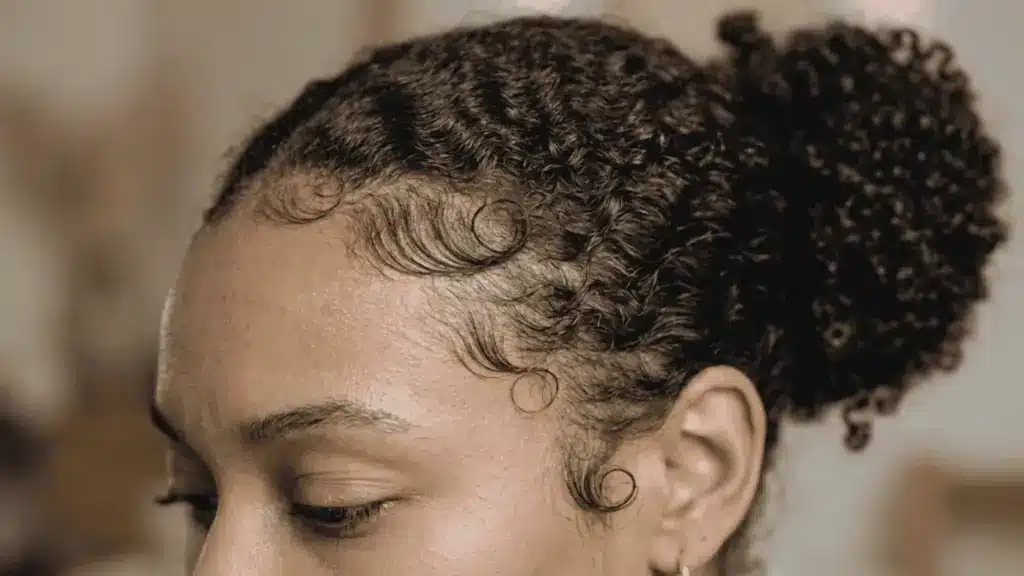

Edges hair sits along the front hairline, where the forehead meets the scalp. It’s the shortest, finest hair on your head, and styling it can give this area a neat, sleek look.
The catch is that laying it the wrong way, day after day, can thin it out over time.
This post covers what hair edges are, how to lay them safely, and habits that keep them healthy in the long term.
What Are Hair Edges?
Hair edges, also called baby hair, are the short, fine strands along the hairline. They frame the forehead and temples.
They’re not hair breakage. They grow this way naturally, since hair near the front of the head is thinner than the rest. That’s also why they’re more delicate.
Edges can’t handle the same stress as hair on top of the head. A few things wear on them every day without much notice:
- Glasses resting on the temples
- Tight hats or headbands
- Face masks looped around the ears
Common Reasons Edges Become Thin
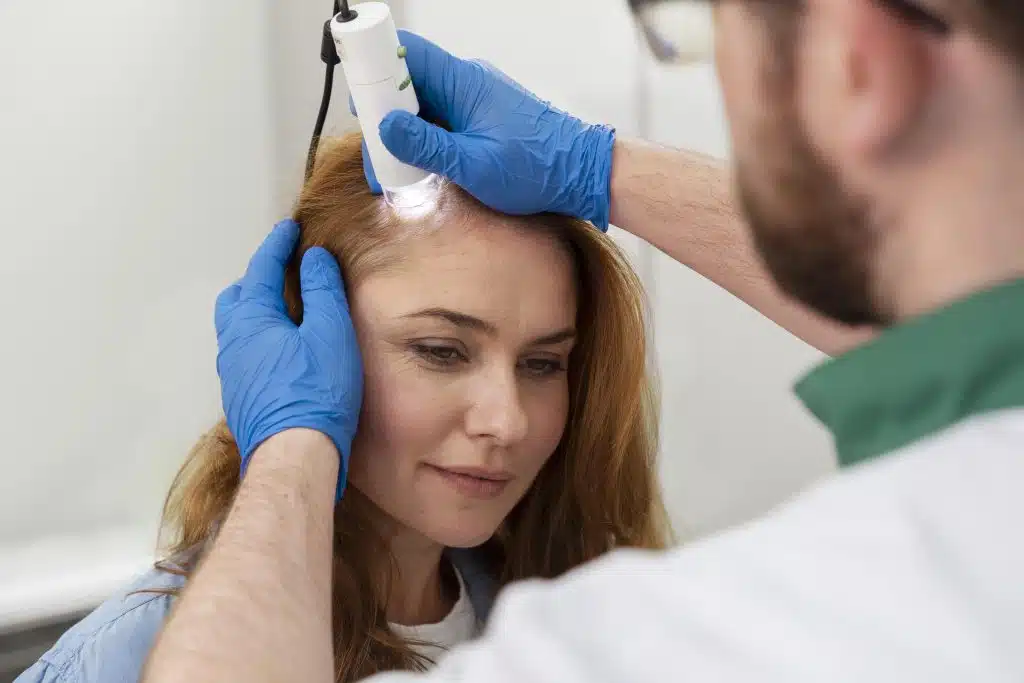
Thin edges build up from repeated tension over time. Tight ponytails, slicked-back buns, and braids pulled close to the scalp put steady pressure on the same strands.
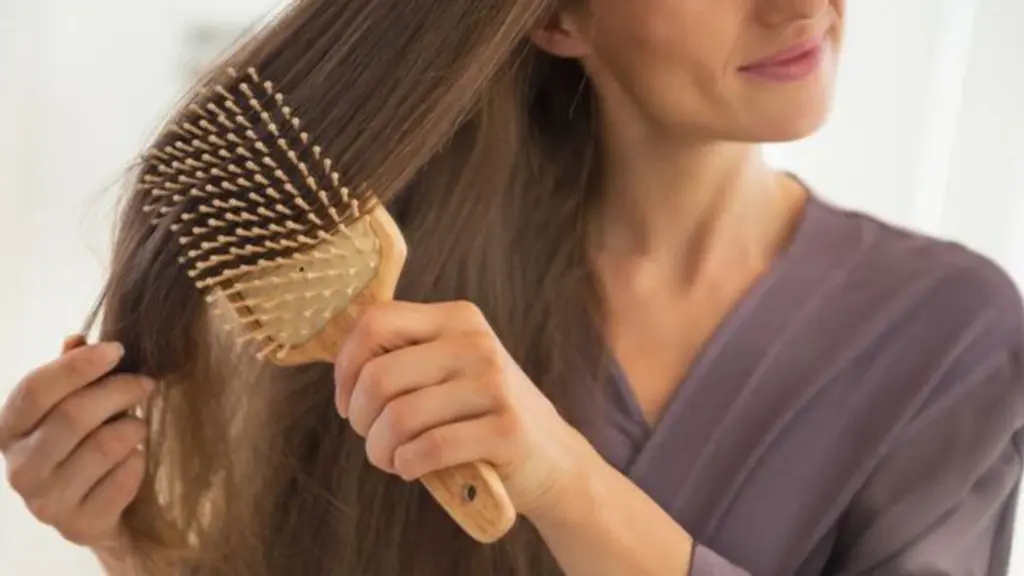
Months of that pressure weaken the follicle. Harsh brushing, heavy gels, and rough towel drying add to the damage.
Where the Edges Trend Came From
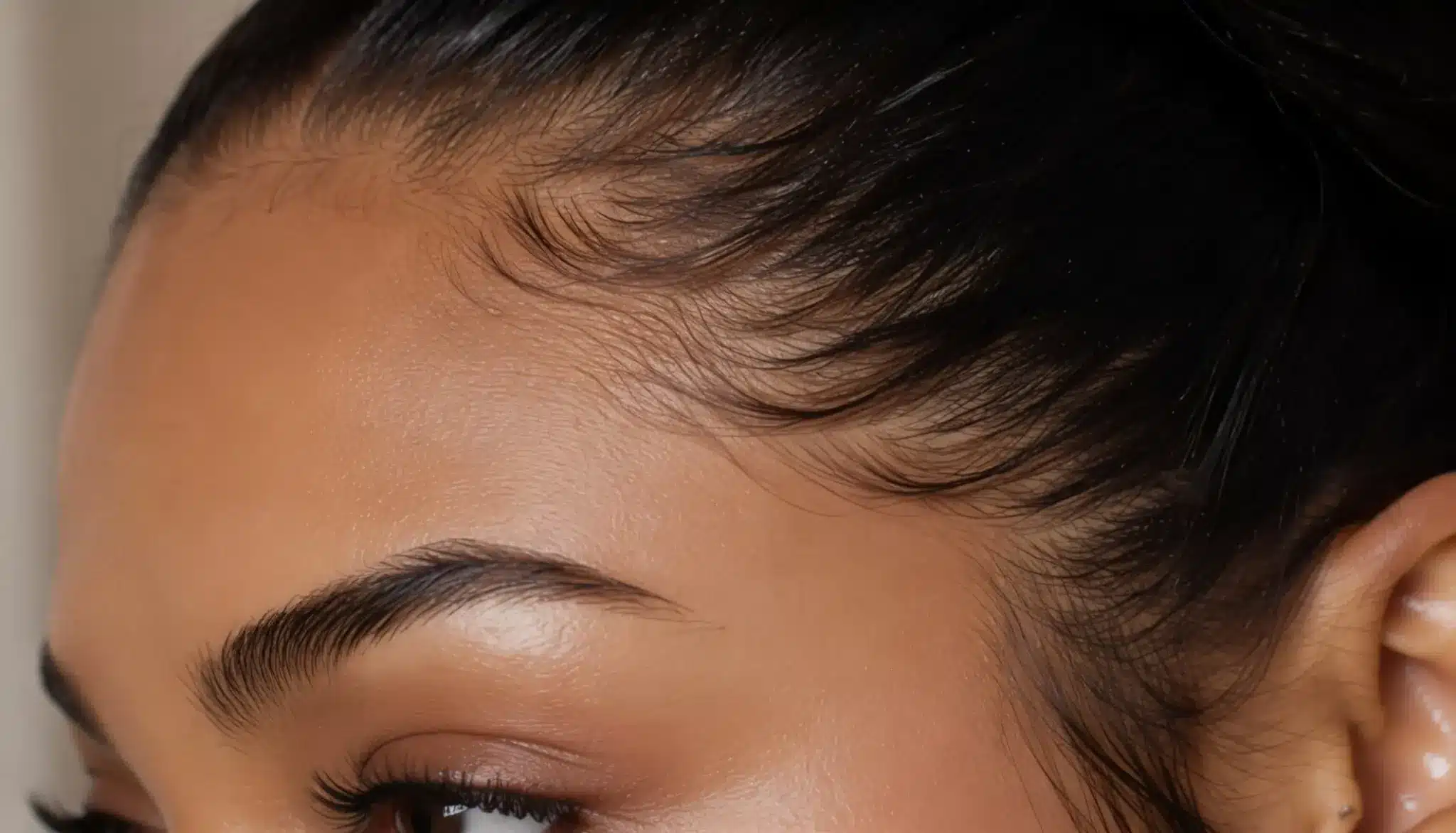
Laying edges isn’t a new trend.
It goes back almost a hundred years, to the 1920s, when performer Josephine Baker wore her hair swooshed and shaped around her face during stage shows in Paris.
Stylist Guido Palau later described the look as “sculptural”, since the gel gave her hairline a smooth, carved shape.
The style resurfaced in the 1960s, when many Black women paired natural afros with gelled-down edges during the Civil Rights Movement.
And again in the 1990s, when laid edges became a staple in Black celebrity hair and within West Coast Latina communities through the Chola aesthetic.
Despite its popularity, the style faced years of unfair stigma, with some workplaces treating it as unprofessional.
That’s shifted in recent years, as the natural hair movement has brought laid edges back into self-expression rather than something to hide.
Styling Edges Hair the Right Way
Getting a sleek lay doesn’t take much product or effort.
A few simple tools and the right technique are all you need to keep the style neat without damaging your hairline.
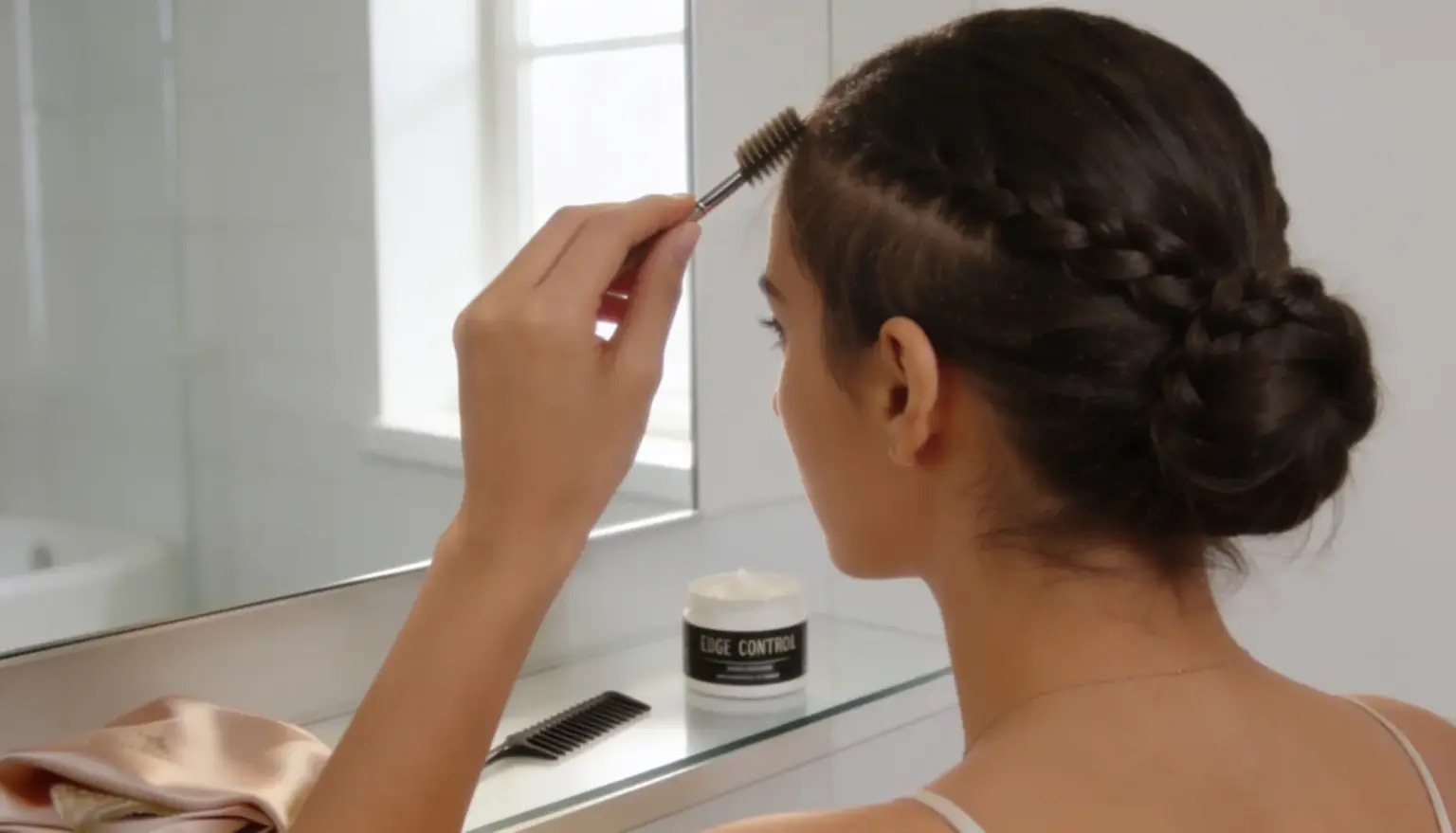
What You’ll Need
- Edge control or light gel
- A soft-bristle edge brush
- A rat tail comb
- A silk or satin scarf
Step by Step
Each step builds on the one before it, so skipping ahead usually means having to redo the whole style. Follow them in order for the cleanest, longest-lasting lay.
Step 1: Start with Damp Hair
Mist your hairline with a bit of water until it’s damp, not soaked.
Dry edges are stiff and snap easily when you try to shape them.
Step 2: Smooth a Small Amount of Edge Control Along the Hairline
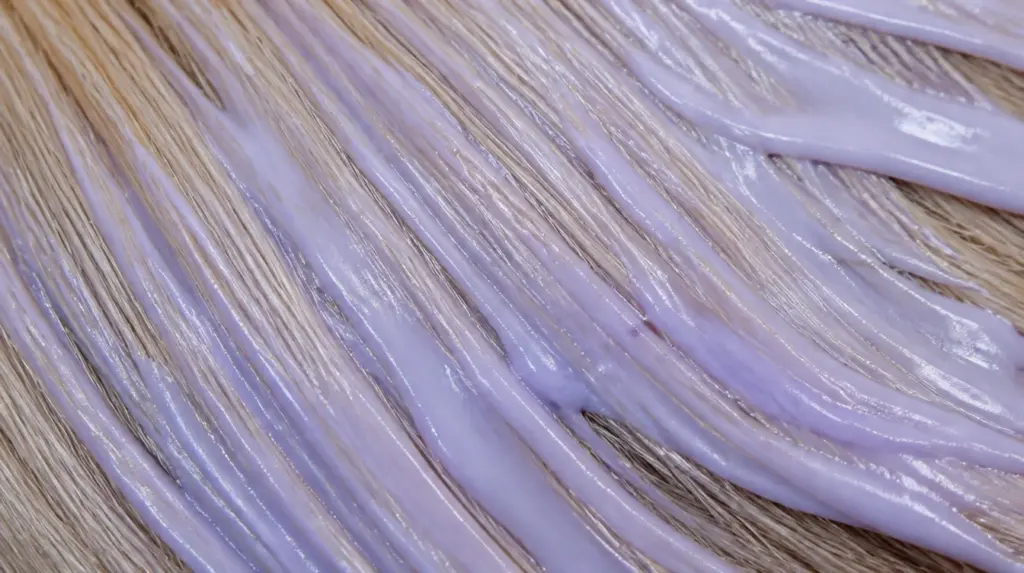
Warm the product between your fingertips first, then apply it in short strokes in the direction you want the hair to lie.
A thin layer sets faster and looks cleaner than a thick one.
Step 3: Blend with The Edge Brush Using Gentle Strokes
Brush from the roots toward the tips, following the same direction as the product. Light pressure works best.
Pressing too hard causes friction, which is one of the main reasons edges thin out.
Step 4: Shape the Style Before it Sets
While the product is still slightly wet, use the comb or your finger to define swoops, curls, or a straight lay.
This is where the style takes its final shape, so don’t rush it.
Step 5: Tie a Silk Scarf Around the Hairline for Five to Ten Minutes
Wrap it snugly, not tight, and let the product dry fully underneath. Removing the scarf too early can undo the hold before it sets.
Keep the Style in Place
- Use a thin layer of product, not a thick one
- Let the style dry fully before touching it
- Sleep in a silk scarf to protect the shape
- Touch up with a damp brush instead of more product
Styling Edges by Hair Type
The core technique stays the same, but a few small tweaks help depending on your hair texture.
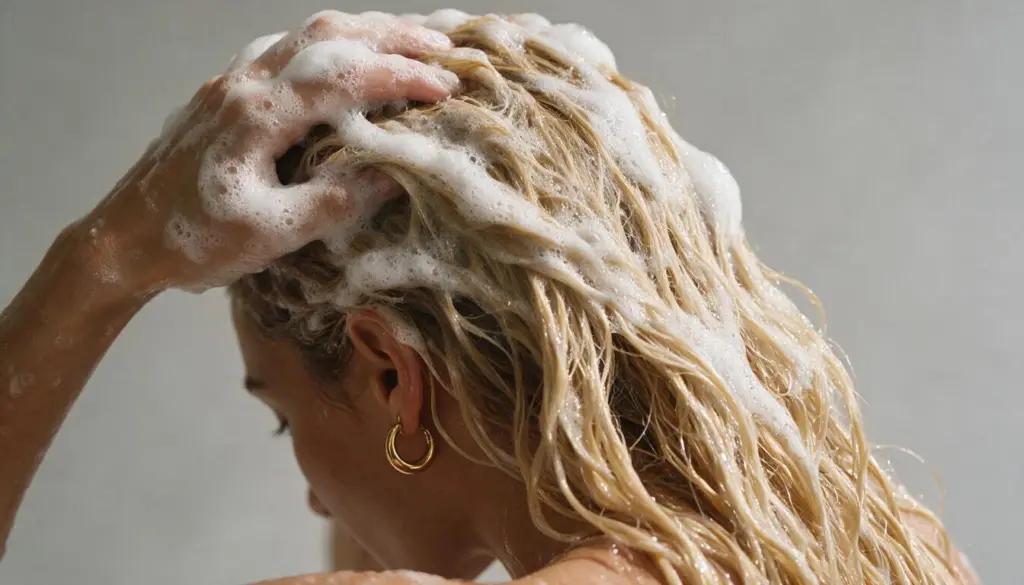
Wavy and Fine Hair
Fine edges flatten easily, so use the lightest formula you can find and go easy on the amount you use.
Stick to simpler shapes like swoops instead of swirls or spirals, and skip a second layer of product. You usually won’t need it, and extra product just weighs down fine edges.
Curly Hair
The standard technique works well here without much adjustment.
A soft toothbrush or edge brush gives the cleanest lines on the edges of curly hair, and a smoothing balm is a solid default product for this texture.
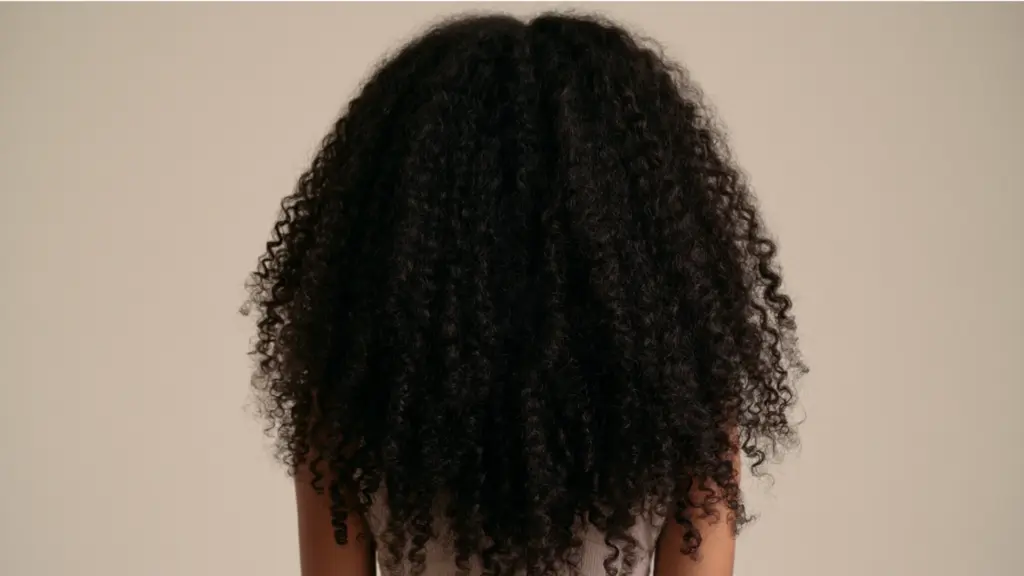
Coily Hair
Coily edges often need a bit more product for the style to hold.
Brush in smaller, more deliberate strokes rather than long sweeps, and leave the silk scarf on for 10 to 15 minutes for a stronger set.
If your edges start feeling dry while you work, a light mist of water helps before you continue.
Caring for Healthy Edges
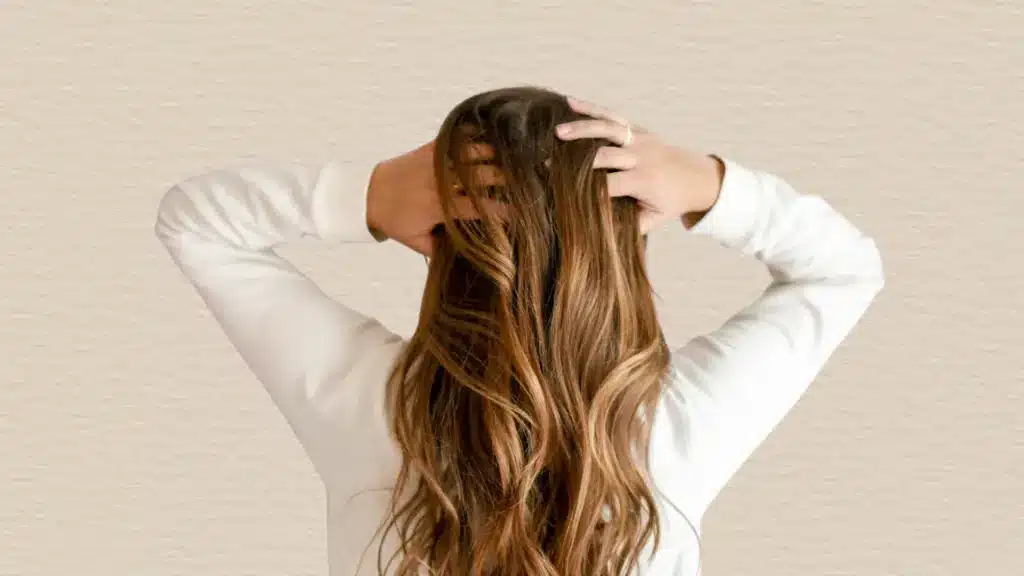
Good edges come from what you do every day, not just how you style them. Small habits, done consistently, matter more than any single product.
Don’t touch your edges too much. Repeated brushing and re-styling add friction. Switch up hairstyles so the same strands aren’t pulled the same way every day, and rinse out product each night.
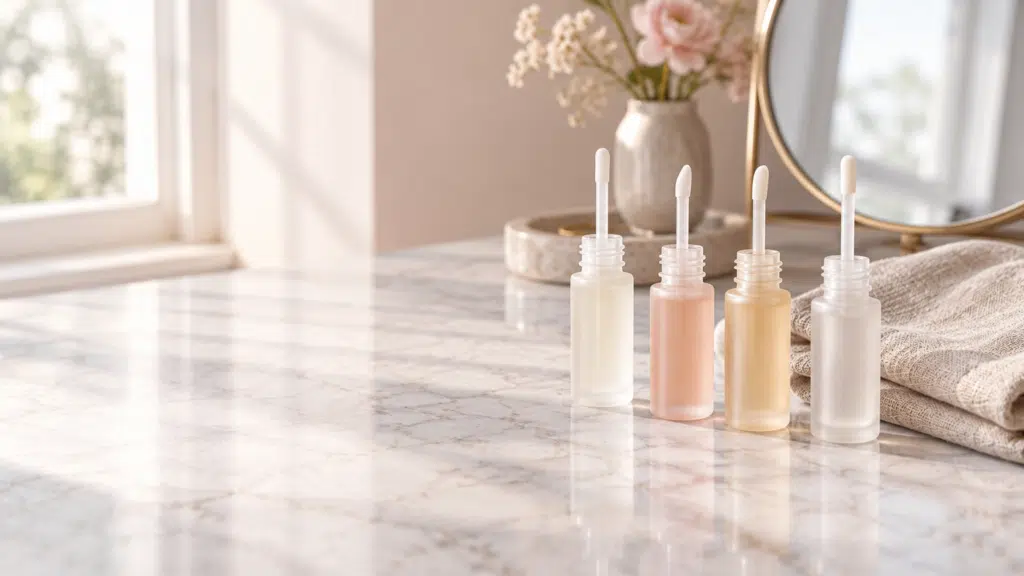
- Use Castor oil for scalp moisture
- Use Jojoba oil for softness
- Aloe vera for lightweight hold
Styles that Reduce Tension
Not every hairstyle pulls on the edges the same way. Choosing looser, softer options most days can prevent a lot of thinning before it starts.
Loose Braids
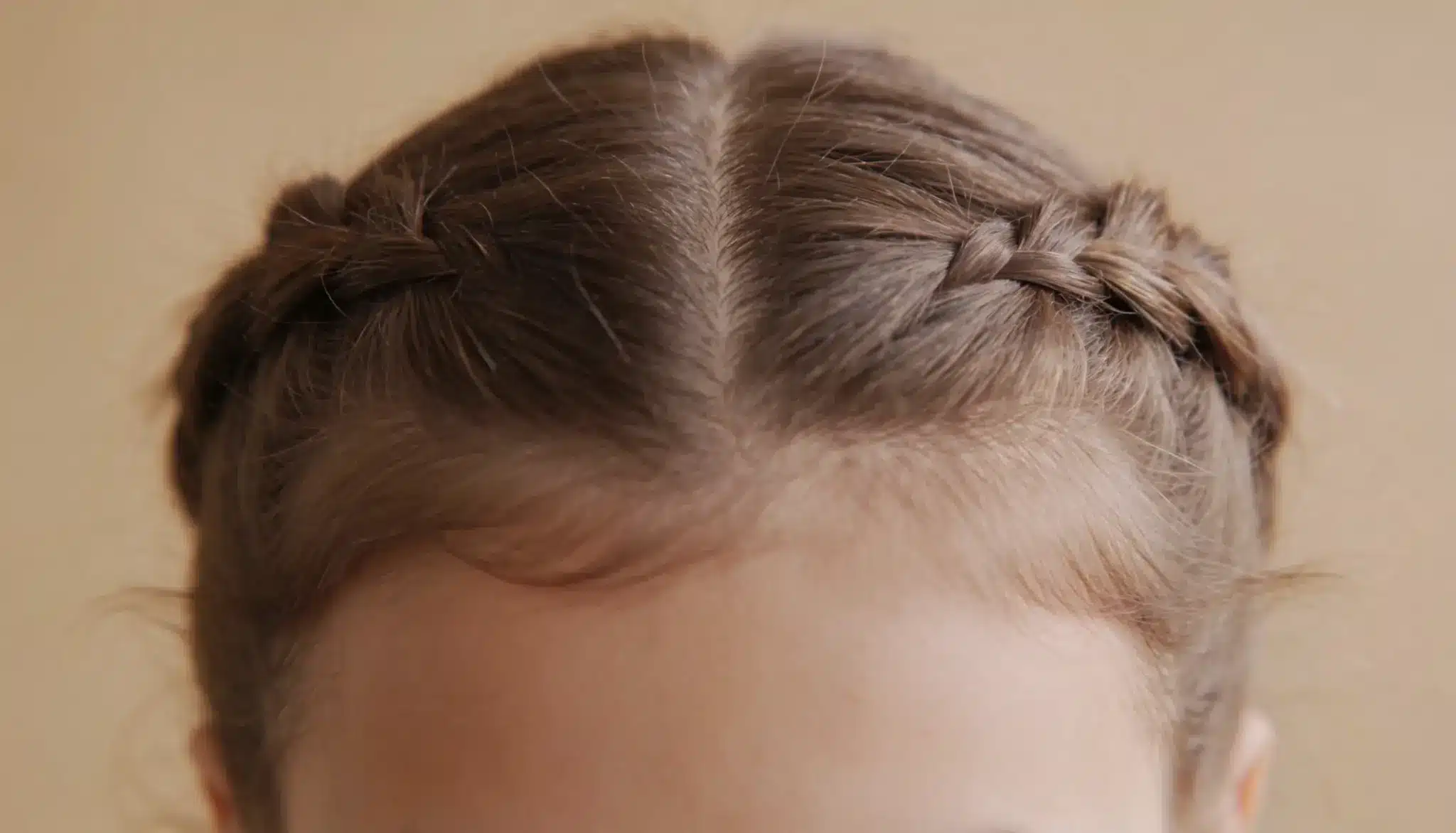
A loose three-strand or fishtail braid keeps hair secured without pulling at the roots. Leave a little slack near the front instead of braiding tight from the start.
Low Buns
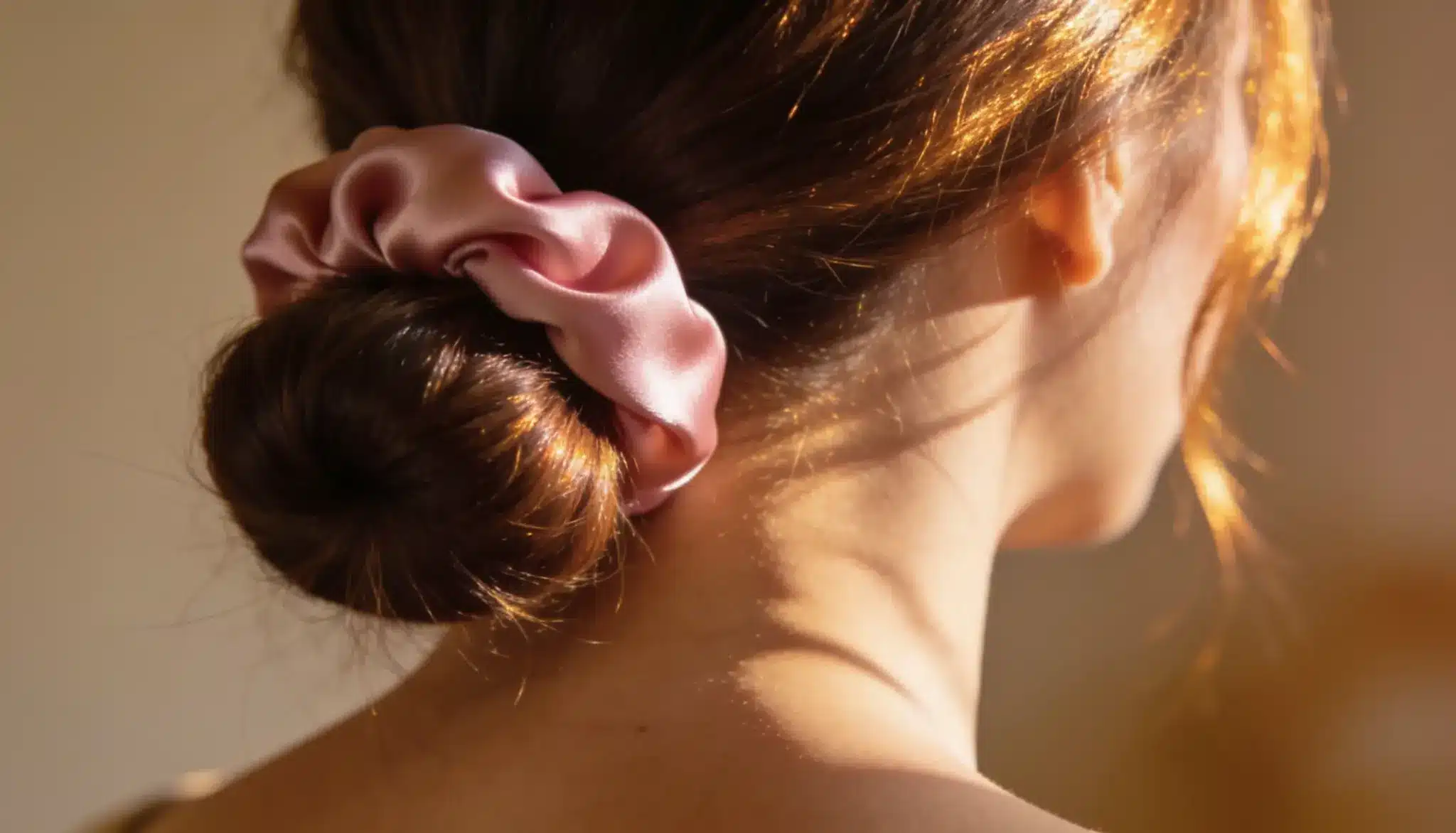
A bun sitting at the nape of the neck puts far less pressure on the edges than a high bun. Twist hair loosely before securing it, rather than pulling it back hard.
Soft Ponytails
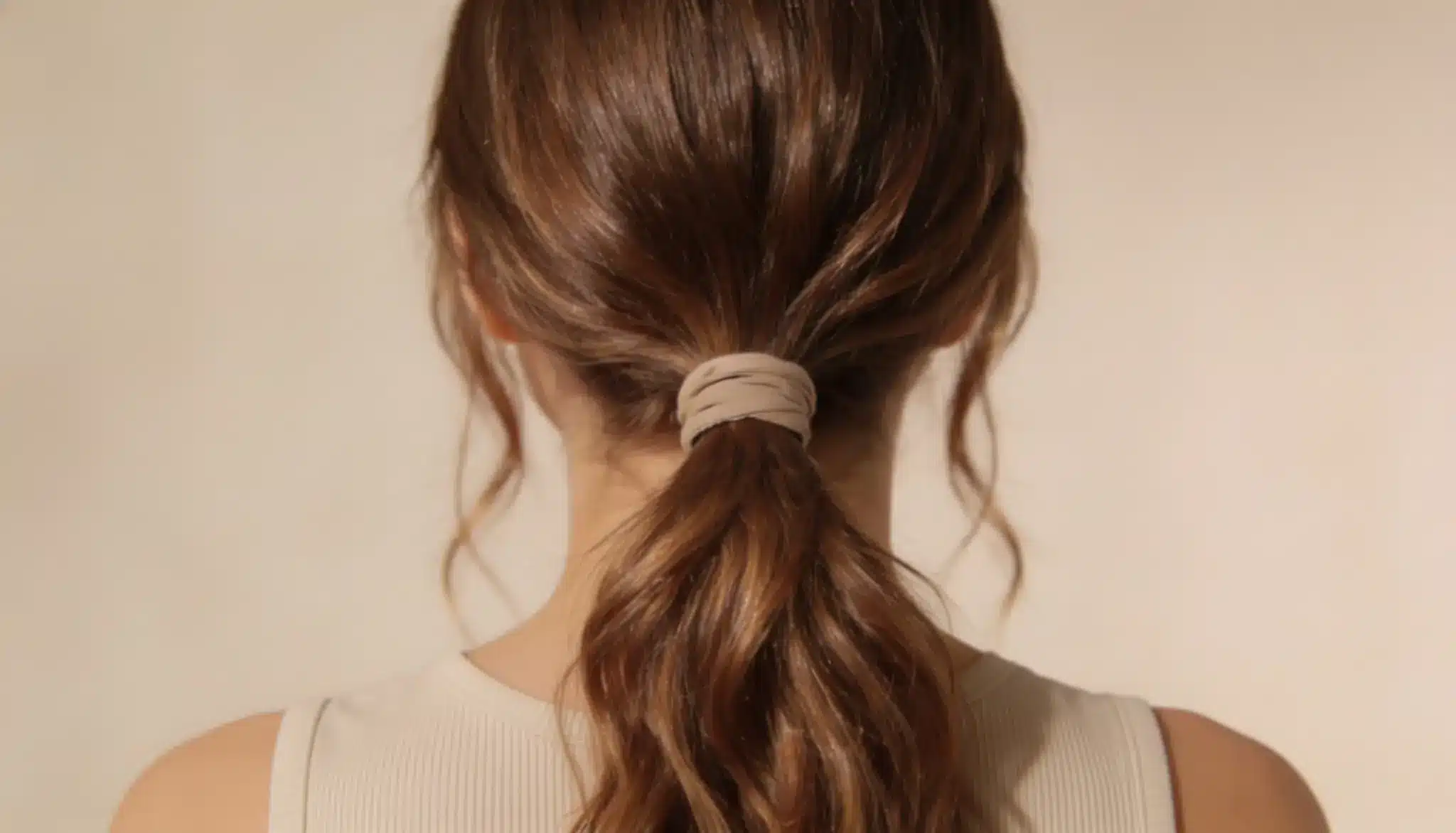
Use a soft, wide elastic instead of a thin rubber band, and position the ponytail lower on the head. Avoid wrapping the elastic more than needed to hold the style.
Half-Up Styles
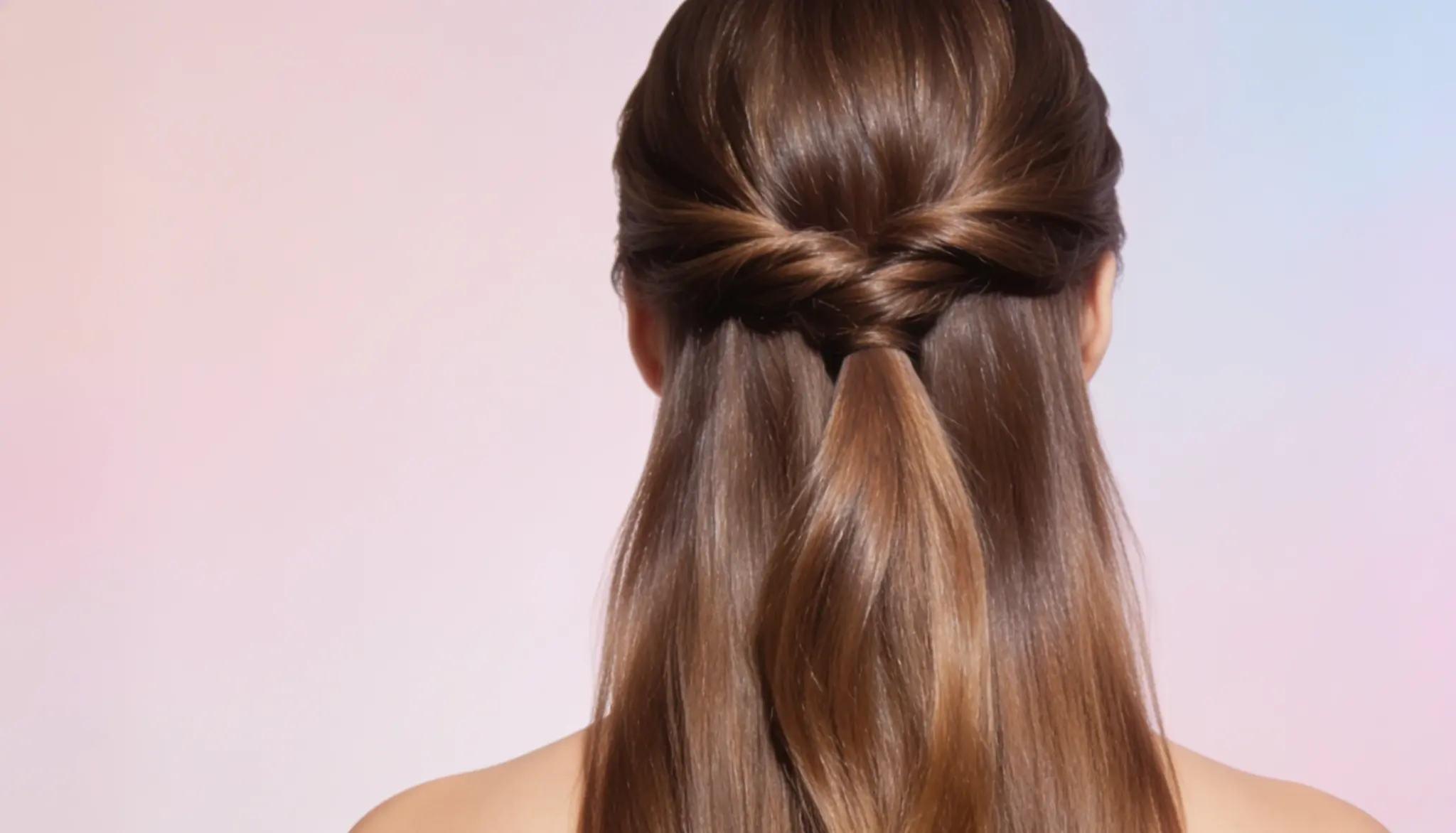
Leaving some hair down while securing only the top section reduces the pull on the edges. This works well for days when you want a style but not the tension of a full updo.
Try switching between these styles instead of wearing the same one daily. A few days off from any pulled-back look gives the follicles time to recover.
Final Thoughts
Edges hair takes small, consistent care to stay neat and strong.
Use less product, brush gently, keep styles loose, and protect the hairline at night with a silk scarf. Stick with these habits, and your edges will hold a sleek look without the breakage.
Have any doubts? Drop them in the comments.
Frequently Asked Questions (FAQs)
1. Are Edges and Baby Hair the Same?
Both terms refer to the short, fine hair along the hairline.
2. How Often Should I Style My Edges?
A few days off each week help avoid tension damage.
3. Which Edge Control is Best for My Hair Type?
Fine hair does better with light creams. Coarser hair holds up well with firmer gels.
4. Can Tight Hairstyles Damage my Edges?
Constant pulling from tight ponytails or braids can cause thinning over time.
5. How Long Does it take for Edges to Grow Back?
Mild thinning often improves in a few weeks. More serious damage can take several months to fully bounce back.