
Many people feel self-conscious about having a high or prominent forehead. It affects their confidence and how they see themselves in photos. Forehead reduction surgery offers a solution, but most patients don’t know what to expect from the process.
This blog will walk you through everything that happens during forehead reduction surgery before and after the procedure. You’ll learn about pre-surgery preparations, the surgical process itself, and what recovery looks like.
We’ll cover consultation requirements, surgical techniques, healing timelines, and final results. By the end, readers will have a complete understanding of the process from start to finish.
What is Forehead Reduction Surgery?
Forehead reduction surgery is a cosmetic procedure that makes a large forehead smaller. Surgeons remove a strip of skin from the hairline area. Then they pull the scalp forward and stitch it in place. This creates a lower hairline and reduces forehead height.
The surgery is also called hairline lowering or scalp advancement. It’s different from a brow lift, which raises the eyebrows instead of lowering the hairline.
Why People Opt for this Surgery
Some people feel their forehead takes up too much space on their faces. A high hairline can make the forehead look even bigger. This affects how they feel about their appearance.
People seek surgery for several reasons:
- Disproportionate forehead size: A highly prominent or large forehead can make facial features appear unbalanced or the upper face overly dominant.
- Desire for facial harmony: By lowering the hairline, patients can achieve a more symmetrical and proportionate facial look, enhancing overall aesthetics.
- Genetic factors: Some individuals are born with naturally high hairlines or foreheads.
- Hair loss concerns: Receding hairlines can make the forehead appear larger, prompting some to wish for a more youthful hairline position.
- Gender affirmation: It is popular among transgender patients aiming for a more feminine appearance as part of facial feminization procedures.
- Aesthetic confidence: Many report increased self-esteem and confidence after the procedure due to improved facial balance.
What Happens During Forehead Reduction Surgery?
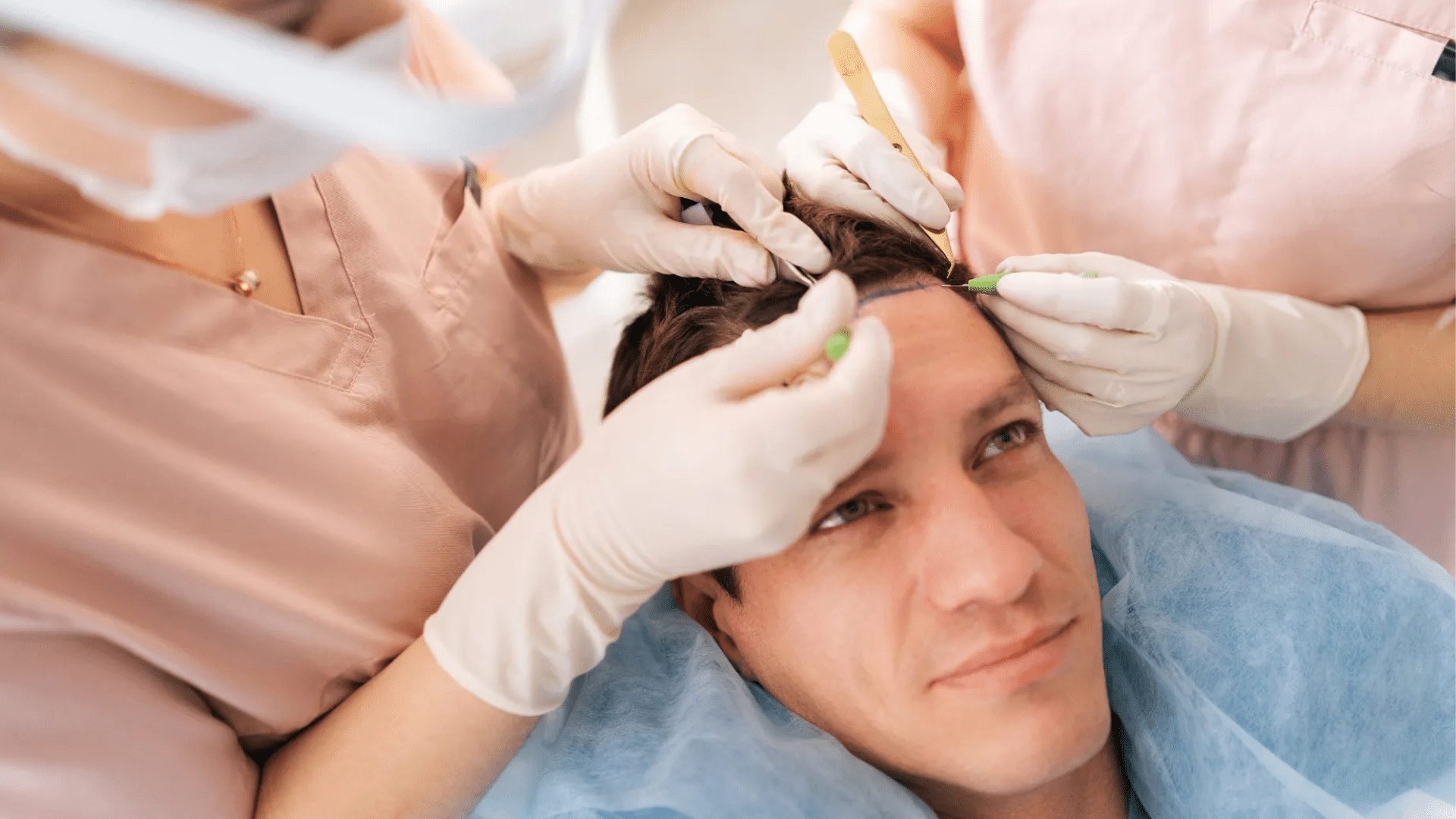
The procedure follows a careful sequence. Here’s what happens from start to finish:
Step 1: Preparation and Anesthesia
You arrive, change into a gown, and have vital signs monitored. An IV is placed. Most patients receive general anesthesia for comfort and stillness. The anesthesiologist ensures you’re pain-free and stable throughout the procedure.
Step 2: Marking the Incision Line
The surgeon measures your forehead carefully, marking the new hairline using a surgical marker. The design follows your natural curve and uses a trichophytic pattern to encourage hair growth through the scar for a more natural result.
Step 3: Making the Incision
A precise incision is made along the marked hairline, extending ear to ear, following your natural pattern. The surgeon protects nerves and blood vessels to reduce numbness risk, ensuring clean edges for proper healing and minimal scarring.
Step 4: Removing Excess Skin
The surgeon gently separates skin layers and removes a strip of forehead skin, typically 1–2 inches high. Careful measurement ensures balanced results while avoiding excessive tension, which is crucial for natural appearance, comfort, and healthy incision healing.
Step 5: Advancing the Scalp
The scalp is carefully loosened from underlying tissues and moved forward to meet the new hairline position. The surgeon checks for minimal tension and, if needed, secures the scalp with sutures or small fixation devices for stability.
Step 6: Closing the Incision
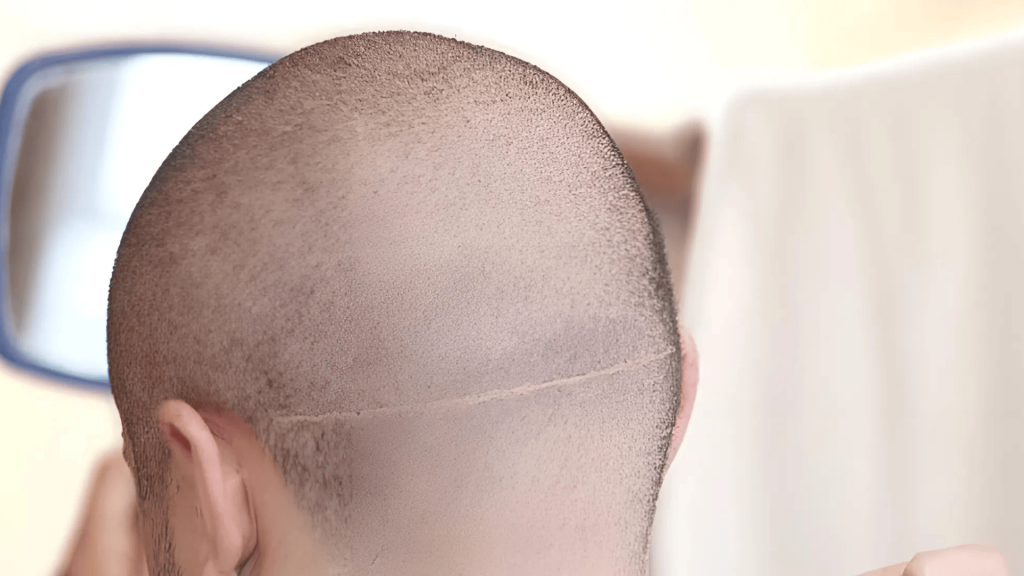
The incision is closed in multiple supportive layers. Deep sutures provide strength, while precise skin stitches reduce visible scarring. The trichophytic method allows hair growth through the scar. A light dressing is applied before short post-surgery monitoring.
The Results – Before and After Photos
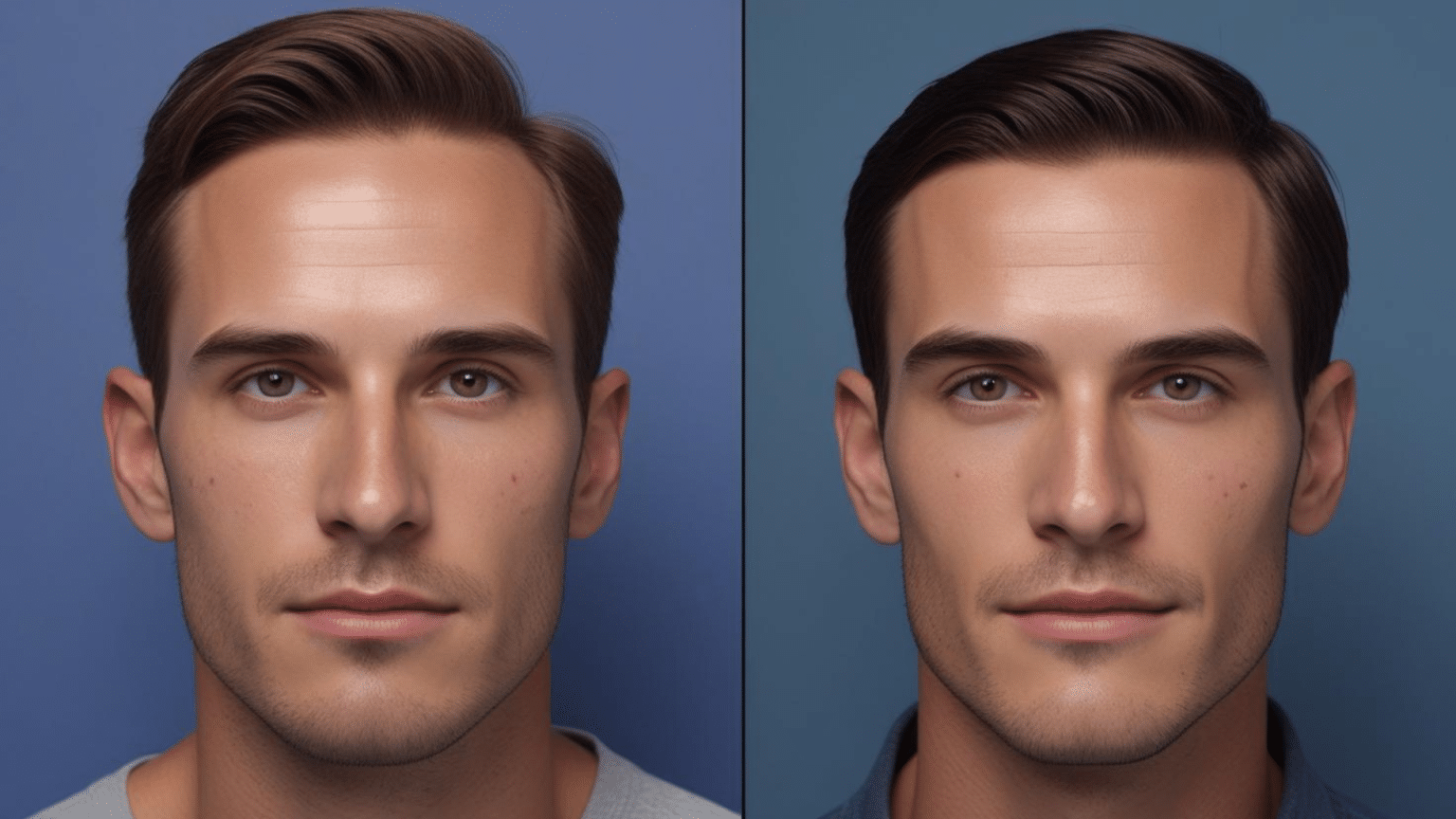
Seeing actual forehead reduction surgery before and after photos helps you understand what’s possible. Here are several cases that show different scenarios and outcomes.
Case 1: High Hairline Correction
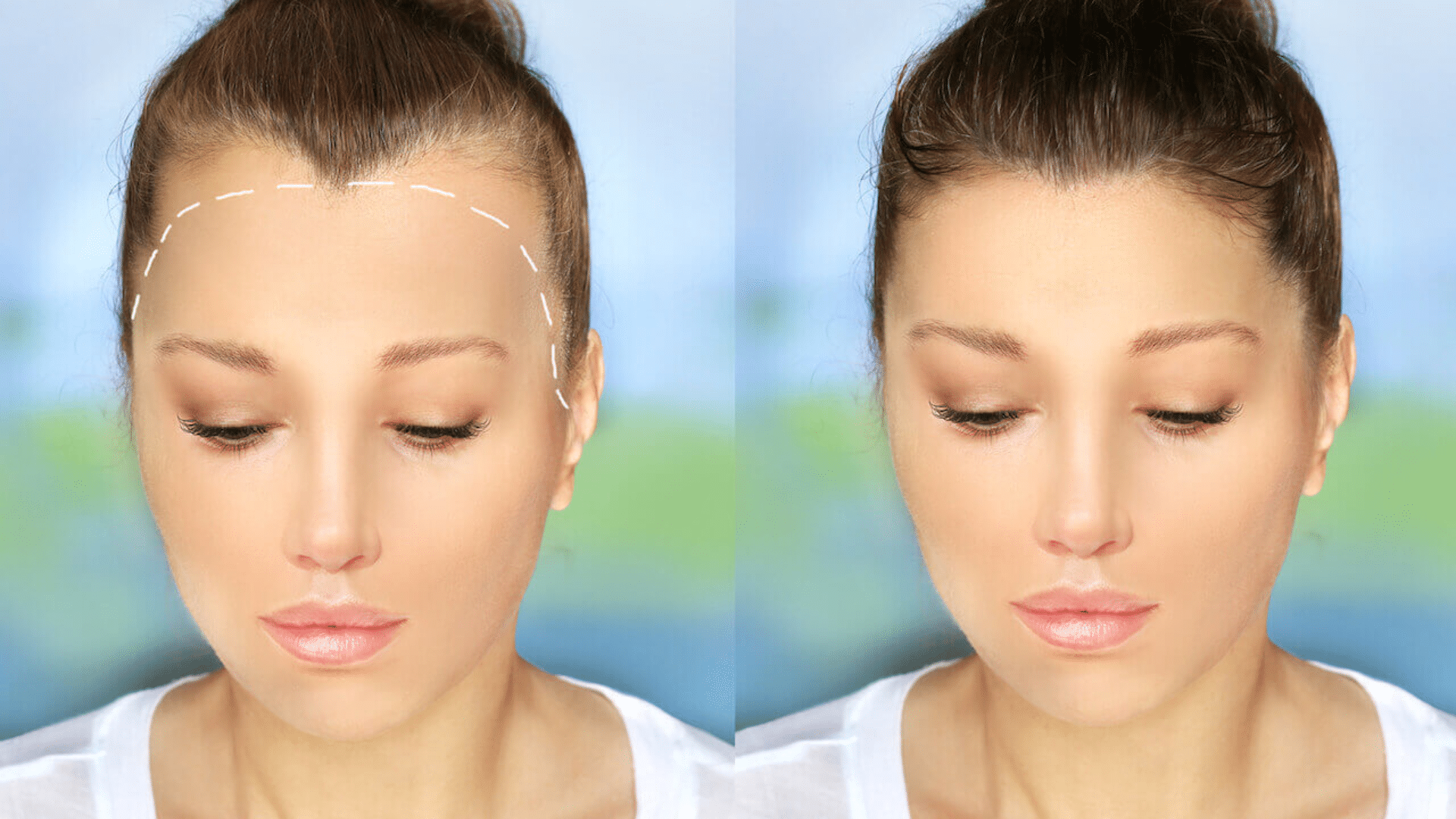
This patient had a naturally high hairline that made her forehead appear oversized. The surgeon removed 1.5 inches of skin and moved the hairline forward.
A photo taken 8 months post-surgery shows complete healing. The scar is barely visible within the hairline.
Case 2: Moderate Reduction
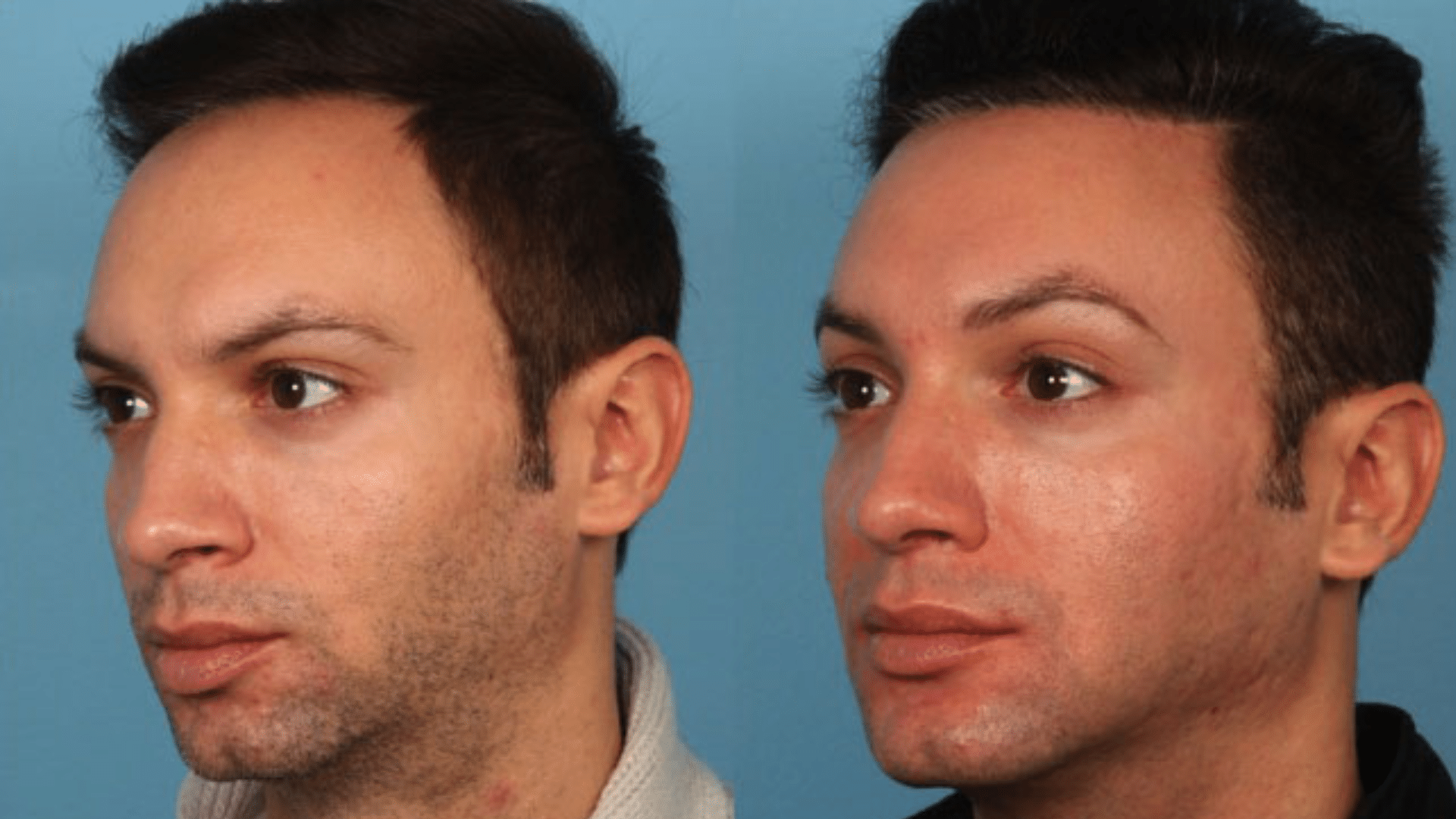
A male patient wanted subtle changes to improve facial balance. The doctor removed 1 inch of forehead skin.
Results at 6 months show natural-looking proportions. His confidence improved significantly after the procedure.
Case 3: Significant Reduction
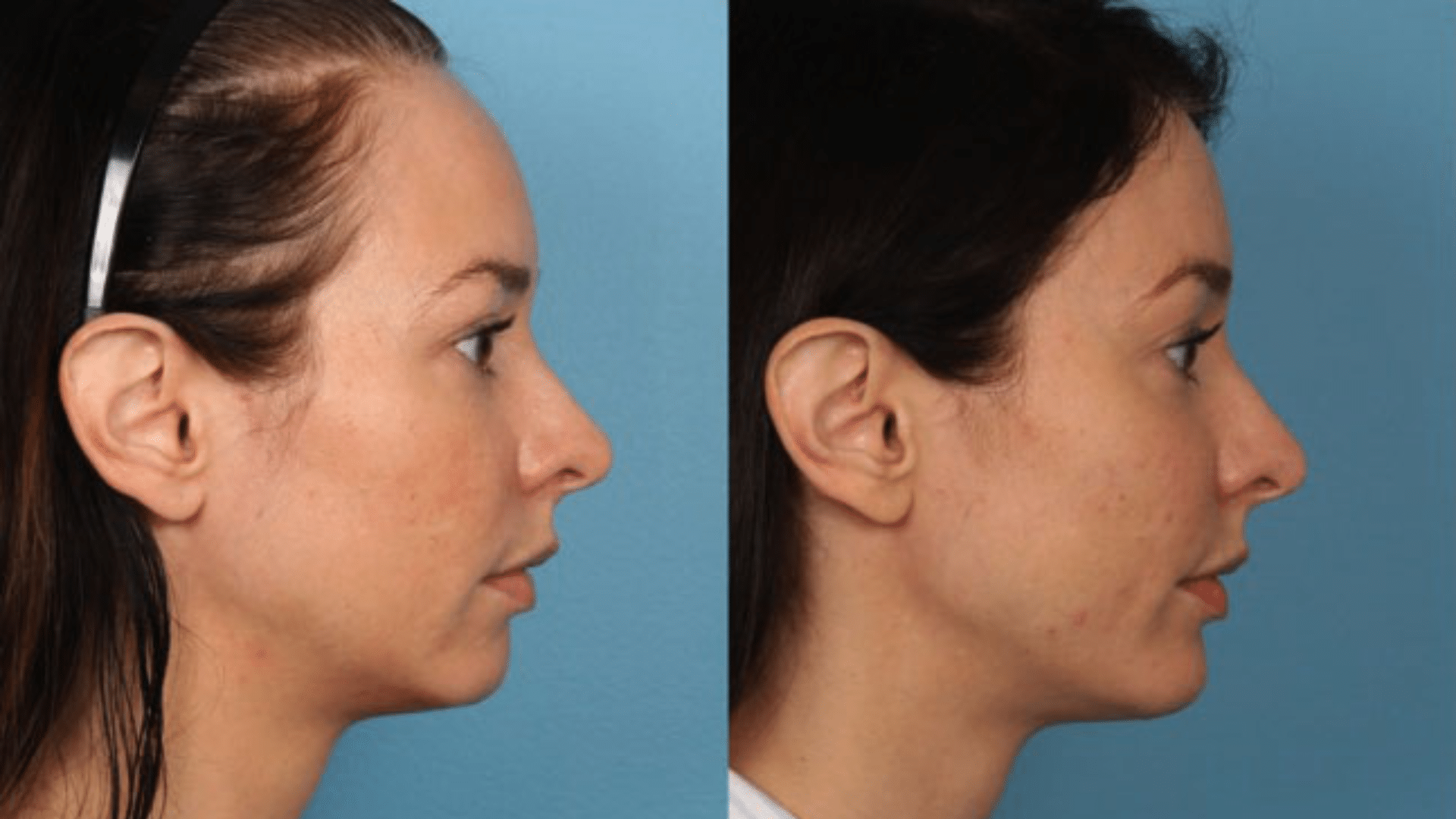
This case involved removing 2 inches of forehead height. The patient had an extremely high hairline from genetics.
Photos at 12 months show dramatic but natural results. The healing process took longer due to the extent of reduction.
Case 4: Combined with Hair Transplant
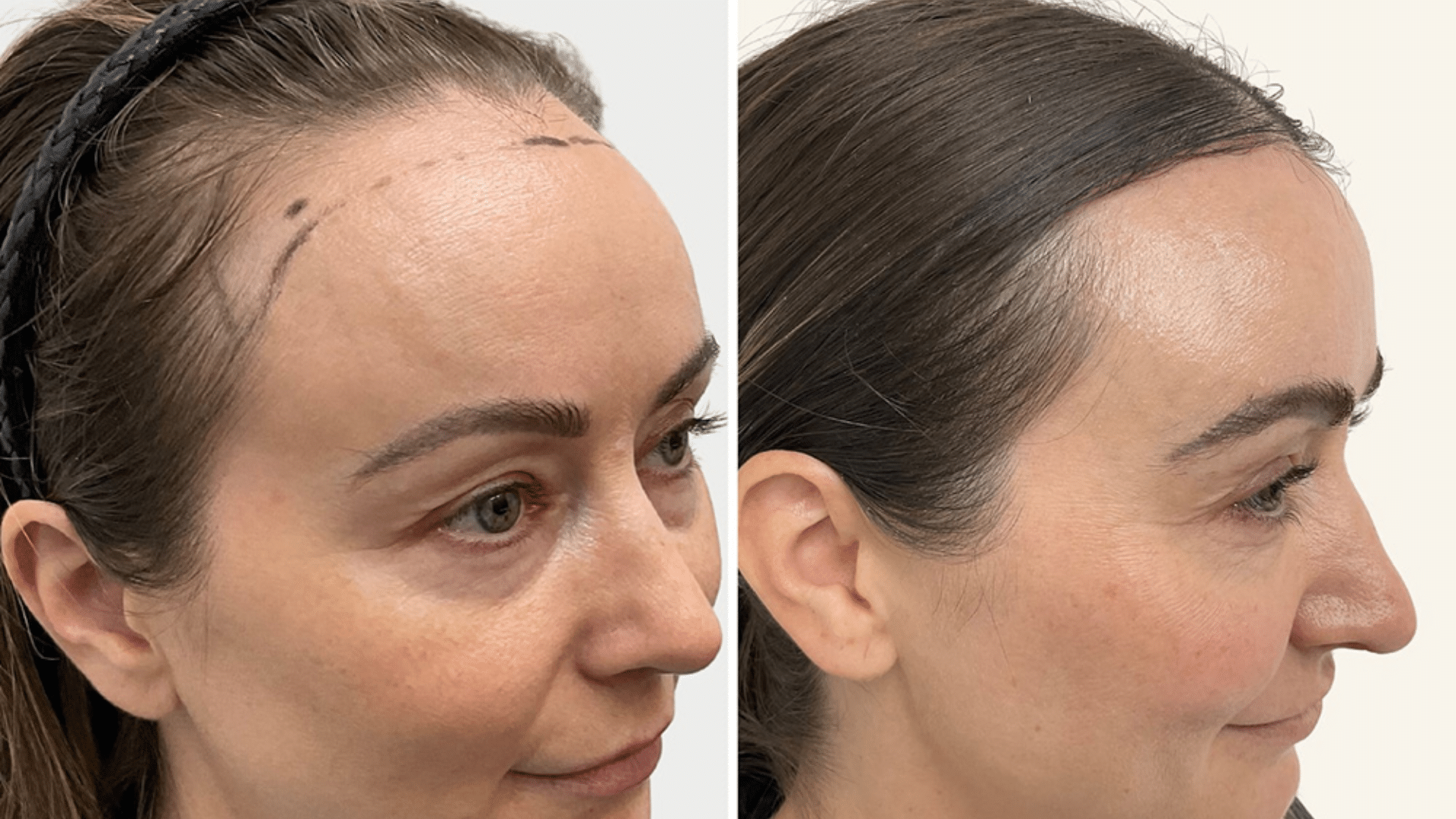 Some patients combine reduction with hair transplant procedures.
This creates an even more natural hairline appearance. Results shown at 10 months demonstrate seamless integration.
Benefits of Forehead Reduction Surgery
Reduction surgery offers both physical and emotional improvements that can transform how you feel about yourself.
The benefits extend far beyond just appearance, affecting confidence, social interactions, and overall quality of life.
- Improved facial balance: Creates better proportions between your forehead, eyes, and other facial features.
- More youthful appearance: A lower hairline can make you look years younger than before.
- Better profile view: Side angles become more flattering and natural-looking in photos.
- Enhanced eye prominence: With a smaller forehead, your eyes become a more dominant facial feature.
- Increased self-confidence: Most patients report feeling much better about their appearance.
- Reduced self-consciousness: No more worrying about forehead size in photos or social situations.
- Improved social comfort: Many people become more outgoing and comfortable in group settings.
- Better mental health: Less anxiety and depression related to appearance concerns.
Risks and Complications to Consider
Reduction surgery carries several potential risks and complications, including:
| Complication | Description |
|---|---|
| Infection | Rare; can occur at the incision site, usually treatable with antibiotics and proper care. |
| Visible scarring | Scars may be visible, but are minimized by skilled surgeons using advanced hairline incision techniques. |
| Nerve damage | May cause temporary or, rarely, permanent numbness or altered sensation in the forehead or scalp. |
| Hair loss | Hair loss around the incision site; often temporary, but can occasionally be permanent. |
| Asymmetry | Uneven hairline or forehead shape if skin removal or placement isn’t perfectly balanced. |
| Excessive swelling, bleeding, and necrosis | Less common; may involve swelling, bleeding, or, rarely, tissue damage (necrosis) at the surgical site. |
Conclusion
Reduction surgery can be a life-changing decision for the right candidate.
The procedure offers permanent results that improve both appearance and confidence. However, success depends heavily on choosing an experienced surgeon and following proper care instructions.
Take time to research your options thoroughly. Many patients say this surgery was one of their best decisions, but it’s not right for everyone.
If you’re considering forehead reduction, schedule consultations with qualified plastic surgeons. They can evaluate your specific situation and help you make an informed choice about your future.